
Vitamine B12 cyano-cob-alamine alomvattend artikel
Vitamine B12 cyano-cob-alamine continual meta-analysis

B12 picture provided by Hbf878 available at https://pixabay.com/photos/brazil-nuts-without-shell-5252364/
Vitamine B12 cyano-cob-alamine continue meta-analyse - WIP
Eindhoven
Datum van publicatie eerste versie: 4 April 2022 | 12022_04-04 New Human Era NHE
Datum van publicatie laatste versie: 21 april 2022 | 12022_04-21 New Human Era NHE
Auteur: Rody Mens - r.w.mens@student.tue.nl
Samengesteld voor Nutritionfactsnederlands.nl, hetgeen een website is gewijd aan het onderzoek naar de impact van voeding op de gezondheid, gestart op de bevindingen van Dr. Michael Herschel Greger.
Citatie: Mens RW. 4 April 2022. Vitamine B12 cyano-cob-alamine continual meta-analysis; www.nutritionfactsnederlands.nl/videoscript/2022/3/29/vitamine-b12-cyano-cob-alamine-alomvattend-artikel ; https://www.researchgate.net/publication/359519769_Vitamine_B12_cyano-cob-alamine_continual_meta-analysis
Enkele kernwoorden: Vitamine, B12, cyano-cob-alamine, supplement, vitamins, diet, vegan, omnivore, herbivore, intima-media thickness, IMT, carotid, vegetarian, deficiency, homocysteine, cholesterol, blood sugars, cyanocobalamine, cyano, cobalamin
Samenvatting: Vitamine B12 cyano-cob-alamine kan mogelijk helpen als voeding voor het cardiovasculaire systeem.
B12 afbeelding verkregen via Hbf878 beschikbaar op https://en.wikipedia.org/wiki/Vitamin_B12#/media/File:Cobalamin_skeletal.svg
Vrijwaring
Mijn vrijwaring op de service die mijn (wettelijke) aansprakelijkheid beperkt en daarmee de gebruiksvoorwaarden vaststelt voor de mate van mijn steun voor uw gebruik van de verstrekte informatie, welke vrijwaring ik heb geschreven om eventuele verkeerde interpretatie vooraf te dekken, of (exclusief of) validiteit in termen van onjuistheid of (inclusief of) onvolledigheid, onvolledigheid vanwege een lagere nauwkeurigheid terwijl ze een hoge precisie hebben, van uitspraken die datgeen zouden kunnen bevatten dat als waardevolle informatie kan worden beschouwd, die informatie die ik zo zorgvuldig als ik momenteel mogelijk kan samengesteld (aangezien ik deze bestanden blijf ontwikkelen, onderhouden en gebruiken om zowel de nauwkeurigheid als de precisie van de informatie te blijven verbeteren) en dus redelijkerwijs als betrouwbaar kan worden beschouwd door het gebruik van deze dergelijke specifiek geformuleerde verklaringen, luidt als volgt:
De informatie die volgt, hoewel zo zorgvuldig als ik momenteel mogelijk kan samengesteld, en dus redelijkerwijs als betrouwbaar kan worden beschouwd, is geschreven of (inclusief of) samengesteld door Rody Wick Mens en verstrekt dus gedeeld met de beste en meest eerlijke bedoelingen in het achterhoofd en daardoor betrouwbaar blijvend, is altijd nog steeds beperkt tot de persoonlijke interpretatie van de schrijver op dat moment, om welke reden het mogelijk in uw land van verblijf waarschijnlijk alleen te gebruiken is voor educatieve doeleinden en niet wettelijk gedefinieerd als "medisch advies" om welke reden geen aansprakelijkheid voor de interpretatie ervan, juistheid en volledigheid kan worden verleend aangezien ik wil benadrukken dat ik alleen verantwoordelijkheid neem, maar zonder wettelijke aansprakelijkheid, voor de uitspraken in wetenschappelijke artikelen over experimenteel onderzoek die ik expliciet zelf gedaan en gepubliceerd heb en terecht beschouw dat de interpretatie, juistheid en volledigheid van informatie die andere onderzoekers publiceren hun verantwoordelijkheid zonder wettelijke aansprakelijkheid is, hetgeen ook mijn integriteit bewaakt door met absolute wettige onafhankelijkheid de schrijver verdedigd en schadeloos stelt van alle schadeclaims en zo de lezer verantwoordelijk te houden voor zijn daden op basis van de verstrekte, aldus gedeelde informatie, aangezien het gebruik van deze informatie dus erkenning en aanvaarding van de geschriften beperkingen inhoudt die het gebruik ervan uitsluitend op eigen risico van de gebruiker stellen, aangezien de verstrekte informatie wordt verstrekt "zoals ze is" zonder verklaringen, garanties, voorwaarden en vrijwaringen van welke aard dan ook, expliciet of impliciet, en het daarom beter kan worden geadviseerd om altijd contact op te nemen met en het raadplegen van een arts die wettelijk gebonden is om een professionele zorgverlener te zijn, welke arts waarschijnlijk ook door de overheid gemonopoliseerde wettelijke aansprakelijkheid heeft in uw land van verblijf, voordat u grote veranderingen aanbrengt in uw levensstijl, zoals veranderingen in dieet, lichaamsbeweging of (inclusief of) aanpassing van doseringen van aanvullende middelen (e.g., middelen waarvan veel mensen die middelen een ‘farmaceutisch middel’, ‘farmakon’, ‘medicijn’, ‘medicatie’, ‘drug, ‘remedie’ en ‘nutraceutica’ noemen, van welke categorie middelen ik denk dat mensen moeten oppassen voor mogelijke negatieve complicaties als gevolg van interacties met andere in persoonlijk gebruik genomen middelen) routine zodat de arts een persoon kan helpen met de overweging om veranderingen in levensstijl door te voeren die een persoon in hun persoonlijke specifieke situatie zou kunnen helpen, rekening houdend met de individuele lichamelijke condities, hetgeen betekent dat de verstrekte informatie niet bedoeld of geïmpliceerd is als een vervanging is voor wettelijk gedefinieerd "professioneel medisch advies", "professionele medische diagnose" of "professionele medische behandeling", en dat de informatie alleen bedoeld is om de informatie-uitwisselingsrelatie tussen artsen en patiënten aan te vullen, zonder de bedoeling, implicering noch de indruk te wekken een vervanging te zijn voor, omdat het geen wettig standbare arts-patiëntrelatie vormt, omdat ik denk dat het belangrijk is dat als en wanneer het absoluut noodzakelijk is, aangezien zieke mensen degenen moeten zijn die artsen bezoeken en vermoedelijk gezonde mensen niet (ermee rekening houdend dat ik het woord arts hier gebruik in een wettige, door de overheid gemonopoliseerde context en dus niet onderzoekers bedoel die mensen zou kunnen adviseren over preventieve gezondheidszorg, en ook omdat de meeste grote gezondheidsorganisaties het erover eens zijn dat er een risico bestaat op ernstige schade voor mensen bij het aangaan van een regelmatige arts-patiëntrelatie, en alle grote gezondheidsorganisaties zijn overeengekomen dat routinematige jaarlijkse controles voor gezonde volwassenen gestopt zouden moeten worden vanwege de reden dat het aangaan van een relatie met een arts de deur opent voor mensen om een actieve patiënt te worden, hoe vaker ze hun arts zien, hoe groter de kans dat iemand wordt getest, hetgeen op zijn beurt weer leidt tot de grotere kans dat mensen worden voor beter of (exclusief of) slechter worden behandeld, welke toename van behandelingen het gevolg is van perverse prikkels die ontstaan in een met een vrijemarktsituatie vergelijken relatief laag competitief gemonopoliseerd gezondheidszorgsysteem van de overheid, en hoewel het op het eerste gezicht een goed idee lijkt, is een langdurige bekendheid met een patiënt zelden nodig om uitstekende zorg te verlenen in tijden van behoefte in een door de overheid gemonopoliseerd gezondheidszorgsysteem, maar in het geval van een voortdurend op vrije markt gebaseerde, op concurrentie gebaseerde verbetering van de gezondheidszorgsituatie, kan het zeker worden aanbevolen om hulp te zoeken bij een vertrouwde persoonlijke arts, omdat het ontwikkelen van een partnerschap met goede communicatie gericht op het verbeteren van de kwaliteit en tijd- hoeveelheid van je leven en dat in het geval dat je jezelf en degenen die je dierbaar zijn de best beschikbare persoonlijke behandeling wilt laten krijgen, hetgeen iets is dat ik denk dat iedereen zou moeten willen en welke prestatie de uren die nodig zijn om dit te bereiken het waarschijnlijk zeer zeker waard zijn), mensen diensten zoeken zoals het inwinnen van advies van een arts die hun lichamelijke conditie zou kunnen controleren tijdens het ondergaan van een voor de gezondheid significante levensstijl veranderingen en dus samenwerken, eventueel naar hetzelfde doel, in welke gesprekken ik het kan beamen en mensen kan aanmoedigen om artsen vragen te stellen over hun lichamelijke gesteldheid en de mogelijk effecten van deze veranderingen, waaronder bijvoorbeeld een relatief grote verandering in de voedingspraktijk, in welke gesprekken ik van mening ben dat artsen uw levensstijlkeuzes moeten accepteren (niet noodzakelijkerwijs respecteren) en niet moeten proberen deze te ondermijnen, zoals in het geval dat een bepaalde arts slechte gewoonten heeft dat er niet toe zouden moeten leiden dat die bepaalde arts ongezonde aanbevelingen geeft, en men zou op zoek moeten gaan naar een arts die oprecht geïnteresseerd is in en actief aanmoedigt dat iemand gezond word door betere zelfzorg doordat diegene meer actief betrokken wordt bij zijn eigen gezondheidszorg, waarvan dit ook artsen zijn die zeer goed geïnformeerd zijn en voortdurend leren over de zorg van een mens die bereid en in staat zijn om iemands huidige toestand en de mogelijke maatregelen die men kan nemen om zijn problemen te testen en te behandelen, en iemand die zich bewust inspant om het gebruik van medicijnen en operaties te vermijden en deze enkel als allerlaatste redmiddel gebruikt, en heeft een advocatiefunctie voor u als patiënt die bereid is om de patiënt de beste zorg te bieden in contact met specialisten in plaats van alleen maar de patiënt naar de specialistische zorg over te dragen, en is voorstander van het vragen van een tweede mening van andere artsen en onderzoekers (men zou moeten horen over alle beschikbare opties, samen met hun kosten, risico's en voordelen; en men moet bedenken dat men als patiënt de zorgconsument is en dus de klant welk gegeven betekent dat diegene altijd het laatste woord moet hebben bij alle beslissingen en dus ook het recht moet hebben om gewoon "nee" te zeggen, en dus mogelijk weigert de door een arts concluderende aanbevelingen te accepteren, maar niet noodzakelijkerwijs het gegeven advies negeert (e.g., over toezicht, toestemming en recept), aangezien de informatie moet worden gebruikt om een breder beeld van het informatielandschap samen te stellen (negeer nooit professioneel medisch advies of (inclusief of) uitstel bij het zoeken ervan vanwege iets dat u in de teksten van de schrijvers leest; welke weigeringen zouden kunnen optreden wanneer een arts de klant niet voldoende overtuigende argumenten geeft, hetgeen zou kunnen betekenen dat de argumenten van de arts intern onjuist zijn), hetgeen mij tot het punt brengt dat alles in mijn geschriften dat als een mening kan worden gecategoriseerd, zal moeten worden beschouwd als mijn en dus enkel de persoonlijke mening van de schrijver.
Artikel: Brazil nut bertholletia excelsa [ENGLISH BELOW]
> Het is mogelijk bruikbaar als voeding voor het cardiovasculaire systeem aangezien er veel studies zijn die kijken naar de arteriële wanden van degenen die plantaardig voedsel eten, waaronder een onderzoek uit China dat aantoonde dat degenen die ei- en vleesvrije diëten aten, vergeleken met alleseters, alle typische voordelen van meer plantaardig eten, zoals de voordelen van een gezonde lagere lichaamsmassaindex (body mass index), gezonde lagere bloeddruk, gezonde lagere triglycerideniveaus, gezond lager totaal cholesterolgehalte, gezond lager totaal LDL "slecht" cholesterolgehalte, minder vrije radicalen, misschien betere nierfunctie, betere controle van de bloedsuikerspiegel, enzovoort hadden [1]. Maar het is belangrijk om te kijken of al die statistisch significante bevindingen zich vertalen in daadwerkelijke fysieke verschillen in hun slagaders, en ja, inderdaad, de alleseters hadden relatief verdikte arteriële voeringen, hetgeen allemaal suggereert dat de kans op het ontwikkelen van hart- en vaatziekten verdrievoudigd is [1]. De onderzoekers bevelen daarom aan om meer groenten te eten in plaats van vlees en dat het nooit te laat is om je voedingsgewoonten te verbeteren [1].
Dat gezegd hebbende, als mensen met een plantaardig dieet niet genoeg vitamine B12 krijgen dan kunnen de hoeveelheden van een slagader-beschadigende stoffen genaamd homocysteïne, die zich in de bloedbaan bevinden, beginnen te stijgen en kunnen sommige van de voordelen van gezond eten teniet worden gedaan [2]. In deze studie uit Taiwan waren de slagaders van vegetariërs net zo stijf als die van de alleseters, en ze hadden dezelfde mate van verdikking in hun halsslagaders, hetgeen misschien komt door het verhoogde homocysteïnegehalte in hun bloed [2].
De negatieve bevindingen van deze onderzoeken moeten niet worden beschouwd als bewijs van neutrale cardiovasculaire effecten van vegetarisme, maar wijzen wel op een dringende behoefte aan wijziging van veganistische diëten door middel van vitamine B12-verrijking of supplementen [3]. Vitamine B12-tekort is een zeer ernstig probleem, dat uiteindelijk leidt tot bloedarmoede, neuropsychiatrische stoornissen, onomkeerbare zenuwbeschadiging en hoge niveaus van slagaderbeschadigend homocysteïne in het bloed [3]. Verstandige veganisten zouden daarom bronnen van vitamine B12 in hun voeding moeten opnemen [3].
Een studie van vegetariërs van wie de B12-spiegels echt slecht waren, had zelfs dikkere, meer disfunctionele slagaders dan de alleseters [4]. We weten dat B12 de reden is want toen ze B12-supplementen kregen, werden ze beter omdat hun arteriële voering begon terug te krimpen en de goede werking van hun slagaders terugkeerde [4].
Zonder B12-verrijkte voedingsmiddelen of B12-supplementen ontwikkelen alleseters, wanneer ze overschakelen op een veganistisch dieet dus vaak een vitamine B12-tekort [5]. Ja, het kan nodig zijn om te dalen tot ongeveer 150 picomol per liter om de tekenen van B12-tekort te ontwikkelen, zoals bloedarmoede en dat het ruggenmerg van binnenuit gaat rotten [6], maar lang voordat dat gebeurt kunnen mensen een verhoogd risico krijgen op cognitieve tekorten en hersenkrimp, beroerte, depressie en zenuw- en botbeschadiging, en ook dat de homocysteïne niveaus in het bloedernstig verhoogd worden [6]. En dat kan dus de gunstige effecten van een vegetarisch dieet op de cardiovasculaire gezondheid afzwakken en zelf tenietdoen [6]. De gunstige effecten van vegetarische diëten op cholesterol en bloedsuikers moeten dus worden bepleit, maar tegelijkertijd kunnen inspanningen om vitamine B12-tekort in vegetarische diëten te corrigeren ook nooit worden overschat [6].
Bronreferenties
[1] Yang SY, Li XJ, Zhang W, Liu CQ, Zhang HJ, Lin JR, Yan B, Yu YX, Shi XL, Li CD, Li WH. Chinese lacto-vegetarian diet exerts favorable effects on metabolic parameters, intima-media thickness, and cardiovascular risks in healthy men. Nutr Clin Pract. 2012 Jun;27(3):392-8. doi: 10.1177/0884533611436173. Epub 2012 Mar 12. PMID: 22412169. https://pubmed.ncbi.nlm.nih.gov/22412169/ ; https://aspenjournals.onlinelibrary.wiley.com/doi/abs/10.1177/0884533611436173
[2] Su TC, Jeng JS, Wang JD, Torng PL, Chang SJ, Chen CF, Liau CS. Homocysteine, circulating vascular cell adhesion molecule and carotid atherosclerosis in postmenopausal vegetarian women and omnivores. Atherosclerosis. 2006 Feb;184(2):356-62. doi: 10.1016/j.atherosclerosis.2005.04.022. Epub 2005 Jul 6. PMID: 16005009. https://pubmed.ncbi.nlm.nih.gov/16005009/ ; https://www.atherosclerosis-journal.com/article/S0021-9150(05)00296-0/fulltext
[3] Su TC, Torng PL, Jeng JS, Chen MF, Liau CS. Arterial function of carotid and brachial arteries in postmenopausal vegetarians. Vasc Health Risk Manag. 2011;7:517-23. doi: 10.2147/VHRM.S18881. Epub 2011 Aug 23. PMID: 21915169; PMCID: PMC3166191. https://pubmed.ncbi.nlm.nih.gov/21915169/ ; https://www.dovepress.com/arterial-function-of-carotid-and-brachial-arteries-in-postmenopausal-v-peer-reviewed-fulltext-article-VHRM ; https://www.dovepress.com/getfile.php?fileID=10813 ; https://www.ncbi.nlm.nih.gov/pmc/articles/PMC3166191/ ; https://www.ncbi.nlm.nih.gov/pmc/articles/PMC3166191/pdf/vhrm-7-517.pdf
[4] Kwok T, Chook P, Qiao M, Tam L, Poon YK, Ahuja AT, Woo J, Celermajer DS, Woo KS. Vitamin B-12 supplementation improves arterial function in vegetarians with subnormal vitamin B-12 status. J Nutr Health Aging. 2012;16(6):569-73. doi: 10.1007/s12603-012-0036-x. PMID: 22659999. https://pubmed.ncbi.nlm.nih.gov/22659999/ ; https://link.springer.com/article/10.1007/s12603-012-0036-x
[5] Mądry E, Lisowska A, Grebowiec P, Walkowiak J. The impact of vegan diet on B-12 status in healthy omnivores: five-year prospective study. Acta Sci Pol Technol Aliment. 2012 Apr 2;11(2):209-12. PMID: 22493163. https://pubmed.ncbi.nlm.nih.gov/22493163/
[6] Smith AD, Refsum H. Do we need to reconsider the desirable blood level of vitamin B12? J Intern Med. 2012 Feb;271(2):179-82. doi: 10.1111/j.1365-2796.2011.02485.x. Epub 2011 Dec 11. PMID: 22092891. https://pubmed.ncbi.nlm.nih.gov/22092891/ ; https://onlinelibrary.wiley.com/doi/10.1111/j.1365-2796.2011.02485.x ; https://onlinelibrary.wiley.com/doi/epdf/10.1111/j.1365-2796.2011.02485.x
Vitamine B12 cyano-cob-alamine continual meta-analysis - WIP
Eindhoven
Publication date first version: 4 April 2022 | 12022_04-04 New Human Era NHE
Publication date last version: 21 April 2022 | 12022_04-21 New Human Era NHE
Author: Rody Mens - r.w.mens@student.tue.nl
Compiled for Nutritionfactsnederlands.nl, which is a website dedicated to the exploration of the impact of nutrition on health, started upon the findings of Dr. Michael Herschel Greger.
Citation: Mens RW. 4 April 2022. Vitamine B12 cyano-cob-alamine continual meta-analysis; www.nutritionfactsnederlands.nl/videoscript/2022/3/29/vitamine-b12-cyano-cob-alamine-alomvattend-artikel ; https://www.researchgate.net/publication/359519769_Vitamine_B12_cyano-cob-alamine_continual_meta-analysis
Some keywords: Vitamine, B12, cyano-cob-alamine, supplement, vitamins, diet, vegan, omnivore, herbivore, intima-media thickness, IMT, carotid, vegetarian, deficiency, homocysteine, cholesterol, blood sugars, cyanocobalamine, cyano, cobalamin
Summary: Vitamine B12 cyano-cob-alamine could possibly help as nutrition for the cardiovascular system.
B12 picture provided by Hbf878 available at https://pixabay.com/photos/brazil-nuts-without-shell-5252364/
Disclaimer
My disclaimer on the service limiting my (lawful) liability, and thus establishing the terms of use for the extend of my support for your uses of the information given, which disclaimer I have written to prerequisitially cover any wrong interpretation, or (exclusive or) validity in terms of incorrectness or (inclusive or) incompleteness, incompleteness because of a lower accuracy while having a high precision, of statements that might contain of what might be considered valuable information, that which information I am trying to convey as diligently as I currently at the time possibly can composed (as I keep developing, maintaining and operating on these files to keep improving both the accuracy and the precision of the information) and thus reasonably believed to be reliable by the use of those such specifically formulated statements, reads as follows:
The information that follows, although as diligently as currently at the time possible composed, and thus reasonably believed to be reliable, written or (inclusive or) compiled by Rody Wick Mens and provided thus shared with the best and most honest intentions in mind staying trustworthy, is always still limited to the writers personal interpreter at that time, for which reason it is possibly in your country of staying probably only to be used for educational purposes and not legally defined as "medical advice" for which reason no liability for its interpretation, correctness and completeness can be granted as I want to emphasize that I only take responsibility, but without lawful liability, for the statements in scientific papers on experimental research that I have explicitly done and published myself, and rightfully regard that the interpretation, correctness and completeness of information that other researchers are publishing is their responsibility without lawful liability, which also safeguards my integrity with absolute lawful independence defending and indemnifying the writer harmless from any claims of harm and thus maintaining the reader to be responsible for its acts upon the provided thus shared information, as use of this information thus constitutes acknowledgement and acceptance of the writings limitations places the use of it solely at the user’s own risk as the information provided is provided “as is” without representations, warranties, conditions and indemnities of any kind, either express or implied, and it may therefore thus be better advised to always contact and consult a physician that is lawfully bonded to be able to be a professional health care provider which physician also probably may have government monopolized legal liability in your country of staying, before making any major changes to your lifestyle such as changes to diet, exercise, or (inclusive or) adjustment in dosages of supplemental substances (e.g., substances which a lot of people consider to be called a “pharmaceutical”, “pharmakon”, “medicine”, “medication”, “drug”, “remedy” and “nutraceutical”, of which category of substances I think people should be beware of possible negative complications due to interactions with other personal habitually used substances) routine such that the physician can help a person with the consideration of implementing lifestyle changes that might help a person in their personal specific situation taking into account the individual bodily conditions, meaning that the information given is not intended as nor implied to be a substitute for legally defined “professional medical advice”, “professional medical diagnosis” nor “professional medical treatment”, and that the information is only intended to complement the informational exchange relationship between physicians and patients while not intending, implying nor creating an impression to be a substitute for it as it does not constitute a lawful physician-patient relationship, because I think that it is important that if and when it is absolutely necessary, as sick people should be the ones visiting physicians and presumably healthy people should not (please note that I use the word physician here in lawful government monopolized context and thus not talking about a researchers which could advise people on preventative healthcare, and also since most major health organizations agree that there is the risk for serious harm for people in establishing a regular physician-patient relationship, and all major health organizations have agreed that routine annual checkups for healthy adults should be abandoned because of the reason that establishing a relationship with a physician opens the door for people to become an active patient the more they see their physicians which the more likely someone is to be tested which in turn leads to the more likely people are to be treated for either better or (exclusive or) worse which increase in treatments is because of bad incentives originating from a to a free market situation compared relatively low competitive governmental monopolized health care system, and although it might at first seem to be a good idea, a long-standing familiarity with a patient is rarely necessary in order to provide excellent care in times of need in a government monopolized healthcare system, however in the case of a constantly free market competition-based improving healthcare situation, seeking help from a trusted personal physician could definitely be recommended because developing a partnership with good communication focused on improving the quality and time-quantity of your life and in case of need if you want to get yourself and the ones dear to you the best available personalized treatment, it is something that I think anyone should want and which achievement is probably well worth the hours required in the search), people seek services such as obtaining advice from a physician who could monitor their bodily condition while undergoing health-significant lifestyle changes and thus working together, possibly towards the same goal, in which conversations I can encourage people to ask physicians any questions that one may have regarding their bodily condition and the possible effects of the changes, which for example include a relatively large change in dietary practices, in which conversations I am of opinion that physicians should accept (not necessarily respect) your lifestyle choices and not try to undermine them such as in the case that a certain physician has bad habits that should not have to lead to that certain physician giving unhealthy recommendations, and one should look for a physician who is genuinely interested in and actively encouraging someone to become healthy through better self-care by that someone getting more actively involved in their own healthcare, of which these physicians are very knowledgeable and constantly learning about the care of a human being willing and able to clearly explain one’s present condition and the possible courses of action that one can take to test and treat one’s problems, and one who makes a conscious effort to avoid the use of medications and surgery only using these as a very last resort, and has an advocate function for you as patient willing to provide the patient with the best of care when in contact with specialists rather than just transferring the patient to the specialist care, and is in favor of second opinions of other physicians and researchers (one should hear about all of the available options along with their costs, risks, and advantages; and one should remember that as a patient one is the health care consumer and thus the customer which given should always grant that one the final say in all decisions and thus including the right to just say “No”, thus possibly refusing to accept a physicians concluding recommendations (e.g., on supervision, permission and prescription) but not necessarily disregarding the advice given as the information should be used to assemble a more broader picture of the landscape of information (never disregard professional medical advice or (inclusive or) delay in seeking it because of something you read in the writers’ texts; which refusals could be occurring when a physician does not provide convincing enough arguments to the customer which could potentially mean that the physicians arguments are internally flawed), which brings me to the point that anything in my writings that might be categorized as an opinion are to be considered my and thus the writer’s own personal views only.
Article: Vitamine B12 cyano-cob-alamine [Sources below]
> It is possibly usable as nutrition for the cardiovascular system since there are a lot of studies looking at the arterial walls of those eating plant-based diets of which one of them is a study from China that found that compared to omnivores, those that ate egg-free and meat-free diets had all the typical benefits of eating more plant-based such as the benefits of healthy lower body mass index, healthy lower blood pressure, healthy lower triglyceride levels, healthy lower total cholesterol levels, healthy lower total LDL “bad” cholesterol levels, fewer free radicals, maybe better kidney function, better blood sugar control, and so on had [1]. But it is important to look at if all those statistically significant findings translate to actual physical differences in their arteries, and yes indeed the omnivores had comparatively thickened arterial linings all of which suggests about a tripling in the probability of developing cardiovascular disease [1]. The researchers therefore recommend that more vegetables should be eaten instead of meat and that it is never too late to improve one’s dietary eating habits [1].
Having said that, if those on plant-based diets do not get enough vitamin B12 then the levels of an artery-damaging compound called homocysteine can start to rise in the bloodstream and may counteract some of the benefits of eating healthy [2]. In this study from Taiwan, the arteries of vegetarians were just as stiff as those of the omnivores, and they had the same level of thickening in their carotid arteries which is perhaps because of the elevated homocysteine levels in their blood [2].
The negative findings of these studies should not be considered as evidence of neutral cardiovascular effects of vegetarianism but do indicate an urgent need for modification of vegan diets through vitamin B12 fortification or supplements [3]. Vitamin B12 deficiency is a very serious problem, leading ultimately to anemia, neuropsychiatric disorders, irreversible nerve damage, and high levels of artery-damaging homocysteine in the blood [3]. Prudent vegans should therefore include sources of vitamin B12 in their diets [3].
One study of vegetarians whose B12 levels were really bad even had thicker, more dysfunctional arteries than the omnivores [4]. We do we know that B12 was to blame because when they were given B12 supplements, they got better as their arterial lining started to shrink back, and the proper functioning of their arteries returned [4].
Without B12-fortified foods or B12 supplements, when omnivores are switched to a vegan diet, they often develop vitamin B12 deficiency [5]. Yes, it may take dropping down to around 150 picomoles per liter to develop the signs of B12 deficiency like the anemia, and our spinal cord rotting from the inside out [6], but way before that, humans may start getting increased risk of cognitive deficits and brain shrinkage, stroke, depression, and nerve and bone damage, as well as having severely elevated homocysteine levels in the blood [6]. And that thus may attenuate and even nullify the beneficial effects of a vegetarian diet on cardiovascular health [6]. The beneficial effects of vegetarian diets on cholesterol and blood sugars thus need to be advocated, but at the same time efforts to correct vitamin B12 deficiency in vegetarian diets can also never be overestimated [6].
Source references
[1] Yang SY, Li XJ, Zhang W, Liu CQ, Zhang HJ, Lin JR, Yan B, Yu YX, Shi XL, Li CD, Li WH. Chinese lacto-vegetarian diet exerts favorable effects on metabolic parameters, intima-media thickness, and cardiovascular risks in healthy men. Nutr Clin Pract. 2012 Jun;27(3):392-8. doi: 10.1177/0884533611436173. Epub 2012 Mar 12. PMID: 22412169. https://pubmed.ncbi.nlm.nih.gov/22412169/ ; https://aspenjournals.onlinelibrary.wiley.com/doi/abs/10.1177/0884533611436173
[2] Su TC, Jeng JS, Wang JD, Torng PL, Chang SJ, Chen CF, Liau CS. Homocysteine, circulating vascular cell adhesion molecule and carotid atherosclerosis in postmenopausal vegetarian women and omnivores. Atherosclerosis. 2006 Feb;184(2):356-62. doi: 10.1016/j.atherosclerosis.2005.04.022. Epub 2005 Jul 6. PMID: 16005009. https://pubmed.ncbi.nlm.nih.gov/16005009/ ; https://www.atherosclerosis-journal.com/article/S0021-9150(05)00296-0/fulltext
[3] Su TC, Torng PL, Jeng JS, Chen MF, Liau CS. Arterial function of carotid and brachial arteries in postmenopausal vegetarians. Vasc Health Risk Manag. 2011;7:517-23. doi: 10.2147/VHRM.S18881. Epub 2011 Aug 23. PMID: 21915169; PMCID: PMC3166191. https://pubmed.ncbi.nlm.nih.gov/21915169/ ; https://www.dovepress.com/arterial-function-of-carotid-and-brachial-arteries-in-postmenopausal-v-peer-reviewed-fulltext-article-VHRM ; https://www.dovepress.com/getfile.php?fileID=10813 ; https://www.ncbi.nlm.nih.gov/pmc/articles/PMC3166191/ ; https://www.ncbi.nlm.nih.gov/pmc/articles/PMC3166191/pdf/vhrm-7-517.pdf
[4] Kwok T, Chook P, Qiao M, Tam L, Poon YK, Ahuja AT, Woo J, Celermajer DS, Woo KS. Vitamin B-12 supplementation improves arterial function in vegetarians with subnormal vitamin B-12 status. J Nutr Health Aging. 2012;16(6):569-73. doi: 10.1007/s12603-012-0036-x. PMID: 22659999. https://pubmed.ncbi.nlm.nih.gov/22659999/ ; https://link.springer.com/article/10.1007/s12603-012-0036-x
[5] Mądry E, Lisowska A, Grebowiec P, Walkowiak J. The impact of vegan diet on B-12 status in healthy omnivores: five-year prospective study. Acta Sci Pol Technol Aliment. 2012 Apr 2;11(2):209-12. PMID: 22493163. https://pubmed.ncbi.nlm.nih.gov/22493163/
[6] Smith AD, Refsum H. Do we need to reconsider the desirable blood level of vitamin B12? J Intern Med. 2012 Feb;271(2):179-82. doi: 10.1111/j.1365-2796.2011.02485.x. Epub 2011 Dec 11. PMID: 22092891. https://pubmed.ncbi.nlm.nih.gov/22092891/ ; https://onlinelibrary.wiley.com/doi/10.1111/j.1365-2796.2011.02485.x ; https://onlinelibrary.wiley.com/doi/epdf/10.1111/j.1365-2796.2011.02485.x
Bosbessen alomvattend artikel

Blueberry picture provided by Abigail Lynn available at https://unsplash.com/photos/QCAT1w7M7vA
Blueberry vaccinum continue meta-analyse - WIP
Eindhoven
Datum van publicatie eerste versie: 28 maart 2022 | 12022_03-28 New Human Era NHE
Datum van publicatie laatste versie: 21 april 2022 | 12022_04-21 New Human Era NHE
Auteur: Rody Mens - r.w.mens@student.tue.nl
Samengesteld voor Nutritionfactsnederlands.nl, hetgeen een website is gewijd aan het onderzoek naar de impact van voeding op de gezondheid, gestart op de bevindingen van Dr. Michael Herschel Greger.
Citatie: Mens RW. 28 March 2022. Blueberry vaccinum continual meta-analysis; www.nutritionfactsnederlands.nl/videoscript/2022/3/29/bosbessen-alomvattend-artikel ; https://www.researchgate.net/publication/359519502_Blueberry_vaccinum_continual_meta-analysis
Enkele kernwoorden: blueberry, cyanococcus, flow-mediated dilatation, FMD, flavonoid, heart attacks, MI, myocardial infarction, cardiovascular events, blueberries, bosbessen, blauwe bessen, coronary heart disease, CHD, coronaire hartziekte, heterozygous familial hypercholesterolaemia, FH, relatively low-density lipoprotein LDL “bad” cholesterol, LDL-c, systolic blood pressure, SBP, fasting glucose blood sugars, body mass, diabetes type two, hemoglobin a1c, inflammation, tumor necrose factor alpha, TNF-a, TNF, tumor necrosis factor, blood thinning, anti-blood coagulation, anti-coagulation, statin, cholesterol, anthocyanins, heidefamilie, ericacee
Samenvatting: De bessen van bosbessenplanten kunnen bruikbaar zijn als voeding voor het cardiovasculaire systeem.
Bosbes afbeelding verkregen via Abigail Lynn beschikbaar op https://unsplash.com/photos/QCAT1w7M7vA
Vrijwaring
Mijn vrijwaring op de service die mijn (wettelijke) aansprakelijkheid beperkt en daarmee de gebruiksvoorwaarden vaststelt voor de mate van mijn steun voor uw gebruik van de verstrekte informatie, welke vrijwaring ik heb geschreven om eventuele verkeerde interpretatie vooraf te dekken, of (exclusief of) validiteit in termen van onjuistheid of (inclusief of) onvolledigheid, onvolledigheid vanwege een lagere nauwkeurigheid terwijl ze een hoge precisie hebben, van uitspraken die datgeen zouden kunnen bevatten dat als waardevolle informatie kan worden beschouwd, die informatie die ik zo zorgvuldig als ik momenteel mogelijk kan samengesteld (aangezien ik deze bestanden blijf ontwikkelen, onderhouden en gebruiken om zowel de nauwkeurigheid als de precisie van de informatie te blijven verbeteren) en dus redelijkerwijs als betrouwbaar kan worden beschouwd door het gebruik van deze dergelijke specifiek geformuleerde verklaringen, luidt als volgt:
De informatie die volgt, hoewel zo zorgvuldig als ik momenteel mogelijk kan samengesteld, en dus redelijkerwijs als betrouwbaar kan worden beschouwd, is geschreven of (inclusief of) samengesteld door Rody Wick Mens en verstrekt dus gedeeld met de beste en meest eerlijke bedoelingen in het achterhoofd en daardoor betrouwbaar blijvend, is altijd nog steeds beperkt tot de persoonlijke interpretatie van de schrijver op dat moment, om welke reden het mogelijk in uw land van verblijf waarschijnlijk alleen te gebruiken is voor educatieve doeleinden en niet wettelijk gedefinieerd als "medisch advies" om welke reden geen aansprakelijkheid voor de interpretatie ervan, juistheid en volledigheid kan worden verleend aangezien ik wil benadrukken dat ik alleen verantwoordelijkheid neem, maar zonder wettelijke aansprakelijkheid, voor de uitspraken in wetenschappelijke artikelen over experimenteel onderzoek die ik expliciet zelf gedaan en gepubliceerd heb en terecht beschouw dat de interpretatie, juistheid en volledigheid van informatie die andere onderzoekers publiceren hun verantwoordelijkheid zonder wettelijke aansprakelijkheid is, hetgeen ook mijn integriteit bewaakt door met absolute wettige onafhankelijkheid de schrijver verdedigd en schadeloos stelt van alle schadeclaims en zo de lezer verantwoordelijk te houden voor zijn daden op basis van de verstrekte, aldus gedeelde informatie, aangezien het gebruik van deze informatie dus erkenning en aanvaarding van de geschriften beperkingen inhoudt die het gebruik ervan uitsluitend op eigen risico van de gebruiker stellen, aangezien de verstrekte informatie wordt verstrekt "zoals ze is" zonder verklaringen, garanties, voorwaarden en vrijwaringen van welke aard dan ook, expliciet of impliciet, en het daarom beter kan worden geadviseerd om altijd contact op te nemen met en het raadplegen van een arts die wettelijk gebonden is om een professionele zorgverlener te zijn, welke arts waarschijnlijk ook door de overheid gemonopoliseerde wettelijke aansprakelijkheid heeft in uw land van verblijf, voordat u grote veranderingen aanbrengt in uw levensstijl, zoals veranderingen in dieet, lichaamsbeweging of (inclusief of) aanpassing van doseringen van aanvullende middelen (e.g., middelen waarvan veel mensen die middelen een ‘farmaceutisch middel’, ‘farmakon’, ‘medicijn’, ‘medicatie’, ‘drug, ‘remedie’ en ‘nutraceutica’ noemen, van welke categorie middelen ik denk dat mensen moeten oppassen voor mogelijke negatieve complicaties als gevolg van interacties met andere in persoonlijk gebruik genomen middelen) routine zodat de arts een persoon kan helpen met de overweging om veranderingen in levensstijl door te voeren die een persoon in hun persoonlijke specifieke situatie zou kunnen helpen, rekening houdend met de individuele lichamelijke condities, hetgeen betekent dat de verstrekte informatie niet bedoeld of geïmpliceerd is als een vervanging is voor wettelijk gedefinieerd "professioneel medisch advies", "professionele medische diagnose" of "professionele medische behandeling", en dat de informatie alleen bedoeld is om de informatie-uitwisselingsrelatie tussen artsen en patiënten aan te vullen, zonder de bedoeling, implicering noch de indruk te wekken een vervanging te zijn voor, omdat het geen wettig standbare arts-patiëntrelatie vormt, omdat ik denk dat het belangrijk is dat als en wanneer het absoluut noodzakelijk is, aangezien zieke mensen degenen moeten zijn die artsen bezoeken en vermoedelijk gezonde mensen niet (ermee rekening houdend dat ik het woord arts hier gebruik in een wettige, door de overheid gemonopoliseerde context en dus niet onderzoekers bedoel die mensen zou kunnen adviseren over preventieve gezondheidszorg, en ook omdat de meeste grote gezondheidsorganisaties het erover eens zijn dat er een risico bestaat op ernstige schade voor mensen bij het aangaan van een regelmatige arts-patiëntrelatie, en alle grote gezondheidsorganisaties zijn overeengekomen dat routinematige jaarlijkse controles voor gezonde volwassenen gestopt zouden moeten worden vanwege de reden dat het aangaan van een relatie met een arts de deur opent voor mensen om een actieve patiënt te worden, hoe vaker ze hun arts zien, hoe groter de kans dat iemand wordt getest, hetgeen op zijn beurt weer leidt tot de grotere kans dat mensen worden voor beter of (exclusief of) slechter worden behandeld, welke toename van behandelingen het gevolg is van perverse prikkels die ontstaan in een met een vrijemarktsituatie vergelijken relatief laag competitief gemonopoliseerd gezondheidszorgsysteem van de overheid, en hoewel het op het eerste gezicht een goed idee lijkt, is een langdurige bekendheid met een patiënt zelden nodig om uitstekende zorg te verlenen in tijden van behoefte in een door de overheid gemonopoliseerd gezondheidszorgsysteem, maar in het geval van een voortdurend op vrije markt gebaseerde, op concurrentie gebaseerde verbetering van de gezondheidszorgsituatie, kan het zeker worden aanbevolen om hulp te zoeken bij een vertrouwde persoonlijke arts, omdat het ontwikkelen van een partnerschap met goede communicatie gericht op het verbeteren van de kwaliteit en tijd- hoeveelheid van je leven en dat in het geval dat je jezelf en degenen die je dierbaar zijn de best beschikbare persoonlijke behandeling wilt laten krijgen, hetgeen iets is dat ik denk dat iedereen zou moeten willen en welke prestatie de uren die nodig zijn om dit te bereiken het waarschijnlijk zeer zeker waard zijn), mensen diensten zoeken zoals het inwinnen van advies van een arts die hun lichamelijke conditie zou kunnen controleren tijdens het ondergaan van een voor de gezondheid significante levensstijl veranderingen en dus samenwerken, eventueel naar hetzelfde doel, in welke gesprekken ik het kan beamen en mensen kan aanmoedigen om artsen vragen te stellen over hun lichamelijke gesteldheid en de mogelijk effecten van deze veranderingen, waaronder bijvoorbeeld een relatief grote verandering in de voedingspraktijk, in welke gesprekken ik van mening ben dat artsen uw levensstijlkeuzes moeten accepteren (niet noodzakelijkerwijs respecteren) en niet moeten proberen deze te ondermijnen, zoals in het geval dat een bepaalde arts slechte gewoonten heeft dat er niet toe zouden moeten leiden dat die bepaalde arts ongezonde aanbevelingen geeft, en men zou op zoek moeten gaan naar een arts die oprecht geïnteresseerd is in en actief aanmoedigt dat iemand gezond word door betere zelfzorg doordat diegene meer actief betrokken wordt bij zijn eigen gezondheidszorg, waarvan dit ook artsen zijn die zeer goed geïnformeerd zijn en voortdurend leren over de zorg van een mens die bereid en in staat zijn om iemands huidige toestand en de mogelijke maatregelen die men kan nemen om zijn problemen te testen en te behandelen, en iemand die zich bewust inspant om het gebruik van medicijnen en operaties te vermijden en deze enkel als allerlaatste redmiddel gebruikt, en heeft een advocatiefunctie voor u als patiënt die bereid is om de patiënt de beste zorg te bieden in contact met specialisten in plaats van alleen maar de patiënt naar de specialistische zorg over te dragen, en is voorstander van het vragen van een tweede mening van andere artsen en onderzoekers (men zou moeten horen over alle beschikbare opties, samen met hun kosten, risico's en voordelen; en men moet bedenken dat men als patiënt de zorgconsument is en dus de klant welk gegeven betekent dat diegene altijd het laatste woord moet hebben bij alle beslissingen en dus ook het recht moet hebben om gewoon "nee" te zeggen, en dus mogelijk weigert de door een arts concluderende aanbevelingen te accepteren, maar niet noodzakelijkerwijs het gegeven advies negeert (e.g., over toezicht, toestemming en recept), aangezien de informatie moet worden gebruikt om een breder beeld van het informatielandschap samen te stellen (negeer nooit professioneel medisch advies of (inclusief of) uitstel bij het zoeken ervan vanwege iets dat u in de teksten van de schrijvers leest; welke weigeringen zouden kunnen optreden wanneer een arts de klant niet voldoende overtuigende argumenten geeft, hetgeen zou kunnen betekenen dat de argumenten van de arts intern onjuist zijn), hetgeen mij tot het punt brengt dat alles in mijn geschriften dat als een mening kan worden gecategoriseerd, zal moeten worden beschouwd als mijn en dus enkel de persoonlijke mening van de schrijver.
Artikel: Bosbes [Sources below]
De donkerblauw-paarse meerjarige klokvormige bloeiende bosbessenstruikplanten die in de sectie cyanococcus kunnen worden gecategoriseerd (een biologische taxonomische sectie is een hiërarchisch label dat een in de hiërarchie beschreven term is die een waarde tussen het hoger gewaardeerde geslacht en de lager gewaardeerde soortterm vertegenwoordigt) binnen het geslacht vaccinium dat op zijn beurt te categoriseren is in de ericaceae plantenfamilie (ook wel “de heidefamilie”, “the heath family”, “ericacee”, and “the heather family”) en is mogelijk bruikbaar voor:
> Het zou mogelijk bruikbaar kunnen zijn als voeding voor het cardiovasculaire systeem, aangezien een gerandomiseerde, gecontroleerde, dubbelblinde, cross-over interventiestudie waarin werd gekeken naar door bosbes flavonoïden geïnduceerde verbeteringen in de vaatfunctie, een significante verbetering van de slagaderfunctie vond binnen (2) twee uur na consumptie die minstens 6 (zes) uur aanhoudt en een effect is dat piekt en stabiliseert bij ongeveer 1,5 (anderhalve) kopjes bosbessen, waarbij 2,5 (twee-en-een-half) en 3,5 (drie-en-een-halve) kopjes geen versterkend effect in voordelen opleveren (mogelijk vanwege maximale receptorbezetting in het menselijk lichaam) [2], welk effect ook klinisch significant is omdat het equivalent is aan dat degenen die rondlopen met slechts een punt hoger in flow-gemedieerde dilatatie (FMD) (van de armslagader) resulteert in 13 [%] minder gevallen van negatieve cardiovasculaire gebeurtenissen zoals fatale hartaanvallen [1]. Zelfs wanneer de bosbessen tot een broodje worden gebakt, zoals een bosbessenmuffin, kan resulteren in dezelfde grote verbetering in het functioneren van de slagaders [3].
5/4 (een en een kwart) kopje meerkleurige druiven gaf in een studie een boost in de slagaderfunctie, maar om te testen of de boost voldoende is om een acute endotheliale beschadiging, waarmee een plotselinge aanval op de kwetsbare binnenlaag van onze slagaders wordt bedoelt, tegen te gaan, besloten de onderzoekers om dit te testen met studiedeelnemers op een McMuffin-maaltijd met worst en ei, hetgeen resulteerde in dat zonder de druiven dat de slagaderfunctie binnen 1 (één) uur bijna met 50 [%] in tweeën halveerde, waarbij de slagader verstijfd en kreupel bleef gedurende 3 (drie) uur na dat ene initiële uur, maar wanneer druiven werden gegeten bij het eten van die McMuffin dan resulteerde dat in nauwelijks een negatief effect op de slagaderfunctie [4].
Een studieoverzicht kijkend naar de inname van bessen en hun felgekleurde pigmenten, anthocyanines genaamd, resulteerde erin dat onderzoekers merkten dat 4/5 (vier van de vijf) onderzoeken suggereren dat een verhoogde inname van bessen significant geassocieerd is met een vermindering van het risico op coronaire hartziekte CHD (ook wel “coronary heart disease” genoemd) en dus een vermindering op het risico van het oplopen van de nummer één doodsoorzaak van mannen en vrouwen met 12-32 [%] (12 en 32 procent) [5]. De onderkant van dat bereik is afkomstig uit onderzoeken bij oudere personen, en een grotere vermindering van het risico werd opgemerkt bij relatief jongere populaties van mensen [5]. Dus, des te eerder we bessen beginnen te eten des te beter en mogelijk ook des meer (in de zin van vaker, met in acht nemende van het verhogende effect dat stagneert na 1,5 kopje bosbessen [1]) we eten des te beter omdat een daling van 47 [%] in het risico op het krijgen van een hartaanval werd bevonden bij degenen in de top 10 [%] van het aantal mensen dat relatief veel bessen consumeert [5]. Deze relatie voor een hartinfarct is hierbij bijna één op één, want voor elke 15 [mg] toename in bessenconsumptie per dag werd een risicodaling van 17 [%] waargenomen [5].
Er zijn meer dan 20 gerandomiseerde, gecontroleerde onderzoeken geweest die bessen op de proef stelden bij meer dan 1’000 mensen, waarbij dit resulteerde in dat de bessen hielpen bij het onder controle houden van lipoproteïne met relatief lage dichtheid LDL "slechte" cholesterol (LDL-c), de systolische bloeddruk SBP, nuchtere glucose bloedsuikers, ongezonde lichaamsmassa, diabetes type twee in termen van hemoglobine a1c, en ontsteking in termen van tumornecrosefactor alfa-TNF-a [6].
Veel plantaardig voedsel kan dit eigenlijk doen (e.g., kijkend naar het cholesterolgehalte, alle relatief hele plantaardige voedingsmiddelen bevatten vezels en vezelconsumptie helpt het cholesterolniveau te verlagen naar een gezond niveau), dus het is interessanter om te achterhalen of er daadwerkelijk iets speciaals is aan bessen, zoals dat zelfs bosbessenthee het cholesterol niveau kan verlagen en bosbessen kunnen dit zelfs bij jonge kinderen die genetisch vatbaar zijn voor een hoog cholesterolgehalte doen teweegbrengen [7].
Veel mensen waren over het algemeen gewend om te denken dat slechts 1 (een) op de 500 mensen dit gen voor een hoog cholesterolgehalte dat heterozygote familiaire hypercholesterolemie (FH) kan induceren heeft, maar dit kan mogelijk wel oplopen tot 1 (één) op de 250 mensen [8]. Maar voor de 249 anderen die denken dat een hoog cholesterolgehalte gewoon in hun familie voorkomt, is het waarschijnlijker dat slechte diëten worden doorgegeven van ouders op kinderen. Maar zelfs als je het gen wel hebt, dus in het geval dat die kinderen bosbessenthee wordt gegeven, hetgeen gewoon bosbessen in poedervorm in een theezakje is dat ongeveer 5 (vijf) minuten in heet water gedompeld wordt waarbij het water blauw wordt terwijl de pigmenten in het water sijpelen en dus betekent dat ze niet eens het hele voedsel eten, resulteerde dit er in dat de antioxidantcapaciteit van hun bloedbaan toenam in de (6) zes maanden dat deze thee in de studie werd gebruikt in de loop van de 12 maanden durende studie met zoals verwacht zonder een verandering in de controlegroep, maar ook belangrijk om op te merken dat het 3 (drie) maanden duurde voordat de thee een significant effect begon te krijgen, en (6) zes maanden nadat de deelnemers stopten met het drinken van de thee, was de antioxidantcapaciteit van hun bloedbaan weer terug naar het startpunt waarmee ze de studie begonnen [7]. Als we naar het cholesterolgehalte van de deelnemers kijken werd er niet echt een verandering in de controlegroep waargenomen, maar er was een daling van 30 [%] van de relatief lage dichtheid lipoproteïne LDL "slechte" cholesterol (LDL-c) in de theegroep, hetgeen hetzelfde enorme effect kan worden bereikt wanneer je deze kinderen in plaats daarvan statine zou hebben gegeven via anti-bloedstolling bloedverdunnende bloeddrukverlagende klinische medicatie, maar dan zonder de negatieve effecten, en zoals verwacht, toen ze stopten met de thee, schoot hun LDL-c meteen weer omhoog [7].
Bronreferenties
[1] Inaba Y, Chen JA, Bergmann SR. Prediction of future cardiovascular outcomes by flow-mediated vasodilatation of brachial artery: a meta-analysis. Int J Cardiovasc Imaging. 2010 Aug;26(6):631-40. doi: 10.1007/s10554-010-9616-1. Epub 2010 Mar 26. PMID: 20339920. https://pubmed.ncbi.nlm.nih.gov/20339920/ ; https://link.springer.com/article/10.1007/s10554-010-9616-1
[2] Rodriguez-Mateos A, Rendeiro C, Bergillos-Meca T, Tabatabaee S, George TW, Heiss C, Spencer JP. Intake and time dependence of blueberry flavonoid-induced improvements in vascular function: a randomized, controlled, double-blind, crossover intervention study with mechanistic insights into biological activity. Am J Clin Nutr. 2013 Nov;98(5):1179-91. doi: 10.3945/ajcn.113.066639. Epub 2013 Sep 4. PMID: 24004888. https://pubmed.ncbi.nlm.nih.gov/24004888/ ; https://academic.oup.com/ajcn/article/98/5/1179/4577219?login=false ; https://watermark.silverchair.com/1179.pdf?token=AQECAHi208BE49Ooan9kkhW_Ercy7Dm3ZL_9Cf3qfKAc485ysgAAAsEwggK9BgkqhkiG9w0BBwagggKuMIICqgIBADCCAqMGCSqGSIb3DQEHATAeBglghkgBZQMEAS4wEQQMuJR4NbBBsOdDm61nAgEQgIICdIb7NA4Rqg9u6i8yyALOHPDxtQJZhq18S53iU5peZ8RVyIl__XBKG-7_yyBJ26i4nSx9Y7-5EMR0LK1T3Khp24R2UT8bWW4bXiCgQ1FReh798END0pxHyjsW7B1DkpATLKgdx7l-KCAnK-WrYcJ_hHTE-yDjjXtrdJqbaaQAFvBqDj3aknxG99d-fZ1mKUQuvQn852FoUmvLsgbxF26sKSnJa_pHfdVsnxavngA70MOLFC9eACNpiEB_fK5RTrXxWefxwAyVuFSVdqyt5NRRKMr0tGP2gGRrrjwpmc9yHCkv6HDRDJTo3-igyivSxqGodGNP8BoLpRDrT24OEVvI5cR7hfJcRbmMXuIC-QZ3SbT6GH0VTrlond_0nX-nMkQ8p8-TGy6beKmGquFch6rsDmsn0cirDquvZptiShQkB1CaMrBbJ0pqoJIe9rQfZA1ozih3X4xyd4eqf6guSYhQ9YORAaNXn5FC5DJ7iNNAHhOul_wfTKLeQpr5yIxPqPFJSqCUy45PWaSTuD8tLKcJcgUsNc_aD4TyKnLfPXv6yauhYf489y68iGW9oiyrMnb5cq0bAMHJjFljOMm_CjdSZZ1VLvPARxn62VZ-OrUHvSFEqLZYsBrcG8cxNtONEQNYKqUWFvBThONg_CXanUS6iRAN2htRTyYbB9rmzayjmuYI6NnLiYuUX58_tLvLUPYXEo4fM1SKUVropF3lSa6EY_ctQweDkKsvpS80HA2hEM4nV7tPX2OTexBTZ4JCGZ1uiv5Rb2Qbe1keB6eYjpm185uiTNWoCsYsF5kGbVknaUDcJUegahU4lAdwTYQHfp1BIt0TtIc
[3] Rodriguez-Mateos A, Del Pino-García R, George TW, Vidal-Diez A, Heiss C, Spencer JP. Impact of processing on the bioavailability and vascular effects of blueberry (poly)phenols. Mol Nutr Food Res. 2014 Oct;58(10):1952-61. doi: 10.1002/mnfr.201400231. Epub 2014 Aug 22. PMID: 25044909. https://pubmed.ncbi.nlm.nih.gov/25044909/ ; https://onlinelibrary.wiley.com/doi/10.1002/mnfr.201400231
[4] Chaves AA, Joshi MS, Coyle CM, Brady JE, Dech SJ, Schanbacher BL, Baliga R, Basuray A, Bauer JA. Vasoprotective endothelial effects of a standardized grape product in humans. Vascul Pharmacol. 2009 Jan-Feb;50(1-2):20-6. doi: 10.1016/j.vph.2008.08.004. Epub 2008 Sep 7. PMID: 18805507. https://pubmed.ncbi.nlm.nih.gov/18805507/ ; https://www.sciencedirect.com/science/article/pii/S1537189108001110?via%3Dihub ; https://reader.elsevier.com/reader/sd/pii/S1537189108001110?token=9AB83615A791810710474EE0F9533ADF2FC5B756B44AD5002A112EA4D44BF7942C5EC8FAFAFE64256EBAEE03F92694E8&originRegion=eu-west-1&originCreation=20220329062839
[5] Cassidy A. Berry anthocyanin intake and cardiovascular health. Mol Aspects Med. 2018 Jun; 61:76-82. doi: 10.1016/j.mam.2017.05.002. Epub 2017 May 11. PMID: 28483533. https://pubmed.ncbi.nlm.nih.gov/28483533/; https://www.sciencedirect.com/science/article/pii/S0098299717300444?via%3Dihub; https://reader.elsevier.com/reader/sd/pii/S0098299717300444?token=8F6D016E8DF42A3CD994FDCCB554778E0624A3D8404931FE667EABB3CACF259BE3443C178B39D55721548A2847D06713&originRegion=eu-west-1&originCreation=20220329063741
[6] Huang H, Chen G, Liao D, Zhu Y, Xue X. Effects of Berries Consumption on Cardiovascular Risk Factors: A Meta-analysis with Trial Sequential Analysis of Randomized Controlled Trials. Sci Rep. 2016 Mar 23; 6:23625. doi: 10.1038/srep23625. PMID: 27006201; PMCID: PMC4804301. https://pubmed.ncbi.nlm.nih.gov/27006201/ ; https://www.nature.com/articles/srep23625 ; https://www.ncbi.nlm.nih.gov/pmc/articles/PMC4804301/ ; https://www.ncbi.nlm.nih.gov/pmc/articles/PMC4804301/pdf/srep23625.pdf
[7] Ucar SK, Sözmen E, Yıldırım HK, Coker M. (2014) Effect of blueberry tea on lipid and antioxidant status in children with heterozygous familial hypercholesterolemia: pilot study, Clinical Lipidology, 9:3, 295-304. https://www.tandfonline.com/doi/pdf/10.2217/clp.14.26?needAccess=true
[8] Akioyamen LE, Genest J, Shan SD, Reel RL, Albaum JM, Chu A, Tu JV. Estimating the prevalence of heterozygous familial hypercholesterolaemia: a systematic review and meta-analysis. BMJ Open. 2017 Sep 1;7(9): e016461. doi: 10.1136/bmjopen-2017-016461. PMID: 28864697; PMCID: PMC5588988. https://pubmed.ncbi.nlm.nih.gov/28864697/ ; https://bmjopen.bmj.com/content/7/9/e016461.long ; https://bmjopen.bmj.com/content/bmjopen/7/9/e016461.full.pdf ; https://www.ncbi.nlm.nih.gov/pmc/articles/PMC5588988/ ; https://www.ncbi.nlm.nih.gov/pmc/articles/PMC5588988/pdf/bmjopen-2017-016461.pdf
Blueberry vaccinum continual meta-analysis - WIP
Eindhoven
Publication date first version: 28 March 2022 | 12022_03-28 New Human Era NHE
Publication date last version: 21 April 2022 | 12022_04-21 New Human Era NHE
Author: Rody Mens - r.w.mens@student.tue.nl
Compiled for Nutritionfactsnederlands.nl, which is a website dedicated to the exploration of the impact of nutrition on health, started upon the findings of Dr. Michael Herschel Greger.
Citation: Mens RW. 28 March 2022. Blueberry vaccinum continual meta-analysis; www.nutritionfactsnederlands.nl/videoscript/2022/3/29/bosbessen-alomvattend-artikel ; https://www.researchgate.net/publication/359519502_Blueberry_vaccinum_continual_meta-analysis
Some keywords: blueberry, cyanococcus, flow-mediated dilatation, FMD, flavonoid, heart attacks, MI, myocardial infarction, cardiovascular events, blueberries, bosbessen, blauwe bessen, coronary heart disease, CHD, coronaire hartziekte, heterozygous familial hypercholesterolaemia, FH, relatively low-density lipoprotein LDL “bad” cholesterol, LDL-c, systolic blood pressure, SBP, fasting glucose blood sugars, body mass, diabetes type two, hemoglobin a1c, inflammation, tumor necrose factor alpha, TNF-a, TNF, tumor necrosis factor, blood thinning, anti-blood coagulation, anti-coagulation, statin, cholesterol, anthocyanins, heidefamilie, ericacee
Summary: The berries of blueberry plants may be usable as nutrition for the cardiovascular system.
Blueberry picture provided by Abigail Lynn available at https://unsplash.com/photos/QCAT1w7M7vA
Disclaimer
My disclaimer on the service limiting my (lawful) liability, and thus establishing the terms of use for the extend of my support for your uses of the information given, which disclaimer I have written to prerequisitially cover any wrong interpretation, or (exclusive or) validity in terms of incorrectness or (inclusive or) incompleteness, incompleteness because of a lower accuracy while having a high precision, of statements that might contain of what might be considered valuable information, that which information I am trying to convey as diligently as I currently at the time possibly can composed (as I keep developing, maintaining and operating on these files to keep improving both the accuracy and the precision of the information) and thus reasonably believed to be reliable by the use of those such specifically formulated statements, reads as follows:
The information that follows, although as diligently as currently at the time possible composed, and thus reasonably believed to be reliable, written or (inclusive or) compiled by Rody Wick Mens and provided thus shared with the best and most honest intentions in mind staying trustworthy, is always still limited to the writers personal interpreter at that time, for which reason it is possibly in your country of staying probably only to be used for educational purposes and not legally defined as "medical advice" for which reason no liability for its interpretation, correctness and completeness can be granted as I want to emphasize that I only take responsibility, but without lawful liability, for the statements in scientific papers on experimental research that I have explicitly done and published myself, and rightfully regard that the interpretation, correctness and completeness of information that other researchers are publishing is their responsibility without lawful liability, which also safeguards my integrity with absolute lawful independence defending and indemnifying the writer harmless from any claims of harm and thus maintaining the reader to be responsible for its acts upon the provided thus shared information, as use of this information thus constitutes acknowledgement and acceptance of the writings limitations places the use of it solely at the user’s own risk as the information provided is provided “as is” without representations, warranties, conditions and indemnities of any kind, either express or implied, and it may therefore thus be better advised to always contact and consult a physician that is lawfully bonded to be able to be a professional health care provider which physician also probably may have government monopolized legal liability in your country of staying, before making any major changes to your lifestyle such as changes to diet, exercise, or (inclusive or) adjustment in dosages of supplemental substances (e.g., substances which a lot of people consider to be called a “pharmaceutical”, “pharmakon”, “medicine”, “medication”, “drug”, “remedy” and “nutraceutical”, of which category of substances I think people should be beware of possible negative complications due to interactions with other personal habitually used substances) routine such that the physician can help a person with the consideration of implementing lifestyle changes that might help a person in their personal specific situation taking into account the individual bodily conditions, meaning that the information given is not intended as nor implied to be a substitute for legally defined “professional medical advice”, “professional medical diagnosis” nor “professional medical treatment”, and that the information is only intended to complement the informational exchange relationship between physicians and patients while not intending, implying nor creating an impression to be a substitute for it as it does not constitute a lawful physician-patient relationship, because I think that it is important that if and when it is absolutely necessary, as sick people should be the ones visiting physicians and presumably healthy people should not (please note that I use the word physician here in lawful government monopolized context and thus not talking about a researchers which could advise people on preventative healthcare, and also since most major health organizations agree that there is the risk for serious harm for people in establishing a regular physician-patient relationship, and all major health organizations have agreed that routine annual checkups for healthy adults should be abandoned because of the reason that establishing a relationship with a physician opens the door for people to become an active patient the more they see their physicians which the more likely someone is to be tested which in turn leads to the more likely people are to be treated for either better or (exclusive or) worse which increase in treatments is because of bad incentives originating from a to a free market situation compared relatively low competitive governmental monopolized health care system, and although it might at first seem to be a good idea, a long-standing familiarity with a patient is rarely necessary in order to provide excellent care in times of need in a government monopolized healthcare system, however in the case of a constantly free market competition-based improving healthcare situation, seeking help from a trusted personal physician could definitely be recommended because developing a partnership with good communication focused on improving the quality and time-quantity of your life and in case of need if you want to get yourself and the ones dear to you the best available personalized treatment, it is something that I think anyone should want and which achievement is probably well worth the hours required in the search), people seek services such as obtaining advice from a physician who could monitor their bodily condition while undergoing health-significant lifestyle changes and thus working together, possibly towards the same goal, in which conversations I can encourage people to ask physicians any questions that one may have regarding their bodily condition and the possible effects of the changes, which for example include a relatively large change in dietary practices, in which conversations I am of opinion that physicians should accept (not necessarily respect) your lifestyle choices and not try to undermine them such as in the case that a certain physician has bad habits that should not have to lead to that certain physician giving unhealthy recommendations, and one should look for a physician who is genuinely interested in and actively encouraging someone to become healthy through better self-care by that someone getting more actively involved in their own healthcare, of which these physicians are very knowledgeable and constantly learning about the care of a human being willing and able to clearly explain one’s present condition and the possible courses of action that one can take to test and treat one’s problems, and one who makes a conscious effort to avoid the use of medications and surgery only using these as a very last resort, and has an advocate function for you as patient willing to provide the patient with the best of care when in contact with specialists rather than just transferring the patient to the specialist care, and is in favor of second opinions of other physicians and researchers (one should hear about all of the available options along with their costs, risks, and advantages; and one should remember that as a patient one is the health care consumer and thus the customer which given should always grant that one the final say in all decisions and thus including the right to just say “No”, thus possibly refusing to accept a physicians concluding recommendations (e.g., on supervision, permission and prescription) but not necessarily disregarding the advice given as the information should be used to assemble a more broader picture of the landscape of information (never disregard professional medical advice or (inclusive or) delay in seeking it because of something you read in the writers’ texts; which refusals could be occurring when a physician does not provide convincing enough arguments to the customer which could potentially mean that the physicians arguments are internally flawed), which brings me to the point that anything in my writings that might be categorized as an opinion are to be considered my and thus the writer’s own personal views only.
Article: Blueberry [Sources below]
The dark-blue-purple berried perennial bell-shaped flowering blueberry shrub bushplants categorizable in the section (a biological taxonomical section is a hierarchical label representing a on the hierarchy described value of a term between the higher valued genus and the lower valued species term) cyanococcus within the genus vaccinium which in turn is characterizable in the ericaceae plant family (also called “the heath family”, “de heidefamilie”, “ericacee”, and “the heather family”) and is possibly usable for:
> It could possibly be usable as nutrition for the cardiovascular system since a randomized, controlled, double-blind, crossover intervention study looking at blueberry flavonoid-induced improvements in vascular function found a significant improvement in artery function within (2) two hours of consumption lasting for at least 6 (six) hours and is an effect peaking and plateauing at about 1,5 (one-and-a-half) cups of blueberries, with 2,5 (two-and-a-half) and 3,5 (three-and-a-half) cups showing no further benefits (possibly because of maximum receptor occupation in the human body) [2], which effect is also clinically significant because it is equivalent to those walking around with just a point higher in flow-mediated dilatation (FMD) (of brachial artery) to go on resulting in having 13 [%] fewer occurrences of negative cardiovascular events such as fatal heart attacks [1]. Even when baking the blueberries into a bun like a blueberry muffin you can get the same great improvement in artery functioning [3].
5/4 (One-and-a-quarter) cups worth of multicolored grapes gave in a study a boost in artery function, but to test if the boost is enough to counter an acute endothelial insult meaning a sudden attack on the vulnerable inner layer of our arteries, the researchers decided to test this with study participants on a sausage-and-egg McMuffin meal resulting in that without the grapes artery function was cut by nearly 50 [%] in half within 1 (one) hour with the artery staying stiffened and crippled for 3 (three) hour after that initial 1 (one) hour, but eating that McMuffin with all those grapes resulted in hardly any negative effect on arterial functioning [4].
A study review on the intake of berries and their brightly colored pigments called anthocyanins the researchers note that 4/5 (four out of five) studies suggest that increased intake of berries is significantly associated with a reduction in risk of coronary heart disease CHD thus reducing risk of the number one death cause of men and women by between 12-32 [%] (12 and 32 percent) [5]. The lower end of that range is from studies of older individuals, and a greater reduction of risk was noted in relatively younger populations of people [5]. Thus, perhaps the earlier we start eating berries the better and maybe also the more (in the sense of more frequently, taking into account that an increase in effect stagnates after 1,5 cup of blueberries [1]) we eat the better as a 47 [%] drop in heart attack risk was observed for those in the top 10 [%] amount of people who relatively consume a lot of berries [5]. This relationship for the risk on a myocardial heart infarct is almost one to one because for every 15 [mg] increase in berry consumption a day, a 17 [%] drop in risk was observed [5].
There have been over 20 randomized, controlled trials putting berries to the test in more than 1’000 people in which the berries were shown to help control relatively low-density lipoprotein LDL “bad” cholesterol (LDL-c), the systolic blood pressure SBP, the fasting glucose blood sugar blood levels, unhealthy body mass, diabetes type two in terms of hemoglobin a1c, and inflammation in terms of tumor necrose factor alpha TNF-a [6].
A lots of plant foods can do this actually (e.g., looking at cholesterol levels, all relatively whole plant foods have fiber and fiber consumption helps lowering cholesterol level to healthy levels), so it is more interesting to know if there is really something special about berries, such as that even blueberry tea can lower cholesterol levels and blueberries can even do this in young children who are genetically predisposed to having high cholesterol levels [7].
A lot of people were generally used to think only about 1 (one) in 500 people had this high cholesterol gene which is able to induce heterozygous familial hypercholesterolaemia (FH), but this may be as many as 1 (one) in 250 people [8]. Still, for the 249 others who think high cholesterol levels just runs in their family, more likely bad diets are what is being passed down from parents to children. But even if you do have the gene, when giving those kids blueberry tea which is just powdered blueberries in a tea bag dipped in hot water for about 5 (five) minutes with the water turning blue as the pigments seep into the water meaning that they are not even eating the whole food, this resulted in that the antioxidant capacity of their bloodstream increased over the (6) six months that these teas were used in the study over the course of the 12 months duration of the study with as expected without a change in the control group, but also important to note that it took 3 (three) months for the tea to start having a significant effect, and (6) six months after the participants stopped drinking the tea, the antioxidant capacity of their bloodstream was back to where they were when the study started [7]. Looking at participants cholesterol levels there was no real change in the control group observed, but there was a 30 [%] drop the relatively low-density lipoprotein LDL “bad” cholesterol (LDL-c) in the tea group which same enormous effect can be reached when you instead would have put these kids on statin via anti-blood coagulation blood thinning blood pressure lowering clinical medicational drugs, but then without the negative effects and as expected when they stopped the tea their LDL-c bounced right back up [7].
Source references
[1] Inaba Y, Chen JA, Bergmann SR. Prediction of future cardiovascular outcomes by flow-mediated vasodilatation of brachial artery: a meta-analysis. Int J Cardiovasc Imaging. 2010 Aug;26(6):631-40. doi: 10.1007/s10554-010-9616-1. Epub 2010 Mar 26. PMID: 20339920. https://pubmed.ncbi.nlm.nih.gov/20339920/ ; https://link.springer.com/article/10.1007/s10554-010-9616-1
[2] Rodriguez-Mateos A, Rendeiro C, Bergillos-Meca T, Tabatabaee S, George TW, Heiss C, Spencer JP. Intake and time dependence of blueberry flavonoid-induced improvements in vascular function: a randomized, controlled, double-blind, crossover intervention study with mechanistic insights into biological activity. Am J Clin Nutr. 2013 Nov;98(5):1179-91. doi: 10.3945/ajcn.113.066639. Epub 2013 Sep 4. PMID: 24004888. https://pubmed.ncbi.nlm.nih.gov/24004888/ ; https://academic.oup.com/ajcn/article/98/5/1179/4577219?login=false ; https://watermark.silverchair.com/1179.pdf?token=AQECAHi208BE49Ooan9kkhW_Ercy7Dm3ZL_9Cf3qfKAc485ysgAAAsEwggK9BgkqhkiG9w0BBwagggKuMIICqgIBADCCAqMGCSqGSIb3DQEHATAeBglghkgBZQMEAS4wEQQMuJR4NbBBsOdDm61nAgEQgIICdIb7NA4Rqg9u6i8yyALOHPDxtQJZhq18S53iU5peZ8RVyIl__XBKG-7_yyBJ26i4nSx9Y7-5EMR0LK1T3Khp24R2UT8bWW4bXiCgQ1FReh798END0pxHyjsW7B1DkpATLKgdx7l-KCAnK-WrYcJ_hHTE-yDjjXtrdJqbaaQAFvBqDj3aknxG99d-fZ1mKUQuvQn852FoUmvLsgbxF26sKSnJa_pHfdVsnxavngA70MOLFC9eACNpiEB_fK5RTrXxWefxwAyVuFSVdqyt5NRRKMr0tGP2gGRrrjwpmc9yHCkv6HDRDJTo3-igyivSxqGodGNP8BoLpRDrT24OEVvI5cR7hfJcRbmMXuIC-QZ3SbT6GH0VTrlond_0nX-nMkQ8p8-TGy6beKmGquFch6rsDmsn0cirDquvZptiShQkB1CaMrBbJ0pqoJIe9rQfZA1ozih3X4xyd4eqf6guSYhQ9YORAaNXn5FC5DJ7iNNAHhOul_wfTKLeQpr5yIxPqPFJSqCUy45PWaSTuD8tLKcJcgUsNc_aD4TyKnLfPXv6yauhYf489y68iGW9oiyrMnb5cq0bAMHJjFljOMm_CjdSZZ1VLvPARxn62VZ-OrUHvSFEqLZYsBrcG8cxNtONEQNYKqUWFvBThONg_CXanUS6iRAN2htRTyYbB9rmzayjmuYI6NnLiYuUX58_tLvLUPYXEo4fM1SKUVropF3lSa6EY_ctQweDkKsvpS80HA2hEM4nV7tPX2OTexBTZ4JCGZ1uiv5Rb2Qbe1keB6eYjpm185uiTNWoCsYsF5kGbVknaUDcJUegahU4lAdwTYQHfp1BIt0TtIc
[3] Rodriguez-Mateos A, Del Pino-García R, George TW, Vidal-Diez A, Heiss C, Spencer JP. Impact of processing on the bioavailability and vascular effects of blueberry (poly)phenols. Mol Nutr Food Res. 2014 Oct;58(10):1952-61. doi: 10.1002/mnfr.201400231. Epub 2014 Aug 22. PMID: 25044909. https://pubmed.ncbi.nlm.nih.gov/25044909/ ; https://onlinelibrary.wiley.com/doi/10.1002/mnfr.201400231
[4] Chaves AA, Joshi MS, Coyle CM, Brady JE, Dech SJ, Schanbacher BL, Baliga R, Basuray A, Bauer JA. Vasoprotective endothelial effects of a standardized grape product in humans. Vascul Pharmacol. 2009 Jan-Feb;50(1-2):20-6. doi: 10.1016/j.vph.2008.08.004. Epub 2008 Sep 7. PMID: 18805507. https://pubmed.ncbi.nlm.nih.gov/18805507/ ; https://www.sciencedirect.com/science/article/pii/S1537189108001110?via%3Dihub ; https://reader.elsevier.com/reader/sd/pii/S1537189108001110?token=9AB83615A791810710474EE0F9533ADF2FC5B756B44AD5002A112EA4D44BF7942C5EC8FAFAFE64256EBAEE03F92694E8&originRegion=eu-west-1&originCreation=20220329062839
[5] Cassidy A. Berry anthocyanin intake and cardiovascular health. Mol Aspects Med. 2018 Jun;61:76-82. doi: 10.1016/j.mam.2017.05.002. Epub 2017 May 11. PMID: 28483533. https://pubmed.ncbi.nlm.nih.gov/28483533/ ; https://www.sciencedirect.com/science/article/pii/S0098299717300444?via%3Dihub ; https://reader.elsevier.com/reader/sd/pii/S0098299717300444?token=8F6D016E8DF42A3CD994FDCCB554778E0624A3D8404931FE667EABB3CACF259BE3443C178B39D55721548A2847D06713&originRegion=eu-west-1&originCreation=20220329063741
[6] Huang H, Chen G, Liao D, Zhu Y, Xue X. Effects of Berries Consumption on Cardiovascular Risk Factors: A Meta-analysis with Trial Sequential Analysis of Randomized Controlled Trials. Sci Rep. 2016 Mar 23;6:23625. doi: 10.1038/srep23625. PMID: 27006201; PMCID: PMC4804301. https://pubmed.ncbi.nlm.nih.gov/27006201/ ; https://www.nature.com/articles/srep23625 ; https://www.ncbi.nlm.nih.gov/pmc/articles/PMC4804301/ ; https://www.ncbi.nlm.nih.gov/pmc/articles/PMC4804301/pdf/srep23625.pdf
[7] Ucar SK, Sözmen E, Yıldırım HK, Coker M. (2014) Effect of blueberry tea on lipid and antioxidant status in children with heterozygous familial hypercholesterolemia: pilot study, Clinical Lipidology, 9:3, 295-304. https://www.tandfonline.com/doi/pdf/10.2217/clp.14.26?needAccess=true
[8] Akioyamen LE, Genest J, Shan SD, Reel RL, Albaum JM, Chu A, Tu JV. Estimating the prevalence of heterozygous familial hypercholesterolaemia: a systematic review and meta-analysis. BMJ Open. 2017 Sep 1;7(9):e016461. doi: 10.1136/bmjopen-2017-016461. PMID: 28864697; PMCID: PMC5588988. https://pubmed.ncbi.nlm.nih.gov/28864697/ ; https://bmjopen.bmj.com/content/7/9/e016461.long ; https://bmjopen.bmj.com/content/bmjopen/7/9/e016461.full.pdf ; https://www.ncbi.nlm.nih.gov/pmc/articles/PMC5588988/ ; https://www.ncbi.nlm.nih.gov/pmc/articles/PMC5588988/pdf/bmjopen-2017-016461.pdf
Azijn alomvattend artikel
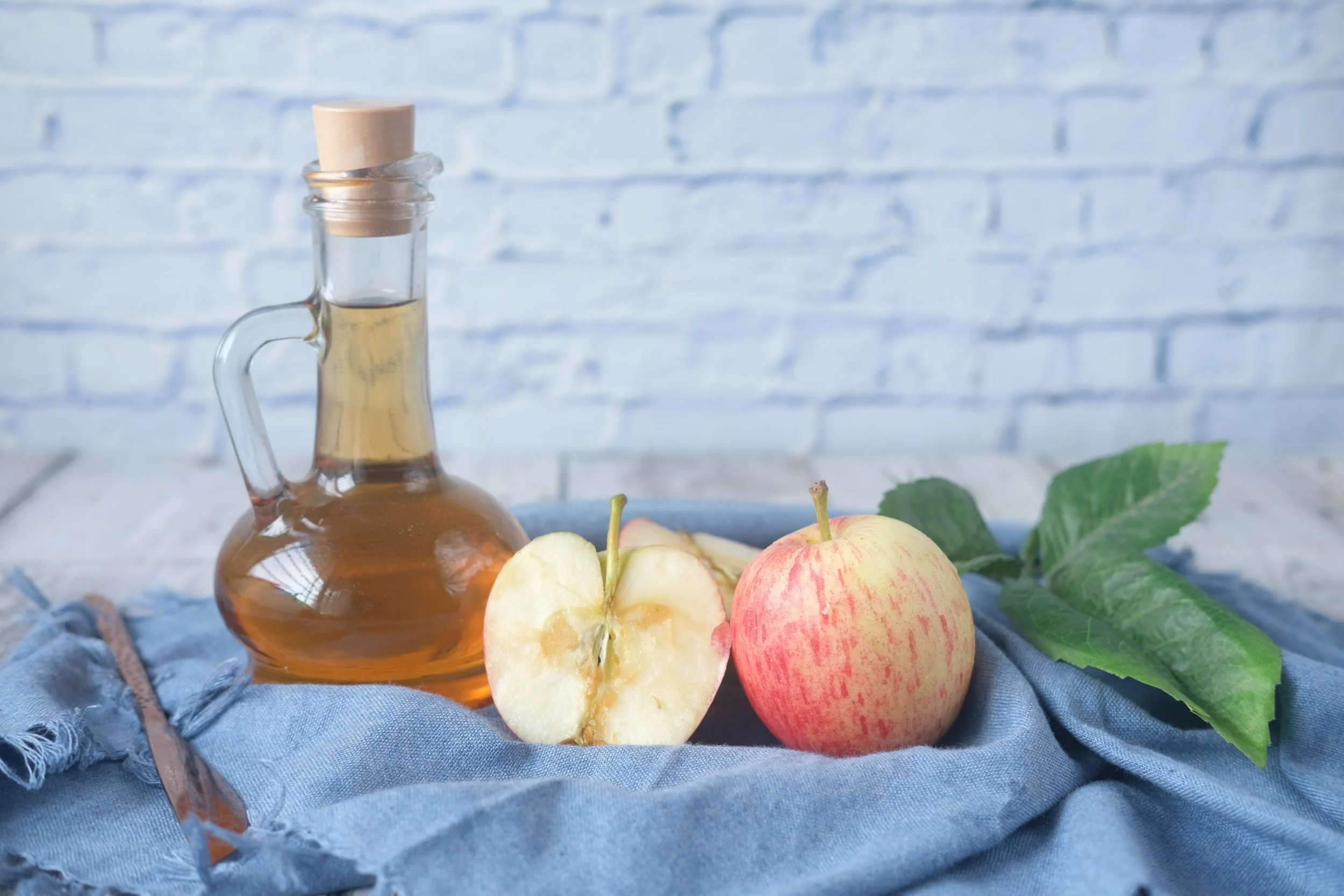
Vinegar picture provided by Towfiqu barbhuiya available at https://unsplash.com/photos/qxApfY4fGG4
Azijn continue meta-analyse - WIP
Eindhoven
Datum van publicatie eerste versie: 28 maart 2022 | 12022_03-28 New Human Era NHE
Datum van publicatie laatste versie: 21 april 2022 | 12022_04-21 New Human Era NHE
Auteur: Rody Mens - r.w.mens@student.tue.nl
Samengesteld voor Nutritionfactsnederlands.nl, hetgeen een website is gewijd aan het onderzoek naar de impact van voeding op de gezondheid, gestart op de bevindingen van Dr. Michael Herschel Greger.
Citatie: Mens RW. 28 March 2022. Mens RW. 28 March 2022. Vinegar continual meta-analysis; www.nutritionfactsnederlands.nl/videoscript/2022/3/6/azijn-alomvattend-artikel ; https://www.researchgate.net/publication/359050175_Vinegar_continual_meta-analysis
Enkele kernwoorden: Vinegar, acetic acid, insulin, blood sugar spike, diabetic, diabetes, overweight, weight, glycemic index, sugar, whole, balsamic vinegar, aceto balsamico, acetate, AcOH, azijn, omega-3, nitric oxide, olive oil, CT-scan, CT, superficial fat, visceral fat, total body fat, AMP-activated protein kinase, AMPK, sugar, suiker, weight gain, BMI, artery, blood vessel, clinical, saturated fat
Samenvatting: Statistisch normale culinaire doseringen van de verdunde oplossing van azijnzuur genaamd azijn (en expliciet niet de bepaalde soorten schoonmaakazijn) zijn mogelijk bruikbaar als voeding voor het cardiovasculaire systeem.
Azijn afbeelding verkregen via Towfiqu barbhuiya beschikbaar op https://unsplash.com/photos/qxApfY4fGG4
Vrijwaring
Mijn vrijwaring op de service die mijn (wettelijke) aansprakelijkheid beperkt en daarmee de gebruiksvoorwaarden vaststelt voor de mate van mijn steun voor uw gebruik van de verstrekte informatie, welke vrijwaring ik heb geschreven om eventuele verkeerde interpretatie vooraf te dekken, of (exclusief of) validiteit in termen van onjuistheid of (inclusief of) onvolledigheid, onvolledigheid vanwege een lagere nauwkeurigheid terwijl ze een hoge precisie hebben, van uitspraken die datgeen zouden kunnen bevatten dat als waardevolle informatie kan worden beschouwd, die informatie die ik zo zorgvuldig als ik momenteel mogelijk kan samengesteld (aangezien ik deze bestanden blijf ontwikkelen, onderhouden en gebruiken om zowel de nauwkeurigheid als de precisie van de informatie te blijven verbeteren) en dus redelijkerwijs als betrouwbaar kan worden beschouwd door het gebruik van deze dergelijke specifiek geformuleerde verklaringen, luidt als volgt:
De informatie die volgt, hoewel zo zorgvuldig als ik momenteel mogelijk kan samengesteld, en dus redelijkerwijs als betrouwbaar kan worden beschouwd, is geschreven of (inclusief of) samengesteld door Rody Wick Mens en verstrekt dus gedeeld met de beste en meest eerlijke bedoelingen in het achterhoofd en daardoor betrouwbaar blijvend, is altijd nog steeds beperkt tot de persoonlijke interpretatie van de schrijver op dat moment, om welke reden het mogelijk in uw land van verblijf waarschijnlijk alleen te gebruiken is voor educatieve doeleinden en niet wettelijk gedefinieerd als "medisch advies" om welke reden geen aansprakelijkheid voor de interpretatie ervan, juistheid en volledigheid kan worden verleend aangezien ik wil benadrukken dat ik alleen verantwoordelijkheid neem, maar zonder wettelijke aansprakelijkheid, voor de uitspraken in wetenschappelijke artikelen over experimenteel onderzoek die ik expliciet zelf gedaan en gepubliceerd heb en terecht beschouw dat de interpretatie, juistheid en volledigheid van informatie die andere onderzoekers publiceren hun verantwoordelijkheid zonder wettelijke aansprakelijkheid is, hetgeen ook mijn integriteit bewaakt door met absolute wettige onafhankelijkheid de schrijver verdedigd en schadeloos stelt van alle schadeclaims en zo de lezer verantwoordelijk te houden voor zijn daden op basis van de verstrekte, aldus gedeelde informatie, aangezien het gebruik van deze informatie dus erkenning en aanvaarding van de geschriften beperkingen inhoudt die het gebruik ervan uitsluitend op eigen risico van de gebruiker stellen, aangezien de verstrekte informatie wordt verstrekt "zoals ze is" zonder verklaringen, garanties, voorwaarden en vrijwaringen van welke aard dan ook, expliciet of impliciet, en het daarom beter kan worden geadviseerd om altijd contact op te nemen met en het raadplegen van een arts die wettelijk gebonden is om een professionele zorgverlener te zijn, welke arts waarschijnlijk ook door de overheid gemonopoliseerde wettelijke aansprakelijkheid heeft in uw land van verblijf, voordat u grote veranderingen aanbrengt in uw levensstijl, zoals veranderingen in dieet, lichaamsbeweging of (inclusief of) aanpassing van doseringen van aanvullende middelen (e.g., middelen waarvan veel mensen die middelen een ‘farmaceutisch middel’, ‘farmakon’, ‘medicijn’, ‘medicatie’, ‘drug, ‘remedie’ en ‘nutraceutica’ noemen, van welke categorie middelen ik denk dat mensen moeten oppassen voor mogelijke negatieve complicaties als gevolg van interacties met andere in persoonlijk gebruik genomen middelen) routine zodat de arts een persoon kan helpen met de overweging om veranderingen in levensstijl door te voeren die een persoon in hun persoonlijke specifieke situatie zou kunnen helpen, rekening houdend met de individuele lichamelijke condities, hetgeen betekent dat de verstrekte informatie niet bedoeld of geïmpliceerd is als een vervanging is voor wettelijk gedefinieerd "professioneel medisch advies", "professionele medische diagnose" of "professionele medische behandeling", en dat de informatie alleen bedoeld is om de informatie-uitwisselingsrelatie tussen artsen en patiënten aan te vullen, zonder de bedoeling, implicering noch de indruk te wekken een vervanging te zijn voor, omdat het geen wettig standbare arts-patiëntrelatie vormt, omdat ik denk dat het belangrijk is dat als en wanneer het absoluut noodzakelijk is, aangezien zieke mensen degenen moeten zijn die artsen bezoeken en vermoedelijk gezonde mensen niet (ermee rekening houdend dat ik het woord arts hier gebruik in een wettige, door de overheid gemonopoliseerde context en dus niet onderzoekers bedoel die mensen zou kunnen adviseren over preventieve gezondheidszorg, en ook omdat de meeste grote gezondheidsorganisaties het erover eens zijn dat er een risico bestaat op ernstige schade voor mensen bij het aangaan van een regelmatige arts-patiëntrelatie, en alle grote gezondheidsorganisaties zijn overeengekomen dat routinematige jaarlijkse controles voor gezonde volwassenen gestopt zouden moeten worden vanwege de reden dat het aangaan van een relatie met een arts de deur opent voor mensen om een actieve patiënt te worden, hoe vaker ze hun arts zien, hoe groter de kans dat iemand wordt getest, hetgeen op zijn beurt weer leidt tot de grotere kans dat mensen worden voor beter of (exclusief of) slechter worden behandeld, welke toename van behandelingen het gevolg is van perverse prikkels die ontstaan in een met een vrijemarktsituatie vergelijken relatief laag competitief gemonopoliseerd gezondheidszorgsysteem van de overheid, en hoewel het op het eerste gezicht een goed idee lijkt, is een langdurige bekendheid met een patiënt zelden nodig om uitstekende zorg te verlenen in tijden van behoefte in een door de overheid gemonopoliseerd gezondheidszorgsysteem, maar in het geval van een voortdurend op vrije markt gebaseerde, op concurrentie gebaseerde verbetering van de gezondheidszorgsituatie, kan het zeker worden aanbevolen om hulp te zoeken bij een vertrouwde persoonlijke arts, omdat het ontwikkelen van een partnerschap met goede communicatie gericht op het verbeteren van de kwaliteit en tijd- hoeveelheid van je leven en dat in het geval dat je jezelf en degenen die je dierbaar zijn de best beschikbare persoonlijke behandeling wilt laten krijgen, hetgeen iets is dat ik denk dat iedereen zou moeten willen en welke prestatie de uren die nodig zijn om dit te bereiken het waarschijnlijk zeer zeker waard zijn), mensen diensten zoeken zoals het inwinnen van advies van een arts die hun lichamelijke conditie zou kunnen controleren tijdens het ondergaan van een voor de gezondheid significante levensstijl veranderingen en dus samenwerken, eventueel naar hetzelfde doel, in welke gesprekken ik het kan beamen en mensen kan aanmoedigen om artsen vragen te stellen over hun lichamelijke gesteldheid en de mogelijk effecten van deze veranderingen, waaronder bijvoorbeeld een relatief grote verandering in de voedingspraktijk, in welke gesprekken ik van mening ben dat artsen uw levensstijlkeuzes moeten accepteren (niet noodzakelijkerwijs respecteren) en niet moeten proberen deze te ondermijnen, zoals in het geval dat een bepaalde arts slechte gewoonten heeft dat er niet toe zouden moeten leiden dat die bepaalde arts ongezonde aanbevelingen geeft, en men zou op zoek moeten gaan naar een arts die oprecht geïnteresseerd is in en actief aanmoedigt dat iemand gezond word door betere zelfzorg doordat diegene meer actief betrokken wordt bij zijn eigen gezondheidszorg, waarvan dit ook artsen zijn die zeer goed geïnformeerd zijn en voortdurend leren over de zorg van een mens die bereid en in staat zijn om iemands huidige toestand en de mogelijke maatregelen die men kan nemen om zijn problemen te testen en te behandelen, en iemand die zich bewust inspant om het gebruik van medicijnen en operaties te vermijden en deze enkel als allerlaatste redmiddel gebruikt, en heeft een advocatiefunctie voor u als patiënt die bereid is om de patiënt de beste zorg te bieden in contact met specialisten in plaats van alleen maar de patiënt naar de specialistische zorg over te dragen, en is voorstander van het vragen van een tweede mening van andere artsen en onderzoekers (men zou moeten horen over alle beschikbare opties, samen met hun kosten, risico's en voordelen; en men moet bedenken dat men als patiënt de zorgconsument is en dus de klant welk gegeven betekent dat diegene altijd het laatste woord moet hebben bij alle beslissingen en dus ook het recht moet hebben om gewoon "nee" te zeggen, en dus mogelijk weigert de door een arts concluderende aanbevelingen te accepteren, maar niet noodzakelijkerwijs het gegeven advies negeert (e.g., over toezicht, toestemming en recept), aangezien de informatie moet worden gebruikt om een breder beeld van het informatielandschap samen te stellen (negeer nooit professioneel medisch advies of (inclusief of) uitstel bij het zoeken ervan vanwege iets dat u in de teksten van de schrijvers leest; welke weigeringen zouden kunnen optreden wanneer een arts de klant niet voldoende overtuigende argumenten geeft, hetgeen zou kunnen betekenen dat de argumenten van de arts intern onjuist zijn), hetgeen mij tot het punt brengt dat alles in mijn geschriften dat als een mening kan worden gecategoriseerd, zal moeten worden beschouwd als mijn en dus enkel de persoonlijke mening van de schrijver.
Artikel: Azijn [Sources below]
Statistisch normale culinaire doseringen van de verdunde oplossing van azijnzuur (AcOH, dat wordt verwerkt om acetaat te vormen in onze menselijke dierlijke maag) genaamd azijn (en expliciet niet de bepaalde soorten schoonmaakazijn, en ook geen azijntabletten, dat azijn is waarbij het water is verdampt, omdat die slokdarmverbrandingen kunnen veroorzaken [34]) is mogelijk bruikbaar voor:
> Het is mogelijk bruikbaar als voeding voor het cardiovasculaire systeem, want bij het onderzoeken of azijn het menselijk lichaam kan helpen bij het beheersen van de bloedsuikerspiegel, bleek uit een dubbelblinde, placebo-gecontroleerde, gerandomiseerde studie dat het lichaamsgewicht en buikvet significant werden verminderd door slechts 1 (een) enkele eetlepel azijn toe te voegen aan de dagelijkse voeding [1]. Maar in deze studie is dit het effect dat geobserveerd wordt bij mensen met overgewicht, dus ook moet worden onderzocht of er enig voordeel is voor azijnconsumptie bij mensen die geen overgewicht hebben. Bij personen zonder overgewicht normaliseerden daarna hun triglyceriden, en bij een dagelijkse dosis azijn van 2 (twee) eetlepels werd een daling van de bloeddruk waargenomen, maar die effecten waren mogelijk het gevolg van het aanvankelijke gewichtsverlies [1].
Het kan nuttig zijn om de effecten op de controle van de bloedsuikerspiegel te onderzoeken, omdat azijn een gunstig effect kan hebben op personen met een normaal gewicht die azijn gebruiken (bijvoorbeeld door azijn over salades te sprenkelen) [2]. Als je mensen ½ (een half) kopje tafelsuiker geeft, dan stijgt hun bloedsuikerspiegel en kan hun slagaderfunctie verslechteren en geldt de relatie dat des te hoger de bloedsuikerspiegel, des te meer hun slagaders beschadigd raken [3]. Er is echter een medicijn dat de suikeropname kan blokkeren, en door de bloedsuikerspiegel met het medicijn af te zwakken en dus kan deze arteriële disfunctie veroorzaakt door de bloedsuikerspiegel door het gebruik van dit middel worden voorkomen, hetgeen laat zien dat het waarschijnlijk goed voor je hart is als het geen grote bloedsuikerspiegelstijging na maaltijden ervaart [3]. En inderdaad, de mate van de hoogte van de piek van de bloedsuikerspiegel na een maaltijd is een voorspeller voor sterfte door hart- en vaatziekten in menselijke wezens [4], hetgeen in lijn is met het idee dat mensen die veel voedingsmiddelen met een hoge glycemische index eten, e.g., geraffineerde graan suikerhoudend voedsel, meer hartaanvallen en beroertes hebben [5] en dat ze meer kans lijken te hebben om diabetes type 2 ziektediagnoses te krijgen [6]. Maar het kan ook zo zijn dat mensen die veel ongezonde geraffineerde granen suikerhoudende voedingsmiddelen eten (zoals "Frosted Flakes" en "Wonder Bread") misschien ook andere slechte voedingsgewoonten hebben, hetgeen dan in plaats daarvan de oorzaak van de cardiovasculaire problemen zou kunnen zijn en dus in plaats van de hoge glycemische index geraffineerde granen suikerhoudende voedingsmiddelen.
De diëten die op de proef zijn gesteld in gerandomiseerde gecontroleerde onderzoeken en waarvan is bewezen dat ze diabetes type 2 voorkomen, zijn degenen die zich richten op het verminderen van verzadigd vet en het verhogen van de consumptie van vezelrijk, volledig product plantaardig voedsel, zoals fruit, groenten en volle granen, en dit zelfs zonder specifieke aandacht te geven aan lagere en hogere glycemische ladingen [7].
Het medicijn is echter op de proef gesteld [3] en het afzwakken van de bloedsuikerspiegel tijdens de maaltijd lijkt het risico op het ontwikkelen van diabetes type 2 te verminderen [8], evenals het risico op hartaanvallen en hoge bloeddruk [9]. Kijkend naar of er een manier is om deze bloedsuikerpieken te voorkomen zonder medicijnen te nemen, kan dit resulteren in dat een manier zou zijn om dus gewoon geen ½ (een half) kopje suiker te eten. Ja, het medicijn kan de progressie van atherosclerose vertragen in de zin van het verlagen van de snelheid van atherosclerotische vernauwing van de slagaders die naar de vernauwing van de hersenen gaan [10], maar het zou beter zijn om een dieet te volgen dat in staat is om hartaandoeningen om te keren en diabetes type 2 om te keren, en welk dieet het gezondst is om maaltijdgerelateerde bloedsuiker- en vetpieken, oxidatie en ontsteking te voorkomen, is een dieet is dat is gecentreerd rond relatief onbewerkt plantaardig voedsel [11].
Maar als je echt iets als een bagel wilt eten, dan kan het erop smeren van wat amandelboter de bloedsuikerspiegel van geraffineerde koolhydraten helpen te verminderen [11] en een andere optie is om je stokbrood in wat (balsamico)azijn te dopen, in plaats van drugs te gebruiken [11].
De consumptie van azijn bij de maaltijden werd kennelijk al gebruikt als huismiddeltje tegen diabetes type 2 voordat er medicijnen kwamen [11], maar werd pas in 1988 op de proef gesteld [12] omdat er immers niet veel geld verdiend kan worden aan de gunstige effecten van azijn, zeker in vergelijking met diabetesmedicijnen zoals rezulin, die miljarden dollars kunnen opleveren [13], voordat het van de markt werd gehaald omdat het te veel mensen doodde door hun lever af te knellen [13]. Het farmaceutisch bedrijf speelde het spelletje als een echte bandiet nog steeds klaar met een goede winst en hoefde minder dan een miljard dollar uit te betalen aan de rouwende families voor het verbergen van het gevaar [14].
Gelukkig krijgen we geen leverfalen van een bagel met pindakaas, in welk geval pindakaas de bloedsuikerrespons met ongeveer 50 [%] halveert [15], en hetzelfde is het geval met azijn [15]. Als je ongeveer 4 (vier) theelepels (appelcider)azijn in water verdund en naar binnen slurpt, dan krijg je diezelfde afstomping van de piek en krijg je een bijkomend voordeel ten opzichte van de pinda's in het verlagen van het insulinegehalte in het bloed, een effect hetgeen pindakaas blijkbaar niet teweeg kan brengen en azijn wel [15]. Maar dat is vermoedelijk beter dan een bagel met lox, want vis veroorzaakt een driedubbele insulinerespons [16]. Of rode wijn, die ook het insulinegehalte verhoogt, maar niet zo veel als vis, en de rode wijn schiet ook triglyceriden omhoog, hoewel gedealcoholiseerde niet-alcoholische rode wijn datzelfde probleem niet geeft [17]. Als we nog eens naar azijn kijken, kan niet alleen slechts 1 (één) eetlepel per dag de cholesterol en triglyceriden in de loop van de tijd verbeteren [18], maar azijn kan ook triglyceriden binnen een uur na een maaltijd verlagen, samen met het verlagen van de bloedsuikers en het verlagen van de insuline spike, en dus zodat azijn mogelijk het beste van alle werelden biedt in vergelijking met andere producten waaronder medicijnen [19].
Verder, kijkend naar de werking van azijn en slagaders, was er een relatief beroemde studie van Harvard, gepubliceerd in 1999, waaruit bleek dat vrouwen die ongeveer elke dag olie-en-azijn saladedressing gebruikten, minder dan de helft aan dodelijke hartaanvallen kregen vergeleken met vrouwen die het bijna nooit gebruikten en dus minder dan 50 [%] (de helft) aan het risico hebben van het doodgaan aan de #1 moordenaar van vrouwen [20]. De onderzoekers dachten dat het zeer waarschijnlijk was dat de omega 3-vetzuren die in de olie aanwezig waren het voordeel verklaarden [20]. Je zou kunnen denken dat degenen die elke dag saladedressing gebruiken, waarschijnlijk ook elke dag salade eten [20]. Maar nee, ze konden de groente-inname eruit filteren, dus het bleek niet de salade te zijn [20]. Maar het wordt eigenlijk niet duidelijk waarom de olie door de onderzoekers de eer krijgt en niet de azijn [20]. Om dat te testen werd er een romige saladedressing gebruikt die ook gemaakt was van omega-3-rijke oliën zoals canola, en in feite zelfs meer omega-3's bevatte dan olie- en azijndressing [20]. Dus als het effect van de olie komt en niet van de azijn, dan zou de romige dressing ook beschermend en mogelijk nog meer beschermend zijn [20]. Maar de onderzoekers ontdekten dat dit niet het geval is, omdat ze geen significante afname van fatale hartaanvallen en niet-fatale hartaanvallen vonden [20]. Nu kunnen het de eieren of (inclusief of) het botervet zijn die de voordelen van de omega-3's tegenwerken, maar misschien is het het geval dat de azijn een rol speelt [20] en dat mogelijk via het werkingsmechanisme waarbij azijninname de door de stroming gemedieerde vasodilatatie verbetert via opregulatie van endotheliale stikstofmonoxidesynthase-activiteit, en dus met andere woorden, azijn verbetert de arteriële functie door onze slagaders op gezonde wijze beter te laten verwijden door de activiteit te stimuleren van het enzym in ons lichaam dat stikstofmonoxide synthetiseert en dat het "open sesam" -signaal naar onze slagaders geeft dat de doorbloeding verbetert [21].
Acetaat is binnen een ½ (een half) uur na het nuttigen van een salade met 1 (één) eetlepel azijn erin uit je bloed verwijderd door verwerking in het lichaam [22], hetgeen blijkbaar niet genoeg is om het AMPK-enzym [21] te stimuleren, maar binnen slechts tien minuten kunnen dat soort acetaatniveaus de activiteit van het stikstofoxidesynthetiserende enzym binnenin menselijke navelstrengbloedvatcellen in vitro in een petrischaaltje stimuleren [21]. Maar we zijn geïnteresseerd in hetgeen in vivo bij mensen gebeurt, dus maten de onderzoekers de verwijding van slagaders in de armen van vrouwen nadat ze 1 (een) eetlepel rijstazijn, 1 (een) eetlepel bruine rijstazijn of (exclusief of) 1 (een) eetlepel zogenoemd “verboden rijstazijn”, oftewel hetgeen azijn is dat gemaakt is van zwarte of (exclusieve of) paarse rijst [21]. Alle bovengenoemde soorten van azijnen leken te helpen, maar het was de zwarte rijst die zich meestal duidelijk liet zien als behulpzaam [21].
Zwarte rijst bevat dezelfde soort anthocyaninepigmenten die sommige groenten en fruit blauw en paars maken en kunnen onafhankelijke voordelen hebben [21]. Als je iemand bijvoorbeeld een grote bosbessensmoothie geeft met het aantal anthocyanines in 3/2 kopje (anderhalve kop) wilde bosbessen, krijg je een mooie piek in de verbetering van de arteriële functie die een paar uur aanhoudt [23]. Zo kan de hogere maximale bloedstroom in de onderarm in de groep die de “verboden rijstazijn” teweegbrengt mogelijk worden toegeschreven als een bijkomend effect of (exclusief of) als synergetisch effect van anthocyanine met het acetaat [21]. Maar het kan ook gewoon de antioxiderende kracht van anthocyanines zijn [21], in welk geval balsamicoazijn (ook wel "aceto balsamico" genoemd), azijn dat gemaakt is van rode wijn, een soortgelijk effect kan hebben, omdat het opmerkelijk hogere activiteit van vrije radicalen teweeg kan brengen wanneer in vergelijking gesteld met rijstazijn [24].
Als we kijken of dit voldoende zal zijn om de adervernauwende effecten van een vetrijke maaltijd tegen te gaan [25], dan was het in de literatuur al bijna 20 jaar bekend dat een enkele vetrijke maaltijd, e.g., worst en Egg McMuffins met gefrituurde hash browns, onze slagaderfunctie kan verlammen, waardoor het vermogen van onze slagaders om zich gewoonlijk te verwijden met 50 [%] wordt gehalveerd binnen enkele uren nadat het in onze mond is gegaan, vergeleken met Frosted Flakes, hetgeen betekent dat er zelfs met die enorme, ongezonde hoeveelheid suiker geen effect bij het verwijden van de slagaders werd vastgesteld omdat er geen "slecht" vet was zoals verzadigd vet [26]. En niet alleen dierlijk vet, want ¼ (een kwart) kopje saffloerolie had een soortgelijk effect [27]. Misschien wel de allereerste studie om aan te tonen hoe slecht vet was voor onze bloedvaten, druppelde in feite zeer geraffineerde sojaolie in de aderen van mensen [28] en zelfs ondanks dat extra vergine olijfolie niet geraffineerd wordt [25]. Het is in de literatuur bekend dat sommige volledige voedselbronnen van plantaardig vet, zoals noten, de slagaderfunctie daadwerkelijk verbeteren, terwijl oliën, waaronder olijfolie, de functie verslechteren, maar de onderzoekers specificeerden hier niet extra vierge [29]. Je kunt de fytonutriënten die nog in extra vierge olijfolie achterblijven zien, ruiken en proeven, maar als je kijkt of ze voldoende zijn om de arteriële functie te behouden, was dit helaas niet het geval aangezien een significante daling van de slagaderfunctie binnen 3 (drie) uur na het eten volkorenbrood gedrenkt in extra vierge olijfolie werd waargenomen waarbij gold dat hoe meer vet in hun bloed, hoe slechter hun slagaders functioneerden [25].
Maar als je kijkt naar hetgeen er gebeurt als je dezelfde maaltijd eet maar balsamicoazijn toevoegt aan een salade, dan lijkt dat de bloedvaten te beschermen tegen de effecten van het vet [25]. Nou, balsamicoazijn is een product van rode wijn, dus men zou de vraag kunnen stellen of u dezelfde voordelen zou krijgen door alleen een glas rode wijn te drinken, waarop het antwoord nee is omdat er geen verbetering van de arteriële functie wordt waargenomen na de consumptie van rode wijn [30]. Waarom balsamico-azijn wel werkt, maar rode wijn niet, kan zijn omdat de rode wijn de voordelen van het azijnzuur in azijn mist of (inclusief of) misschien is het omdat de azijn de negatieve effecten van de alcohol mist, en een derde optie zou kunnen zijn zij het dat het de salade-ingrediënten waren en dat het dus niets met de azijn zelf te maken had. Om deze puzzel op te lossen, hoef je enkel slects alcoholvrije wijn te testen, en alcoholvrije rode wijn werkte [30], dus misschien waren het de druiven in balsamicoazijn en dus niet het azijnzuur. En inderdaad, als je 5/4 kopje (een kopje en een kwart) zaad bevattende en pitloze rode, groene en blauwzwarte druiven eet met je Worst en Egg McMuffin, dan kun je de verlamming van je slagaders verminderen [31]. Planten en hun producten kunnen dus bescherming bieden tegen de directe aantasting van de endotheel functie, tenzij die producten olie of (inclusief of) alcohol zijn of (exclusieve of) bevatten [25].
> Het is mogelijk bruikbaar als voeding voor het cardiovasculaire systeem, want bij het onderzoeken naar of azijn het menselijk lichaam kan helpen bij het afvallen, kunnen enkele interessante conclusies worden getrokken. Azijn wordt blijkbaar al bijna 200 jaar gebruikt als hulpmiddel bij het afvallen [2], maar dat het zo lang wordt gebruikt, levert geen bewijs dat het echt werkt, het geeft enkel aan dat er indicatie is dat het mogelijk zou kunnen werken. Net als hete chilisaus kan het een bijna calorievrije manier zijn om voedsel op smaak te brengen, en er zijn tegenwoordig allerlei smakelijke exotische azijnen, zoals vijgen, perzik en granaatappel, om uit te kiezen, maar dat daar gelaten, de vraag is of er is iets speciaals aan azijn dat helpt bij het afvallen [2].
Azijn is gewoon een verdunde oplossing van azijnzuur, die energie nodig heeft voor ons lichaam om te metaboliseren, waarbij een enzym wordt geactiveerd dat AMP-geactiveerde proteïnekinase AMPK wordt genoemd, dat wat wegheeft van het een beetje zijn van de brandstofmeter van ons lichaam. Als het detecteert dat we een laag niveau aan brandstof hebben, verhoogt AMPK de energieproductie en vertelt AMPK het lichaam om te stoppen met het opslaan van vet en te beginnen met het verbranden van vet [32]. En dus, gezien de zogenaamde maatschappelijke obesitas-epidemieën, is het van cruciaal belang dat orale verbindingen met een hoge biologische beschikbaarheid worden gebruikt om veilig chronische AMPK-enzymactivering te induceren, hetgeen mogelijk gunstig zou zijn voor gewichtsverlies op de lange termijn [33]. Het is echter niet nodig om zo'n verbinding als medicijn te ontwikkelen als je het ook gewoon in een supermarkt kunt kopen [32]. Het is bekend in de literatuur dat azijn AMPK kan activeren in menselijke cellen, maar er moet worden gekeken of de doseringen die men zou kunnen krijgen, voldoende zou zijn bij een hoeveelheid aan azijn dat gewoonlijks op een salade wordt besprenkelend.
Als je endotheliale bloedvatbekledingscellen uit de navelstreng haalt nadat baby's zijn geboren en ze blootstelt aan verschillende niveaus van acetaat, hetgeen het azijnzuur in azijn in onze maag is, lijkt het een concentratie van ten minste 100 [micro mol/L] te kosten om een echte significant merkbare een flinke boost in AMPK te krijgen [21]. Als je ongeveer 1 (één) eetlepel azijn op je salade schenkt, bereikt de hoeveelheid acetaat die je in je bloedbaan krijgt 100 [micromol/L], maar slechts voor ongeveer 15 [minuten] [22]. En zelfs bij die concentratie lijkt blootstelling van 10 of 20 minuten niet veel te doen [23]. Toegegeven, dit is in vitro in een petrischaal, maar we hadden geen gegevens van klinische onderzoeken totdat de resultaten van een dubbelblind onderzoek naar de effecten van azijninname op de vermindering van lichaamsvet bij mannen en vrouwen met overgewicht werden gepubliceerd [1]. De onderzoekers noemen de participanten zwaarlijvig, maar ze waren eigenlijk slanker dan de gemiddelde Amerikaan. In Japan noemen ze alles boven een BMI van 25 zwaarlijvig, terwijl de gemiddelde Amerikaanse volwassene een BMI heeft van ongeveer 28,6. Maar hoe dan ook, ze namen ongeveer 150 personen met overgewicht en verdeelden ze willekeurig in een van de 3 (drie) groepen, een relatief hoge dosis azijngroep waarbij de deelnemers een drankje dronken met 2 (twee) eetlepels appelciderazijn per dag of (exclusieve of) een relatief lage dosisgroep waar deelnemers een drankje dronken dat slechts 1 (één) eetlepel appelciderazijn per dag bevat, en daarnaast was er een placebo-controlegroep waar ze hen een zure drank lieten drinken die ze ontwikkelden om hetzelfde te smaken als de azijndrank maar met een andere soort zuur zodat het niet de actieve component azijnzuur bevatte [1].
Verder gen andere veranderingen in hun dieet of lichaamsbeweging, sterker nog, ze hielden hun dieet in de gaten en gaven alle participanten stappentellers zodat ze ervoor konden zorgen dat het enige significante verschil tussen de 3 (drie) groepen de hoeveelheid azijn was die ze elke dag kregen [1]. Slechts binnen 1 (één) maand werden statistisch significante gewichtsdalingen in beide azijngroepen geobserveerd wanneer vergeleken met placebo, waarbij een relatief hogere dosis het beter deed dan een relatief lagere dosis, welke respons van het lichaam op de azijn zelfs maand na maand alleen maar beter werd [1]. In feite kwam nietsdoende placebogroep in maand 3 (drie) de zelfs aan in gewicht, zoals dat mensen met overgewicht geneigd zijn te doen en dus dat de conditie van hun lichaam verslechterde, terwijl de azijngroepen het gewicht van de mensen aanzienlijk lieten dalen [1]. Als we kijken of het resulterende gewichtsverlies echt significant was of alleen statistisch significant, dan is dat iets dat de lezer moet beslissen, in vergelijking met placebo daalde de groep met 2 (twee) eetlepels azijn per dag ongeveer 5 (vijf) pond (dat is ongeveer 2,3 [kg]) tegen het einde van de 12 weken. Dat klinkt misschien niet als veel, maar dat kregen ze voor een paar dollarcent of (exclusief of) eurocent per dag zonder verder iets uit hun dieet te schrappen [1].
En ze werden slanker, tot bijna een inch (dat is ongeveer 2,5 [cm]) in vermindering van de omtrek van hun middel, hetgeen suggereert dat ze buikvet aan het verliezen waren, maar de onderzoekers gingen een stap verder en stelden het op de proef [1]. Ze lieten de onderzoeksdeelnemers CT-scans van de buik ondergaan om daadwerkelijk direct de hoeveelheid vet voor en na in hun lichaam te meten [1]. Ze maten de hoeveelheid oppervlakkig vet, visceraal vet en totaal lichaamsvet [1]. Oppervlakkig vet is het vet onder je huid dat zorgt voor slappe armen en hetgeen is dat bijdraagt aan cellulitis, maar visceraal vet is de moordenaar, het vet dat zich ophoopt rond je interne organen en dat uit de buik puilt [1]. En dat is het soort vet dat de placebogroep aandeed komen toen ze in gewicht aankwamen, hetgeen dus niet goed is voor de gezondheid [1]. Maar zowel de relatief lage dosis als de relatief hoge dosis azijngroepen waren in staat om ongeveer een vierkante inch aan visceraal vet van die CT-scan gefotografeerde schijf te verwijderen [1].
Nu, zoals elke strategie voor gewichtsverlies, werkt het enkel als je het doet hetgeen ook bleek omdat een maand nadat ze waren gestopt met deze hoeveelheden en frequentie van azijn, het gewicht meteen terugkwam, maar dat is slechts een aanvullend bewijs dat de azijn werkte [1].
Een groep onderzoekers in het verenigd koninkrijk suggereerde een verklaring voor waarom azijn werkt, dit omdat ze concludeerden dat azijndranken vies zijn [35]. Ze maakten een zogenaamde “smakelijke drank” door een fruitige siroop en azijn in water te mengen en deden vervolgens hun best om een echt smerige, onsmakelijke azijndrank te maken [35]. Wittewijnazijn werd gebruikt in zowel de smakelijke als de nare drank [35]. De nare drank was zo onaangenaam dat de proefpersonen na het drinken zelfs misselijk werden, dus aten ze minder van de maaltijd die de onderzoekers hen bij de drank gaven [35]. Dus volgens deze onderzoekers helpt azijn bij zowel de eetlustbeheersing als de voedselinname, hoewel deze effecten grotendeels te wijten zijn aan de fruitige azijnbrouwsels die gevoelens van misselijkheid oproepen [35]. Dus, is dat wat er werkelijk aan de hand was in de studie over Japanners, aten de azijngroepen gewoon minder? Nee, de azijngroepen aten ongeveer hetzelfde als placebo [1]. Hetzelfde dieet, meer gewichtsverlies, misschien dankzij de invloed van azijnzuur op AMPK [1].
Nu is het wel zo dat de CT-scans maken dit een zeer dure studie; dus we kunnen eigenlijk niet verrast zijn dat de studie werd gefinancierd door een bedrijf dat azijn verkoopt, hetgeen goed is, omdat we anders deze verbazingwekkende gegevens niet zouden hebben, maar het is ook slecht omdat je je altijd afvraagt of de financieringsbron de resultaten op de een of andere manier heeft gemanipuleerd [1]. Maar het leuke van bedrijven die studies over gezond voedsel financieren, of het nu een kiwibedrijf is, of (exclusief of) de National Watermelon Promotion Board watermelon.org, is dat we ons kunnen afvragen wat het ergste is dat er kan gebeuren bij het consumeren van gezond eten. Hier, bijvoorbeeld, zelfs als de bevindingen vals blijken te zijn, dan zou in het ergste van het ergste geval je salade gewoon lekkerder zijn.
Bronreferenties
[1] Kondo T, Kishi M, Fushimi T, Ugajin S, Kaga T. Vinegar intake reduces body weight, body fat mass, and serum triglyceride levels in obese Japanese subjects. Biosci Biotechnol Biochem. 2009 Aug;73(8):1837-43. doi: 10.1271/bbb.90231. Epub 2009 Aug 7. PMID: 19661687. https://pubmed.ncbi.nlm.nih.gov/19661687/ ; https://www.jstage.jst.go.jp/article/bbb/73/8/73_90231/_article ; https://academic.oup.com/bbb/article/73/8/1837/5947518?login=false ; https://watermark.silverchair.com/bbb1837.pdf?token=AQECAHi208BE49Ooan9kkhW_Ercy7Dm3ZL_9Cf3qfKAc485ysgAAAr0wggK5BgkqhkiG9w0BBwagggKqMIICpgIBADCCAp8GCSqGSIb3DQEHATAeBglghkgBZQMEAS4wEQQMHqSjLetLUMDdC-7vAgEQgIICcI0nHgmPkNlsZNE300ZMRVokHgUG3Sxzj831hBZSQdDRfAlIg7-6RoorOztg0dCZL_c8ashfgVWqriscXU9bQyRXqdnwRMnWTyeLQx6hYOYS3gISy423o1tebx84QP6mdUnWME90KbDRAKm3c6og4epfMkzWP49a2xGlYHVy-_EGJFOxvvu6NC6pOz6sKMeknjQGpQHPACzi_DTSQ2EXfpzKlhTs2emfN3nbzHPH47mFKIsZGB4V_2wz_oMXn3TKsYifJh9PuuGUp-9w5EpFQKW9btC_YVDxGBUNllpApyf4iwc71RCUvyqzazYwQp4CUT8GIFdzoVqr8jcInDyTIXO8rBZmiTPlLCTlFHEx7A-R4DxKoY0AFxPB_KSB7z0U6kr_JN4fIZvdgS2y2wKKU3nU-HcW_749zjErBtY-grgpuFlu3C90_z6bdt5XmnsV_butWYuoHJLkd1JtAe0ZqMeud74D4YbHs3lxkYivHvDDQ-qvnFxKFMELaO2zbh_bKy-AFUGcpgH9oAw-0ogq-kthnbhVu2XlC4Nqncxn1VzB7cwofsCjUSaK5xe9WtpIXBcjCQG5HSZV81PFmujC2QLDpuB6DAAm096UIPMq5uuZWHsQZFrMaA8Aqjqyvzz0cIGRD6RiU4pJTPeeQQAPIPLsxtGS5xOXUckak8K3hHVLxC9bKfARUlzIcSrEC9JQOa6S6G002qjLtc_25dojCDshT1Sl9bi_p7dgHHoJhl4lJ2rqywUbHVzZIXaSnlRjuMz-2tMsmjFghAZ3n7XL8bBNe6_D9deSoSSb8xG7NPeNvIWXJA9zIXwxaP_NGVdO1w ; https://www.jstage.jst.go.jp/article/bbb/73/8/73_90231/_pdf/-char/en
[2] Kohn JB. Is vinegar an effective treatment for glycemic control or weight loss? J Acad Nutr Diet. 2015 Jul;115(7):1188. doi: 10.1016/j.jand.2015.05.010. PMID: 26115563. https://pubmed.ncbi.nlm.nih.gov/26115563/ ; https://www.jandonline.org/article/S2212-2672(15)00547-X/fulltext ; https://www.jandonline.org/action/showPdf?pii=S2212-2672%2815%2900547-X
[3] Wascher TC, Schmoelzer I, Wiegratz A, Stuehlinger M, Mueller-Wieland D, Kotzka J, Enderle M. Reduction of postchallenge hyperglycaemia prevents acute endothelial dysfunction in subjects with impaired glucose tolerance. Eur J Clin Invest. 2005 Sep;35(9):551-7. doi: 10.1111/j.1365-2362.2005.01550.x. PMID: 16128861. https://pubmed.ncbi.nlm.nih.gov/16128861/ ; https://onlinelibrary.wiley.com/doi/10.1111/j.1365-2362.2005.01550.x ; https://onlinelibrary.wiley.com/doi/epdf/10.1111/j.1365-2362.2005.01550.x
[4] DECODE Study Group, the European Diabetes Epidemiology Group.. Glucose tolerance and cardiovascular mortality: comparison of fasting and 2-hour diagnostic criteria. Arch Intern Med. 2001 Feb 12;161(3):397-405. doi: 10.1001/archinte.161.3.397. PMID: 11176766. https://pubmed.ncbi.nlm.nih.gov/11176766/ ; https://jamanetwork.com/journals/jamainternalmedicine/fullarticle/647267
[5] Fan J, Song Y, Wang Y, Hui R, Zhang W. Dietary glycemic index, glycemic load, and risk of coronary heart disease, stroke, and stroke mortality: a systematic review with meta-analysis. PLoS One. 2012;7(12):e52182. doi: 10.1371/journal.pone.0052182. Epub 2012 Dec 20. PMID: 23284926; PMCID: PMC3527433. https://pubmed.ncbi.nlm.nih.gov/23284926/ ; https://journals.plos.org/plosone/article?id=10.1371/journal.pone.0052182 ; https://journals.plos.org/plosone/article/file?id=10.1371/journal.pone.0052182&type=printable ; https://www.ncbi.nlm.nih.gov/pmc/articles/PMC3527433/ ; https://www.ncbi.nlm.nih.gov/pmc/articles/PMC3527433/pdf/pone.0052182.pdf
[6] Livesey G, Taylor R, Livesey H, Liu S. Is there a dose-response relation of dietary glycemic load to risk of type 2 diabetes? Meta-analysis of prospective cohort studies. Am J Clin Nutr. 2013 Mar;97(3):584-96. doi: 10.3945/ajcn.112.041467. Epub 2013 Jan 30. PMID: 23364021; PMCID: PMC6443299. https://pubmed.ncbi.nlm.nih.gov/23364021/ ; https://academic.oup.com/ajcn/article/97/3/584/4571518?login=false ; https://www.ncbi.nlm.nih.gov/pmc/articles/PMC6443299/ ; https://watermark.silverchair.com/584.pdf?token=AQECAHi208BE49Ooan9kkhW_Ercy7Dm3ZL_9Cf3qfKAc485ysgAAAsAwggK8BgkqhkiG9w0BBwagggKtMIICqQIBADCCAqIGCSqGSIb3DQEHATAeBglghkgBZQMEAS4wEQQM4uiQ1D6gb6fCZiVEAgEQgIICcx78euyamvB5velnR2RWulWb2oakzQ3SyuK2ef7T13I2myIN4kPq4e08MF31IDgL6JQUJCYHzKpRF9cRZK1Wcl6DM0V-Ocp2nVqT1aptEE6r6fJk_bmD3FfbF7WeUWiZuEomtOvbtl2aPdjEZqUM6HeK_7vNc5Mh9iosDjtV8CN2vP35N9t9OfazVHhBcJ3IUAagdbKgmbDbOKOsvh3hlJDuGCWI9gH_mseD6qzOYcc89e7m_0k_FcmAh3GBEWbf_6gj5j3Fe7nF8wXQ3pEryGIAuu4xp4LyR5z4IfVcDYbDDMAhVFg5PNNLu_f3D7NWI8JPs7j9HUJdkBwnu9S0UcRmqV_jOtGpbIgR8oErZgDGu3hyo9QTwtrXVd6J824ie0ktiMDkRYeE3fFHgDcRE0t-UyuImJuMJCyqwRZBp8lfUshGwqLWgRSHZu8LsuDepAuQO-eAFXxDcXLOH4mLi3AlGmLgU5Q9xsC2SC-k0zmYR1dW1or_n25Ag_5OoeqSsVqyDT39uwxU9_z_Zxe9AfAQn1e36dHedgLQ-gpUdPU8xMYxyUTeR5t3hPJYtdnCxEYSHE32JHmIBeAcOGVihUxS76eit7dfJGmUXcEtnzHTNBXGsqjU8c_MQ9fMlSfFNS4rX69MWX4sBM9id5BR8rLZKaw-xDaF_CkCNXZ01zgjs6NOMPwjdHMOiT34faUGfPxgVwhznVByvGTr42_hiw0lHyhLz9tSINHv7TVO8QlJFUHAYojnR5dG7Fs_3u-aQHou-GkhZpJMAvUZKar-pmS-Ww4ZqrTrt-xa8KCeQ3g2g2kjyswc7QcbkroleXTVGudkFw ; https://www.ncbi.nlm.nih.gov/pmc/articles/PMC6443299/pdf/584.pdf
[7] Mann JI, Te Morenga L. Diet and diabetes revisited, yet again. Am J Clin Nutr. 2013 Mar;97(3):453-4. doi: 10.3945/ajcn.112.057547. Epub 2013 Jan 30. PMID: 23364020. https://pubmed.ncbi.nlm.nih.gov/23364020/ ; https://academic.oup.com/ajcn/article/97/3/453/4571503?login=false ; https://watermark.silverchair.com/453.pdf?token=AQECAHi208BE49Ooan9kkhW_Ercy7Dm3ZL_9Cf3qfKAc485ysgAAAsAwggK8BgkqhkiG9w0BBwagggKtMIICqQIBADCCAqIGCSqGSIb3DQEHATAeBglghkgBZQMEAS4wEQQMYNXZP61nLYTIuz2bAgEQgIICcybID1mix_LSbg5Zh81xfjx7fVoW_IkmrfH4h6zAr7njqIdqRlMG3AfQLIF1aqRdTOm_3B3CkcBFSJMG0B3sSCF6Lqs0yMgW1jjnI7T3eid3tgPDa76HmNAHyi0q1pNLbzW3gpK3voe2RyF-PrvxsKNzmx4Ur3TfRbkG3KnrfLksZAON0rE3zzuxZgz01RI7YmHiX1tCYE_BAs_IOLhrHpDTKqfqR3SH9_C3NWncRoRiATfO9OtkGgWcmRxGqPnXZaTZuMoCcddPwMjgj8plMchqaSGwz7KlCRDVguF1R25np_ns7briT6mTLK2uNg3t9LDNsGWY0K1WVvFRw-DxnL8J5KYdbO2m_n7BwB-Y1bXewelxadPvlF_vHVr34Ee-j1KED7cqtRbLyCD_O_0hftXqmTSFQmvkUAQjyTsXcJ4SbjX8pX_oTWmW0j1pA_5ygKsvKX-RBXX_TRIDBU5FJDgaASIYBzsDSQGcEuec1a90UwCsetaQGF-bTYDhHV4OBJ5T---q1fAdxQAOPTWw1T6aqw87KsiGyXZ5X6fg47P-5IVWsW_jP2f5CRv77bMEYbJnOtDDIXONFrW-l0dkPpSG_VF82thvHj1K9pYriK5B3OWFimk45R5ihlBQkPhsw6FkFUm-bSouiNK6pzCwIJzUpUqnzmXR6zmXDGNPe1QmIHET-KgnWbEvctQzrTaKMxjjVntTQtt9dT47DxnO7cQQGmxeJk3cZyra_ohykDxQ83zFkEfyUJzeS-1kASv-qLZGAY4V37FU2Trbsqzlx_TXaiclDwr0EvQcnd7oHUCmK6lHZatSb4rpnDNHWSI6WPsttg
[8] Chiasson JL, Josse RG, Gomis R, Hanefeld M, Karasik A, Laakso M; STOP-NIDDM Trail Research Group. Acarbose for prevention of type 2 diabetes mellitus: the STOP-NIDDM randomised trial. Lancet. 2002 Jun 15;359(9323):2072-7. doi: 10.1016/S0140-6736(02)08905-5. PMID: 12086760. https://pubmed.ncbi.nlm.nih.gov/12086760/ ; https://www.thelancet.com/journals/lancet/article/PIIS0140-6736(02)08905-5/fulltext
[9] Chiasson JL, Josse RG, Gomis R, Hanefeld M, Karasik A, Laakso M; STOP-NIDDM Trial Research Group. Acarbose treatment and the risk of cardiovascular disease and hypertension in patients with impaired glucose tolerance: the STOP-NIDDM trial. JAMA. 2003 Jul 23;290(4):486-94. doi: 10.1001/jama.290.4.486. PMID: 12876091. https://pubmed.ncbi.nlm.nih.gov/12876091/ ; https://jamanetwork.com/journals/jama/fullarticle/196993
[10] Hanefeld M, Chiasson JL, Koehler C, Henkel E, Schaper F, Temelkova-Kurktschiev T. Acarbose slows progression of intima-media thickness of the carotid arteries in subjects with impaired glucose tolerance. Stroke. 2004 May;35(5):1073-8. doi: 10.1161/01.STR.0000125864.01546.f2. Epub 2004 Apr 8. PMID: 15073402. https://pubmed.ncbi.nlm.nih.gov/15073402/ ; https://www.ahajournals.org/doi/10.1161/01.STR.0000125864.01546.f2?url_ver=Z39.88-2003&rfr_id=ori:rid:crossref.org&rfr_dat=cr_pub%20%200pubmed ; https://www.ahajournals.org/doi/epub/10.1161/01.STR.0000125864.01546.f2
[11] O'Keefe JH, Gheewala NM, O'Keefe JO. Dietary strategies for improving post-prandial glucose, lipids, inflammation, and cardiovascular health. J Am Coll Cardiol. 2008 Jan 22;51(3):249-55. doi: 10.1016/j.jacc.2007.10.016. PMID: 18206731. https://pubmed.ncbi.nlm.nih.gov/18206731/ ; https://www.sciencedirect.com/science/article/pii/S0735109707034444?via%3Dihub ; https://reader.elsevier.com/reader/sd/pii/S0735109707034444?token=CAE0AE2DBBBB9C3F84FF5D997710CC12FCD8489743BBC434FE172ECCC08D8C9580DB9D5786A4999A46BBE36BED2571AA&originRegion=eu-west-1&originCreation=20220331131157
[12] K Ebihara, A Nakajima. Effect of acetic acid and vinegar on blood glucose and insulin responses to orally administered sucrose and starch. May 1988. https://agris.fao.org/agris-search/search.do?recordID=JP9000049 ; https://scholar.google.com/scholar_lookup?title=Effect+of+acetic+acid+and+vinegar+on+blood+glucose+and+insulin+responses+to+orally+administered+sucrose+and+starch&author=Ebihara%2C+K.+%28Ehime+Univ.%2C+Matsuyama+%28Japan%29.+Coll.+of+Agriculture%29&publication_year=1988 ; https://www.jstage.jst.go.jp/article/bbb1961/52/5/52_5_1311/_article/-char/ja/ ; https://www.jstage.jst.go.jp/article/bbb1961/52/5/52_5_1311/_pdf/-char/ja
[13] Gale EA. Lessons from the glitazones: a story of drug development. Lancet. 2001 Jun 9;357(9271):1870-5. doi: 10.1016/S0140-6736(00)04960-6. PMID: 11410214. https://pubmed.ncbi.nlm.nih.gov/11410214/ ; https://www.thelancet.com/journals/lancet/article/PIIS0140-6736(00)04960-6/fulltext
[14] Feeley, Jef (March 31, 2009). "Pfizer Ends Rezulin Cases With $205 Million to Spare". Bloomberg. Retrieved 6 April 2014.
[15] Johnston CS, Buller AJ. Vinegar and peanut products as complementary foods to reduce postprandial glycemia. J Am Diet Assoc. 2005 Dec;105(12):1939-42. doi: 10.1016/j.jada.2005.07.012. PMID: 16321601. https://pubmed.ncbi.nlm.nih.gov/16321601/ ; https://www.jandonline.org/article/S0002-8223(05)01222-8/fulltext
[16] Holt SH, Miller JC, Petocz P. An insulin index of foods: the insulin demand generated by 1000-kJ portions of common foods. Am J Clin Nutr. 1997 Nov;66(5):1264-76. doi: 10.1093/ajcn/66.5.1264. PMID: 9356547. https://pubmed.ncbi.nlm.nih.gov/9356547/ ; https://academic.oup.com/ajcn/article/66/5/1264/4655967?login=false ; https://watermark.silverchair.com/1264.pdf?token=AQECAHi208BE49Ooan9kkhW_Ercy7Dm3ZL_9Cf3qfKAc485ysgAAAsEwggK9BgkqhkiG9w0BBwagggKuMIICqgIBADCCAqMGCSqGSIb3DQEHATAeBglghkgBZQMEAS4wEQQMbKNIb8Twf2FbJJP_AgEQgIICdIrlxVPfK-NA3Clv1vm0FnUreYLVntjwvbXuxRtmUl-cHhAdsSXLVvhJNGJ7Ro4k64NMgnlXtn8Pb0vpsLHQ8zi7ocjAFOq5IT7aPyAHvQc1lROyikylBTyyOmK1MV2iy6KzwPXKD-82VMY70SJ1EOKlpkqQVdHx9r9KWBQqNJUb-mejwtMf0DvWHyesP-8DBQhrS0Kf2QOAhmPa8jZkb_i3dIs6TUtWP0C3sraMoeEI4zQOXd7-1r94aEYi8wXrOkTJIyRffh4lXywwMNxV1AhfM2ELs-jLKVsh22GKbxKF9noDrNWwEz4mOX7V8W50ROX_kklvIEjIKRUH10cdpW223TAWdZqAS1_ARdxAaSph7EI2rW7J-CJ_wG_PZaHu2fSsQVT1jhd_GRDHBLtrWRqrpdJgdfNRMLobs-jXjvtPqR5MXWUHuyqkSEY7Y671AlZ-9k2Bx7QmZRE6m0SEwEfau354Tap15FBIy7scWnFuPqeFD0VVPM9QtetBdfyaT3CPGuLptk19rMRrsNOw7MPUjvVXJGxkAG1gESZarBR229AdKO4nnNcxtmpD3R44Ao32iy1GmyL7rNgjlwaGw8yQDR3qikF01yLi-MwxSSC5iI4nyilRip3F8j-04CUa-b_ni_HZoJST4FTRx2AdXLgmvPUpE1ncWqKXKR-mABHzAltDUHRqJQmzLMFixdhNVxOHbbCpqaKnw0INQuPjnP3CQp9a1z5wXLNKA99FGGi-o9806w1FEFPtBx2q4fEzOz6_qDgW4G7y1TTMJpUiZOCL5cmLJKhkgm79BPKZTq1PAgw1NR8NC5tSIp7U9Z14Qw19tgE
[17] Naissides M, Mamo JC, James AP, Pal S. The effect of acute red wine polyphenol consumption on postprandial lipaemia in postmenopausal women. Atherosclerosis. 2004 Dec;177(2):401-8. doi: 10.1016/j.atherosclerosis.2004.07.025. PMID: 15530916. https://pubmed.ncbi.nlm.nih.gov/15530916/ ; https://linkinghub.elsevier.com/retrieve/pii/S0021-9150(04)00397-1 ;
[18] Z Beheshti, Y H Chan, H S Nia, F Hajihosseini, R Nazari, M Shaabani, M T S Omran. Influence of apple cider vinegar on blood lipids. Life Science Journal 2012;9(4). http://www.lifesciencesite.com/lsj/life0904/360_10755life0904_2431_2440.pdf
[19] Mitrou P, Petsiou E, Papakonstantinou E, Maratou E, Lambadiari V, Dimitriadis P, Spanoudi F, Raptis SA, Dimitriadis G. Vinegar Consumption Increases Insulin-Stimulated Glucose Uptake by the Forearm Muscle in Humans with Type 2 Diabetes. J Diabetes Res. 2015;2015:175204. doi: 10.1155/2015/175204. Epub 2015 May 6. PMID: 26064976; PMCID: PMC4438142. https://pubmed.ncbi.nlm.nih.gov/26064976/ ; https://www.hindawi.com/journals/jdr/2015/175204/ ; https://downloads.hindawi.com/journals/jdr/2015/175204.pdf ; https://www.ncbi.nlm.nih.gov/pmc/articles/PMC4438142/ ; https://www.ncbi.nlm.nih.gov/pmc/articles/PMC4438142/pdf/JDR2015-175204.pdf
[20] Hu FB, Stampfer MJ, Manson JE, Rimm EB, Wolk A, Colditz GA, Hennekens CH, Willett WC. Dietary intake of alpha-linolenic acid and risk of fatal ischemic heart disease among women. Am J Clin Nutr. 1999 May;69(5):890-7. doi: 10.1093/ajcn/69.5.890. PMID: 10232627. https://pubmed.ncbi.nlm.nih.gov/10232627/ ; https://academic.oup.com/ajcn/article/69/5/890/4714835?login=false ; https://watermark.silverchair.com/890.pdf?token=AQECAHi208BE49Ooan9kkhW_Ercy7Dm3ZL_9Cf3qfKAc485ysgAAAr4wggK6BgkqhkiG9w0BBwagggKrMIICpwIBADCCAqAGCSqGSIb3DQEHATAeBglghkgBZQMEAS4wEQQMvWVInIsMsxwHA-hGAgEQgIICcZBN7XUaC4MFTz0ZRqBuGPi7LX0gYMxyYq1zSO-jr86U8sW9J_SKWuyk5BSWC67vn6YCXfFKyWQTJWx5N2wvKdbEKw07gavB2UfIYWsG8gaaeEjFlx9LdnL4R4sYdsAoqvZ0TEEZsKdUY_hw0lFMLOkTegetKDaaLigN04P2V2urX11lr9yr_1rEHhoiH4at-ELbvsBeQkLRvdtDfow_B7zstULe__MdOKYjfG-h-cSeKJxIdnuezKFcNP3V6uSbChZYJfmNHphMmFtYS27yrDe78hnFsn8T_D1rG1kEhC3o1jZa-ogVBEgS4I6ruAYnYwK0xFS91TSKn2XIvZnHvqNaHFyw-DA7Cs7SllwRV0vHCgVnXox1-sIvb6DHdUUDhBWoH0xi4svW-UUNC8rZ1koDYFiHiJ5Vaocp7RV8EE3xP1shVw5FlNdJUljEIfGG-A5iZhiIR5nC1mLCN27zlZy6PQUhf6OGaGTyNxn560ZwD3BozeNnXClNByofA58uzHAwoF847E0jy-PYkJQAinaYsPY3w-AefsL9_rjuQ-K13HUuZB5ISVAPYQSV-FrguGkqDBbKl9TzBeMxkzilXQEHizuTOZmcGfBUE278U82e0mZ6IklbTbrk_Ax2BfGIFqNbGB57wJ4FCcbuHiJo0hyzghbN4I5OSZcvRINuUSA9-824dq9r9GtGxqdPkdcyYEiAuF-z_so-5Rj7bOveHHdViooCsXDWtea3qPSDROijitXXR-_C7LipIGf5qAFaccpJ4TDByYwPAXxjmzdpZL5r-G5lEWlCvPceutTIrqFNI3t_eH5s_AnC8GNnOiVXyuk
[21] Sakakibara S, Murakami R, Takahashi M, Fushimi T, Murohara T, Kishi M, Kajimoto Y, Kitakaze M, Kaga T. Vinegar intake enhances flow-mediated vasodilatation via upregulation of endothelial nitric oxide synthase activity. Biosci Biotechnol Biochem. 2010;74(5):1055-61. doi: 10.1271/bbb.90953. Epub 2010 May 7. PMID: 20460711. https://pubmed.ncbi.nlm.nih.gov/20460711/ ; https://academic.oup.com/bbb/article/74/5/1055/5949445?login=false ; https://watermark.silverchair.com/bbb1055.pdf?token=AQECAHi208BE49Ooan9kkhW_Ercy7Dm3ZL_9Cf3qfKAc485ysgAAAr0wggK5BgkqhkiG9w0BBwagggKqMIICpgIBADCCAp8GCSqGSIb3DQEHATAeBglghkgBZQMEAS4wEQQMLb7QEPbApExncIqEAgEQgIICcDn7QS_N__bPYXXPcMjYvUXXmQyeLYDWx5ZnzkeF7Z6ja4z7pQC6FUYXB6pgP5rO-DWnlnkxtLKYfDS5arvUd-vWpCAa7AiZMcVpWDGM3HWMRMlzYKSYkbcY9dYY9uam8j-fvdwJ_o6OLtVdGauP-_teDmQqARPfK0kFmvbqO4c_azAyu9ZaZUKvKUf6JFFdZrHtQM2q0GJyzlncxgXF_8EXTDA0XNQV1DADkiLoYxRKTxeuq5WFGfJc0aa7XpoA5_mwIiWu3axdEXJUa7V_C4V1G_Nf_JvRBXiI4bpM6QUULUvqpISuQdedscUMfvI_S65DEnv94qc4yHUs0c1iMSWOLdOEav0vi-ANEn8ilB3sPIXY_-Z6pBHRUuNhfUfSKTssBxp6ti8cLPDvDSAYWyPJdPNBBW8lQuq_28AoXBVURhtOxRgLVoVyMSi2iwHD41TO7P5xsMQIMI2ZkDVDjKgbJl4fXKJExbtFgbxrlXnciM8d80o5qWoRtXIE4AvsKs39wAg45KBKjsxDWcYKcDF-44Lgs9B_T3pJuDEp1gcR6SXq1QwMorSyyvY1lxf22pTiEvT1jOm9ROjqKpld-IAKqhUnxrL9g2vFw-3SMpdaHYFwh48VG0bO5-FcKTeOjn3eDqFhdXnR_lszk_mPJE_CdPbA864LZKa410_Eqits0eux5g1FrG0rblx9i5WI2FR3rQcHo6l_X17t7SxbMk_30wvTQRSNZl-oiutxNPg7s4IVcnkV4bhDSG2w9s8Ju6Go7WtcWzV3-AhIc7x2jCQtCa_XK88SNT5q19SiOLmWwfK08WizY5_xeI5PbFSjig ; https://www.jstage.jst.go.jp/article/bbb/74/5/74_90953/_article ; https://www.jstage.jst.go.jp/article/bbb/74/5/74_90953/_pdf/-char/en
[22] Brighenti F, Castellani G, Benini L, Casiraghi MC, Leopardi E, Crovetti R, Testolin G. Effect of neutralized and native vinegar on blood glucose and acetate responses to a mixed meal in healthy subjects. Eur J Clin Nutr. 1995 Apr;49(4):242-7. PMID: 7796781. https://pubmed.ncbi.nlm.nih.gov/7796781/
[23] Rodriguez-Mateos A, Rendeiro C, Bergillos-Meca T, Tabatabaee S, George TW, Heiss C, Spencer JP. Intake and time dependence of blueberry flavonoid-induced improvements in vascular function: a randomized, controlled, double-blind, crossover intervention study with mechanistic insights into biological activity. Am J Clin Nutr. 2013 Nov;98(5):1179-91. doi: 10.3945/ajcn.113.066639. Epub 2013 Sep 4. PMID: 24004888. https://pubmed.ncbi.nlm.nih.gov/24004888/ ; https://academic.oup.com/ajcn/article/98/5/1179/4577219?login=false ; https://watermark.silverchair.com/1179.pdf?token=AQECAHi208BE49Ooan9kkhW_Ercy7Dm3ZL_9Cf3qfKAc485ysgAAAsIwggK-BgkqhkiG9w0BBwagggKvMIICqwIBADCCAqQGCSqGSIb3DQEHATAeBglghkgBZQMEAS4wEQQMuHK7Tfnq6hnU4GyAAgEQgIICdYlNJOD5km-gRWBXPqp9Bg2WMy1vc7_X9pTDp7Mc_Yc4ZA1fVUzuccsXL2UJ7_IGndVW_H9j6pCVPFfafrseFYv5RzgypRaBrnK3AqL_nC-pA0_YvUwBLYEUBOX-K3Ci6aiEy3vM29smHY8WX23rHvgA0_LqW7PEiNJBt8KC40khwLjw46sODGucNMEt24S0cZBH9ZWHFbgCS-H9a7ovw7uHspyhr8up-n38XzUDEcCrEqP4dVY_09U1rmCHcc4ui85oDgIMt2-wjSUYWSAUy_WfIUUDJMMfjgCukWufz_ECC2UAPQU-YNvxx4CU0DFwSBBvtkOP_hpzZDCUL9cp3pPOwQa3YPM0xcT6RtAfMRkib5hLlCAuQWzrPCliv9pe-WHqxX01vQ-cyZeONQB8cluPIHEUrVfxPoQPbVnyqr-zwJWt35rDUDJ7FlcLQ25RbzrAJnYPU_8lCfwkaJ5B5kAW3LzymuVCjQ3mCyBFXxDleSSiGQ58L4h2QyffbRwO5Wev810hIIKojSjOJkvsNGZdfgBsNbZrf57qtkfLHKOD1CguB1cmG_GChRmMtMmAFS81uwIvnpb-6xcZdJsECvkjla-kGp4Sv6eP7HABP7Yka06eb3f8NJ3SoEAOjPj9xbUgOpsqUAmA-k3JpyJt_5lVKeKT_J_XED9hT0fFKxziio3LflD1cmk8WCSv1rtjjMJPl_Ro5wqdbymoddHRCl3ClDs1FOFrD0P88DTlXMsCHulgsFN-QS83v44P8z3l2bo7yhoHduxEQOVml_TmV64poQBruG9CVS4FiKO2hNX4U2HWw-uAfjy73hwzWMd8zY6w8ai_
[24] Iizuka M, Tani M, Kishimoto Y, Saita E, Toyozaki M, Kondo K. Inhibitory effects of balsamic vinegar on LDL oxidation and lipid accumulation in THP-1 macrophages. J Nutr Sci Vitaminol (Tokyo). 2010;56(6):421-7. doi: 10.3177/jnsv.56.421. PMID: 21422711. https://pubmed.ncbi.nlm.nih.gov/21422711/ ; https://www.jstage.jst.go.jp/article/jnsv/56/6/56_6_421/_article ; https://www.jstage.jst.go.jp/article/jnsv/56/6/56_6_421/_pdf/-char/en
[25] Vogel RA, Corretti MC, Plotnick GD. The postprandial effect of components of the Mediterranean diet on endothelial function. J Am Coll Cardiol. 2000 Nov 1;36(5):1455-60. doi: 10.1016/s0735-1097(00)00896-2. PMID: 11079642. https://pubmed.ncbi.nlm.nih.gov/11079642/ ; https://www.sciencedirect.com/science/article/pii/S0735109700008962?via%3Dihub ; https://reader.elsevier.com/reader/sd/pii/S0735109700008962?token=EE75D5AC315893771C9C68BDEE91EC7CDADA3AAAAC33242D4AB1232A90C3DEE489934C42F093D94F8030743AC067DC1B&originRegion=eu-west-1&originCreation=20220331185658
[26] Vogel RA, Corretti MC, Plotnick GD. Effect of a single high-fat meal on endothelial function in healthy subjects. Am J Cardiol. 1997 Feb 1;79(3):350-4. doi: 10.1016/s0002-9149(96)00760-6. PMID: 9036757. https://pubmed.ncbi.nlm.nih.gov/9036757/ ; https://www.ajconline.org/article/S0002-9149(96)00760-6/fulltext
[27] Ong PJ, Dean TS, Hayward CS, Della Monica PL, Sanders TA, Collins P. Effect of fat and carbohydrate consumption on endothelial function. Lancet. 1999 Dec 18-25;354(9196):2134. doi: 10.1016/s0140-6736(99)03374-7. PMID: 10609824. https://pubmed.ncbi.nlm.nih.gov/10609824/ ; https://www.thelancet.com/journals/lancet/article/PIIS0140-6736(99)03374-7/fulltext
[28] Steinberg HO, Tarshoby M, Monestel R, Hook G, Cronin J, Johnson A, Bayazeed B, Baron AD. Elevated circulating free fatty acid levels impair endothelium-dependent vasodilation. J Clin Invest. 1997 Sep 1;100(5):1230-9. doi: 10.1172/JCI119636. PMID: 9276741; PMCID: PMC508300. https://pubmed.ncbi.nlm.nih.gov/9276741/ ; https://www.jci.org/articles/view/119636 ; https://www.jci.org/articles/view/119636/pdf ; https://dm5migu4zj3pb.cloudfront.net/manuscripts/119000/119636/cache/119636.1-20201218131539-covered-e0fd13ba177f913fd3156f593ead4cfd.pdf ; https://www.ncbi.nlm.nih.gov/pmc/articles/PMC508300/ https://www.ncbi.nlm.nih.gov/pmc/articles/PMC508300/pdf/1001230.pdf
[29] Cortés B, Núñez I, Cofán M, Gilabert R, Pérez-Heras A, Casals E, Deulofeu R, Ros E. Acute effects of high-fat meals enriched with walnuts or olive oil on postprandial endothelial function. J Am Coll Cardiol. 2006 Oct 17;48(8):1666-71. doi: 10.1016/j.jacc.2006.06.057. Epub 2006 Sep 26. PMID: 17045905. https://pubmed.ncbi.nlm.nih.gov/17045905/ ; https://www.sciencedirect.com/science/article/pii/S0735109706019127?via%3Dihub ; https://reader.elsevier.com/reader/sd/pii/S0735109706019127?token=E5BD527E99CF357036C436ABCBF7FD1E73C42FB81BC920DAC28FEEEF2F39A73D967F1C523E047D07F31BBFCE59D69DB1&originRegion=eu-west-1&originCreation=20220331192605
[30] Agewall S, Wright S, Doughty RN, Whalley GA, Duxbury M, Sharpe N. Does a glass of red wine improve endothelial function? Eur Heart J. 2000 Jan;21(1):74-8. doi: 10.1053/euhj.1999.1759. PMID: 10610747. https://pubmed.ncbi.nlm.nih.gov/10610747/ ; https://academic.oup.com/eurheartj/article/21/1/74/511625?login=false ; https://watermark.silverchair.com/74.pdf?token=AQECAHi208BE49Ooan9kkhW_Ercy7Dm3ZL_9Cf3qfKAc485ysgAAAsYwggLCBgkqhkiG9w0BBwagggKzMIICrwIBADCCAqgGCSqGSIb3DQEHATAeBglghkgBZQMEAS4wEQQMlDQ4Ey7_hXbdx0GTAgEQgIICeQlL5FU-0iXespkoK8rUNcXy98O-FjAWyjcxn0DlutRLFYxI7Qsn8EpTxuAaGAjZ5JVHGvQbLKUKWqZ6IMgewMfX4Oif81oGMUCdzKUUOT4Hsttn7ETl0dskLzplSLQNlzmcdo9x_LqdZ0zIhRKWOsMbmjSeG4yHkEC1myYvKrZDQgr2EL_Nbhm2za57iitn3B2BPuFDUwvEgelfNh1qGMe3XeoNC0lT7DOIOZiIlhjKG1YWp0QlI4-xKtNX7ItqjVd5PDHiekmduIZoCDyfxMRy_CJ2WL_xYi61RVnqfVk7osoN9i_FuwQLp_IQBGTj_n1_JN9N9ripqcTyg2l-xzX-FgDWKCvZ9-m5dqmHTXA6-o9gf12u57eLbV3jKPs0ZY9jqCVQyWR0VLg1ovcK98nRlkYPUkXqLd70ys7hcTtIVezvb-uILLZfH_MBDgVH9dqBO0rIyESvyuifWOw7nFKf2ucWT6QMSaHx5svfzmrOMFpapwvpiTYS6MJ8WDjFkiOKeYoJW_ON8F5Q1mYB6GROr0Op2aHfIzZiskw8mh1Q9XQJkmMKaNdsG-eUX5frLuMGAVdAytzmAUJupaM954ffULS2oxWzk6ZPMg7ZOeEAJijDmOr2wjn6DQlx5wrEt8jF8GqdqaPzDwro3bERfS4JVLhorhRZWehNb-WwigKa5ApvxtoqMQSr4hbxi2IX-s3RwWJCIWEMd_e8u983VG2vsww4lsaOJTff6RZJDnpKbelkoFEdFR-R00kL4acQvjVxaLZH_4DSvWswap1bs-G15gsd7KaD1qGTwuMV9iVMxBkj-2Hp6Q_niKdCK3rQb1NQGXssKNhJvQ
[31] Chaves AA, Joshi MS, Coyle CM, Brady JE, Dech SJ, Schanbacher BL, Baliga R, Basuray A, Bauer JA. Vasoprotective endothelial effects of a standardized grape product in humans. Vascul Pharmacol. 2009 Jan-Feb;50(1-2):20-6. doi: 10.1016/j.vph.2008.08.004. Epub 2008 Sep 7. PMID: 18805507. https://pubmed.ncbi.nlm.nih.gov/18805507/ ; https://www.sciencedirect.com/science/article/pii/S1537189108001110?via%3Dihub ; https://reader.elsevier.com/reader/sd/pii/S1537189108001110?token=0F6E2464A125FC3B5D6C1E6C10576AE0513F4E0D62C3C85A0364FEF63787EC09803D6E8A248133CA108EC26BFC7F2B51&originRegion=eu-west-1&originCreation=20220331193418
[32] McCarty MF. AMPK activation--protean potential for boosting healthspan. Age (Dordr). 2014 Apr;36(2):641-63. doi: 10.1007/s11357-013-9595-y. Epub 2013 Nov 19. PMID: 24248330; PMCID: PMC4039279. https://pubmed.ncbi.nlm.nih.gov/24248330/ ; https://www.ncbi.nlm.nih.gov/pmc/articles/PMC4039279/ ; https://www.ncbi.nlm.nih.gov/pmc/articles/PMC4039279/pdf/11357_2013_Article_9595.pdf
[33] Ceddia RB. The role of AMP-activated protein kinase in regulating white adipose tissue metabolism. Mol Cell Endocrinol. 2013 Feb 25;366(2):194-203. doi: 10.1016/j.mce.2012.06.014. Epub 2012 Jun 28. PMID: 22750051. https://pubmed.ncbi.nlm.nih.gov/22750051/ ; https://www.sciencedirect.com/science/article/pii/S0303720712003280?via%3Dihub ; https://pdf.sciencedirectassets.com/271110/1-s2.0-S0303720713X00036/1-s2.0-S0303720712003280/main.pdf?X-Amz-Security-Token=IQoJb3JpZ2luX2VjEIX%2F%2F%2F%2F%2F%2F%2F%2F%2F%2FwEaCXVzLWVhc3QtMSJIMEYCIQCwQD4M8H1NutBijMfHxpgqs42YICtbGg105dFyQp%2BoxAIhAOAoPksKLu5M%2B3Qb0RHYDLeT06%2FqlMK%2F5fH8%2F202WyMgKvoDCB4QBBoMMDU5MDAzNTQ2ODY1Igyj7h9SM9BfLkSwqGAq1wOAgkqdglyQHqO%2FtYfaZyVyAWA2fOpr0rsEjeil6Gz6FPjb02UIvmJmUUp1X4UgpRdqCPBhy4hTpDp3UUclp%2FITnI3RMNpQjECRKr94AjMqbLZh4pK8dIySTUBsJNrlbM%2BLo4cWnTNcI6pVlpsVGKZv56JU%2FAFaMSTx3ox2o98LtgU4puvVTkwiODFaP8vbpH%2F%2FtV9r5j%2B5aBPyXZloKAr0GU1TNNpqtFwVeeyY3D0BkEYNuIlLAZ%2BQiwMr7rWwA%2B8kn7ZcD5tKAPSHeXjPMRPtdMq6jwLtRGOv6RJI27U6qLlWAxEY0jiG43Z%2BoWMJcRu9u94knU1IZKy8KeZkXjgOe5IGn85nlb4BQ9pK9R1%2B1zQO%2FaP1hnwLrhgPetgGWkidCly3SprF58%2F2wDeeELpeo3hqLfC7wGYwvFiPMeC3phiBobsga3Wr4v%2F837fJSmnbM6u5LIH5ZZER1mefkmv1VPw4gyHRFwizl8X0%2BkqIINDaWYE0NsnZAVSrKcNFef%2FkfLlLCUQsyzimgJ%2FGxo%2F%2F0SPOV0E7vl7PHCRmpaWTY4SR2FCB%2B0WK8W0OPclkYRXlF4A%2F8oHXhVw2BSmkwQBri2wLk3FSemWRSQ%2F%2F2CIWINlmF1rp3%2Bwwv56YkgY6pAHHxGPYv0t7wOBfE5rUkFT5rSOunMrfddivJmADnD1hj56GqtfT121G2HXo1FeLd3QVDwpEVYRjO5MMftHduCipMOcexUeD3zXdHIWPFJwtXE5erW9K5qMP%2F41Ote%2B16gwHMveqtwWmQ5LUELsWs%2FFwnjaFYFWYgnZMsdw%2BuIRnM%2FXGhas%2BN0zCibAiNa%2FxGs7aTPSQfDNDtyPHqlNupC%2FjBOF%2F8g%3D%3D&X-Amz-Algorithm=AWS4-HMAC-SHA256&X-Amz-Date=20220331T211334Z&X-Amz-SignedHeaders=host&X-Amz-Expires=300&X-Amz-Credential=ASIAQ3PHCVTY7EVEUD6A%2F20220331%2Fus-east-1%2Fs3%2Faws4_request&X-Amz-Signature=79cc51a92977b06348a8ed73f2750eba63be923b69c2a83e06126c9dac952266&hash=c10926d24aef997d33f391b3f89cd6eb2e1ce8f5466d91867c1bbfa3d8e8b098&host=68042c943591013ac2b2430a89b270f6af2c76d8dfd086a07176afe7c76c2c61&pii=S0303720712003280&tid=spdf-6efe75ee-7f48-44d9-a632-4fe7460571ed&sid=e80070db68c81943968b38b2fe283c06f964gxrqb&type=client&ua=4c00500054500252520454&rr=6f4c16f73c649711
[34] Laura L. Hill, Logan H. Woodruff, Jerald C. Foote, Morela Barreto-Alcoba, Esophageal Injury by Apple Cider Vinegar Tablets and Subsequent Evaluation of Products, Journal of the American Dietetic Association, Volume 105, Issue 7, 2005, Pages 1141-1144, ISSN 0002-8223, https://doi.org/10.1016/j.jada.2005.04.003. https://www.sciencedirect.com/science/article/pii/S0002822305004773 ; https://reader.elsevier.com/reader/sd/pii/S0002822305004773?token=E43CA39A150677E95DC8B37EDC2B41125A61B6A65854BBBAB9C3DC53D2184B809EF8CCB7D37AD50F643FA2DFFD7E5A04&originRegion=eu-west-1&originCreation=20220331214141
[35] Darzi J, Frost GS, Montaser R, Yap J, Robertson MD. Influence of the tolerability of vinegar as an oral source of short-chain fatty acids on appetite control and food intake. Int J Obes (Lond). 2014 May;38(5):675-81. doi: 10.1038/ijo.2013.157. Epub 2013 Aug 27. PMID: 23979220. https://pubmed.ncbi.nlm.nih.gov/23979220/ ; https://www.nature.com/articles/ijo2013157
Vinegar continual meta-analysis - WIP
Eindhoven
Publication date first version: 28 March 2022 | 12022_03-28 New Human Era NHE
Publication date last version: 21 April 2022 | 12022_04-21 New Human Era NHE
Author: Rody Mens - r.w.mens@student.tue.nl
Compiled for Nutritionfactsnederlands.nl, which is a website dedicated to the exploration of the impact of nutrition on health, started upon the findings of Dr. Michael Herschel Greger.
Citation: Mens RW. 28 March 2022. Vinegar continual meta-analysis; www.nutritionfactsnederlands.nl/videoscript/2022/3/6/azijn-alomvattend-artikel ; https://www.researchgate.net/publication/359050175_Vinegar_continual_meta-analysis
Some keywords: Vinegar, acetic acid, insulin, blood sugar spike, diabetic, diabetes, overweight, weight, glycemic index, sugar, whole, balsamic vinegar, aceto balsamico, acetate, AcOH, azijn, omega-3, nitric oxide, olive oil, CT-scan, CT, superficial fat, visceral fat, total body fat, AMP-activated protein kinase, AMPK, sugar, suiker, weight gain, BMI, artery, blood vessel, clinical, saturated fat
Summary: Statistically normal culinary doses of the dilute solution of acetic acid called vinegar (and not the certain types of explicitly cleaning vinegars) is possibly usable as nutrition for the cardiovascular system.
Vinegar picture provided by Towfiqu barbhuiya available at https://unsplash.com/photos/qxApfY4fGG4
Disclaimer
My disclaimer on the service limiting my (lawful) liability, and thus establishing the terms of use for the extend of my support for your uses of the information given, which disclaimer I have written to prerequisitially cover any wrong interpretation, or (exclusive or) validity in terms of incorrectness or (inclusive or) incompleteness, incompleteness because of a lower accuracy while having a high precision, of statements that might contain of what might be considered valuable information, that which information I am trying to convey as diligently as I currently at the time possibly can composed (as I keep developing, maintaining and operating on these files to keep improving both the accuracy and the precision of the information) and thus reasonably believed to be reliable by the use of those such specifically formulated statements, reads as follows:
The information that follows, although as diligently as currently at the time possible composed, and thus reasonably believed to be reliable, written or (inclusive or) compiled by Rody Wick Mens and provided thus shared with the best and most honest intentions in mind staying trustworthy, is always still limited to the writers personal interpreter at that time, for which reason it is possibly in your country of staying probably only to be used for educational purposes and not legally defined as "medical advice" for which reason no liability for its interpretation, correctness and completeness can be granted as I want to emphasize that I only take responsibility, but without lawful liability, for the statements in scientific papers on experimental research that I have explicitly done and published myself, and rightfully regard that the interpretation, correctness and completeness of information that other researchers are publishing is their responsibility without lawful liability, which also safeguards my integrity with absolute lawful independence defending and indemnifying the writer harmless from any claims of harm and thus maintaining the reader to be responsible for its acts upon the provided thus shared information, as use of this information thus constitutes acknowledgement and acceptance of the writings limitations places the use of it solely at the user’s own risk as the information provided is provided “as is” without representations, warranties, conditions and indemnities of any kind, either express or implied, and it may therefore thus be better advised to always contact and consult a physician that is lawfully bonded to be able to be a professional health care provider which physician also probably may have government monopolized legal liability in your country of staying, before making any major changes to your lifestyle such as changes to diet, exercise, or (inclusive or) adjustment in dosages of supplemental substances (e.g., substances which a lot of people consider to be called a “pharmaceutical”, “pharmakon”, “medicine”, “medication”, “drug”, “remedy” and “nutraceutical”, of which category of substances I think people should be beware of possible negative complications due to interactions with other personal habitually used substances) routine such that the physician can help a person with the consideration of implementing lifestyle changes that might help a person in their personal specific situation taking into account the individual bodily conditions, meaning that the information given is not intended as nor implied to be a substitute for legally defined “professional medical advice”, “professional medical diagnosis” nor “professional medical treatment”, and that the information is only intended to complement the informational exchange relationship between physicians and patients while not intending, implying nor creating an impression to be a substitute for it as it does not constitute a lawful physician-patient relationship, because I think that it is important that if and when it is absolutely necessary, as sick people should be the ones visiting physicians and presumably healthy people should not (please note that I use the word physician here in lawful government monopolized context and thus not talking about a researchers which could advise people on preventative healthcare, and also since most major health organizations agree that there is the risk for serious harm for people in establishing a regular physician-patient relationship, and all major health organizations have agreed that routine annual checkups for healthy adults should be abandoned because of the reason that establishing a relationship with a physician opens the door for people to become an active patient the more they see their physicians which the more likely someone is to be tested which in turn leads to the more likely people are to be treated for either better or (exclusive or) worse which increase in treatments is because of bad incentives originating from a to a free market situation compared relatively low competitive governmental monopolized health care system, and although it might at first seem to be a good idea, a long-standing familiarity with a patient is rarely necessary in order to provide excellent care in times of need in a government monopolized healthcare system, however in the case of a constantly free market competition-based improving healthcare situation, seeking help from a trusted personal physician could definitely be recommended because developing a partnership with good communication focused on improving the quality and time-quantity of your life and in case of need if you want to get yourself and the ones dear to you the best available personalized treatment, it is something that I think anyone should want and which achievement is probably well worth the hours required in the search), people seek services such as obtaining advice from a physician who could monitor their bodily condition while undergoing health-significant lifestyle changes and thus working together, possibly towards the same goal, in which conversations I can encourage people to ask physicians any questions that one may have regarding their bodily condition and the possible effects of the changes, which for example include a relatively large change in dietary practices, in which conversations I am of opinion that physicians should accept (not necessarily respect) your lifestyle choices and not try to undermine them such as in the case that a certain physician has bad habits that should not have to lead to that certain physician giving unhealthy recommendations, and one should look for a physician who is genuinely interested in and actively encouraging someone to become healthy through better self-care by that someone getting more actively involved in their own healthcare, of which these physicians are very knowledgeable and constantly learning about the care of a human being willing and able to clearly explain one’s present condition and the possible courses of action that one can take to test and treat one’s problems, and one who makes a conscious effort to avoid the use of medications and surgery only using these as a very last resort, and has an advocate function for you as patient willing to provide the patient with the best of care when in contact with specialists rather than just transferring the patient to the specialist care, and is in favor of second opinions of other physicians and researchers (one should hear about all of the available options along with their costs, risks, and advantages; and one should remember that as a patient one is the health care consumer and thus the customer which given should always grant that one the final say in all decisions and thus including the right to just say “No”, thus possibly refusing to accept a physicians concluding recommendations (e.g., on supervision, permission and prescription) but not necessarily disregarding the advice given as the information should be used to assemble a more broader picture of the landscape of information (never disregard professional medical advice or (inclusive or) delay in seeking it because of something you read in the writers’ texts; which refusals could be occurring when a physician does not provide convincing enough arguments to the customer which could potentially mean that the physicians arguments are internally flawed), which brings me to the point that anything in my writings that might be categorized as an opinion are to be considered my and thus the writer’s own personal views only.
Article: Vinegar [Sources below]
Statistically normal culinary doses of the dilute solution of acetic acid (AcOH, which is processed to form acetate into our human animal stomach) called vinegar (and not the certain types of explicitly cleaning vinegars, and also not vinegar tablets which is vinegar with the water evaporated out because those can cause esophageal burns [34]) is possibly usable for:
> It is possibly usable as nutrition for the cardiovascular system since when looking into if vinegar can help the human body with blood sugar control a double blind, placebo-controlled, randomized study found that body weight and belly fat were significantly reduced by adding just 1 (one) single tablespoon of vinegar to one’s daily diet [1]. But in this study this was the effect observed in overweight people, so it should also be investigated if there is any benefit to vinegar consumption in people who are not overweight. For thereafter non-overweight individuals their triglycerides normalized, and on a 2 (two) tablespoons daily dose of vinegar a dip in blood pressure was observed, but those effects may have just been because of the initial weight loss [1].
It might be helpful to investigate effects on blood sugar control because vinegar might be causing beneficial effect to normal weight individuals using vinegar (e.g., by sprinkling vinegar on salads) [2]. When you feed people ½ (a half) a cup of table sugar then their blood sugars spike and their artery function can become impaired and holds the relationship that the higher the blood sugars spike the more their arteries become impaired [3]. There is a drug though that can block sugar absorption, and by blunting the blood sugar spike with the drug this arterial dysfunction caused by the blood sugar spike can be prevented, thus demonstrating that it is probably good for the heart when it does not experience big blood sugar spikes after meals [3]. And indeed, the degree of the highness of blood sugars spikes after a meal is a predictor for mortality caused by a cardiovascular disease in humans [4] which aligns with the idea that people who eat lots of foods with a high-glycemic index, e.g., refined grains sugary foods, tend to have more heart attacks and strokes [5] and that they appear more likely to get diabetes type 2 disease diagnoses [6]. But it could also be the case that maybe people who eat lots of unhealthy high-glycemic index refined grains sugary foods (e.g., like “Frosted Flakes” and “Wonder Bread”) have other bad dietary habits as well, which then instead could be the cause of the cardiovascular problems and thus instead of the high-glycemic index refined grains sugary foods.
The diets that have been put to the test in randomized controlled trials and proven to prevent type 2 diabetes are the ones focusing on cutting down on saturated fat and ramping up the consumption of fiber-rich whole product plant foods, such as fruits, vegetables, and whole grains, and this even without specific regard to looking at lower and higher glycemic loads [7].
The drug has been put to the test though [3] and blunting one’s mealtime blood sugar spikes does seem to reduce the risk of developing diabetes type 2 [8], as well as reduce the risk of heart attacks and high blood pressure [9]. Looking at if there is any way to prevent these blood sugar spikes without taking drugs could result in the conclusion that one way would be to just not eat ½ (a half) cup of sugar. Yes, the drug can slow the progression of atherosclerosis in the sense of lowering the speed of atherosclerotic narrowing of the arteries going to the brain narrowing [10], but it would be better to eat a diet that is actually able to reverse heart disease and to reverse type 2 diabetes, which healthiest diet to prevent the meal-related blood sugar and fat spikes, the oxidation and inflammation, is a diet centered around whole plant foods [11].
But if you really want to eat something like a bagel then instead of using drugs, spreading on some almond butter may help blunt the blood sugar spike from refined carbs [11] and another option is to dip your baguette in some (balsamic) vinegar [11].
The consumption of vinegar with meals was evidently already being used as a home remedy for diabetes type 2 before drugs came along [11], but it was not put to the test until 1988 [12] because after all not much money can be made from beneficial effects of vinegar, certainly when compared to diabetes drugs like rezulin which can pull in billions of dollars (i.e., “miljarden dollars”) [13], before it was pulled from the market for killing too many people by shutting down their livers [13]. The drug company still made out like a bandit, still making a good profit having to pay out less than a billion dollar (i.e., “een miljard dollar”) to the grieving families for covering up the danger [14].
No liver failure from a peanut butter-schmeared bagel though in which the use of peanut butter cuts down the blood sugar response by about 50 [%] in half [15], and the same is the case with vinegar [15]. If you chug down about 4 (four) teaspoons of (apple cider) vinegar diluted in water, you get that same blunting of the spike and you get an additional advantage over the peanuts in lowering insulin levels in the blood which is something peanut butter apparently cannot do while vinegar can [15]. But that is presumably better than a bagel with lox, as fish causes triple the insulin response [16]. Or red wine, which also increases insulin levels, but not as much as fish, and the red wine also shoots up triglycerides, though de-alcoholized non-alcoholic red wine does not give that same problem [17]. Looking at vinegar again, not only may just 1 (one) tablespoon a day tend to improve cholesterol and triglycerides over time [18], but vinegar can also drop triglycerides within an hour of a meal, along with decreasing blood sugars and decreasing the insulin spike, and thus vinegar potentially offering the best of all worlds compared to other products such as medicines [19].
Furthermore, looking at vinegar and artery functioning, there was a relatively famous study from Harvard published back in 1999, which found that women who used oil-and-vinegar salad dressing about every day went on to have fewer than half the fatal heart attacks compared to women who hardly ever used it and thus less than 50 [%] (half) the risk of the #1 killer of women [20]. The researchers figured that it was highly probable that the omega 3 fatty acids that were present in the oil explained the benefit [20]. You could think that those who use salad dressing everyday probably also eat salad everyday [20]. But no, they were able to adjust for vegetable intake so, it did not appear to be the salad [20]. But it becomes not really clear why the oil gets the credit from the researchers and not the vinegar [20]. To put that to the test, a creamy salad dressing was used which was also made from omega-3 rich oils like canola, and in fact contained even more omega-3’s than oil and vinegar dressing [20]. So, if the effect comes from the oil and not the vinegar, then the creamy dressing would be protective too and possibly even more protective [20]. But the researchers found that it is not as they found no significant decrease in fatal heart attacks and nonfatal heart attacks for that matter [20]. Now, it could be the eggs or (inclusive or) the butterfat that is counteracting the benefits of the omega-3’s, but maybe the vinegar is actually playing a role [20], possibly via the mechanism of action in which vinegar intake enhances flow-mediated vasodilatation via upregulation of endothelial nitric oxide synthase activity and thus in other words vinegar enhances arterial function by allowing our arteries to better dilate healthier by boosting the activity of the enzyme in our body that synthesizes nitric oxide which gives the “open sesame” signal to our arteries that improves blood flow [21].
Acetate is cleared out of your blood within ½ (a half) hour after consuming a salad with 1 (one) tablespoon of vinegar in it by processing of the human body [22], which is apparently not enough time to boost the AMPK enzyme [21], but within just ten minutes, those kind of acetate levels can boost the activity of the nitric oxide synthesizing enzyme within the human umbilical cord blood vessel cells in vitro in a petri dish [21]. But we are interested in what happens in vivo in people, so the researchers measured the dilation of arteries in the arms of women after they had 1 (one) tablespoon of rice vinegar, 1 (one) tablespoon of brown rice vinegar, or (exclusive or) 1 (one) tablespoon of so-called “forbidden rice vinegar”, in other words, which is vinegar made from black or (exclusive or) purple rice [21]. All previously mentioned vinegars appeared to help, but it was the black rice one that mostly clearly pulled away from the pack resulting in helping the most [21].
Black rice contains the same kind of anthocyanin pigments that make some fruits and vegetables blue and purple and may have independent benefits [21]. For example, if you give someone a big blueberry smoothie containing the number of anthocyanins in 3/2 cup (a cup and a half) of wild blueberries, you get a nice spike in the improvement of arterial function that lasts a couple hours [23]. Thus, the higher maximum forearm blood flow in the forbidden rice vinegar intake group might be attributed as an additional effect or (exclusive or) a synergistic effect of anthocyanin with the acetate [21]. But it could also just be the antioxidant power of anthocyanins [21], in which case balsamic vinegar (also called “aceto balsamico”), which is vinegar made from red wine, may have a similar effect, as it was shown to have remarkably higher free radical scavenging activity compared to rice vinegar [24].
Looking at if this will be enough to counter the artery-constricting effects of a high fat meal [25], then it was known in literature for nearly 20 years that a single high fat meal, e.g., sausage and Egg McMuffins with deep fried hash browns, can cripple our artery function, cutting the ability of our arteries to dilate usually by 50 [%] in half, within hours of it going into our mouths, compared to Frosted Flakes meaning that even with that massive, unhealthy sugar load, there was no effect experienced in dilating the arteries, because there was no “bad” fat such as saturated fat [26]. And not just animal fat as ¼ (a quarter) cup of safflower oil had a similar effect [27]. In fact, possibly the very first study to show how bad fat was for our arteries basically dripped highly refined soybean oil into people’s veins [28], and also even though extra virgin olive oil is not refined [25]. It is known in literature that some whole food sources of plant fat, such as nuts, actually improve artery function, whereas oils, including olive oil, worsen function, but the researchers did not specify extra virgin here [29]. You can see, smell, and taste the phytonutrients still left in extra virgin olive oil, but looking at if they are enough to maintain arterial function this was sadly not the case as a significant drop in artery function within 3 (three) hours of eating whole grain bread dipped in extra virgin olive oil was observed for which hold the more fat in their blood, the worse their arteries functioned [25].
But looking at what happens if you ate the same meal but added balsamic vinegar on a salad, then that seemed to protect the arteries from the effects of the fat [25]. Now, balsamic vinegar is a product of red wine so one could pose the question if you would get the same benefits just drinking a glass of red wine, to which the answer is no because no improvement in arterial function is observed after red wine consumption [30]. Why balsamic vinegar does work, but red wine not, may be because the red wine lacks the benefits of the acetic acid in vinegar or (inclusive or) maybe it is because the vinegar lacks the negative effects of the alcohol, and a third option might be that it was the salad ingredients, and thus that it had nothing to do with the vinegar at all. To figure out this puzzle, all that has to be done is to test non-alcoholic wine, and non-alcoholic red wine worked [30] so maybe it was the grapes in balsamic vinegar and thus not the acetic acid. And indeed, if you eat 5/4 cup (a cup and a quarter) of seeded and seedless red, green, and blue-black grapes with your Sausage and Egg McMuffin, then you can blunt the crippling of your arteries [31]. So, plants and their products may provide protection against the direct impairment in endothelial function, unless those products are or (inclusive or) contain oil or (inclusive or) alcohol [25].
> It is possibly usable as nutrition for the cardiovascular system since when looking into if vinegar can help the human body with weight loss, some interesting conclusions can be drawn. Vinegar has evidently been used as a weight-loss aid for nearly 200 years [2], but that it is used for so long does not provide evidence that it actually works, it only hints at if it might work by giving this indication. Like hot chili sauce it can be a nearly calorie-free way to flavor foods, and there are all sorts of tasty exotic vinegars out there now, like fig, peach, and pomegranate, to choose from, but leaving that aside, the question at hand is if there is something special about vinegar that helps with weight loss [2].
Vinegar is simply a dilute solution of acetic acid, which takes energy for our body to metabolize, activating an enzyme called AMP-activated protein kinase AMPK, which is therefore a bit like our body’s fuel gauge. If it senses that we are low on fuel, then AMPK amps up energy production and tells AMPK the body to stop storing fat and start burning fat [32]. And so given so-called societal obesity epidemics, it is crucial that oral compounds with high bioavailability are used to safely induce chronic AMPK enzyme activation, which would be potentially beneficial for long-term weight loss [33]. No need to develop such a compound as medicine, though, as you can just buy it in any grocery store [32]. It is known in literature that vinegar can activate AMPK in human cells, but it should be looked into if the dose one might usually get by sprinkling vinegar on a salad would be enough.
If you take endothelial blood-vessel-lining cells from umbilical cords after babies are born and expose them to various levels of acetate, which is what the acetic acid in vinegar turns into in our stomach, it appears to take a concentration of at least 100 [micro mol/L] to really get a noticeable significant boost in AMPK [21]. When sprinkling about 1 (one) tablespoon of vinegar on your salad the amount of acetate you do get in your bloodstream reaches 100 [micro mol/L], but only for about 15 [minutes] [22]. And even at that concentration, 10- or 20-minutes exposure does not seem to do much [23]. Now granted, this is in vitro in a petri dish, but we did not have data of any clinical studies until the results of a double-blind trial investigating the effects of vinegar intake on the reduction of body fat in overweight men and women was published [1]. The reseachers call the participants obese, but they were actually slimmer than your average American. In Japan, they call anything over a BMI of 25 obese, whereas the average American adult has an BMI about 28.6. But anyway, they took about 150 overweight individuals, and randomly split them up into one of 3 (three) groups, a relatively high dose vinegar group where the participants drank a beverage containing 2 (two) tablespoons of apple cider vinegar a day or (exclusive or) a relatively low dose group where participants drank a beverage containing only 1 (one) tablespoon of apple cider vinegar a day, and next to that there was a placebo control group where they had them drink an acidic beverage they developed to taste the same as the vinegar drink but using a different kind of acid so that it did not contain the active component acetic acid [1].
Furthermore, no other changes in their diet or exercise, in fact, they monitored their diets and gave all participants pedometers so they could make sure that the only significant difference between the 3 (three) groups was the amount of vinegar they were getting every day [1]. Within just 1 (one) month statistically significant drops in weight were observed in both vinegar groups compared to placebo, with a relatively higher dose doing better than a relatively lower dose, which response of the vinegar to the body just got better and better month after month [1]. In fact, by month number 3 (three), the do-nothing placebo group actually gained weight, as overweight people normally tend to do with their condition worsening, whereas the vinegar significantly dropped the participants weights [1]. Looking at if the resulted weight loss was actually significant or just only statistically significant, then that is something that is for the reader to decide, as compared to placebo the 2 (two) tablespoons of vinegar a day group dropped about 5 (five) pounds (which is about 2.3 [kg]) by the end of the 12 weeks. That may not sound like a lot, but they got that for just a few dollar cents or (exclusive or) eurocents a day without the extra removal of anything from their diet [1].
And they got slimmer, up to nearly an inch (which is about 2,5 [cm]) off the circumference of their waist, suggesting they were losing abdominal fat, but the researchers went the extra mile and put it to the test [1]. They put the research participants through abdominal CT scans to actually directly measure the amount of fat before and after in their bodies [1]. They measured the amount of superficial fat, visceral fat, and total body fat [1]. Superficial fat is the fat under your skin that makes for flabby arms and which is what contributes to cellulite, but visceral fat is the killer which is the fat building up around your internal organs that bulges out the belly [1]. And that is the kind of fat the placebo group was putting on when they were gaining weight which is thus not good in terms of health [1]. But both the relatively low dose and relatively high dose vinegar groups were able to remove about a square inch of visceral fat off that CT scan imaged slice [1].
Now, like any weight loss strategy, it only works if you do it as a month after they stopped taking the vinegar in these amounts and with this frequency, the amount of weight crept right back, but that is just additional evidence that the vinegar was working [1].
A group of researchers in the United Kingdom suggested an explanation for why vinegar works as they concluded that vinegar beverages are gross [35]. They made a so-called “palatable beverage” by mixing a fruity syrup and vinegar in water and then went out of their way to make a really nasty, unpalatable vinegar beverage [35]. White wine vinegar was used in both the palatable and the nasty beverage [35]. The nasty beverage was so unpleasant that the study subjects actually felt nauseous after drinking it, so they ate less of the meal the researchers gave them with the beverage [35]. So, according to these researchers’ vinegar helps with both appetite control and food intake, though these effects are largely due to the fruity vinegar concoctions invoking feelings of nausea [35]. So, is that what was really going on in the study on Japanese people, were the vinegar groups just eating less? No, the vinegar groups were eating about the same compared to placebo [1]. Same diet, more weight loss, thanks, perhaps, to the acetic acid’s impact on AMPK [1].
Now, the CT scans make this a very expensive study; so, it should not surprise us that the study was funded by a company that sells vinegars, which is good, since otherwise we would not have these amazing data, but it is also bad because it always leaves you wondering if the funding source somehow manipulated the results [1]. But the nice thing about companies funding studies about healthy foods, whether it is some kiwifruit company, or (exclusive or) the National Watermelon Promotion Board watermelon.org, is that we could ask ourselves what the worst thing is that could possibly happen when consuming healthy food. Here, for example, even if the findings turned out to be bogus, worst comes to worst, your salad would just be tastier.
Source references
[1] Kondo T, Kishi M, Fushimi T, Ugajin S, Kaga T. Vinegar intake reduces body weight, body fat mass, and serum triglyceride levels in obese Japanese subjects. Biosci Biotechnol Biochem. 2009 Aug;73(8):1837-43. doi: 10.1271/bbb.90231. Epub 2009 Aug 7. PMID: 19661687. https://pubmed.ncbi.nlm.nih.gov/19661687/ ; https://www.jstage.jst.go.jp/article/bbb/73/8/73_90231/_article ; https://academic.oup.com/bbb/article/73/8/1837/5947518?login=false ; https://watermark.silverchair.com/bbb1837.pdf?token=AQECAHi208BE49Ooan9kkhW_Ercy7Dm3ZL_9Cf3qfKAc485ysgAAAr0wggK5BgkqhkiG9w0BBwagggKqMIICpgIBADCCAp8GCSqGSIb3DQEHATAeBglghkgBZQMEAS4wEQQMHqSjLetLUMDdC-7vAgEQgIICcI0nHgmPkNlsZNE300ZMRVokHgUG3Sxzj831hBZSQdDRfAlIg7-6RoorOztg0dCZL_c8ashfgVWqriscXU9bQyRXqdnwRMnWTyeLQx6hYOYS3gISy423o1tebx84QP6mdUnWME90KbDRAKm3c6og4epfMkzWP49a2xGlYHVy-_EGJFOxvvu6NC6pOz6sKMeknjQGpQHPACzi_DTSQ2EXfpzKlhTs2emfN3nbzHPH47mFKIsZGB4V_2wz_oMXn3TKsYifJh9PuuGUp-9w5EpFQKW9btC_YVDxGBUNllpApyf4iwc71RCUvyqzazYwQp4CUT8GIFdzoVqr8jcInDyTIXO8rBZmiTPlLCTlFHEx7A-R4DxKoY0AFxPB_KSB7z0U6kr_JN4fIZvdgS2y2wKKU3nU-HcW_749zjErBtY-grgpuFlu3C90_z6bdt5XmnsV_butWYuoHJLkd1JtAe0ZqMeud74D4YbHs3lxkYivHvDDQ-qvnFxKFMELaO2zbh_bKy-AFUGcpgH9oAw-0ogq-kthnbhVu2XlC4Nqncxn1VzB7cwofsCjUSaK5xe9WtpIXBcjCQG5HSZV81PFmujC2QLDpuB6DAAm096UIPMq5uuZWHsQZFrMaA8Aqjqyvzz0cIGRD6RiU4pJTPeeQQAPIPLsxtGS5xOXUckak8K3hHVLxC9bKfARUlzIcSrEC9JQOa6S6G002qjLtc_25dojCDshT1Sl9bi_p7dgHHoJhl4lJ2rqywUbHVzZIXaSnlRjuMz-2tMsmjFghAZ3n7XL8bBNe6_D9deSoSSb8xG7NPeNvIWXJA9zIXwxaP_NGVdO1w ; https://www.jstage.jst.go.jp/article/bbb/73/8/73_90231/_pdf/-char/en
[2] Kohn JB. Is vinegar an effective treatment for glycemic control or weight loss? J Acad Nutr Diet. 2015 Jul;115(7):1188. doi: 10.1016/j.jand.2015.05.010. PMID: 26115563. https://pubmed.ncbi.nlm.nih.gov/26115563/ ; https://www.jandonline.org/article/S2212-2672(15)00547-X/fulltext ; https://www.jandonline.org/action/showPdf?pii=S2212-2672%2815%2900547-X
[3] Wascher TC, Schmoelzer I, Wiegratz A, Stuehlinger M, Mueller-Wieland D, Kotzka J, Enderle M. Reduction of postchallenge hyperglycaemia prevents acute endothelial dysfunction in subjects with impaired glucose tolerance. Eur J Clin Invest. 2005 Sep;35(9):551-7. doi: 10.1111/j.1365-2362.2005.01550.x. PMID: 16128861. https://pubmed.ncbi.nlm.nih.gov/16128861/ ; https://onlinelibrary.wiley.com/doi/10.1111/j.1365-2362.2005.01550.x ; https://onlinelibrary.wiley.com/doi/epdf/10.1111/j.1365-2362.2005.01550.x
[4] DECODE Study Group, the European Diabetes Epidemiology Group.. Glucose tolerance and cardiovascular mortality: comparison of fasting and 2-hour diagnostic criteria. Arch Intern Med. 2001 Feb 12;161(3):397-405. doi: 10.1001/archinte.161.3.397. PMID: 11176766. https://pubmed.ncbi.nlm.nih.gov/11176766/ ; https://jamanetwork.com/journals/jamainternalmedicine/fullarticle/647267
[5] Fan J, Song Y, Wang Y, Hui R, Zhang W. Dietary glycemic index, glycemic load, and risk of coronary heart disease, stroke, and stroke mortality: a systematic review with meta-analysis. PLoS One. 2012;7(12):e52182. doi: 10.1371/journal.pone.0052182. Epub 2012 Dec 20. PMID: 23284926; PMCID: PMC3527433. https://pubmed.ncbi.nlm.nih.gov/23284926/ ; https://journals.plos.org/plosone/article?id=10.1371/journal.pone.0052182 ; https://journals.plos.org/plosone/article/file?id=10.1371/journal.pone.0052182&type=printable ; https://www.ncbi.nlm.nih.gov/pmc/articles/PMC3527433/ ; https://www.ncbi.nlm.nih.gov/pmc/articles/PMC3527433/pdf/pone.0052182.pdf
[6] Livesey G, Taylor R, Livesey H, Liu S. Is there a dose-response relation of dietary glycemic load to risk of type 2 diabetes? Meta-analysis of prospective cohort studies. Am J Clin Nutr. 2013 Mar;97(3):584-96. doi: 10.3945/ajcn.112.041467. Epub 2013 Jan 30. PMID: 23364021; PMCID: PMC6443299. https://pubmed.ncbi.nlm.nih.gov/23364021/ ; https://academic.oup.com/ajcn/article/97/3/584/4571518?login=false ; https://www.ncbi.nlm.nih.gov/pmc/articles/PMC6443299/ ; https://watermark.silverchair.com/584.pdf?token=AQECAHi208BE49Ooan9kkhW_Ercy7Dm3ZL_9Cf3qfKAc485ysgAAAsAwggK8BgkqhkiG9w0BBwagggKtMIICqQIBADCCAqIGCSqGSIb3DQEHATAeBglghkgBZQMEAS4wEQQM4uiQ1D6gb6fCZiVEAgEQgIICcx78euyamvB5velnR2RWulWb2oakzQ3SyuK2ef7T13I2myIN4kPq4e08MF31IDgL6JQUJCYHzKpRF9cRZK1Wcl6DM0V-Ocp2nVqT1aptEE6r6fJk_bmD3FfbF7WeUWiZuEomtOvbtl2aPdjEZqUM6HeK_7vNc5Mh9iosDjtV8CN2vP35N9t9OfazVHhBcJ3IUAagdbKgmbDbOKOsvh3hlJDuGCWI9gH_mseD6qzOYcc89e7m_0k_FcmAh3GBEWbf_6gj5j3Fe7nF8wXQ3pEryGIAuu4xp4LyR5z4IfVcDYbDDMAhVFg5PNNLu_f3D7NWI8JPs7j9HUJdkBwnu9S0UcRmqV_jOtGpbIgR8oErZgDGu3hyo9QTwtrXVd6J824ie0ktiMDkRYeE3fFHgDcRE0t-UyuImJuMJCyqwRZBp8lfUshGwqLWgRSHZu8LsuDepAuQO-eAFXxDcXLOH4mLi3AlGmLgU5Q9xsC2SC-k0zmYR1dW1or_n25Ag_5OoeqSsVqyDT39uwxU9_z_Zxe9AfAQn1e36dHedgLQ-gpUdPU8xMYxyUTeR5t3hPJYtdnCxEYSHE32JHmIBeAcOGVihUxS76eit7dfJGmUXcEtnzHTNBXGsqjU8c_MQ9fMlSfFNS4rX69MWX4sBM9id5BR8rLZKaw-xDaF_CkCNXZ01zgjs6NOMPwjdHMOiT34faUGfPxgVwhznVByvGTr42_hiw0lHyhLz9tSINHv7TVO8QlJFUHAYojnR5dG7Fs_3u-aQHou-GkhZpJMAvUZKar-pmS-Ww4ZqrTrt-xa8KCeQ3g2g2kjyswc7QcbkroleXTVGudkFw ; https://www.ncbi.nlm.nih.gov/pmc/articles/PMC6443299/pdf/584.pdf
[7] Mann JI, Te Morenga L. Diet and diabetes revisited, yet again. Am J Clin Nutr. 2013 Mar;97(3):453-4. doi: 10.3945/ajcn.112.057547. Epub 2013 Jan 30. PMID: 23364020. https://pubmed.ncbi.nlm.nih.gov/23364020/ ; https://academic.oup.com/ajcn/article/97/3/453/4571503?login=false ; https://watermark.silverchair.com/453.pdf?token=AQECAHi208BE49Ooan9kkhW_Ercy7Dm3ZL_9Cf3qfKAc485ysgAAAsAwggK8BgkqhkiG9w0BBwagggKtMIICqQIBADCCAqIGCSqGSIb3DQEHATAeBglghkgBZQMEAS4wEQQMYNXZP61nLYTIuz2bAgEQgIICcybID1mix_LSbg5Zh81xfjx7fVoW_IkmrfH4h6zAr7njqIdqRlMG3AfQLIF1aqRdTOm_3B3CkcBFSJMG0B3sSCF6Lqs0yMgW1jjnI7T3eid3tgPDa76HmNAHyi0q1pNLbzW3gpK3voe2RyF-PrvxsKNzmx4Ur3TfRbkG3KnrfLksZAON0rE3zzuxZgz01RI7YmHiX1tCYE_BAs_IOLhrHpDTKqfqR3SH9_C3NWncRoRiATfO9OtkGgWcmRxGqPnXZaTZuMoCcddPwMjgj8plMchqaSGwz7KlCRDVguF1R25np_ns7briT6mTLK2uNg3t9LDNsGWY0K1WVvFRw-DxnL8J5KYdbO2m_n7BwB-Y1bXewelxadPvlF_vHVr34Ee-j1KED7cqtRbLyCD_O_0hftXqmTSFQmvkUAQjyTsXcJ4SbjX8pX_oTWmW0j1pA_5ygKsvKX-RBXX_TRIDBU5FJDgaASIYBzsDSQGcEuec1a90UwCsetaQGF-bTYDhHV4OBJ5T---q1fAdxQAOPTWw1T6aqw87KsiGyXZ5X6fg47P-5IVWsW_jP2f5CRv77bMEYbJnOtDDIXONFrW-l0dkPpSG_VF82thvHj1K9pYriK5B3OWFimk45R5ihlBQkPhsw6FkFUm-bSouiNK6pzCwIJzUpUqnzmXR6zmXDGNPe1QmIHET-KgnWbEvctQzrTaKMxjjVntTQtt9dT47DxnO7cQQGmxeJk3cZyra_ohykDxQ83zFkEfyUJzeS-1kASv-qLZGAY4V37FU2Trbsqzlx_TXaiclDwr0EvQcnd7oHUCmK6lHZatSb4rpnDNHWSI6WPsttg
[8] Chiasson JL, Josse RG, Gomis R, Hanefeld M, Karasik A, Laakso M; STOP-NIDDM Trail Research Group. Acarbose for prevention of type 2 diabetes mellitus: the STOP-NIDDM randomised trial. Lancet. 2002 Jun 15;359(9323):2072-7. doi: 10.1016/S0140-6736(02)08905-5. PMID: 12086760. https://pubmed.ncbi.nlm.nih.gov/12086760/ ; https://www.thelancet.com/journals/lancet/article/PIIS0140-6736(02)08905-5/fulltext
[9] Chiasson JL, Josse RG, Gomis R, Hanefeld M, Karasik A, Laakso M; STOP-NIDDM Trial Research Group. Acarbose treatment and the risk of cardiovascular disease and hypertension in patients with impaired glucose tolerance: the STOP-NIDDM trial. JAMA. 2003 Jul 23;290(4):486-94. doi: 10.1001/jama.290.4.486. PMID: 12876091. https://pubmed.ncbi.nlm.nih.gov/12876091/ ; https://jamanetwork.com/journals/jama/fullarticle/196993
[10] Hanefeld M, Chiasson JL, Koehler C, Henkel E, Schaper F, Temelkova-Kurktschiev T. Acarbose slows progression of intima-media thickness of the carotid arteries in subjects with impaired glucose tolerance. Stroke. 2004 May;35(5):1073-8. doi: 10.1161/01.STR.0000125864.01546.f2. Epub 2004 Apr 8. PMID: 15073402. https://pubmed.ncbi.nlm.nih.gov/15073402/ ; https://www.ahajournals.org/doi/10.1161/01.STR.0000125864.01546.f2?url_ver=Z39.88-2003&rfr_id=ori:rid:crossref.org&rfr_dat=cr_pub%20%200pubmed ; https://www.ahajournals.org/doi/epub/10.1161/01.STR.0000125864.01546.f2
[11] O'Keefe JH, Gheewala NM, O'Keefe JO. Dietary strategies for improving post-prandial glucose, lipids, inflammation, and cardiovascular health. J Am Coll Cardiol. 2008 Jan 22;51(3):249-55. doi: 10.1016/j.jacc.2007.10.016. PMID: 18206731. https://pubmed.ncbi.nlm.nih.gov/18206731/ ; https://www.sciencedirect.com/science/article/pii/S0735109707034444?via%3Dihub ; https://reader.elsevier.com/reader/sd/pii/S0735109707034444?token=CAE0AE2DBBBB9C3F84FF5D997710CC12FCD8489743BBC434FE172ECCC08D8C9580DB9D5786A4999A46BBE36BED2571AA&originRegion=eu-west-1&originCreation=20220331131157
[12] K Ebihara, A Nakajima. Effect of acetic acid and vinegar on blood glucose and insulin responses to orally administered sucrose and starch. May 1988. https://agris.fao.org/agris-search/search.do?recordID=JP9000049 ; https://scholar.google.com/scholar_lookup?title=Effect+of+acetic+acid+and+vinegar+on+blood+glucose+and+insulin+responses+to+orally+administered+sucrose+and+starch&author=Ebihara%2C+K.+%28Ehime+Univ.%2C+Matsuyama+%28Japan%29.+Coll.+of+Agriculture%29&publication_year=1988 ; https://www.jstage.jst.go.jp/article/bbb1961/52/5/52_5_1311/_article/-char/ja/ ; https://www.jstage.jst.go.jp/article/bbb1961/52/5/52_5_1311/_pdf/-char/ja
[13] Gale EA. Lessons from the glitazones: a story of drug development. Lancet. 2001 Jun 9;357(9271):1870-5. doi: 10.1016/S0140-6736(00)04960-6. PMID: 11410214. https://pubmed.ncbi.nlm.nih.gov/11410214/ ; https://www.thelancet.com/journals/lancet/article/PIIS0140-6736(00)04960-6/fulltext
[14] Feeley, Jef (March 31, 2009). "Pfizer Ends Rezulin Cases With $205 Million to Spare". Bloomberg. Retrieved 6 April 2014.
[15] Johnston CS, Buller AJ. Vinegar and peanut products as complementary foods to reduce postprandial glycemia. J Am Diet Assoc. 2005 Dec;105(12):1939-42. doi: 10.1016/j.jada.2005.07.012. PMID: 16321601. https://pubmed.ncbi.nlm.nih.gov/16321601/ ; https://www.jandonline.org/article/S0002-8223(05)01222-8/fulltext
[16] Holt SH, Miller JC, Petocz P. An insulin index of foods: the insulin demand generated by 1000-kJ portions of common foods. Am J Clin Nutr. 1997 Nov;66(5):1264-76. doi: 10.1093/ajcn/66.5.1264. PMID: 9356547. https://pubmed.ncbi.nlm.nih.gov/9356547/ ; https://academic.oup.com/ajcn/article/66/5/1264/4655967?login=false ; https://watermark.silverchair.com/1264.pdf?token=AQECAHi208BE49Ooan9kkhW_Ercy7Dm3ZL_9Cf3qfKAc485ysgAAAsEwggK9BgkqhkiG9w0BBwagggKuMIICqgIBADCCAqMGCSqGSIb3DQEHATAeBglghkgBZQMEAS4wEQQMbKNIb8Twf2FbJJP_AgEQgIICdIrlxVPfK-NA3Clv1vm0FnUreYLVntjwvbXuxRtmUl-cHhAdsSXLVvhJNGJ7Ro4k64NMgnlXtn8Pb0vpsLHQ8zi7ocjAFOq5IT7aPyAHvQc1lROyikylBTyyOmK1MV2iy6KzwPXKD-82VMY70SJ1EOKlpkqQVdHx9r9KWBQqNJUb-mejwtMf0DvWHyesP-8DBQhrS0Kf2QOAhmPa8jZkb_i3dIs6TUtWP0C3sraMoeEI4zQOXd7-1r94aEYi8wXrOkTJIyRffh4lXywwMNxV1AhfM2ELs-jLKVsh22GKbxKF9noDrNWwEz4mOX7V8W50ROX_kklvIEjIKRUH10cdpW223TAWdZqAS1_ARdxAaSph7EI2rW7J-CJ_wG_PZaHu2fSsQVT1jhd_GRDHBLtrWRqrpdJgdfNRMLobs-jXjvtPqR5MXWUHuyqkSEY7Y671AlZ-9k2Bx7QmZRE6m0SEwEfau354Tap15FBIy7scWnFuPqeFD0VVPM9QtetBdfyaT3CPGuLptk19rMRrsNOw7MPUjvVXJGxkAG1gESZarBR229AdKO4nnNcxtmpD3R44Ao32iy1GmyL7rNgjlwaGw8yQDR3qikF01yLi-MwxSSC5iI4nyilRip3F8j-04CUa-b_ni_HZoJST4FTRx2AdXLgmvPUpE1ncWqKXKR-mABHzAltDUHRqJQmzLMFixdhNVxOHbbCpqaKnw0INQuPjnP3CQp9a1z5wXLNKA99FGGi-o9806w1FEFPtBx2q4fEzOz6_qDgW4G7y1TTMJpUiZOCL5cmLJKhkgm79BPKZTq1PAgw1NR8NC5tSIp7U9Z14Qw19tgE
[17] Naissides M, Mamo JC, James AP, Pal S. The effect of acute red wine polyphenol consumption on postprandial lipaemia in postmenopausal women. Atherosclerosis. 2004 Dec;177(2):401-8. doi: 10.1016/j.atherosclerosis.2004.07.025. PMID: 15530916. https://pubmed.ncbi.nlm.nih.gov/15530916/ ; https://linkinghub.elsevier.com/retrieve/pii/S0021-9150(04)00397-1 ;
[18] Z Beheshti, Y H Chan, H S Nia, F Hajihosseini, R Nazari, M Shaabani, M T S Omran. Influence of apple cider vinegar on blood lipids. Life Science Journal 2012;9(4). http://www.lifesciencesite.com/lsj/life0904/360_10755life0904_2431_2440.pdf
[19] Mitrou P, Petsiou E, Papakonstantinou E, Maratou E, Lambadiari V, Dimitriadis P, Spanoudi F, Raptis SA, Dimitriadis G. Vinegar Consumption Increases Insulin-Stimulated Glucose Uptake by the Forearm Muscle in Humans with Type 2 Diabetes. J Diabetes Res. 2015;2015:175204. doi: 10.1155/2015/175204. Epub 2015 May 6. PMID: 26064976; PMCID: PMC4438142. https://pubmed.ncbi.nlm.nih.gov/26064976/ ; https://www.hindawi.com/journals/jdr/2015/175204/ ; https://downloads.hindawi.com/journals/jdr/2015/175204.pdf ; https://www.ncbi.nlm.nih.gov/pmc/articles/PMC4438142/ ; https://www.ncbi.nlm.nih.gov/pmc/articles/PMC4438142/pdf/JDR2015-175204.pdf
[20] Hu FB, Stampfer MJ, Manson JE, Rimm EB, Wolk A, Colditz GA, Hennekens CH, Willett WC. Dietary intake of alpha-linolenic acid and risk of fatal ischemic heart disease among women. Am J Clin Nutr. 1999 May;69(5):890-7. doi: 10.1093/ajcn/69.5.890. PMID: 10232627. https://pubmed.ncbi.nlm.nih.gov/10232627/ ; https://academic.oup.com/ajcn/article/69/5/890/4714835?login=false ; https://watermark.silverchair.com/890.pdf?token=AQECAHi208BE49Ooan9kkhW_Ercy7Dm3ZL_9Cf3qfKAc485ysgAAAr4wggK6BgkqhkiG9w0BBwagggKrMIICpwIBADCCAqAGCSqGSIb3DQEHATAeBglghkgBZQMEAS4wEQQMvWVInIsMsxwHA-hGAgEQgIICcZBN7XUaC4MFTz0ZRqBuGPi7LX0gYMxyYq1zSO-jr86U8sW9J_SKWuyk5BSWC67vn6YCXfFKyWQTJWx5N2wvKdbEKw07gavB2UfIYWsG8gaaeEjFlx9LdnL4R4sYdsAoqvZ0TEEZsKdUY_hw0lFMLOkTegetKDaaLigN04P2V2urX11lr9yr_1rEHhoiH4at-ELbvsBeQkLRvdtDfow_B7zstULe__MdOKYjfG-h-cSeKJxIdnuezKFcNP3V6uSbChZYJfmNHphMmFtYS27yrDe78hnFsn8T_D1rG1kEhC3o1jZa-ogVBEgS4I6ruAYnYwK0xFS91TSKn2XIvZnHvqNaHFyw-DA7Cs7SllwRV0vHCgVnXox1-sIvb6DHdUUDhBWoH0xi4svW-UUNC8rZ1koDYFiHiJ5Vaocp7RV8EE3xP1shVw5FlNdJUljEIfGG-A5iZhiIR5nC1mLCN27zlZy6PQUhf6OGaGTyNxn560ZwD3BozeNnXClNByofA58uzHAwoF847E0jy-PYkJQAinaYsPY3w-AefsL9_rjuQ-K13HUuZB5ISVAPYQSV-FrguGkqDBbKl9TzBeMxkzilXQEHizuTOZmcGfBUE278U82e0mZ6IklbTbrk_Ax2BfGIFqNbGB57wJ4FCcbuHiJo0hyzghbN4I5OSZcvRINuUSA9-824dq9r9GtGxqdPkdcyYEiAuF-z_so-5Rj7bOveHHdViooCsXDWtea3qPSDROijitXXR-_C7LipIGf5qAFaccpJ4TDByYwPAXxjmzdpZL5r-G5lEWlCvPceutTIrqFNI3t_eH5s_AnC8GNnOiVXyuk
[21] Sakakibara S, Murakami R, Takahashi M, Fushimi T, Murohara T, Kishi M, Kajimoto Y, Kitakaze M, Kaga T. Vinegar intake enhances flow-mediated vasodilatation via upregulation of endothelial nitric oxide synthase activity. Biosci Biotechnol Biochem. 2010;74(5):1055-61. doi: 10.1271/bbb.90953. Epub 2010 May 7. PMID: 20460711. https://pubmed.ncbi.nlm.nih.gov/20460711/ ; https://academic.oup.com/bbb/article/74/5/1055/5949445?login=false ; https://watermark.silverchair.com/bbb1055.pdf?token=AQECAHi208BE49Ooan9kkhW_Ercy7Dm3ZL_9Cf3qfKAc485ysgAAAr0wggK5BgkqhkiG9w0BBwagggKqMIICpgIBADCCAp8GCSqGSIb3DQEHATAeBglghkgBZQMEAS4wEQQMLb7QEPbApExncIqEAgEQgIICcDn7QS_N__bPYXXPcMjYvUXXmQyeLYDWx5ZnzkeF7Z6ja4z7pQC6FUYXB6pgP5rO-DWnlnkxtLKYfDS5arvUd-vWpCAa7AiZMcVpWDGM3HWMRMlzYKSYkbcY9dYY9uam8j-fvdwJ_o6OLtVdGauP-_teDmQqARPfK0kFmvbqO4c_azAyu9ZaZUKvKUf6JFFdZrHtQM2q0GJyzlncxgXF_8EXTDA0XNQV1DADkiLoYxRKTxeuq5WFGfJc0aa7XpoA5_mwIiWu3axdEXJUa7V_C4V1G_Nf_JvRBXiI4bpM6QUULUvqpISuQdedscUMfvI_S65DEnv94qc4yHUs0c1iMSWOLdOEav0vi-ANEn8ilB3sPIXY_-Z6pBHRUuNhfUfSKTssBxp6ti8cLPDvDSAYWyPJdPNBBW8lQuq_28AoXBVURhtOxRgLVoVyMSi2iwHD41TO7P5xsMQIMI2ZkDVDjKgbJl4fXKJExbtFgbxrlXnciM8d80o5qWoRtXIE4AvsKs39wAg45KBKjsxDWcYKcDF-44Lgs9B_T3pJuDEp1gcR6SXq1QwMorSyyvY1lxf22pTiEvT1jOm9ROjqKpld-IAKqhUnxrL9g2vFw-3SMpdaHYFwh48VG0bO5-FcKTeOjn3eDqFhdXnR_lszk_mPJE_CdPbA864LZKa410_Eqits0eux5g1FrG0rblx9i5WI2FR3rQcHo6l_X17t7SxbMk_30wvTQRSNZl-oiutxNPg7s4IVcnkV4bhDSG2w9s8Ju6Go7WtcWzV3-AhIc7x2jCQtCa_XK88SNT5q19SiOLmWwfK08WizY5_xeI5PbFSjig ; https://www.jstage.jst.go.jp/article/bbb/74/5/74_90953/_article ; https://www.jstage.jst.go.jp/article/bbb/74/5/74_90953/_pdf/-char/en
[22] Brighenti F, Castellani G, Benini L, Casiraghi MC, Leopardi E, Crovetti R, Testolin G. Effect of neutralized and native vinegar on blood glucose and acetate responses to a mixed meal in healthy subjects. Eur J Clin Nutr. 1995 Apr;49(4):242-7. PMID: 7796781. https://pubmed.ncbi.nlm.nih.gov/7796781/
[23] Rodriguez-Mateos A, Rendeiro C, Bergillos-Meca T, Tabatabaee S, George TW, Heiss C, Spencer JP. Intake and time dependence of blueberry flavonoid-induced improvements in vascular function: a randomized, controlled, double-blind, crossover intervention study with mechanistic insights into biological activity. Am J Clin Nutr. 2013 Nov;98(5):1179-91. doi: 10.3945/ajcn.113.066639. Epub 2013 Sep 4. PMID: 24004888. https://pubmed.ncbi.nlm.nih.gov/24004888/ ; https://academic.oup.com/ajcn/article/98/5/1179/4577219?login=false ; https://watermark.silverchair.com/1179.pdf?token=AQECAHi208BE49Ooan9kkhW_Ercy7Dm3ZL_9Cf3qfKAc485ysgAAAsIwggK-BgkqhkiG9w0BBwagggKvMIICqwIBADCCAqQGCSqGSIb3DQEHATAeBglghkgBZQMEAS4wEQQMuHK7Tfnq6hnU4GyAAgEQgIICdYlNJOD5km-gRWBXPqp9Bg2WMy1vc7_X9pTDp7Mc_Yc4ZA1fVUzuccsXL2UJ7_IGndVW_H9j6pCVPFfafrseFYv5RzgypRaBrnK3AqL_nC-pA0_YvUwBLYEUBOX-K3Ci6aiEy3vM29smHY8WX23rHvgA0_LqW7PEiNJBt8KC40khwLjw46sODGucNMEt24S0cZBH9ZWHFbgCS-H9a7ovw7uHspyhr8up-n38XzUDEcCrEqP4dVY_09U1rmCHcc4ui85oDgIMt2-wjSUYWSAUy_WfIUUDJMMfjgCukWufz_ECC2UAPQU-YNvxx4CU0DFwSBBvtkOP_hpzZDCUL9cp3pPOwQa3YPM0xcT6RtAfMRkib5hLlCAuQWzrPCliv9pe-WHqxX01vQ-cyZeONQB8cluPIHEUrVfxPoQPbVnyqr-zwJWt35rDUDJ7FlcLQ25RbzrAJnYPU_8lCfwkaJ5B5kAW3LzymuVCjQ3mCyBFXxDleSSiGQ58L4h2QyffbRwO5Wev810hIIKojSjOJkvsNGZdfgBsNbZrf57qtkfLHKOD1CguB1cmG_GChRmMtMmAFS81uwIvnpb-6xcZdJsECvkjla-kGp4Sv6eP7HABP7Yka06eb3f8NJ3SoEAOjPj9xbUgOpsqUAmA-k3JpyJt_5lVKeKT_J_XED9hT0fFKxziio3LflD1cmk8WCSv1rtjjMJPl_Ro5wqdbymoddHRCl3ClDs1FOFrD0P88DTlXMsCHulgsFN-QS83v44P8z3l2bo7yhoHduxEQOVml_TmV64poQBruG9CVS4FiKO2hNX4U2HWw-uAfjy73hwzWMd8zY6w8ai_
[24] Iizuka M, Tani M, Kishimoto Y, Saita E, Toyozaki M, Kondo K. Inhibitory effects of balsamic vinegar on LDL oxidation and lipid accumulation in THP-1 macrophages. J Nutr Sci Vitaminol (Tokyo). 2010;56(6):421-7. doi: 10.3177/jnsv.56.421. PMID: 21422711. https://pubmed.ncbi.nlm.nih.gov/21422711/ ; https://www.jstage.jst.go.jp/article/jnsv/56/6/56_6_421/_article ; https://www.jstage.jst.go.jp/article/jnsv/56/6/56_6_421/_pdf/-char/en
[25] Vogel RA, Corretti MC, Plotnick GD. The postprandial effect of components of the Mediterranean diet on endothelial function. J Am Coll Cardiol. 2000 Nov 1;36(5):1455-60. doi: 10.1016/s0735-1097(00)00896-2. PMID: 11079642. https://pubmed.ncbi.nlm.nih.gov/11079642/ ; https://www.sciencedirect.com/science/article/pii/S0735109700008962?via%3Dihub ; https://reader.elsevier.com/reader/sd/pii/S0735109700008962?token=EE75D5AC315893771C9C68BDEE91EC7CDADA3AAAAC33242D4AB1232A90C3DEE489934C42F093D94F8030743AC067DC1B&originRegion=eu-west-1&originCreation=20220331185658
[26] Vogel RA, Corretti MC, Plotnick GD. Effect of a single high-fat meal on endothelial function in healthy subjects. Am J Cardiol. 1997 Feb 1;79(3):350-4. doi: 10.1016/s0002-9149(96)00760-6. PMID: 9036757. https://pubmed.ncbi.nlm.nih.gov/9036757/ ; https://www.ajconline.org/article/S0002-9149(96)00760-6/fulltext
[27] Ong PJ, Dean TS, Hayward CS, Della Monica PL, Sanders TA, Collins P. Effect of fat and carbohydrate consumption on endothelial function. Lancet. 1999 Dec 18-25;354(9196):2134. doi: 10.1016/s0140-6736(99)03374-7. PMID: 10609824. https://pubmed.ncbi.nlm.nih.gov/10609824/ ; https://www.thelancet.com/journals/lancet/article/PIIS0140-6736(99)03374-7/fulltext
[28] Steinberg HO, Tarshoby M, Monestel R, Hook G, Cronin J, Johnson A, Bayazeed B, Baron AD. Elevated circulating free fatty acid levels impair endothelium-dependent vasodilation. J Clin Invest. 1997 Sep 1;100(5):1230-9. doi: 10.1172/JCI119636. PMID: 9276741; PMCID: PMC508300. https://pubmed.ncbi.nlm.nih.gov/9276741/ ; https://www.jci.org/articles/view/119636 ; https://www.jci.org/articles/view/119636/pdf ; https://dm5migu4zj3pb.cloudfront.net/manuscripts/119000/119636/cache/119636.1-20201218131539-covered-e0fd13ba177f913fd3156f593ead4cfd.pdf ; https://www.ncbi.nlm.nih.gov/pmc/articles/PMC508300/ https://www.ncbi.nlm.nih.gov/pmc/articles/PMC508300/pdf/1001230.pdf
[29] Cortés B, Núñez I, Cofán M, Gilabert R, Pérez-Heras A, Casals E, Deulofeu R, Ros E. Acute effects of high-fat meals enriched with walnuts or olive oil on postprandial endothelial function. J Am Coll Cardiol. 2006 Oct 17;48(8):1666-71. doi: 10.1016/j.jacc.2006.06.057. Epub 2006 Sep 26. PMID: 17045905. https://pubmed.ncbi.nlm.nih.gov/17045905/ ; https://www.sciencedirect.com/science/article/pii/S0735109706019127?via%3Dihub ; https://reader.elsevier.com/reader/sd/pii/S0735109706019127?token=E5BD527E99CF357036C436ABCBF7FD1E73C42FB81BC920DAC28FEEEF2F39A73D967F1C523E047D07F31BBFCE59D69DB1&originRegion=eu-west-1&originCreation=20220331192605
[30] Agewall S, Wright S, Doughty RN, Whalley GA, Duxbury M, Sharpe N. Does a glass of red wine improve endothelial function? Eur Heart J. 2000 Jan;21(1):74-8. doi: 10.1053/euhj.1999.1759. PMID: 10610747. https://pubmed.ncbi.nlm.nih.gov/10610747/ ; https://academic.oup.com/eurheartj/article/21/1/74/511625?login=false ; https://watermark.silverchair.com/74.pdf?token=AQECAHi208BE49Ooan9kkhW_Ercy7Dm3ZL_9Cf3qfKAc485ysgAAAsYwggLCBgkqhkiG9w0BBwagggKzMIICrwIBADCCAqgGCSqGSIb3DQEHATAeBglghkgBZQMEAS4wEQQMlDQ4Ey7_hXbdx0GTAgEQgIICeQlL5FU-0iXespkoK8rUNcXy98O-FjAWyjcxn0DlutRLFYxI7Qsn8EpTxuAaGAjZ5JVHGvQbLKUKWqZ6IMgewMfX4Oif81oGMUCdzKUUOT4Hsttn7ETl0dskLzplSLQNlzmcdo9x_LqdZ0zIhRKWOsMbmjSeG4yHkEC1myYvKrZDQgr2EL_Nbhm2za57iitn3B2BPuFDUwvEgelfNh1qGMe3XeoNC0lT7DOIOZiIlhjKG1YWp0QlI4-xKtNX7ItqjVd5PDHiekmduIZoCDyfxMRy_CJ2WL_xYi61RVnqfVk7osoN9i_FuwQLp_IQBGTj_n1_JN9N9ripqcTyg2l-xzX-FgDWKCvZ9-m5dqmHTXA6-o9gf12u57eLbV3jKPs0ZY9jqCVQyWR0VLg1ovcK98nRlkYPUkXqLd70ys7hcTtIVezvb-uILLZfH_MBDgVH9dqBO0rIyESvyuifWOw7nFKf2ucWT6QMSaHx5svfzmrOMFpapwvpiTYS6MJ8WDjFkiOKeYoJW_ON8F5Q1mYB6GROr0Op2aHfIzZiskw8mh1Q9XQJkmMKaNdsG-eUX5frLuMGAVdAytzmAUJupaM954ffULS2oxWzk6ZPMg7ZOeEAJijDmOr2wjn6DQlx5wrEt8jF8GqdqaPzDwro3bERfS4JVLhorhRZWehNb-WwigKa5ApvxtoqMQSr4hbxi2IX-s3RwWJCIWEMd_e8u983VG2vsww4lsaOJTff6RZJDnpKbelkoFEdFR-R00kL4acQvjVxaLZH_4DSvWswap1bs-G15gsd7KaD1qGTwuMV9iVMxBkj-2Hp6Q_niKdCK3rQb1NQGXssKNhJvQ
[31] Chaves AA, Joshi MS, Coyle CM, Brady JE, Dech SJ, Schanbacher BL, Baliga R, Basuray A, Bauer JA. Vasoprotective endothelial effects of a standardized grape product in humans. Vascul Pharmacol. 2009 Jan-Feb;50(1-2):20-6. doi: 10.1016/j.vph.2008.08.004. Epub 2008 Sep 7. PMID: 18805507. https://pubmed.ncbi.nlm.nih.gov/18805507/ ; https://www.sciencedirect.com/science/article/pii/S1537189108001110?via%3Dihub ; https://reader.elsevier.com/reader/sd/pii/S1537189108001110?token=0F6E2464A125FC3B5D6C1E6C10576AE0513F4E0D62C3C85A0364FEF63787EC09803D6E8A248133CA108EC26BFC7F2B51&originRegion=eu-west-1&originCreation=20220331193418
[32] McCarty MF. AMPK activation--protean potential for boosting healthspan. Age (Dordr). 2014 Apr;36(2):641-63. doi: 10.1007/s11357-013-9595-y. Epub 2013 Nov 19. PMID: 24248330; PMCID: PMC4039279. https://pubmed.ncbi.nlm.nih.gov/24248330/ ; https://www.ncbi.nlm.nih.gov/pmc/articles/PMC4039279/ ; https://www.ncbi.nlm.nih.gov/pmc/articles/PMC4039279/pdf/11357_2013_Article_9595.pdf
[33] Ceddia RB. The role of AMP-activated protein kinase in regulating white adipose tissue metabolism. Mol Cell Endocrinol. 2013 Feb 25;366(2):194-203. doi: 10.1016/j.mce.2012.06.014. Epub 2012 Jun 28. PMID: 22750051. https://pubmed.ncbi.nlm.nih.gov/22750051/ ; https://www.sciencedirect.com/science/article/pii/S0303720712003280?via%3Dihub ; https://pdf.sciencedirectassets.com/271110/1-s2.0-S0303720713X00036/1-s2.0-S0303720712003280/main.pdf?X-Amz-Security-Token=IQoJb3JpZ2luX2VjEIX%2F%2F%2F%2F%2F%2F%2F%2F%2F%2FwEaCXVzLWVhc3QtMSJIMEYCIQCwQD4M8H1NutBijMfHxpgqs42YICtbGg105dFyQp%2BoxAIhAOAoPksKLu5M%2B3Qb0RHYDLeT06%2FqlMK%2F5fH8%2F202WyMgKvoDCB4QBBoMMDU5MDAzNTQ2ODY1Igyj7h9SM9BfLkSwqGAq1wOAgkqdglyQHqO%2FtYfaZyVyAWA2fOpr0rsEjeil6Gz6FPjb02UIvmJmUUp1X4UgpRdqCPBhy4hTpDp3UUclp%2FITnI3RMNpQjECRKr94AjMqbLZh4pK8dIySTUBsJNrlbM%2BLo4cWnTNcI6pVlpsVGKZv56JU%2FAFaMSTx3ox2o98LtgU4puvVTkwiODFaP8vbpH%2F%2FtV9r5j%2B5aBPyXZloKAr0GU1TNNpqtFwVeeyY3D0BkEYNuIlLAZ%2BQiwMr7rWwA%2B8kn7ZcD5tKAPSHeXjPMRPtdMq6jwLtRGOv6RJI27U6qLlWAxEY0jiG43Z%2BoWMJcRu9u94knU1IZKy8KeZkXjgOe5IGn85nlb4BQ9pK9R1%2B1zQO%2FaP1hnwLrhgPetgGWkidCly3SprF58%2F2wDeeELpeo3hqLfC7wGYwvFiPMeC3phiBobsga3Wr4v%2F837fJSmnbM6u5LIH5ZZER1mefkmv1VPw4gyHRFwizl8X0%2BkqIINDaWYE0NsnZAVSrKcNFef%2FkfLlLCUQsyzimgJ%2FGxo%2F%2F0SPOV0E7vl7PHCRmpaWTY4SR2FCB%2B0WK8W0OPclkYRXlF4A%2F8oHXhVw2BSmkwQBri2wLk3FSemWRSQ%2F%2F2CIWINlmF1rp3%2Bwwv56YkgY6pAHHxGPYv0t7wOBfE5rUkFT5rSOunMrfddivJmADnD1hj56GqtfT121G2HXo1FeLd3QVDwpEVYRjO5MMftHduCipMOcexUeD3zXdHIWPFJwtXE5erW9K5qMP%2F41Ote%2B16gwHMveqtwWmQ5LUELsWs%2FFwnjaFYFWYgnZMsdw%2BuIRnM%2FXGhas%2BN0zCibAiNa%2FxGs7aTPSQfDNDtyPHqlNupC%2FjBOF%2F8g%3D%3D&X-Amz-Algorithm=AWS4-HMAC-SHA256&X-Amz-Date=20220331T211334Z&X-Amz-SignedHeaders=host&X-Amz-Expires=300&X-Amz-Credential=ASIAQ3PHCVTY7EVEUD6A%2F20220331%2Fus-east-1%2Fs3%2Faws4_request&X-Amz-Signature=79cc51a92977b06348a8ed73f2750eba63be923b69c2a83e06126c9dac952266&hash=c10926d24aef997d33f391b3f89cd6eb2e1ce8f5466d91867c1bbfa3d8e8b098&host=68042c943591013ac2b2430a89b270f6af2c76d8dfd086a07176afe7c76c2c61&pii=S0303720712003280&tid=spdf-6efe75ee-7f48-44d9-a632-4fe7460571ed&sid=e80070db68c81943968b38b2fe283c06f964gxrqb&type=client&ua=4c00500054500252520454&rr=6f4c16f73c649711
[34] Laura L. Hill, Logan H. Woodruff, Jerald C. Foote, Morela Barreto-Alcoba, Esophageal Injury by Apple Cider Vinegar Tablets and Subsequent Evaluation of Products, Journal of the American Dietetic Association, Volume 105, Issue 7, 2005, Pages 1141-1144, ISSN 0002-8223, https://doi.org/10.1016/j.jada.2005.04.003. https://www.sciencedirect.com/science/article/pii/S0002822305004773 ; https://reader.elsevier.com/reader/sd/pii/S0002822305004773?token=E43CA39A150677E95DC8B37EDC2B41125A61B6A65854BBBAB9C3DC53D2184B809EF8CCB7D37AD50F643FA2DFFD7E5A04&originRegion=eu-west-1&originCreation=20220331214141
[35] Darzi J, Frost GS, Montaser R, Yap J, Robertson MD. Influence of the tolerability of vinegar as an oral source of short-chain fatty acids on appetite control and food intake. Int J Obes (Lond). 2014 May;38(5):675-81. doi: 10.1038/ijo.2013.157. Epub 2013 Aug 27. PMID: 23979220. https://pubmed.ncbi.nlm.nih.gov/23979220/ ; https://www.nature.com/articles/ijo2013157
Amla alomvattend artikel

Amla picture provided by Dileesh Kumar available at https://unsplash.com/photos/fQlRvlTpfJ0
Amla phyllanthus emblica continue meta-analyse - WIP
Eindhoven
Datum van publicatie eerste versie: 28 maart 2022 | 12022_03-28 New Human Era NHE
Datum van publicatie laatste versie: 21 april 2022 | 12022_04-21 New Human Era NHE
Auteur: Rody Mens - r.w.mens@student.tue.nl
Samengesteld voor Nutritionfactsnederlands.nl, hetgeen een website is gewijd aan het onderzoek naar de impact van voeding op de gezondheid, gestart op de bevindingen van Dr. Michael Herschel Greger.
Citatie: Mens RW. 28 March 2022. Amla phyllanthus emblica continual meta-analysis; www.nutritionfactsnederlands.nl/videoscript/2022/3/6/amla-alomvattend-artikel ; https://www.researchgate.net/publication/359050000_Amla_phyllanthus_emblica_continual_meta-analysis
Enkele kernwoorden: amla, phyllanthus emblica, C-reactive protein, diabetes, diabetes type 2, glyburide, diabeta, micronase, emblic, emblic myrobalan, myrobalan, malacca tree, amalaka, diabetic, gooseberries, gooseberry, blood sugar, glucose, HDL, LDL, cholesterol, statin, 3-hydroxy-3-methylglutaryl-coenzyme-A, reductase inhibitor drug, simvastatin, zocor, lipitor, aspirin, Plavix, clinic, patent, antioxidants, heart attack, platelet aggregation
Samenvatting: Het amla-poeder van de phyllanthus emblica-plant kan mogelijk bruikbaar zijn als voeding voor het cardiovasculaire systeem en kan mogelijk bruikbaar zijn als voeding voor het immuunsysteem.
Amla afbeelding verkregen via Dileesh Kumar beschikbaar op https://unsplash.com/photos/fQlRvlTpfJ0
Vrijwaring
Mijn vrijwaring op de service die mijn (wettelijke) aansprakelijkheid beperkt en daarmee de gebruiksvoorwaarden vaststelt voor de mate van mijn steun voor uw gebruik van de verstrekte informatie, welke vrijwaring ik heb geschreven om eventuele verkeerde interpretatie vooraf te dekken, of (exclusief of) validiteit in termen van onjuistheid of (inclusief of) onvolledigheid, onvolledigheid vanwege een lagere nauwkeurigheid terwijl ze een hoge precisie hebben, van uitspraken die datgeen zouden kunnen bevatten dat als waardevolle informatie kan worden beschouwd, die informatie die ik zo zorgvuldig als ik momenteel mogelijk kan samengesteld (aangezien ik deze bestanden blijf ontwikkelen, onderhouden en gebruiken om zowel de nauwkeurigheid als de precisie van de informatie te blijven verbeteren) en dus redelijkerwijs als betrouwbaar kan worden beschouwd door het gebruik van deze dergelijke specifiek geformuleerde verklaringen, luidt als volgt:
De informatie die volgt, hoewel zo zorgvuldig als ik momenteel mogelijk kan samengesteld, en dus redelijkerwijs als betrouwbaar kan worden beschouwd, is geschreven of (inclusief of) samengesteld door Rody Wick Mens en verstrekt dus gedeeld met de beste en meest eerlijke bedoelingen in het achterhoofd en daardoor betrouwbaar blijvend, is altijd nog steeds beperkt tot de persoonlijke interpretatie van de schrijver op dat moment, om welke reden het mogelijk in uw land van verblijf waarschijnlijk alleen te gebruiken is voor educatieve doeleinden en niet wettelijk gedefinieerd als "medisch advies" om welke reden geen aansprakelijkheid voor de interpretatie ervan, juistheid en volledigheid kan worden verleend aangezien ik wil benadrukken dat ik alleen verantwoordelijkheid neem, maar zonder wettelijke aansprakelijkheid, voor de uitspraken in wetenschappelijke artikelen over experimenteel onderzoek die ik expliciet zelf gedaan en gepubliceerd heb en terecht beschouw dat de interpretatie, juistheid en volledigheid van informatie die andere onderzoekers publiceren hun verantwoordelijkheid zonder wettelijke aansprakelijkheid is, hetgeen ook mijn integriteit bewaakt door met absolute wettige onafhankelijkheid de schrijver verdedigd en schadeloos stelt van alle schadeclaims en zo de lezer verantwoordelijk te houden voor zijn daden op basis van de verstrekte, aldus gedeelde informatie, aangezien het gebruik van deze informatie dus erkenning en aanvaarding van de geschriften beperkingen inhoudt die het gebruik ervan uitsluitend op eigen risico van de gebruiker stellen, aangezien de verstrekte informatie wordt verstrekt "zoals ze is" zonder verklaringen, garanties, voorwaarden en vrijwaringen van welke aard dan ook, expliciet of impliciet, en het daarom beter kan worden geadviseerd om altijd contact op te nemen met en het raadplegen van een arts die wettelijk gebonden is om een professionele zorgverlener te zijn, welke arts waarschijnlijk ook door de overheid gemonopoliseerde wettelijke aansprakelijkheid heeft in uw land van verblijf, voordat u grote veranderingen aanbrengt in uw levensstijl, zoals veranderingen in dieet, lichaamsbeweging of (inclusief of) aanpassing van doseringen van aanvullende middelen (e.g., middelen waarvan veel mensen die middelen een ‘farmaceutisch middel’, ‘farmakon’, ‘medicijn’, ‘medicatie’, ‘drug, ‘remedie’ en ‘nutraceutica’ noemen, van welke categorie middelen ik denk dat mensen moeten oppassen voor mogelijke negatieve complicaties als gevolg van interacties met andere in persoonlijk gebruik genomen middelen) routine zodat de arts een persoon kan helpen met de overweging om veranderingen in levensstijl door te voeren die een persoon in hun persoonlijke specifieke situatie zou kunnen helpen, rekening houdend met de individuele lichamelijke condities, hetgeen betekent dat de verstrekte informatie niet bedoeld of geïmpliceerd is als een vervanging is voor wettelijk gedefinieerd "professioneel medisch advies", "professionele medische diagnose" of "professionele medische behandeling", en dat de informatie alleen bedoeld is om de informatie-uitwisselingsrelatie tussen artsen en patiënten aan te vullen, zonder de bedoeling, implicering noch de indruk te wekken een vervanging te zijn voor, omdat het geen wettig standbare arts-patiëntrelatie vormt, omdat ik denk dat het belangrijk is dat als en wanneer het absoluut noodzakelijk is, aangezien zieke mensen degenen moeten zijn die artsen bezoeken en vermoedelijk gezonde mensen niet (ermee rekening houdend dat ik het woord arts hier gebruik in een wettige, door de overheid gemonopoliseerde context en dus niet onderzoekers bedoel die mensen zou kunnen adviseren over preventieve gezondheidszorg, en ook omdat de meeste grote gezondheidsorganisaties het erover eens zijn dat er een risico bestaat op ernstige schade voor mensen bij het aangaan van een regelmatige arts-patiëntrelatie, en alle grote gezondheidsorganisaties zijn overeengekomen dat routinematige jaarlijkse controles voor gezonde volwassenen gestopt zouden moeten worden vanwege de reden dat het aangaan van een relatie met een arts de deur opent voor mensen om een actieve patiënt te worden, hoe vaker ze hun arts zien, hoe groter de kans dat iemand wordt getest, hetgeen op zijn beurt weer leidt tot de grotere kans dat mensen worden voor beter of (exclusief of) slechter worden behandeld, welke toename van behandelingen het gevolg is van perverse prikkels die ontstaan in een met een vrijemarktsituatie vergelijken relatief laag competitief gemonopoliseerd gezondheidszorgsysteem van de overheid, en hoewel het op het eerste gezicht een goed idee lijkt, is een langdurige bekendheid met een patiënt zelden nodig om uitstekende zorg te verlenen in tijden van behoefte in een door de overheid gemonopoliseerd gezondheidszorgsysteem, maar in het geval van een voortdurend op vrije markt gebaseerde, op concurrentie gebaseerde verbetering van de gezondheidszorgsituatie, kan het zeker worden aanbevolen om hulp te zoeken bij een vertrouwde persoonlijke arts, omdat het ontwikkelen van een partnerschap met goede communicatie gericht op het verbeteren van de kwaliteit en tijd- hoeveelheid van je leven en dat in het geval dat je jezelf en degenen die je dierbaar zijn de best beschikbare persoonlijke behandeling wilt laten krijgen, hetgeen iets is dat ik denk dat iedereen zou moeten willen en welke prestatie de uren die nodig zijn om dit te bereiken het waarschijnlijk zeer zeker waard zijn), mensen diensten zoeken zoals het inwinnen van advies van een arts die hun lichamelijke conditie zou kunnen controleren tijdens het ondergaan van een voor de gezondheid significante levensstijl veranderingen en dus samenwerken, eventueel naar hetzelfde doel, in welke gesprekken ik het kan beamen en mensen kan aanmoedigen om artsen vragen te stellen over hun lichamelijke gesteldheid en de mogelijk effecten van deze veranderingen, waaronder bijvoorbeeld een relatief grote verandering in de voedingspraktijk, in welke gesprekken ik van mening ben dat artsen uw levensstijlkeuzes moeten accepteren (niet noodzakelijkerwijs respecteren) en niet moeten proberen deze te ondermijnen, zoals in het geval dat een bepaalde arts slechte gewoonten heeft dat er niet toe zouden moeten leiden dat die bepaalde arts ongezonde aanbevelingen geeft, en men zou op zoek moeten gaan naar een arts die oprecht geïnteresseerd is in en actief aanmoedigt dat iemand gezond word door betere zelfzorg doordat diegene meer actief betrokken wordt bij zijn eigen gezondheidszorg, waarvan dit ook artsen zijn die zeer goed geïnformeerd zijn en voortdurend leren over de zorg van een mens die bereid en in staat zijn om iemands huidige toestand en de mogelijke maatregelen die men kan nemen om zijn problemen te testen en te behandelen, en iemand die zich bewust inspant om het gebruik van medicijnen en operaties te vermijden en deze enkel als allerlaatste redmiddel gebruikt, en heeft een advocatiefunctie voor u als patiënt die bereid is om de patiënt de beste zorg te bieden in contact met specialisten in plaats van alleen maar de patiënt naar de specialistische zorg over te dragen, en is voorstander van het vragen van een tweede mening van andere artsen en onderzoekers (men zou moeten horen over alle beschikbare opties, samen met hun kosten, risico's en voordelen; en men moet bedenken dat men als patiënt de zorgconsument is en dus de klant welk gegeven betekent dat diegene altijd het laatste woord moet hebben bij alle beslissingen en dus ook het recht moet hebben om gewoon "nee" te zeggen, en dus mogelijk weigert de door een arts concluderende aanbevelingen te accepteren, maar niet noodzakelijkerwijs het gegeven advies negeert (e.g., over toezicht, toestemming en recept), aangezien de informatie moet worden gebruikt om een breder beeld van het informatielandschap samen te stellen (negeer nooit professioneel medisch advies of (inclusief of) uitstel bij het zoeken ervan vanwege iets dat u in de teksten van de schrijvers leest; welke weigeringen zouden kunnen optreden wanneer een arts de klant niet voldoende overtuigende argumenten geeft, hetgeen zou kunnen betekenen dat de argumenten van de arts intern onjuist zijn), hetgeen mij tot het punt brengt dat alles in mijn geschriften dat als een mening kan worden gecategoriseerd, zal moeten worden beschouwd als mijn en dus enkel de persoonlijke mening van de schrijver.
Artikel: Amla [Sources below]
De rauwe eetbare zure, bittere en prikkelend smakende, bolvormige, licht groengeel uitziende kruisbesvruchten en in een bewerkte vorm amla dat gedroogde Indiase kruisbessen in poedervorm is van de groenachtig geelbloemige relatief kleine tot middelgrote eenjarige bladverliezende bladverliezende Indiase kruisbesboom phyllanthus emblica Gaertn. (ook "emblic", "emblic myrobalan", "myrobalan", "malacca tree" en "amalaka" genoemd; "amla" komt uit het Sanskriet amalaka) in te delen in het phyllanthus-geslacht dat op zijn beurt kan worden ingedeeld in de plantenfamilie phyllanthaceae is mogelijk inzetbaar als:
> Het zou mogelijk bruikbaar kunnen zijn als voeding voor het cardiovasculaire systeem, aangezien inheemse stamgenezers amla gebruikten om diabetes te behandelen [2]. Om deze reden besloten onderzoekers het eens nader te onderzoeken. Onderzoek naar het effect van amla-fruit op de bloedsuikers en het cholesterolgehalte van statistisch normale proefpersonen en type 2 diabetespatiënten vond dat de effecten van een hoeveelheid amla in poedervorm ter waarde van ongeveer 5 (vijf) dollarcent of (exclusief of) eurocent gelijkwaardig zijn vergelijkbaar met een veelgebruikt middel om de negatieve effecten van diabetes in te perken [3].
Een normale nuchtere bloedsuikerspiegel wordt beschouwd als minder dan 100 [mg/dL]. Tussen 100 [mg/dL] en 125 [mg/dL] wordt pre-diabetes genoemd, en boven 125 [mg/dL] ben je in wezen per definitie diabeet. Dus namen ze mensen met diabetes en gaven ze diabetesmedicatie zoals glyburide, verkocht onder merknamen diabeta en micronase, die hun bloedsuikerspiegel verlagen.
Vervolgens vergeleken onderzoekers dat markt leidende diabetesmedicijn met slechts ¾ (driekwart) theelepel per dag gedroogde poedervormige amla, hetgeen overeenkomt met consumptie van minder dan 2 (twee) bessen per dag. Ze gaven de deelnemers maar een klein beetje van deze vrucht, en het werkte zelfs beter dan dit best werkende medicijn. Dus probeerden ze een halve theelepel kruisbessenpoeder per dag en ¼ (een kwart) theelepel per dag, hetgeen veel minder is, want dat is niet eens 1 (één) bes, en het heeft nog steeds de werking dat de bloedsuikers naar het statistisch normale bereik worden gedaald.
De mogelijke negatieve effecten van het medicijn glyburide zijn meestal gewichtstoename, het misselijke gevoel bij het overgeven en, minder vaak, dat uw huid begint af te vallen, uw lever faalt en dat het beenmerg wordt vergiftigd. Dit terwijl het enige negatieve effect van het consumeren van kruisbessen slechts is dat ze een beetje zuur smaken.
Amla wordt al eeuwenlang veilig gebruikt, maar deze onderzoekers vonden wel 3 (drie) extra verbazingwekkende effecten. Naast het verlagen van hun bloedsuikers, verlaagde amla hun "slechte" cholesterol rechtstreeks van de relatief gevaarlijke zone naar de relatief veiligere zone. Eén kruisbes per dag halveerde hun slechte cholesterol met ongeveer 50 [%] in 3 (drie) weken, verhoogde hun HDL "goede" cholesterol en halveerde hun triglyceriden met ongeveer 50 [%].
Kijkend naar de prijsstelling, zijn de meeste diabetesmedicijnen nu hedendaags vrij generiek verkrijgbaar, maar een voorraad van 3 (drie) maanden kost nog steeds ongeveer $ 50,- , en dit terwijl een voorraad amla in poedervorm voor 3 (drie) maanden slechts ongeveer 3 (drie) dollar kost.
Maar in plaats van mensen aan te bevelen hun diabetes type 2 te behandelen met kruisbessenpoeder, kan het beter zijn diabetes type 2 te genezen met een plantaardig dieet. Waarom iets behandelen als je in de eerste plaats de oorzaak kunt aanpakken en omkeren?
Als je relatief dieper ingaat op de cholesterolemische effecten, dus als je relatief gezonde individuen neemt en ze een placebo-suikerpil geeft, gebeurt er niet veel met hun cholesterolniveau. In het ideale geval zouden we willen dat onze totale cholesterolwaarde minimaal onder de 150 [mg/dl] ligt, en de groep deelnemers aan deze studie was een relatief gezonde groep aangezien het gemiddelde gecombineerde totale cholesterol in de Verenigde Staten van Amerika meer dan 200 [mg/dL] is, welke 200 [mg/dL] is waar de diabetici in deze studie begonnen. En wanneer mensen met een totaalcholesterol niveau van meer dan 200 [mg/dL], placebopillen gegeven wordt, dan gebeurt er ook niet veel. Maar door mensen ongeveer 1/2 (een halve) theelepel amla-poeder per dag te geven, waarvan geen extract maar alleen gedroogde Indiase kruisbessen in poedervorm, resulteert in een verlaging met ongeveer 35-45 [%] in de totale hoeveelheid cholesterol in beide groepen dat wordt bereikt in een tijdspanne van slechts 3 (drie) weken, hetgeen absoluut verbazingwekkend is omdat het hetzelfde soort effect is dat we zien in ongeveer 6 (zes) maanden nadat mensen statinemedicijnen hebben gebruikt [3]. Waar mensen in deze context het meest om zouden moeten geven zou het LDL-cholesterol gehalte, het zogenaamde "slechte" cholesterol LDL-c, moeten zijn dat we idealiter onder de 70 [mg/dL] willen hebben. In deze studie was er geen effect van de placebo's op LDL-c, maar ongeveer ½ (een halve) theelepel amla, hetgeen ongeveer 5 (vijf) dollarcent of (exclusief of) eurocent per dag zou kosten, dus 1,5 dollarcent (een dollar vijftig) of (exclusief of) eurocent per maand, hetgeen bijna ongelooflijke resultaten op leverde bij mensen omdat bij mensen het LDL-c verlaagde met 60 [mg/dL] van ongeveer 120 [mg/dL] naar ongeveer 60 [mg/dL] en met 50 [mg/dL] van ongeveer 100 [mg/dL] tot ongeveer 50 [mg/dL].
In plaats van het slechts enkel te vergelijken met een placebo [3], vergeleek een vergelijkend klinisch onderzoek amla rechtstreeks met de cholesterolverlagende statine 3-hydroxy-3-methylglutaryl-co-enzym-A-reductaseremmer simvastatine, verkocht onder de handelsmerknaam als zocor, en vond buitengewone verbeteringen in totaalcholesterol niveau en LDL-cholesterol niveau bij echte menselijke organismen [4]. Behandeling met het medicijn veroorzaakte een significante verlaging van cholesterol, zoals je zou verwachten, maar dat gold ook voor het amla-poeder [4]. In feite kun je nauwelijks zien wat wat was als je kijkt naar de procentuele verandering in het lipidenprofiel [4]. Let wel dat in deze studie slechts ongeveer 10 tot 15 [%] daling van het totale en LDL-cholesterol waargenomen was. In deze studie was de amla-dosis slechts 500 [mg], hetgeen ongeveer 1/10 (een tiende) theelepel per dag is en dus kleiner dan 1/8 (de achtste) theelepel per dag zoals gebruikt in de vorige studie [3], en het was ook niet alleen het poedervormige fruit zoals gebruikt in dit vorige onderzoek, maar het gedroogde poedersap van het fruit dat een verschil in effect zou kunnen hebben gemaakt [4].
Het is ook vergeleken met het cholesterolverlagende medicijn lipitor, ook bekend als atorvastatine [5]. Het resulteerde in geen effect van het nemen van placebo's, maar significante verbeteringen voor het medicijn, en significante verbeteringen voor 2 (twee) amla-doses van 250 [mg] elk [5]. Maar nogmaals, slechts ongeveer 15 [%] daling van het totale cholesterolniveau [5]. Hebben ze ook hier het sap weer gebruikt? Nee erger, ze gebruikten namelijk een gepatenteerd extract van amla [5]. Dus in plaats van vijf dollarcent of (exclusief of) eurocent per dag, is het 50 dollarcent of (exclusief of) eurocent per dag en het lijkt niet zo goed te werken als amla poeder. Maar omdat er een gepatenteerde versie is, is er in ieder geval iemand die het geld bijeen wil brengen om er onderzoek te doen [5].
Het is als het kankerverhaal. Om ervoor te zorgen dat Indiase kruisbessen klinisch relevant worden, bidden ze dat octrooieerbare derivaten worden gesynthetiseerd [6]. Zonder de mogelijkheid van patenten gaat de farmaceutische industrie niet investeren in het onderzoek omdat hun aandeelhouders dat niet zouden toestaan [6]. Het zijn echt patenten ten koste van de gezondheid van patiënten. Maar hoe kunnen we zonder dat onderzoek ooit de waarde of (exclusieve of) waardeloosheid ervan bewijzen?
De belangstelling van de geneesmiddelen- en supplementenindustrie voor het patenteren van natuurlijke voedingsproducten is dus een aan twee kanten snijdend zwaard. Zonder dit zou er nooit dit onderzoek zijn geweest dat niet alleen voordelen voor cholesterol aantoonde, maar ook voor de arteriële functie in termen van het verminderen van arteriële stijfheid in de twee amla-extractgroepen en de geneesmiddelengroep maar niet voor de placebo-group, evenals een dramatische daling van ontsteking in termen van C-reactief proteïnegehalte met 50 [%] gehalveerd [5].
Dus amla of in ieder geval amla-extracten kunnen een goed therapeutisch alternatief zijn voor statines bij diabetische patiënten met slagaderdisfunctie, omdat het veel van de gunstige effecten van de statines heeft, maar zonder de bekende mogelijke nadelige bijwerkingen van de medicijnen, waaronder spierweefselschade en leverdisfunctie [5].
Het amla-extract werd ook vergeleken met de bloed verdunnende medicijnen aspirine en plavix, die vaak worden voorgeschreven na het voorkomen van hartaanvallen, en bereikten ongeveer ¾ (driekwart) van hetzelfde bloedplaatjesaggregatieremmende effect als de medicijnen die de bloedings- en stollingstijd aanzienlijk verlengen, hetgeen is getest door mensen met een naald te prikken en vervolgens te wachten om te zien hoeveel seconden het duurt voordat het druppelen stopt, waavrvan het langer druppelen eigenlijk een goede zaak is als je een stent hebt of iets dat je niet wilt verstoppen, maar amla verdunde het bloed buiten het statistisch normale bereik niet en daarom zorgt het er dus niet voor dat het risico op ernstige bloedingen onnodig toeneemt [7].
Het lijkt ook de effecten van stress op het hart te verminderen, aangezien onderzoekers mensen hun hand in ijswater lieten dompelen en hun handen daar hielden totdat de pijn ondraaglijk werd, waardoor stress ervoor zorgt dat je bloedvaten samentrekken en de bloeddruk stijgt, maar dus niet zo veel als wanneer een amla-extract ingenomen wordt [8].
> Het zou mogelijk bruikbaar kunnen zijn als voeding voor het immuunsysteem, aangezien amla gemiddeld het voedsel met de meeste antioxidanten ter wereld zou kunnen zijn, met gedroogde Indiase kruisbessen in poedervorm die zelfs kruidnagel in antioxidantdichtheid verslaat en ter vergelijking meer dan honderd keer zoveel antioxidanten per massa heeft dan bosbessen dat hebben [1].
Bronreferenties
[1] Carlsen MH, Halvorsen BL, Holte K, Bøhn SK, Dragland S, Sampson L, Willey C, Senoo H, Umezono Y, Sanada C, Barikmo I, Berhe N, Willett WC, Phillips KM, Jacobs DR Jr, Blomhoff R. The total antioxidant content of more than 3100 foods, beverages, spices, herbs and supplements used worldwide. Nutr J. 2010 Jan 22; 9:3. doi: 10.1186/1475-2891-9-3. PMID: 20096093; PMCID: PMC2841576. https://pubmed.ncbi.nlm.nih.gov/20096093/ ; https://nutritionj.biomedcentral.com/articles/10.1186/1475-2891-9-3 ; https://www.ncbi.nlm.nih.gov/pmc/articles/PMC2841576/ ; https://www.ncbi.nlm.nih.gov/pmc/articles/PMC2841576/pdf/1475-2891-9-3.pdf
[2] Rahmatullah M, Azam MN, Khatun Z, Seraj S, Islam F, Rahman MA, Jahan S, Aziz MS. Medicinal plants used for treatment of diabetes by the Marakh sect of the Garo tribe living in Mymensingh district, Bangladesh. Afr J Tradit Complement Altern Med. 2012 Apr 2;9(3):380-5. doi: 10.4314/ajtcam.v9i3.12. PMID: 23983370; PMCID: PMC3746667. https://pubmed.ncbi.nlm.nih.gov/23983370/ ; https://www.ncbi.nlm.nih.gov/pmc/articles/PMC3746667/ ; https://www.ncbi.nlm.nih.gov/pmc/articles/PMC3746667/pdf/AJT0903-0380.pdf
[3] Akhtar MS, Ramzan A, Ali A, Ahmad M. Effect of Amla fruit (Emblica officinalis Gaertn.) on blood glucose and lipid profile of normal subjects and type 2 diabetic patients. Int J Food Sci Nutr. 2011 Sep;62(6):609-16. doi: 10.3109/09637486.2011.560565. Epub 2011 Apr 18. PMID: 21495900. https://pubmed.ncbi.nlm.nih.gov/21495900/ ; https://www.tandfonline.com/doi/abs/10.3109/09637486.2011.560565?journalCode=iijf20 ; https://www.tandfonline.com/doi/full/10.3109/09637486.2011.560565?scroll=top&needAccess=true
[4] Gopa B, Bhatt J, Hemavathi KG. A comparative clinical study of hypolipidemic efficacy of Amla (Emblica officinalis) with 3-hydroxy-3-methylglutaryl-coenzyme-A reductase inhibitor simvastatin. Indian J Pharmacol. 2012 Mar;44(2):238-42. doi: 10.4103/0253-7613.93857. PMID: 22529483; PMCID: PMC3326920. https://pubmed.ncbi.nlm.nih.gov/22529483/ ; https://www.ijp-online.com/article.asp?issn=0253-7613;year=2012;volume=44;issue=2;spage=238;epage=242;aulast=Gopa ; https://www.ncbi.nlm.nih.gov/pmc/articles/PMC3326920/ ; https://www.ncbi.nlm.nih.gov/pmc/articles/PMC3326920/?report=printable
[5] Usharani P, Fatima N, Muralidhar N. Effects of Phyllanthus emblica extract on endothelial dysfunction and biomarkers of oxidative stress in patients with type 2 diabetes mellitus: a randomized, double-blind, controlled study. Diabetes Metab Syndr Obes. 2013 Jul 26; 6:275-84. doi: 10.2147/DMSO.S46341. PMID: 23935377; PMCID: PMC3735284. https://pubmed.ncbi.nlm.nih.gov/23935377/ ; https://www.dovepress.com/effects-of-phyllanthus-emblica-extract-on-endothelial-dysfunction-and--peer-reviewed-fulltext-article-DMSO ; https://www.dovepress.com/getfile.php?fileID=16888 ; https://www.ncbi.nlm.nih.gov/pmc/articles/PMC3735284/ ; https://www.ncbi.nlm.nih.gov/pmc/articles/PMC3735284/pdf/dmso-6-275.pdf
[6] Zhao T, Sun Q, Marques M, Witcher M. Anticancer Properties of Phyllanthus emblica (Indian Gooseberry). Oxid Med Cell Longev. 2015; 2015:950890. doi: 10.1155/2015/950890. Epub 2015 Jun 9. PMID: 26180601; PMCID: PMC4477227. https://pubmed.ncbi.nlm.nih.gov/26180601/ ; https://www.hindawi.com/journals/omcl/2015/950890/ ; https://www.ncbi.nlm.nih.gov/pmc/articles/PMC4477227/ ; https://www.ncbi.nlm.nih.gov/pmc/articles/PMC4477227/pdf/OMCL2015-950890.pdf
[7] Fatima N, Pingali U, Muralidhar N. Study of pharmacodynamic interaction of Phyllanthus emblica extract with clopidogrel and ecosprin in patients with type II diabetes mellitus. Phytomedicine. 2014 Apr 15;21(5):579-85. doi: 10.1016/j.phymed.2013.10.024. Epub 2013 Nov 28. PMID: 24291054. https://pubmed.ncbi.nlm.nih.gov/24291054/ ; https://www.sciencedirect.com/science/article/pii/S0944711313004339?via%3Dihub ; https://reader.elsevier.com/reader/sd/pii/S0944711313004339?token=D6524BABE5A840185B0E90612E59C97EB6B78CE7B4355B6E8CFB1BCF918657D20C093B460515C7A8AF636BEC1B19D2E5&originRegion=eu-west-1&originCreation=20220329170832
[8] Fatima N, Pingali U, Pilli R. Evaluation of Phyllanthus emblica extract on cold pressor induced cardiovascular changes in healthy human subjects. Pharmacognosy Res. 2014 Jan;6(1):29-35. doi: 10.4103/0974-8490.122914. PMID: 24497739; PMCID: PMC3897005. https://pubmed.ncbi.nlm.nih.gov/24497739/ ; https://www.ncbi.nlm.nih.gov/pmc/articles/PMC3897005/ ; https://www.ncbi.nlm.nih.gov/pmc/articles/PMC3897005/pdf/PR-6-29.pdf
Amla phyllanthus emblica continual meta-analysis - WIP
Eindhoven
Publication date first version: 28 March 2022 | 12022_03-28 New Human Era NHE
Publication date last version: 21 April 2022 | 12022_04-21 New Human Era NHE
Author: Rody Mens - r.w.mens@student.tue.nl
Compiled for Nutritionfactsnederlands.nl, which is a website dedicated to the exploration of the impact of nutrition on health, started upon the findings of Dr. Michael Herschel Greger.
Citation: Mens RW. 28 March 2022. Amla phyllanthus emblica continual meta-analysis; www.nutritionfactsnederlands.nl/videoscript/2022/3/6/amla-alomvattend-artikel ; https://www.researchgate.net/publication/359050000_Amla_phyllanthus_emblica_continual_meta-analysis
Some keywords: amla, phyllanthus emblica, C-reactive protein, diabetes, diabetes type 2, glyburide, diabeta, micronase, emblic, emblic myrobalan, myrobalan, malacca tree, amalaka, diabetic, gooseberries, gooseberry, blood sugar, glucose, HDL, LDL, cholesterol, statin, 3-hydroxy-3-methylglutaryl-coenzyme-A, reductase inhibitor drug, simvastatin, zocor, lipitor, aspirin, Plavix, clinic, patent, antioxidants, heart attack, platelet aggregation
Summary: The amla powder of the phyllanthus emblica plant may be usable as nutrition for the cardiovascular system and as nutrition for the immune system.
Amla picture provided by Dileesh Kumar available at https://unsplash.com/photos/fQlRvlTpfJ0
Disclaimer
My disclaimer on the service limiting my (lawful) liability, and thus establishing the terms of use for the extend of my support for your uses of the information given, which disclaimer I have written to prerequisitially cover any wrong interpretation, or (exclusive or) validity in terms of incorrectness or (inclusive or) incompleteness, incompleteness because of a lower accuracy while having a high precision, of statements that might contain of what might be considered valuable information, that which information I am trying to convey as diligently as I currently at the time possibly can composed (as I keep developing, maintaining and operating on these files to keep improving both the accuracy and the precision of the information) and thus reasonably believed to be reliable by the use of those such specifically formulated statements, reads as follows:
The information that follows, although as diligently as currently at the time possible composed, and thus reasonably believed to be reliable, written or (inclusive or) compiled by Rody Wick Mens and provided thus shared with the best and most honest intentions in mind staying trustworthy, is always still limited to the writers personal interpreter at that time, for which reason it is possibly in your country of staying probably only to be used for educational purposes and not legally defined as "medical advice" for which reason no liability for its interpretation, correctness and completeness can be granted as I want to emphasize that I only take responsibility, but without lawful liability, for the statements in scientific papers on experimental research that I have explicitly done and published myself, and rightfully regard that the interpretation, correctness and completeness of information that other researchers are publishing is their responsibility without lawful liability, which also safeguards my integrity with absolute lawful independence defending and indemnifying the writer harmless from any claims of harm and thus maintaining the reader to be responsible for its acts upon the provided thus shared information, as use of this information thus constitutes acknowledgement and acceptance of the writings limitations places the use of it solely at the user’s own risk as the information provided is provided “as is” without representations, warranties, conditions and indemnities of any kind, either express or implied, and it may therefore thus be better advised to always contact and consult a physician that is lawfully bonded to be able to be a professional health care provider which physician also probably may have government monopolized legal liability in your country of staying, before making any major changes to your lifestyle such as changes to diet, exercise, or (inclusive or) adjustment in dosages of supplemental substances (e.g., substances which a lot of people consider to be called a “pharmaceutical”, “pharmakon”, “medicine”, “medication”, “drug”, “remedy” and “nutraceutical”, of which category of substances I think people should be beware of possible negative complications due to interactions with other personal habitually used substances) routine such that the physician can help a person with the consideration of implementing lifestyle changes that might help a person in their personal specific situation taking into account the individual bodily conditions, meaning that the information given is not intended as nor implied to be a substitute for legally defined “professional medical advice”, “professional medical diagnosis” nor “professional medical treatment”, and that the information is only intended to complement the informational exchange relationship between physicians and patients while not intending, implying nor creating an impression to be a substitute for it as it does not constitute a lawful physician-patient relationship, because I think that it is important that if and when it is absolutely necessary, as sick people should be the ones visiting physicians and presumably healthy people should not (please note that I use the word physician here in lawful government monopolized context and thus not talking about a researchers which could advise people on preventative healthcare, and also since most major health organizations agree that there is the risk for serious harm for people in establishing a regular physician-patient relationship, and all major health organizations have agreed that routine annual checkups for healthy adults should be abandoned because of the reason that establishing a relationship with a physician opens the door for people to become an active patient the more they see their physicians which the more likely someone is to be tested which in turn leads to the more likely people are to be treated for either better or (exclusive or) worse which increase in treatments is because of bad incentives originating from a to a free market situation compared relatively low competitive governmental monopolized health care system, and although it might at first seem to be a good idea, a long-standing familiarity with a patient is rarely necessary in order to provide excellent care in times of need in a government monopolized healthcare system, however in the case of a constantly free market competition-based improving healthcare situation, seeking help from a trusted personal physician could definitely be recommended because developing a partnership with good communication focused on improving the quality and time-quantity of your life and in case of need if you want to get yourself and the ones dear to you the best available personalized treatment, it is something that I think anyone should want and which achievement is probably well worth the hours required in the search), people seek services such as obtaining advice from a physician who could monitor their bodily condition while undergoing health-significant lifestyle changes and thus working together, possibly towards the same goal, in which conversations I can encourage people to ask physicians any questions that one may have regarding their bodily condition and the possible effects of the changes, which for example include a relatively large change in dietary practices, in which conversations I am of opinion that physicians should accept (not necessarily respect) your lifestyle choices and not try to undermine them such as in the case that a certain physician has bad habits that should not have to lead to that certain physician giving unhealthy recommendations, and one should look for a physician who is genuinely interested in and actively encouraging someone to become healthy through better self-care by that someone getting more actively involved in their own healthcare, of which these physicians are very knowledgeable and constantly learning about the care of a human being willing and able to clearly explain one’s present condition and the possible courses of action that one can take to test and treat one’s problems, and one who makes a conscious effort to avoid the use of medications and surgery only using these as a very last resort, and has an advocate function for you as patient willing to provide the patient with the best of care when in contact with specialists rather than just transferring the patient to the specialist care, and is in favor of second opinions of other physicians and researchers (one should hear about all of the available options along with their costs, risks, and advantages; and one should remember that as a patient one is the health care consumer and thus the customer which given should always grant that one the final say in all decisions and thus including the right to just say “No”, thus possibly refusing to accept a physicians concluding recommendations (e.g., on supervision, permission and prescription) but not necessarily disregarding the advice given as the information should be used to assemble a more broader picture of the landscape of information (never disregard professional medical advice or (inclusive or) delay in seeking it because of something you read in the writers’ texts; which refusals could be occurring when a physician does not provide convincing enough arguments to the customer which could potentially mean that the physicians arguments are internally flawed), which brings me to the point that anything in my writings that might be categorized as an opinion are to be considered my and thus the writer’s own personal views only.
Article: Amla [Sources below]
The raw edible sour, bitter and astringent tasting, spherical, light greenish-yellow looking gooseberry fruit and in a processed form called amla which is dried powdered Indian gooseberries from the greenish-yellow flowered relatively small to medium heighted annual deciduous leave-losing Indian gooseberry tree phyllanthus emblica Gaertn. (also called “emblic”, “emblic myrobalan”, “myrobalan”, “malacca tree”, and “amalaka”; “amla” is from the Sanskrit amalaka) categorizable in the phyllanthus genus which in turn is categorizable in the plant family phyllanthaceae is possible usable as:
> It could possibly be usable as nutrition for the cardiovascular system since indigenous tribal healers used amla to treat diabetes [2]. For this reason, researchers decided to give it a try. Looking into the effect of amla fruit on the blood sugars and cholesterol levels of statistically normal subjects and type 2 diabetic patients found that the effects of an amount of the powdered amla worth about 5 (five) dollar cents or (exclusive or) eurocents are equivalently comparable to an often-used anti-diabetes drug used to diminish the negative effects of diabetes [3].
A normal fasting blood sugar is considered under 100 [mg/dL]. Between 100 [mg/dL] and 125 [mg/dL] is called pre-diabetes, and over 125 [mg/dL] you are essentially by definition diabetic. So, they took people with diabetes and put them on a diabetes medication like glyburide, sold as brand names diabeta and micronase, which bring down their blood sugar levels.
Then, researchers compared that market leading diabetes drug to a just ¾ (three-quarters) of a teaspoon a day of dried powdered amla which is equivalently less than consuming 2 (two) berries a day. They just gave them a tiny bit of this fruit, and it worked even better than this market leading drug. So, they tried ½ (half) a teaspoon a day of gooseberry powder and ¼ (a quarter) teaspoon a day which is way less because that is not even 1 (one) berry, and this still resulted in brought down blood sugars into the statistical normal range.
The potential negative effects of the drug glyburide are most commonly weight gain, the awful feeling which you can have when throwing up and more rarely that your skin starts to fall off, your liver fails, and it poisoning the bone marrow. This all the while the only negative effects of consuming gooseberries is that they taste kind of sour.
Amla has been used safely for centuries, but these researchers did actually find 3 (three) additional amazing effects. In addition to bringing their blood sugars down, amla lowered their “bad” cholesterol straight from the relatively danger zone into the relatively safer zone. One gooseberry a day cut their bad cholesterol by about 50 [%] in half in 3 (three) weeks, boosted their HDL “good” cholesterol, and cut their triglycerides by about 50 [%] in half.
Looking at pricing, most of the diabetes drugs are quite generically available nowadays, but a 3 (three) months’ supply still costs about $50,- , and this while a 3 (three) month supply of powdered amla costs only about 3 (three) dollars.
But instead of recommending people treat their diabetes type 2 with gooseberry powder it could be better recommended to cure diabetes type 2 with a plant-based diet. Why treat anything when you can get at the root cause and reverse it, in the first place?
Looking relatively more deeply into the cholesterolemic effects, if you take relatively healthy individuals and give them a placebo sugar pill nothing much happens to their cholesterol levels. Ideally, we would want our total cholesterol value to be at least under 150 [mg/dl], and the group of participants in this study were a relatively healthy group since the average combined total cholesterol level in the United States of America U.S.A. is over 200 [mg/dL], which 200 [mg/dL] is where the diabetics started out in this study. And when giving people with a total cholesterol over 200 [mg/dL] placebo pills is something that also results in nothing much happening either. But, giving people just about 1/2 (a half) teaspoon of amla powder a day, of which not some extract but just dried powdered Indian gooseberries fruit, results in a drop of about 35-45 [%] in the total amount of cholesterol in both groups achieved in a timespan of just 3 (three) weeks, which is absolutely astounding because it is the same kind of effect we see in about 6 (six) months after putting people on statin drugs [3]. What people in this context should care most about is LDL so-called “bad” cholesterol LDL-c, which we ideally want to be under at least 70 [mg/dL]. In this study there was no impact of the placebos on LDL-c, but just about ½ (a half) teaspoon of amla, which would costs about 5 (five) dollar cents or (exclusive or) eurocents a day, so like 1,5 dollar cent (a buck fifty) or (exclusive or) eurocents a month, brought about almost unbelievable results lowering the LDL-c levels in people since it lowered people’s LDL-c with 60 [mg/dL] from about 120 [mg/dL] to about 60 [mg/dL] and with 50 [mg/dL] from about a 100 [mg/dL] to about 50 [mg/dL].
Instead of just only comparing it to a placebo [3], a comparative clinical study compared amla head-to-head against the cholesterol-lowering statin 3-hydroxy-3-methylglutaryl-coenzyme-A reductase inhibitor drug simvastatin, sold under the trademark name as zocor, and found extraordinary improvements in total cholesterol level and LDL cholesterol level in actual human beings [4]. Treatment with the drug produced a significant reduction in cholesterol, as one would expect, but so did the amla powder [4]. In fact, you can hardly tell which was which when looking at the percentage change in lipid profile [4]. Now note, this was only about a 10 to 15 [%] drop in total and LDL cholesterol. In this study, the amla dose was only 500 [mg], which is about 1/10 (a tenth) of a teaspoon per day and thus smaller than 1/8 (the eighth) of a teaspoon a day as used in the previous study [3], and it also was not just the powdered fruit as was used in study, but the dried powdered juice of the fruit which may have made a difference in effect [4].
It has also been compared to the cholesterol-lowering drug lipitor also known as atorvastatin [5]. It resulted in no effect of taking placebos, but significant improvements for the drug, and significant improvements for 2 (two) amla doses of 250 [mg] each [5]. But again, only about 15 [%] drop in total cholesterol level [5]. Did they just use the amla juice again? No, even worse as they used some patented extract of amla [5]. So, instead of five-dollar cents or (exclusive or) eurocents a day, it is 50-dollar cents or (exclusive or) eurocents a day and does not seem to work as well as amla powder. But, because there is this proprietary version, at least there is someone willing to pony up the funds to do the research [5].
It is like the cancer story. For Indian gooseberries to become relevant clinically, they are praying that patentable derivatives are to be synthesized [6]. Without the possibility of patents, the pharmaceutical industry is not going to invest in the research because their shareholders would not let them [6]. It is really patents at the cost of patients’ health. But, without that research, how can we ever prove its worth or (exclusive or) worthlessness for that matter?
So, drug and supplement industry interest in patenting natural food product remedies is a double-edged sword. Without it, there would never have been this study showing not only benefits for cholesterol, but also arterial function in terms of reducing artery stiffness in the two amla-extract groups and the drug group but not in the placebo group, and as well as a dramatic drop in inflammation in terms of C-reactive protein levels cut by 50 [%] in half [5].
So, amla or at least amla extracts may be a good therapeutic alternative to statins in diabetic patients with artery dysfunction because it has many of the beneficial effects of the statins, but without the well-known potential adverse side-effects of the drugs including muscle damage and liver dysfunction [5].
The amla extract was also compared to the blood-thinning drugs aspirin and plavix which are often prescribed after the occurrence of heart attacks, and achieved about ¾ (three-quarters) of the same platelet aggregation-inhibiting effect as the drugs significantly increasing the bleeding and clotting time which was tested by poking people with a needle and then is waited to see how many seconds it takes before the dripping to stop, which longer dripping is actually a good thing if you have a stent or something that you do not want to clog up, but amla did not thin the blood outside the statistical normal range and so it may not unduly raise the risk of major bleeding [7].
It also appears to decrease the effects of stress on the heart as researchers had people plunge their hand into ice water, keeping their hands there until the pain became unbearable which stress causes your arteries to constrict and blood pressure to go up, but thus not as much as when also taking amla extract [8].
> It could possibly be usable as nutrition for the immune system since amla could on average be the single most antioxidant-packed single whole food on the planet with dried powdered Indian gooseberries even beating cloves in antioxidant density, and just for comparison’s sake on average containing more than hundred times the number of antioxidants by mass than blueberries do [1].
Source references
[1] Carlsen MH, Halvorsen BL, Holte K, Bøhn SK, Dragland S, Sampson L, Willey C, Senoo H, Umezono Y, Sanada C, Barikmo I, Berhe N, Willett WC, Phillips KM, Jacobs DR Jr, Blomhoff R. The total antioxidant content of more than 3100 foods, beverages, spices, herbs and supplements used worldwide. Nutr J. 2010 Jan 22; 9:3. doi: 10.1186/1475-2891-9-3. PMID: 20096093; PMCID: PMC2841576. https://pubmed.ncbi.nlm.nih.gov/20096093/ ; https://nutritionj.biomedcentral.com/articles/10.1186/1475-2891-9-3 ; https://www.ncbi.nlm.nih.gov/pmc/articles/PMC2841576/ ; https://www.ncbi.nlm.nih.gov/pmc/articles/PMC2841576/pdf/1475-2891-9-3.pdf
[2] Rahmatullah M, Azam MN, Khatun Z, Seraj S, Islam F, Rahman MA, Jahan S, Aziz MS. Medicinal plants used for treatment of diabetes by the Marakh sect of the Garo tribe living in Mymensingh district, Bangladesh. Afr J Tradit Complement Altern Med. 2012 Apr 2;9(3):380-5. doi: 10.4314/ajtcam.v9i3.12. PMID: 23983370; PMCID: PMC3746667. https://pubmed.ncbi.nlm.nih.gov/23983370/ ; https://www.ncbi.nlm.nih.gov/pmc/articles/PMC3746667/ ; https://www.ncbi.nlm.nih.gov/pmc/articles/PMC3746667/pdf/AJT0903-0380.pdf
[3] Akhtar MS, Ramzan A, Ali A, Ahmad M. Effect of Amla fruit (Emblica officinalis Gaertn.) on blood glucose and lipid profile of normal subjects and type 2 diabetic patients. Int J Food Sci Nutr. 2011 Sep;62(6):609-16. doi: 10.3109/09637486.2011.560565. Epub 2011 Apr 18. PMID: 21495900. https://pubmed.ncbi.nlm.nih.gov/21495900/ ; https://www.tandfonline.com/doi/abs/10.3109/09637486.2011.560565?journalCode=iijf20 ; https://www.tandfonline.com/doi/full/10.3109/09637486.2011.560565?scroll=top&needAccess=true
[4] Gopa B, Bhatt J, Hemavathi KG. A comparative clinical study of hypolipidemic efficacy of Amla (Emblica officinalis) with 3-hydroxy-3-methylglutaryl-coenzyme-A reductase inhibitor simvastatin. Indian J Pharmacol. 2012 Mar;44(2):238-42. doi: 10.4103/0253-7613.93857. PMID: 22529483; PMCID: PMC3326920. https://pubmed.ncbi.nlm.nih.gov/22529483/ ; https://www.ijp-online.com/article.asp?issn=0253-7613;year=2012;volume=44;issue=2;spage=238;epage=242;aulast=Gopa ; https://www.ncbi.nlm.nih.gov/pmc/articles/PMC3326920/ ; https://www.ncbi.nlm.nih.gov/pmc/articles/PMC3326920/?report=printable
[5] Usharani P, Fatima N, Muralidhar N. Effects of Phyllanthus emblica extract on endothelial dysfunction and biomarkers of oxidative stress in patients with type 2 diabetes mellitus: a randomized, double-blind, controlled study. Diabetes Metab Syndr Obes. 2013 Jul 26; 6:275-84. doi: 10.2147/DMSO.S46341. PMID: 23935377; PMCID: PMC3735284. https://pubmed.ncbi.nlm.nih.gov/23935377/ ; https://www.dovepress.com/effects-of-phyllanthus-emblica-extract-on-endothelial-dysfunction-and--peer-reviewed-fulltext-article-DMSO ; https://www.dovepress.com/getfile.php?fileID=16888 ; https://www.ncbi.nlm.nih.gov/pmc/articles/PMC3735284/ ; https://www.ncbi.nlm.nih.gov/pmc/articles/PMC3735284/pdf/dmso-6-275.pdf
[6] Zhao T, Sun Q, Marques M, Witcher M. Anticancer Properties of Phyllanthus emblica (Indian Gooseberry). Oxid Med Cell Longev. 2015; 2015:950890. doi: 10.1155/2015/950890. Epub 2015 Jun 9. PMID: 26180601; PMCID: PMC4477227. https://pubmed.ncbi.nlm.nih.gov/26180601/ ; https://www.hindawi.com/journals/omcl/2015/950890/ ; https://www.ncbi.nlm.nih.gov/pmc/articles/PMC4477227/ ; https://www.ncbi.nlm.nih.gov/pmc/articles/PMC4477227/pdf/OMCL2015-950890.pdf
[7] Fatima N, Pingali U, Muralidhar N. Study of pharmacodynamic interaction of Phyllanthus emblica extract with clopidogrel and ecosprin in patients with type II diabetes mellitus. Phytomedicine. 2014 Apr 15;21(5):579-85. doi: 10.1016/j.phymed.2013.10.024. Epub 2013 Nov 28. PMID: 24291054. https://pubmed.ncbi.nlm.nih.gov/24291054/ ; https://www.sciencedirect.com/science/article/pii/S0944711313004339?via%3Dihub ; https://reader.elsevier.com/reader/sd/pii/S0944711313004339?token=D6524BABE5A840185B0E90612E59C97EB6B78CE7B4355B6E8CFB1BCF918657D20C093B460515C7A8AF636BEC1B19D2E5&originRegion=eu-west-1&originCreation=20220329170832
[8] Fatima N, Pingali U, Pilli R. Evaluation of Phyllanthus emblica extract on cold pressor induced cardiovascular changes in healthy human subjects. Pharmacognosy Res. 2014 Jan;6(1):29-35. doi: 10.4103/0974-8490.122914. PMID: 24497739; PMCID: PMC3897005. https://pubmed.ncbi.nlm.nih.gov/24497739/ ; https://www.ncbi.nlm.nih.gov/pmc/articles/PMC3897005/ ; https://www.ncbi.nlm.nih.gov/pmc/articles/PMC3897005/pdf/PR-6-29.pdf
Rode ui alomvattend artikel

Red onion picture provided by engin akyurt available at https://unsplash.com/photos/dmlyEy_VK30
Rode ui allium cepa Linnaeus continue meta-analyse
Eindhoven
Datum van publicatie eerste versie: 10 Maart 2022 | 12022_03-10 New Human Era NHE
Datum van publicatie laatste versie: 21 april 2022 | 12022_04-21 New Human Era NHE
Auteur: Rody Mens - r.w.mens@student.tue.nl
Samengesteld voor Nutritionfactsnederlands.nl, hetgeen een website is gewijd aan het onderzoek naar de impact van voeding op de gezondheid, gestart op de bevindingen van Dr. Michael Herschel Greger.
Citatie: Mens RW. 6 Maart 2022. Red onion allium cepa Linnaeus continual meta-analysis ; https://www.researchgate.net/publication/359050315_Red_onion_allium_cepa_Linnaeus_continual_meta-analysis ; www.nutritionfactsnederlands.nl/videoscript/2022/3/6/rode-ui-alomvattend-artikel
Enkele kernwoorden: allium cepa Linnaeus, onion, red onion, Amaryllidaceae, amaryllis family, lily family, leliefamilie, Liliaceae, allium, garlic, antioxidant, doxorubicin, glucose blood sugars, insulin resistance, insuline resistency, glucose bloedsuikers, ui, rode ui, knoflook, antioxidanten, polycystic ovary syndrome, P.C.O.S., PCOS, chemotherapy, polycysteus-ovariumsyndroom, chemotherapie, pre-diabetic, prediabetes, diabetes mellitus, inflammation, inflammatie, cholesterol, LDL, shallot, multiple myeloma, chemo-preventive, premature birth, vroeggeboorte, te vroeg geboren, bacteria, PTD, phytonutrient flavonol, platelet inhibition, remming bloedplaatjesformatie, sjalot
Samenvatting: De bollen van de uienplant allium cepa kunnen mogelijk helpen als voeding voor het cardiovasculaire systeem, kunnen mogelijk helpen als voeding voor het immuunsysteem, kunnen mogelijk helpen als voeding van het voortplantingssysteem en kunnen mogelijk helpen als voeding tegen kanker.
Rode ui afbeelding verkregen via engin akyurt beschikbaar op https://unsplash.com/photos/dmlyEy_VK30
Vrijwaring
Mijn vrijwaring op de service die mijn (wettelijke) aansprakelijkheid beperkt en daarmee de gebruiksvoorwaarden vaststelt voor de mate van mijn steun voor uw gebruik van de verstrekte informatie, welke vrijwaring ik heb geschreven om eventuele verkeerde interpretatie vooraf te dekken, of (exclusief of) validiteit in termen van onjuistheid of (inclusief of) onvolledigheid, onvolledigheid vanwege een lagere nauwkeurigheid terwijl ze een hoge precisie hebben, van uitspraken die datgeen zouden kunnen bevatten dat als waardevolle informatie kan worden beschouwd, die informatie die ik zo zorgvuldig als ik momenteel mogelijk kan samengesteld (aangezien ik deze bestanden blijf ontwikkelen, onderhouden en gebruiken om zowel de nauwkeurigheid als de precisie van de informatie te blijven verbeteren) en dus redelijkerwijs als betrouwbaar kan worden beschouwd door het gebruik van deze dergelijke specifiek geformuleerde verklaringen, luidt als volgt:
De informatie die volgt, hoewel zo zorgvuldig als ik momenteel mogelijk kan samengesteld, en dus redelijkerwijs als betrouwbaar kan worden beschouwd, is geschreven of (inclusief of) samengesteld door Rody Wick Mens en verstrekt dus gedeeld met de beste en meest eerlijke bedoelingen in het achterhoofd en daardoor betrouwbaar blijvend, is altijd nog steeds beperkt tot de persoonlijke interpretatie van de schrijver op dat moment, om welke reden het mogelijk in uw land van verblijf waarschijnlijk alleen te gebruiken is voor educatieve doeleinden en niet wettelijk gedefinieerd als "medisch advies" om welke reden geen aansprakelijkheid voor de interpretatie ervan, juistheid en volledigheid kan worden verleend aangezien ik wil benadrukken dat ik alleen verantwoordelijkheid neem, maar zonder wettelijke aansprakelijkheid, voor de uitspraken in wetenschappelijke artikelen over experimenteel onderzoek die ik expliciet zelf gedaan en gepubliceerd heb en terecht beschouw dat de interpretatie, juistheid en volledigheid van informatie die andere onderzoekers publiceren hun verantwoordelijkheid zonder wettelijke aansprakelijkheid is, hetgeen ook mijn integriteit bewaakt door met absolute wettige onafhankelijkheid de schrijver verdedigd en schadeloos stelt van alle schadeclaims en zo de lezer verantwoordelijk te houden voor zijn daden op basis van de verstrekte, aldus gedeelde informatie, aangezien het gebruik van deze informatie dus erkenning en aanvaarding van de geschriften beperkingen inhoudt die het gebruik ervan uitsluitend op eigen risico van de gebruiker stellen, aangezien de verstrekte informatie wordt verstrekt "zoals ze is" zonder verklaringen, garanties, voorwaarden en vrijwaringen van welke aard dan ook, expliciet of impliciet, en het daarom beter kan worden geadviseerd om altijd contact op te nemen met en het raadplegen van een arts die wettelijk gebonden is om een professionele zorgverlener te zijn, welke arts waarschijnlijk ook door de overheid gemonopoliseerde wettelijke aansprakelijkheid heeft in uw land van verblijf, voordat u grote veranderingen aanbrengt in uw levensstijl, zoals veranderingen in dieet, lichaamsbeweging of (inclusief of) aanpassing van doseringen van aanvullende middelen (e.g., middelen waarvan veel mensen die middelen een ‘farmaceutisch middel’, ‘farmakon’, ‘medicijn’, ‘medicatie’, ‘drug, ‘remedie’ en ‘nutraceutica’ noemen, van welke categorie middelen ik denk dat mensen moeten oppassen voor mogelijke negatieve complicaties als gevolg van interacties met andere in persoonlijk gebruik genomen middelen) routine zodat de arts een persoon kan helpen met de overweging om veranderingen in levensstijl door te voeren die een persoon in hun persoonlijke specifieke situatie zou kunnen helpen, rekening houdend met de individuele lichamelijke condities, hetgeen betekent dat de verstrekte informatie niet bedoeld of geïmpliceerd is als een vervanging is voor wettelijk gedefinieerd "professioneel medisch advies", "professionele medische diagnose" of "professionele medische behandeling", en dat de informatie alleen bedoeld is om de informatie-uitwisselingsrelatie tussen artsen en patiënten aan te vullen, zonder de bedoeling, implicering noch de indruk te wekken een vervanging te zijn voor, omdat het geen wettig standbare arts-patiëntrelatie vormt, omdat ik denk dat het belangrijk is dat als en wanneer het absoluut noodzakelijk is, aangezien zieke mensen degenen moeten zijn die artsen bezoeken en vermoedelijk gezonde mensen niet (ermee rekening houdend dat ik het woord arts hier gebruik in een wettige, door de overheid gemonopoliseerde context en dus niet onderzoekers bedoel die mensen zou kunnen adviseren over preventieve gezondheidszorg, en ook omdat de meeste grote gezondheidsorganisaties het erover eens zijn dat er een risico bestaat op ernstige schade voor mensen bij het aangaan van een regelmatige arts-patiëntrelatie, en alle grote gezondheidsorganisaties zijn overeengekomen dat routinematige jaarlijkse controles voor gezonde volwassenen gestopt zouden moeten worden vanwege de reden dat het aangaan van een relatie met een arts de deur opent voor mensen om een actieve patiënt te worden, hoe vaker ze hun arts zien, hoe groter de kans dat iemand wordt getest, hetgeen op zijn beurt weer leidt tot de grotere kans dat mensen worden voor beter of (exclusief of) slechter worden behandeld, welke toename van behandelingen het gevolg is van perverse prikkels die ontstaan in een met een vrijemarktsituatie vergelijken relatief laag competitief gemonopoliseerd gezondheidszorgsysteem van de overheid, en hoewel het op het eerste gezicht een goed idee lijkt, is een langdurige bekendheid met een patiënt zelden nodig om uitstekende zorg te verlenen in tijden van behoefte in een door de overheid gemonopoliseerd gezondheidszorgsysteem, maar in het geval van een voortdurend op vrije markt gebaseerde, op concurrentie gebaseerde verbetering van de gezondheidszorgsituatie, kan het zeker worden aanbevolen om hulp te zoeken bij een vertrouwde persoonlijke arts, omdat het ontwikkelen van een partnerschap met goede communicatie gericht op het verbeteren van de kwaliteit en tijd- hoeveelheid van je leven en dat in het geval dat je jezelf en degenen die je dierbaar zijn de best beschikbare persoonlijke behandeling wilt laten krijgen, hetgeen iets is dat ik denk dat iedereen zou moeten willen en welke prestatie de uren die nodig zijn om dit te bereiken het waarschijnlijk zeer zeker waard zijn), mensen diensten zoeken zoals het inwinnen van advies van een arts die hun lichamelijke conditie zou kunnen controleren tijdens het ondergaan van een voor de gezondheid significante levensstijl veranderingen en dus samenwerken, eventueel naar hetzelfde doel, in welke gesprekken ik het kan beamen en mensen kan aanmoedigen om artsen vragen te stellen over hun lichamelijke gesteldheid en de mogelijk effecten van deze veranderingen, waaronder bijvoorbeeld een relatief grote verandering in de voedingspraktijk, in welke gesprekken ik van mening ben dat artsen uw levensstijlkeuzes moeten accepteren (niet noodzakelijkerwijs respecteren) en niet moeten proberen deze te ondermijnen, zoals in het geval dat een bepaalde arts slechte gewoonten heeft dat er niet toe zouden moeten leiden dat die bepaalde arts ongezonde aanbevelingen geeft, en men zou op zoek moeten gaan naar een arts die oprecht geïnteresseerd is in en actief aanmoedigt dat iemand gezond word door betere zelfzorg doordat diegene meer actief betrokken wordt bij zijn eigen gezondheidszorg, waarvan dit ook artsen zijn die zeer goed geïnformeerd zijn en voortdurend leren over de zorg van een mens die bereid en in staat zijn om iemands huidige toestand en de mogelijke maatregelen die men kan nemen om zijn problemen te testen en te behandelen, en iemand die zich bewust inspant om het gebruik van medicijnen en operaties te vermijden en deze enkel als allerlaatste redmiddel gebruikt, en heeft een advocatiefunctie voor u als patiënt die bereid is om de patiënt de beste zorg te bieden in contact met specialisten in plaats van alleen maar de patiënt naar de specialistische zorg over te dragen, en is voorstander van het vragen van een tweede mening van andere artsen en onderzoekers (men zou moeten horen over alle beschikbare opties, samen met hun kosten, risico's en voordelen; en men moet bedenken dat men als patiënt de zorgconsument is en dus de klant welk gegeven betekent dat diegene altijd het laatste woord moet hebben bij alle beslissingen en dus ook het recht moet hebben om gewoon "nee" te zeggen, en dus mogelijk weigert de door een arts concluderende aanbevelingen te accepteren, maar niet noodzakelijkerwijs het gegeven advies negeert (e.g., over toezicht, toestemming en recept), aangezien de informatie moet worden gebruikt om een breder beeld van het informatielandschap samen te stellen (negeer nooit professioneel medisch advies of (inclusief of) uitstel bij het zoeken ervan vanwege iets dat u in de teksten van de schrijvers leest; welke weigeringen zouden kunnen optreden wanneer een arts de klant niet voldoende overtuigende argumenten geeft, hetgeen zou kunnen betekenen dat de argumenten van de arts intern onjuist zijn), hetgeen mij tot het punt brengt dat alles in mijn geschriften dat als een mening kan worden gecategoriseerd, zal moeten worden beschouwd als mijn en dus enkel de persoonlijke mening van de schrijver.
Artikel: Rode ui [English below]
De bollen van de in meerdere klimaten groeiende speervormige prei rode ui kruidenplant allium cepa Linnaeus in de amaryllidaceae familie (ook wel amaryllis familie genoemd) en voorheen onderdeel van de leliefamilie (ook wel leliefamilie en liliaceae genoemd) voordat een algemene indelingswijziging plaatsvond (die liliaceae familie omvat uien, prei, bieslook en sjalotten) en maakt deel uit van het geslacht allium, dat hetzelfde geslacht is als de knoflook, en wordt voor culinaire doeleinden in de keuken gebruikt als ingrediënt in hartige voedingsmiddelen en is mogelijk bruikbaar voor:
> Het is mogelijk bruikbaar als voeding voor het cardiovasculaire systeem en als voeding voor immuniteit omdat uien potentieel een goede bron van antioxidanten zijn, hoewel interessant is dat de meeste antioxidanten geconcentreerd zijn in de buitenste lagen direct onder de papierachtige schil [3]. Helaas gooien de meeste mensen deze meest voedselrijke buitenste lagen weg, waardoor een waardevol deel verloren gaat [3]. Als er cijfers bijgehaald worden dan is het zo dat er meer dan 10 keer de hoeveelheid aan antioxidanten te vinden zijn in de buitenste laag van witte uien dan in vergelijking tot de kern [4]. Er moet ook worden opgemerkt dat gele uien over het algemeen meer antioxidanten bevatten dan witte, en rode ui verslaat ze allebei met de meeste antioxidanten hetgeen is gebaseerd op drie verschillende testmethoden voor antioxidanten [4], dus als u uien gebruikt, kunt u de kleine smaakverschillen daar gelaten altijd rode uien gebruiken voor het verhogen van uw antioxidantinname. Hoewel rode uien inderdaad iets beter zijn, zijn gele en witte uien nog steeds het overwegen waard om te eten, omdat ze aanzienlijke niveaus van potentiële antioxidantactiviteit bevatten [5].
> Het zou mogelijk kunnen helpen als voeding tijdens kanker, aangezien de consumptie van verse gele ui de hoge bloedsuikers en insulineresistentie bij borstkankerpatiënten verbetert tijdens behandeling met op doxorubicine gebaseerde chemotherapie. Bij het testen van de effecten van consumptie van relatief verse gele uien op borstkankerpatiënten die probeerden de toxische effecten van een chemotherapie-medicijn genaamd doxorubicine te verminderen, werd helaas geen significant voordeel gevonden bij het verminderen van schade aan de lever en het hart [7]. Doxorubicine is echter niet alleen giftig voor de lever en het hart, maar kan ook bijdragen aan insulineresistentie. Een gerandomiseerde, drievoudig blinde, gecontroleerde klinische studie waarbij patiënten willekeurig werden gerandomiseerd naar 1 (één) hele ui per dag of (exclusief of) 1/3 (een derde) van een ui per dag, resulteerde in een significante afname in glucose-bloedsuikers en insulineresistentie in de meer-ui-groep wanneer vergeleken met de minder-ui-groep, in de zin van dat de glucose-bloedsuikers en insulineresistentie stegen in de minder-ui-groep, maar daalden in de hoog-ui-groep [6]. Als u dit in overweging neemt, waarom zou u het dan niet eens proberen, het ergste dat kan gebeuren is mogelijk slechts een beetje uienadem en lichaamsgeur, hetgeen waarschijnlijk tot de minste van uw zorgen behoort wanneer u kanker heeft en chemotherapie krijgt.
> Het kan mogelijk nuttig zijn als voeding voor het cardiovasculaire systeem voor mensen met polycysteus-ovariumsyndroom (ook bekend als P.C.O.S. en PCOS), een van de meest voorkomende hormoonstoornissen, die zo’n 5 tot 10 procent van de vrouwen gedurende de reproductieve leeftijd treft. Naast symptomen zoals onregelmatige menstruatie, is PCOS ook een pre-diabetische toestand, met de conditie van verminderde insulinegevoeligheid. PCOS-behandeling is een grote uitdaging vanwege nadelige medicatie-effecten en daarom hebben onderzoekers een gerandomiseerde, gecontroleerde klinische studie uitgevoerd om potentiële voordelen van rauwe inname van rode ui te ontdekken [8]. De onderzoekers probeerden uien uit omdat uienextracten duidelijk helpen bij diabetische ratten en, belangrijker nog, bij diabetische mensen, maar blijkbaar niet bij niet-diabetische mensen [8]. PCOS-patiënten zijn een soort pre-diabetes, dus daarom hebben onderzoekers gekeken of het dan mogelijk voor hen zou werken. Kijkend naar een onderzoek naar diabetici en naar de metabolische effecten van ui en sperziebonen waarin diabetici een week lang ofwel een kleine ui per dag aten, ofwel (exclusief of) hetzelfde dieet maar in plaats daarvan met ongeveer 5 (vijf) kopjes sperziebonen resulteerde in dat ze allebei werkten voor het dalen van het glucose bloedsuikerniveau aangezien de ui de bloedsuikers van mensen met ongeveer 10 [%] deed dalen, en de sperziebonen meer met 15 [%] [9]. Er is ook een onderzoek gedaan waaruit zou blijken dat er geen voordelen zijn voor de bloedsuikerspiegel voor niet-diabetici [10], maar dit vertelt niet het volledige verhaal van hun onderzoek, aangezien het waar is dat uien de gezonde bloedsuikerspiegel niet ongezond verlagen, hetgeen een goede zaak is, helpt het als je mensen suiker geeft, zoals wanneer je mensen ongeveer 2 (twee) eetlepels glucosestroop laat consumeren, omdat het laat zien dat hun bloedsuikers de komende 2 (twee) uur omhoog schieten voordat hun lichaam in staat is om het weer naar beneden te brengen, maar als je mensen echter exact dezelfde hoeveelheid suiker geeft, maar met steeds meer uien, dan blijkt dat de bloedsuikerspiegel aanzienlijk wordt gedempt tot een hoeveelheid die bijna net zoveel is als wanneer je ze in plaats daarvan een antidiabetica middel had gegeven [10]. En hetzelfde zie je als je mensen een adrenalinestoot geeft met of (exclusief of) zonder uien [10]. Even terzijde: er werd in deze studie geen verschil gevonden tussen de hogere en lagere uiengroepen bij PCOS-patiënten, en er waren ook geen verschillen in een marker van ontsteking tussen de twee groepen, maar vrouwen met PCOS lopen niet alleen een hoger risico op diabetes en ontstekingen, maar ook een hoog cholesterolgehalte, aangezien vrouwen met PCOS ongeveer 7 (zeven) keer meer kans hebben op een hartaanval, hetgeen momenteel doodsoorzaak nummer één is onder vrouwen [11]. In deze studie blijkt de consumptie van rauwe rode ui effectief te zijn als cholesterolverlagend voedingsmiddel aangezien de groep met een hoog ui-gehalte hun LDL-cholesterol met ongeveer 5 (vijf) punten verlaagde (maar dit was in dit onderzoek niet significant anders dan de groep met weinig uien) [11].
> Het kan ook nuttig zijn als voeding voor het immuunsysteem en als voeding tegen kanker, aangezien een conclusie die voornamelijk is afgeleid uit case-controlstudies, stelt dat een hoge consumptie van allium familie groenten waarschijnlijk het risico op maagkanker vermindert [47]. Bovendien was de inname van sjalotten (en knoflook, sojaproducten en groene thee ook) in een onderzoek significant geassocieerd met een verminderd risico op multipel myeloomkanker [48]. Knoflook en uien als consumptie lijken ook beschermend te helpen tegen goedaardige prostaathyperplasie BPH (“benign prostatic hyperplasia”) die het risico verlaagt [58]. Een onderzoek waarin antiproliferatieve en antioxiderende activiteiten van relatief vaak gebruikte groenten in vitro in tumorcellijnen werden vergeleken, ontdekte dat knoflook de belangrijkste groente is die het risico op borstkanker, hersentumoren, nierkanker, longkanker, hersentumoren bij kinderen, alvleesklierkanker, prostaatkanker en maagkanker vermindert [60]. Maar dit kan ook betekenen dat knoflook giftig is voor alle cellen, waardoor de groei van kankercellen wordt gestopt, maar misschien ook de groei van gezonde cellen, hetgeen niet goed zou zijn. Daarom testten de onderzoekers daarop, en de resultaten toonden aan dat knoflook kankercellen elimineert, maar gezonde cellen niet aanraakt, hetgeen hetzelfde is met vrijwel alle groenten en dus betekent dat groenten selectief achter de kankercellen aan gaan, maar de gezonde cellen met rust laten, hetgeen echt de verbazingwekkende effecten van groenten laat zien. De twee beste families van groenten voor kankerpreventie zijn de kruisbloemige groenten familie (bijvoorbeeld broccoli, boerenkool, “cabbage” kool) en de allium-familie groenten (bijvoorbeeld knoflook, uien en prei). De onderzoekers concluderen dat de opname van kruisbloemige familie- en Allium-familiegroenten in het dieet essentieel is voor effectieve op dieet gebaseerde chemo-preventieve kankerpreventieve strategieën [60].
> Het kan nuttig zijn als voeding voor het voortplantingssysteem in de zin dat het potentieel hulp kan bieden bij gevallen van vroeggeboorte. De mensen wonende in de Verenigde Staten van Amerika hebben gemiddeld in vergelijking met andere landen een van de hoogste vroeggeboortecijfers ter wereld en staan nu op de 131e plaats wereldwijd [49]. Erger nog is dat de afgelopen decennia het aantal vroeggeboorten in de VS is gestegen [50]. Het is in de literatuur bekend dat vroeggeboorte gepaard gaat met aanzienlijke problemen tijdens de kindertijd en geassocieerd met bijna ¾ (driekwart) van alle kindersterfte, maar zelfs vroeg geborenen die de kindertijd overleven kunnen daardoor een reeks van gezondheidsproblemen met zich meedragen zoals dat gedragsproblemen [51] en matige tot ernstige neurologische ontwikkelingsstoornissen en psychiatrische stoornissen wordt ervaren bij de helft van degenen die extreem vroeg geboren zijn tegen de tijd dat ze de schoolgaande leeftijd bereiken [52]. Er zijn nu zelfs aanwijzingen dat volwassenen die erg vroeggeboren zijn een verhoogd risico lopen zouden lopen op lichamelijke condities zoals hartaandoeningen en diabetes [53]. Het is ook zo dat baby's niet eens heel erg vroeggeboren hoeven te worden om langdurige effecten te ondervinden, aangezien men nu denkt dat zelfs de zogenaamde kortstondige geboorten na 36 en 37 weken verband houden met subtiele ontwikkelingsproblemen [54]. Kijkend naar hetgeen zwangere vrouwen doen om dit risico te verminderen was de volgende studie waarin 66’000 zwangere vrouwen werden bestudeerd om te onderzoeken of er een verband bestaat tussen de voedingspatronen van de moeder en het risico op vroeggeboorte. Ze vergeleken een zogenaamd "verstandiger dieet" dat relatief meer plantaardig was versus een westers en traditioneel Scandinavisch dieet (het meer verstandige dieet was bijvoorbeeld relatief meer in groenten, fruit, plantaardige oliën, water als drank, volkoren granen, en vezelrijk brood versus de "westerse" zoute en zoete snacks, wit brood, toetjes, en verwerkte vleesproducten), en de studie wees uit dat het verstandigere voedingspatroon geassocieerd was met een significant verminderd risico op vroeggeboorte, dus de bevindingen suggereren dat voeding ertoe doet [55] . Als we kijken naar het waarom en hoe voeding ertoe doet, kan worden gedacht dat lichaamsontsteking een rol speelt bij het op gang brengen van de bevalling, en dus kan een dieet dat wordt gekenmerkt door een hoge inname van groenten, fruit en bessen zowel systemische als lokale ontstekingen verminderen. Bovendien zou het lagere verzadigde vet niveau ook geassocieerd kunnen worden met verminderde ontsteking [55]. Kijkend naar bepaalde voedingsmiddelen, aangezien wordt aangenomen dat een aanzienlijk percentage van de vroeggeboorten verband houdt met infecties en ontstekingsaandoeningen in het genitaal kanaal werd in onderzoeken gekeken naar knoflook aangezien knoflook bekend staat om zijn antimicrobiële eigenschappen [57] en daarnaast bevat het ook probiotische voedingsvezels die de behulpzame symbiotische bacteriën van ons lichaam voeden [56]. Daarover gesproken, gedroogd fruit zit boordevol vezels en heeft ook antimicrobiële activiteiten tegen sommige van de bacteriën waarvan wordt vermoed dat ze een rol spelen bij vroeggeboorte. De onderzoekers bestudeerden de inname van knoflook, ui en gedroogd fruit van bijna 19’000 zwangere vrouwen en ze observeerden inderdaad een verminderd associatief risico op spontane vroeggeboorte in verband met groepen die meer knoflook- en uienfamiliegroenten en ook gedroogd fruit consumeerden. Knoflook viel vooral op voor de groenten en rozijnen als gebruik voor het gedroogde fruit waren beide geassocieerd met een verminderd risico op zowel vroeggeboorte PTD (“preterm delivery”) als vroegtijdige breuk van de vliezen vóór de bevalling, hetgeen betekent dat het water van de zwangere vrouw voortijdig brak waarbij voortijdig vóór 37 weken was. Er leek ook niet veel voor nodig te om dit risico te verlagen, aangezien de zogenaamde "hoge knoflookinname" geassocieerd met het laagste risico slechts een minimum was van ongeveer 1 (één) teentje per week of meer en de "hoge inname van rozijnen" in dit onderzoek was gedefinieerd als een minimum net zo hoog als minimaal een van die mini-snackdoosjes met rozijnen per maand [56].
> Als we kijken naar de bereiding, worden uien helemaal niet beïnvloed door koken in termen van antioxidanten, omdat het koken ervan tot geen verlies van antioxidanten leidt (hetzelfde geldt voor artisjokken, bieten en asperges) [1]. Bovendien blijkt uit het vergelijken van de antioxidantniveaus van rode, witte en gele uien dat rode uien in termen van een hogere antioxidantconcentratie veel gezonder zijn dan witte en gele uien in termen van fytonutriënten flavonolgehalte [2].
Kijkend naar de antibloedplaatjesactiviteit, dan kan geconcludeerd worden dat deze van uien relatief laag is in vergelijking met knoflook, en de antibloedplaatjesactiviteit in knoflook en uien gaat verloren bij het koken [34]. Wanneer de remming van de bloedplaatjesaggregatie van rauwe knoflook wordt vergeleken met die van gekookte knoflook dan kan dat tot de conclusie leiden dat de remming van de bloedplaatjesaggregatie van gekookte knoflook extreem significant lager is dan bij rauwe knoflook, waarbij de remming van de bloedplaatjesaggregatie van gekookte knoflook ongeveer zo laag en hetzelfde is als die van rauwe ui [34]. Knoflook lijkt dus ongeveer 13 keer krachtiger dan ui, en rauw lijkt beter te zijn dan gekookt in termen van het remmen van de bloedplaatjesaggregatie, hetgeen suggereert dat knoflook en ui krachtigere remmers van de bloedstolling kunnen zijn als ze rauw worden geconsumeerd dan wanneer in gekookte vorm [24].
Terwijl het raadzaam is om voor een chirurgische operatie geen ongekookte knoflook te eten, is dit niet echt het geval voor ui, omdat rauwe ui veel minder bloedplaatjesremmende activiteit heeft dan rauwe knoflook. Wanneer uien worden gekookt, is de antibloedplaatjesactiviteit vergelijkbaar met knoflook in de zin van dat het snel daalt en dat de activiteit op dezelfde manier binnen tien minuten koken zo goed als wordt opgeheven [38].
Maar in een onderzoek leek het er ook op dat er iets vreemds gebeurde na 20 en 30 minuten koken, omdat in dit onderzoek het effect op de bloedplaatjes omgekeerd is en de zaken erger lijkt te doen maken, aangezien significante pro-bloedplaatjesactiveringseffecten suggereren dat uitgebreid gekookte uien bloedplaatjes stimuleren in plaats van remmen [38]. Dit was echter in een reageerbuis en dit effect bleef alleen ex vivo in vitro in de reageerbuis te werken, want bij testen op mensen, zelfs als uien in kokend water worden gestopt, tien minuten gebakken en vervolgens 30 minuten gesudderend, dan daalt de bloedplaatjes activering gelukkig binnen 1 (één) tot 3 (drie) uur na inname van uiensoep [39].
Bronreferenties
[1] Jiménez-Monreal AM, García-Diz L, Martínez-Tomé M, Mariscal M, Murcia MA. Influence of Cooking Methods on Antioxidant Activity of Vegetables. J Food Sci. 2009 Apr;74(3):H97-H103. https://ift.onlinelibrary.wiley.com/doi/full/10.1111/j.1750-3841.2009.01091.x
[2] U.S. Department of Agriculture. Oxygen Radical Absorbance Capacity (ORAC) of Selected Foods—2007. November 2007. http://www.functionalfood.org.tw/fodinf/food_inf970220-1.pdf
[3] Sidhu JS, Ali M, Al-Rashdan A, Ahmed N. Onion (Allium cepa L.) is potentially a good source of important antioxidants. J Food Sci Technol. 2019 Apr;56(4):1811-1819. doi: 10.1007/s13197-019-03625-9. Epub 2019 Feb 13. PMID: 30996417; PMCID: PMC6443770. https://pubmed.ncbi.nlm.nih.gov/30996417/ ; https://www.ncbi.nlm.nih.gov/pmc/articles/PMC6443770/ ; https://www.ncbi.nlm.nih.gov/pmc/articles/PMC6443770/pdf/13197_2019_Article_3625.pdf
[4] Zhang S, Deng P, Xu Y, Lu S, Wang J. Quantification and analysis of anthocyanin and flavonoids compositions, and antioxidant activities in onions with three different colors. J Integr Agr. 2016;15(9):2175-81. https://www.sciencedirect.com/science/article/pii/S2095311916613850 ; https://reader.elsevier.com/reader/sd/pii/S2095311916613850?token=E88FB7FD0214146EF5D3EDAAB4B57E1752692FA0ADEAD3862D632C9503601BEDC7D6606AFDDEE3E9FDB83D997633A50C&originRegion=eu-west-1&originCreation=20220311121940
[5] Lee EJ, Patil BS, Yoo KS. Antioxidants of 15 onions with white, yellow, and red colors and their relationship with pungency, anthocyanin, and quercetin. LWT- Food Sci Technol. 2015;63(1):108-14. https://www.sciencedirect.com/science/article/pii/S0023643815001814 ; https://reader.elsevier.com/reader/sd/pii/S0023643815001814?token=2824C22D97BB7062BFD9183EF48A28141781082F5EB951E8416C038F4B28783750055F0C3E45A497DDCCE753E8B3EA39&originRegion=eu-west-1&originCreation=20220311122114
[6] Jafarpour-Sadegh F, Montazeri V, Adili A, Esfehani A, Rashidi MR, Pirouzpanah S. Consumption of Fresh Yellow Onion Ameliorates Hyperglycemia and Insulin Resistance in Breast Cancer Patients During Doxorubicin-Based Chemotherapy: A Randomized Controlled Clinical Trial. Integr Cancer Ther. 2017 Sep;16(3):276-289. doi: 10.1177/1534735416656915. Epub 2016 Jun 28. PMID: 27352956; PMCID: PMC5759935. https://pubmed.ncbi.nlm.nih.gov/27352956/ ; https://journals.sagepub.com/doi/10.1177/1534735416656915?url_ver=Z39.88-2003&rfr_id=ori:rid:crossref.org&rfr_dat=cr_pub%20%200pubmed ; https://www.ncbi.nlm.nih.gov/pmc/articles/PMC5759935/ ; https://www.ncbi.nlm.nih.gov/pmc/articles/PMC5759935/pdf/10.1177_1534735416656915.pdf
[7] Jafarpour-Sadegh F, Montazeri V, Adili A, Esfehani A, Rashidi MR, Mesgari M, Pirouzpanah S. Effects of Fresh Yellow Onion Consumption on CEA, CA125 and Hepatic Enzymes in Breast Cancer Patients: A Double- Blind Randomized Controlled Clinical Trial. Asian Pac J Cancer Prev. 2015;16(17):7517-22. doi: 10.7314/apjcp.2015.16.17.7517. PMID: 26625755. https://pubmed.ncbi.nlm.nih.gov/26625755/ ; http://journal.waocp.org/?sid=Entrez:PubMed&id=pmid:26625755&key=2015.16.17.7517
[8] Ebrahimi-Mameghani M, Saghafi-Asl M, Niafar M, Asghari-Jafarabadi M, Mesgari-Abbasi M. Raw red onion intake and insulin resistance markers in overweight or obese patients with polycystic ovary syndrome: a randomized controlled-clinical trial. Prog Nutr. 2018;20(1-S):199-208. https://www.cochranelibrary.com/central/doi/10.1002/central/CN-01644409/full
[9] Tjokroprawiro A, Pikir BS, Budhiarta AA, Pranawa, Soewondo H, Donosepoetro M, Budhianto FX, Wibowo JA, Tanuwidjaja SJ, Pangemanan M, et al. Metabolic effects of onion and green beans on diabetic patients. Tohoku J Exp Med. 1983 Dec;141 Suppl:671-6. doi: 10.1620/tjem.141.suppl_671. PMID: 6393443. https://pubmed.ncbi.nlm.nih.gov/6393443/ ; https://www.jstage.jst.go.jp/article/tjem1920/141/Suppl/141_Suppl_671/_article
[10] Sharma KK, Gupta RK, Gupta S, Samuel KC. Antihyperglycemic effect of onion: effect on fasting blood sugar and induced hyperglycemia in man. Indian J Med Res. 1977 Mar;65(3):422-9. PMID: 336527. https://pubmed.ncbi.nlm.nih.gov/336527/
[11] Ebrahimi-Mamaghani M, Saghafi-Asl M, Pirouzpanah S, Asghari-Jafarabadi M. Effects of raw red onion consumption on metabolic features in overweight or obese women with polycystic ovary syndrome: a randomized controlled clinical trial. J Obstet Gynaecol Res. 2014 Apr;40(4):1067-76. doi: 10.1111/jog.12311. Epub 2014 Mar 10. PMID: 24612081. https://pubmed.ncbi.nlm.nih.gov/24612081/ ; https://obgyn.onlinelibrary.wiley.com/doi/10.1111/jog.12311 ; https://obgyn.onlinelibrary.wiley.com/doi/epdf/10.1111/jog.12311
Sources from garlic article:
[34] Ali M, Bordia T, Mustafa T. Effect of raw versus boiled aqueous extract of garlic and onion on platelet aggregation. Prostaglandins Leukot Essent Fatty Acids. 1999 Jan;60(1):43-7. doi: 10.1054/plef.1998.0006. PMID: 10319916. https://pubmed.ncbi.nlm.nih.gov/10319916/ ; https://www.plefa.com/article/S0952-3278(98)90006-0/pdf
[38] Cavagnaro PF, Galmarini CR. Effect of processing and cooking conditions on onion (Allium cepa L.) induced antiplatelet activity and thiosulfinate content. J Agric Food Chem. 2012 Sep 5;60(35):8731-7. doi: 10.1021/jf301793b. Epub 2012 Aug 23. PMID: 22881190. https://pubmed.ncbi.nlm.nih.gov/22881190/ ; https://pubs.acs.org/doi/10.1021/jf301793b ; https://pubs.acs.org/doi/pdf/10.1021/jf301793b
[39] Hubbard GP, Wolffram S, de Vos R, Bovy A, Gibbins JM, Lovegrove JA. Ingestion of onion soup high in quercetin inhibits platelet aggregation and essential components of the collagen-stimulated platelet activation pathway in man: a pilot study. Br J Nutr. 2006 Sep;96(3):482-8. PMID: 16925853. https://pubmed.ncbi.nlm.nih.gov/16925853/
[47] Turati F, Pelucchi C, Guercio V, La Vecchia C, Galeone C. Allium vegetable intake and gastric cancer: a case-control study and meta-analysis. Mol Nutr Food Res. 2015 Jan;59(1):171-9. doi: 10.1002/mnfr.201400496. Epub 2014 Oct 8. PMID: 25215621. https://pubmed.ncbi.nlm.nih.gov/25215621/ ; https://onlinelibrary.wiley.com/doi/10.1002/mnfr.201400496
[48] Wang Q, Wang Y, Ji Z, Chen X, Pan Y, Gao G, Gu H, Yang Y, Choi BC, Yan Y. Risk factors for multiple myeloma: a hospital-based case-control study in Northwest China. Cancer Epidemiol. 2012 Oct;36(5):439-44. doi: 10.1016/j.canep.2012.05.002. Epub 2012 Jun 4. PMID: 22673750. https://pubmed.ncbi.nlm.nih.gov/22673750/ ; https://www.sciencedirect.com/science/article/pii/S1877782112000628?via%3Dihub ; https://reader.elsevier.com/reader/sd/pii/S1877782112000628?token=ADAF3754E8BB9E97FD19A0294E8178FF07974B13BF0AC5EFF3845A2CF34BA5396963627C5D409DD78022783CFAC37A28&originRegion=eu-west-1&originCreation=20220308134324
[49] Ki-moon B. Born Too Soon. WHO 2014. https://www.who.int/pmnch/media/news/2012/preterm_birth_report/en/
[50] Howse JL, Katz M. Conquering prematurity. Pediatrics. 2013 Jan;131(1):1-2. doi: 10.1542/peds.2012-2432. Epub 2012 Dec 31. PMID: 23277318. https://pubmed.ncbi.nlm.nih.gov/23277318/ ; https://publications.aap.org/pediatrics/article-abstract/131/1/1/30852/Conquering-Prematurity?redirectedFrom=fulltext
[51] Arpi E, Ferrari F. Preterm birth and behaviour problems in infants and preschool-age children: a review of the recent literature. Dev Med Child Neurol. 2013 Sep;55(9):788-96. doi: 10.1111/dmcn.12142. Epub 2013 Mar 21. PMID: 23521214. https://pubmed.ncbi.nlm.nih.gov/23521214/ ; https://onlinelibrary.wiley.com/doi/10.1111/dmcn.12142 ; https://onlinelibrary.wiley.com/doi/epdf/10.1111/dmcn.12142
[52] Johnson S, Marlow N. Growing up after extremely preterm birth: lifespan mental health outcomes. Semin Fetal Neonatal Med. 2014 Apr;19(2):97-104. doi: 10.1016/j.siny.2013.11.004. Epub 2013 Dec 2. PMID: 24290907. https://pubmed.ncbi.nlm.nih.gov/24290907/ ; https://www.sfnmjournal.com/article/S1744-165X(13)00112-1/fulltext
[53] Kajantie E, Hovi P. Is very preterm birth a risk factor for adult cardiometabolic disease? Semin Fetal Neonatal Med. 2014 Apr;19(2):112-7. doi: 10.1016/j.siny.2013.11.006. Epub 2013 Dec 12. PMID: 24332842. https://pubmed.ncbi.nlm.nih.gov/24332842/ ; https://www.sfnmjournal.com/article/S1744-165X(13)00115-7/fulltext
[54] Baron IS, Litman FR, Ahronovich MD, Baker R. Late preterm birth: a review of medical and neuropsychological childhood outcomes. Neuropsychol Rev. 2012 Dec;22(4):438-50. doi: 10.1007/s11065-012-9210-5. Epub 2012 Aug 7. PMID: 22869055. https://pubmed.ncbi.nlm.nih.gov/22869055/ ; https://link.springer.com/article/10.1007/s11065-012-9210-5
[55] Englund-Ögge L, Brantsæter AL, Sengpiel V, Haugen M, Birgisdottir BE, Myhre R, Meltzer HM, Jacobsson B. Maternal dietary patterns and preterm delivery: results from large prospective cohort study. BMJ. 2014 Mar 4;348:g1446. doi: 10.1136/bmj.g1446. PMID: 24609054; PMCID: PMC3942565. https://pubmed.ncbi.nlm.nih.gov/24609054/ ; https://www.ncbi.nlm.nih.gov/pmc/articles/PMC3942565/ ; https://www.bmj.com/content/348/bmj.g1446.long
[56] Myhre R, Brantsæter AL, Myking S, Eggesbø M, Meltzer HM, Haugen M, Jacobsson B. Intakes of garlic and dried fruits are associated with lower risk of spontaneous preterm delivery. J Nutr. 2013 Jul;143(7):1100-8. doi: 10.3945/jn.112.173229. Epub 2013 May 22. PMID: 23700347; PMCID: PMC3681545. https://pubmed.ncbi.nlm.nih.gov/23700347/ ; https://www.ncbi.nlm.nih.gov/pmc/articles/PMC3681545/ ; https://www.ncbi.nlm.nih.gov/pmc/articles/PMC3681545/pdf/nut1431100.pdf ; https://academic.oup.com/jn/article/143/7/1100/4574507?login=false ; https://watermark.silverchair.com/1100.pdf?token=AQECAHi208BE49Ooan9kkhW_Ercy7Dm3ZL_9Cf3qfKAc485ysgAAAr8wggK7BgkqhkiG9w0BBwagggKsMIICqAIBADCCAqEGCSqGSIb3DQEHATAeBglghkgBZQMEAS4wEQQMjD6bZme9EbenZsuKAgEQgIICcsxh8Nm8yJLw9JieqkCO5YzD21CP-R3ryHOSy2E5fuEOIf7aN0HK1HRTITcQFWi5Z7A5LSp78HZl4tONhE8YfYAsCdukc2l892MmytmaqlVwFqJGSvtf8owmrclopMh-aaICeWsPKy_1EWehFUqfdVvm0LUzvQkhhTsvrE4izZKjGbEaB-UNCoQSP9yRoDGFsVXeEHAoT4lakcZZw9rs0h2e5xCLyLAlkyA1hdVsuWVy2QVICaQtcPu3kJi9Y0dJx7VwjG0onxamtOdaZi9aYM4Md7-DRgf48iA2IbPnUZ0PA7jIaNQu7q6cYlLYoMubmu6vr6Q7Kj2MXZGCu_la7_aCVCKGyTeDwTvtV04Fxn3cTB3b69tGC99nshHRH4hl3BRj4x3Uc9skvKm127x2bKLbGCzpwAthYdu22ENDDZFaM4pERyDtJSvj1hHT64zQ5e0_34aeLPIG8DW7hpqvoMI8bY08qvcg2neKOz-szsoWlMFZ_E4MTyAxPxLcFEF7cFIhRrNlYowMmPnuhQFyqSPG3yTbEbQrn9KTGWprqq-BujYfHQM8UJUujff6vK10xgJx6EH9l8QSOmK-72jghaBgZ7MUcytVfEmOCiAQ0G7jS_rj0TayHG1oQwaw6emmX_h8W0iSIVNY-r8WUfGnKifR1I26bJyRbTDPUQMGY2CipZISFXKrU12UXjGUFIRR8CrTYJTvx0RW7oU80ojvB_q5kL1I4_6-qwPXt7DREUc-Yiisnx1JPV82JmsI3l1ReAq4kJ3cLiUs1YeJUnAGx0q_DCEjEy7n8R7WKsB3Mm4hHGoydMnU6Ze45ZuOB9uGykqE
[58] Galeone C, Pelucchi C, Talamini R, Negri E, Dal Maso L, Montella M, Ramazzotti V, Franceschi S, La Vecchia C. Onion and garlic intake and the odds of benign prostatic hyperplasia. Urology. 2007 Oct;70(4):672-6. doi: 10.1016/j.urology.2007.06.1099. PMID: 17991535. https://pubmed.ncbi.nlm.nih.gov/17991535/ ; https://www.goldjournal.net/article/S0090-4295(07)01778-5/fulltext
[60] Boivin D, Lamy S, Lord-Dufour S, Jackson J, Beaulieu E, Côté M, Moghrabi A, Barrette S, Gingras D, Béliveau R, Antiproliferative and antioxidant activities of common vegetables: A comparative study, Food Chemistry, Volume 112, Issue 2, 2009, Pages 374-380, ISSN 0308-8146, https://doi.org/10.1016/j.foodchem.2008.05.084. ; https://www.sciencedirect.com/science/article/pii/S0308814608006419 ; https://reader.elsevier.com/reader/sd/pii/S0308814608006419?token=47BD8568DD391BFF84CD92BAA75D6DF11BD385A651656B2FA94BF78EC96154DC4D22C171989813015F73C060B10EC969&originRegion=eu-west-1&originCreation=20220308151832
Red onion allium cepa Linnaeus continual meta-analysis
Eindhoven
Publication date first version: 10 March 2022 | 12022_03-10 New Human Era NHE
Publication date last version: 21 April 2022 | 12022_04-21 New Human Era NHE
Author: Rody Mens - r.w.mens@student.tue.nl
Compiled for Nutritionfactsnederlands.nl, which is a website dedicated to the exploration of the impact of nutrition on health, started upon the findings of Dr. Michael Herschel Greger.
Citation: Mens RW. 10 March 2022. Red onion allium cepa Linnaeus continual meta-analysis ; https://www.researchgate.net/publication/359050315_Red_onion_allium_cepa_Linnaeus_continual_meta-analysis ; www.nutritionfactsnederlands.nl/videoscript/2022/3/6/rode-ui-alomvattend-artikel
Some keywords: allium cepa Linnaeus, onion, red onion, Amaryllidaceae, amaryllis family, lily family, leliefamilie, Liliaceae, allium, garlic, antioxidant, doxorubicin, glucose blood sugars, insulin resistance, insuline resistency, glucose bloedsuikers, ui, rode ui, knoflook, antioxidanten, polycystic ovary syndrome, P.C.O.S., PCOS, chemotherapy, polycysteus-ovariumsyndroom, chemotherapie, pre-diabetic, prediabetes, diabetes mellitus, inflammation, inflammatie, cholesterol, LDL, shallot, multiple myeloma, chemo-preventive, premature birth, vroeggeboorte, te vroeg geboren, bacteria, PTD, phytonutrient flavonol, platelet inhibition, remming bloedplaatjesformatie, sjalot
Summary: The bulbs of the onion plant allium cepa may help as nutrition for the cardiovascular system, may help as nutrition for the immune system, may help as nutrition of the reproductive system, and may help as nutrition against cancer.
Red onion picture provided by engin akyurt available at https://unsplash.com/photos/dmlyEy_VK30
Disclaimer
My disclaimer on the service limiting my (lawful) liability, and thus establishing the terms of use for the extend of my support for your uses of the information given, which disclaimer I have written to prerequisitially cover any wrong interpretation, or (exclusive or) validity in terms of incorrectness or (inclusive or) incompleteness, incompleteness because of a lower accuracy while having a high precision, of statements that might contain of what might be considered valuable information, that which information I am trying to convey as diligently as I currently at the time possibly can composed (as I keep developing, maintaining and operating on these files to keep improving both the accuracy and the precision of the information) and thus reasonably believed to be reliable by the use of those such specifically formulated statements, reads as follows:
The information that follows, although as diligently as currently at the time possible composed, and thus reasonably believed to be reliable, written or (inclusive or) compiled by Rody Wick Mens and provided thus shared with the best and most honest intentions in mind staying trustworthy, is always still limited to the writers personal interpreter at that time, for which reason it is possibly in your country of staying probably only to be used for educational purposes and not legally defined as "medical advice" for which reason no liability for its interpretation, correctness and completeness can be granted as I want to emphasize that I only take responsibility, but without lawful liability, for the statements in scientific papers on experimental research that I have explicitly done and published myself, and rightfully regard that the interpretation, correctness and completeness of information that other researchers are publishing is their responsibility without lawful liability, which also safeguards my integrity with absolute lawful independence defending and indemnifying the writer harmless from any claims of harm and thus maintaining the reader to be responsible for its acts upon the provided thus shared information, as use of this information thus constitutes acknowledgement and acceptance of the writings limitations places the use of it solely at the user’s own risk as the information provided is provided “as is” without representations, warranties, conditions and indemnities of any kind, either express or implied, and it may therefore thus be better advised to always contact and consult a physician that is lawfully bonded to be able to be a professional health care provider which physician also probably may have government monopolized legal liability in your country of staying, before making any major changes to your lifestyle such as changes to diet, exercise, or (inclusive or) adjustment in dosages of supplemental substances (e.g., substances which a lot of people consider to be called a “pharmaceutical”, “pharmakon”, “medicine”, “medication”, “drug”, “remedy” and “nutraceutical”, of which category of substances I think people should be beware of possible negative complications due to interactions with other personal habitually used substances) routine such that the physician can help a person with the consideration of implementing lifestyle changes that might help a person in their personal specific situation taking into account the individual bodily conditions, meaning that the information given is not intended as nor implied to be a substitute for legally defined “professional medical advice”, “professional medical diagnosis” nor “professional medical treatment”, and that the information is only intended to complement the informational exchange relationship between physicians and patients while not intending, implying nor creating an impression to be a substitute for it as it does not constitute a lawful physician-patient relationship, because I think that it is important that if and when it is absolutely necessary, as sick people should be the ones visiting physicians and presumably healthy people should not (please note that I use the word physician here in lawful government monopolized context and thus not talking about a researchers which could advise people on preventative healthcare, and also since most major health organizations agree that there is the risk for serious harm for people in establishing a regular physician-patient relationship, and all major health organizations have agreed that routine annual checkups for healthy adults should be abandoned because of the reason that establishing a relationship with a physician opens the door for people to become an active patient the more they see their physicians which the more likely someone is to be tested which in turn leads to the more likely people are to be treated for either better or (exclusive or) worse which increase in treatments is because of bad incentives originating from a to a free market situation compared relatively low competitive governmental monopolized health care system, and although it might at first seem to be a good idea, a long-standing familiarity with a patient is rarely necessary in order to provide excellent care in times of need in a government monopolized healthcare system, however in the case of a constantly free market competition-based improving healthcare situation, seeking help from a trusted personal physician could definitely be recommended because developing a partnership with good communication focused on improving the quality and time-quantity of your life and in case of need if you want to get yourself and the ones dear to you the best available personalized treatment, it is something that I think anyone should want and which achievement is probably well worth the hours required in the search), people seek services such as obtaining advice from a physician who could monitor their bodily condition while undergoing health-significant lifestyle changes and thus working together, possibly towards the same goal, in which conversations I can encourage people to ask physicians any questions that one may have regarding their bodily condition and the possible effects of the changes, which for example include a relatively large change in dietary practices, in which conversations I am of opinion that physicians should accept (not necessarily respect) your lifestyle choices and not try to undermine them such as in the case that a certain physician has bad habits that should not have to lead to that certain physician giving unhealthy recommendations, and one should look for a physician who is genuinely interested in and actively encouraging someone to become healthy through better self-care by that someone getting more actively involved in their own healthcare, of which these physicians are very knowledgeable and constantly learning about the care of a human being willing and able to clearly explain one’s present condition and the possible courses of action that one can take to test and treat one’s problems, and one who makes a conscious effort to avoid the use of medications and surgery only using these as a very last resort, and has an advocate function for you as patient willing to provide the patient with the best of care when in contact with specialists rather than just transferring the patient to the specialist care, and is in favor of second opinions of other physicians and researchers (one should hear about all of the available options along with their costs, risks, and advantages; and one should remember that as a patient one is the health care consumer and thus the customer which given should always grant that one the final say in all decisions and thus including the right to just say “No”, thus possibly refusing to accept a physicians concluding recommendations (e.g., on supervision, permission and prescription) but not necessarily disregarding the advice given as the information should be used to assemble a more broader picture of the landscape of information (never disregard professional medical advice or (inclusive or) delay in seeking it because of something you read in the writers’ texts; which refusals could be occurring when a physician does not provide convincing enough arguments to the customer which could potentially mean that the physicians arguments are internally flawed), which brings me to the point that anything in my writings that might be categorized as an opinion are to be considered my and thus the writer’s own personal views only.
Article: Red onion [Sources below]
The bulbs of the in multiple climates growing spear-shaped leek red onion herb plant allium cepa Linnaeus in the amaryllidaceae family (also called amaryllis family) and previously part of the lily family (also called leliefamilie and liliaceae) before a general classification change (which liliaceae family includes onions, leeks, chives, and shallots) and is part of the genus allium, which is the same genus as the garlic, and are used as for culinary purposes in the kitchen as an ingredient in savory foods and is possibly usable for:
> It is possibly usable as nutrition for the cardiovascular system and as nutrition for immunity because onions are potentially a good source of antioxidants, though interestingly most of the antioxidants are concentrated in the outer layers immediately under the papery peel [3]. Unfortunately, most people discard these most nutrient-rich outermost layers thus losing a valuable part [3]. Looking into numbers, more than 10 times the number of antioxidants is to be found in the outer layer of white onions as when compared to the core [4]. It should also be noted that yellow onions in general have more antioxidants than white, and red onions beat them both having the most antioxidants based on three different antioxidant testing methods [4], thus when using onions, you could when not minding the little flavor differences always use red onions to increase your antioxidant intake. Though red onions are indeed slightly better, yellow and white onions are still worth considering eating since they are containing considerable levels for potential antioxidant activity [5].
> It could help as nutrition during cancer since the consumption of fresh yellow onion ameliorates the high blood sugars and insulin resistance in breast cancer patients during treatment with doxorubicin-based chemotherapy. When testing the effects of relatively fresh yellow onion consumption on breast cancer patients trying to decrease the toxic effects of a chemotherapy drug called doxorubicin there was unfortunately no significant benefit found on decreasing damage to the liver and heart [7]. However, doxorubicin is not just toxic to the liver and heart, but it may also contribute to insulin resistance. A randomized, triple-blind, controlled clinical trial randomizing patients to 1 (one) whole onion a day or (exclusive or) 1/3 (one third) of an onion a day resulted in that the high-onion group experienced a significant decrease in glucose blood sugars and insulin resistance compared to the low-onion group meaning the glucose blood sugars and insulin resistance went up in the low-onion group, but down in the high-onion group [6]. Considering this why not give it a try, the worst that can happen is possibly only a little onion breath and body odor which is probably the least of your worries if you have cancer on chemotherapy.
> It may be helpful as nutrition for the cardiovascular system for people with polycystic ovary syndrome (also known as P.C.O.S. and PCOS) which is one of the most common hormone disorders, affecting about 5 to 10 percent of reproductive-aged women. In addition to symptoms like irregular periods, PCOS is also a pre-diabetic state, with the condition of decreased insulin sensitivity. PCOS treatment is a big challenge due to adverse medication effects and therefore researchers looked at dietary options in a randomized controlled clinical trial study to potentially discover the benefits of raw red onion intake [8]. The researchers tried onions because onion extracts evidently help in diabetic rats and, more importantly, in diabetic humans, but evidently not in non-diabetic humans [8]. PCOS sufferers are kind of pre-diabetic so therefore researchers investigated if it could potentially work for them. Looking at a study studying diabetics and on the metabolic effects of onion and green beans in which diabetics spent a week eating either a small onion a day, or (exclusive or) the same diet but instead with about 5 (five) cups of green beans showed that they both worked as the onion dropped people’s blood sugars by about 10 [%], and the green beans more like 15 [%] [9]. Also a study was done which supposedly shows no blood sugar benefits for nondiabetics [10] but this is not telling the complete story of their research as it is true that onions do not lower healthy blood glucose sugar levels to unhealthy levels, which is a good thing, it does help when you feed people sugar as when you have people consume about 2 (two) tablespoons of corn syrup as it shows that their blood sugars shoot up over the next 2 (two) hours before their body is able to bring it back down, however when you give people the exact same amount of sugar but with more and more onion it shows that the blood sugar spike is significantly dampened of an amount almost as much as if you had instead given them an antidiabetic drug [10]. And the same can be seen when you give people a shot of adrenaline with or (exclusive or) without onions [10]. As a side note no difference was found between the higher and lower onion groups of PCOS patients in this study, and nor were there any differences in a marker of inflammation between the two groups, but women with PCOS are not just at higher risk for diabetes and inflammation, but also high cholesterol as women with PCOS are about 7 (seven) times more likely to have a heart attack which is currently the number one killer of women [11]. In this study raw red onion consumption appears to be effective as a cholesterol-lowering food as the high-onion group dropped their LDL cholesterol about 5 (five) points (but this was in this study not significantly different than the low onion group) [11].
> It may also be useful as nutrition for the immune system and as nutrition against cancer since a paper concluding deduced mainly from case-control studies states that that high allium family vegetable consumption is likely to reduce gastric cancer risk [47]. Furthermore, the intake of shallot onions (and also garlic, soy foods, and green tea) was in a study significantly associated with a reduced risk of multiple myeloma cancer [48]. Garlic and onions as consumption also appear to help as protective against benign prostatic hyperplasia BPH lowering the risk [58]. A studying comparing antiproliferative and antioxidant activities of relatively commonly used vegetables in vitro in tumor cell lines found that the close relative of onions which is garlic is the number one common vegetable that reduces the risk for breast cancer, brain tumors, kidney cancer, lung cancer, childhood brain tumors, pancreatic cancer, prostate cancer and stomach cancer [60]. But this could also just mean that garlic is toxic to all cells stopping the growth of cancer cells, but maybe also stopping the growth of healthy cells too which would not be good. Therefore, the researchers tested for that, and the results showed that garlic eliminates cancer cells, but does not touch healthy cells, which is the same thing with pretty much all the vegetables meaning that vegetables are selective going after the cancer cells but leaving the healthy cells alone which is really showing the amazing effects of vegetables. The two best families of vegetables for cancer prevention are the cruciferous vegetables (e.g., broccoli, kale, cabbage) and the allium family vegetables (e.g., garlic, onions, and leeks). The researchers conclude that the inclusion of cruciferous family and Allium family vegetables in the diet is essential for effective dietary-based chemo-preventive cancer-preventive strategies [60].
> It may be useful as nutrition for the reproductive system in the sense of it potentially helping with cases of premature birth. The people living in the United States of America on average compared to other countries have one of the highest premature birth rates in the world now ranking 131st worldwide [49]. Even worse is that over the last few decades the rate of preterm birth in the U.S.A. has been going up [50]. It is known in literature that preterm delivery is associated with significant problems during infancy and associated with almost ¾ (three quarters) of all infant deaths, but even preemies who survive past infancy may carry a legacy of health issues such as that behavioral problems [51] and moderate to severe neurodevelopmental disabilities and psychiatric disorders are experienced in half of those born extremely preterm by the time they reach school-age [52]. There is even evidence now that adults born very premature are even at increased risk for getting bodily conditions like heart disease and diabetes [53]. It is also the case that babies do not even have to be born that premature to suffer long-term effects since even so-called near-term births at 36 and 37 weeks are now thought to be related to subtle developmental problems [54]. Looking at what pregnant women do to decrease this risk was the following study in which 66’000 pregnant women were studied to examine whether an association exists between maternal dietary patterns and risk of preterm delivery. They compared a so-called “prudent diet” which was relatively more plant-based versus a Western and traditional Scandinavian diet (for example the more prudent diet was relatively more in vegetables, fruits, vegetable oils, water as beverage, whole grain cereals, fiber rich bread vs the “Western” salty and sweet snacks, white bread, desserts, processed meat products), and the study found that the prudent diet pattern was associated with significantly reduced risk of preterm delivery thus the findings suggest that diet matters [55]. Looking at the why and how diet matters is that it could be thought that body inflammation plays a role in triggering delivery, and so a diet characterized by high intakes of vegetables, fruit, and berries can reduce both systemic and local inflammation. Furthermore, the lower saturated fat levels could also be associated with reduced inflammation [55]. Looking at particular foods since a significant percentage of preterm deliveries are thought to be related to infections and inflammatory conditions in the genital tract, studies looked into garlic since garlic is well-known for its antimicrobial properties [57] and next to that it also has probiotic dietary fibers that feed our body’s helpful symbiotic bacteria [56]. Speaking of which, dried fruit are packed with fiber and also have antimicrobial activities against some of the bacteria suspected to play a role in preterm delivery. The researchers studied the garlic, onion, and dried fruit intake of nearly 19’000 pregnant women, and indeed they observed a reduced associative risk of spontaneous preterm delivery related to group consuming more garlic and onion family vegetables and also consumed more dried fruits. In particular, garlic stood out for the vegetables and raisins used as the dried fruit were both associated with a reduced risk of both preterm delivery PTD and preterm pre-labor rupture of membranes meaning the pregnant lady’s water breaking prematurely with prematurely being before 37 weeks. It also did not seem to take much to lower this risk since the so-called “high garlic intake” associated with the lowest risk was just a minimum of about 1 (one) clove a week or more and the “high raisin intake” was in this study defined as a minimum just like a minimum of one of those mini snack boxes of raisins a month [56].
> Looking into preparation, onions are not affected much by cooking at all in terms of antioxidants since boiling them leads to no loss of antioxidants (which is also true for artichokes, beets, and asparagus) [1]. Furthermore, looking at antioxidant levels comparing red, white, and yellow onions shows that in terms of higher antioxidant containment red onions are way healthier than white and yellow onions in terms of phytonutrient flavonol content [2]. Considering the antiplatelet activity it can be concluded that the antiplatelet activity of onions is relatively low as compared to garlic and the antiplatelet activity in garlic and onions is lost with cooking [34]. The platelet inhibition of raw garlic compared to boiled garlic results in that boiled garlic platelet aggregation inhibition is extremely significantly lower than in raw garlic which makes boiled garlic platelet aggregation inhibition as low as and around the same as raw onion [34]. Garlic thus appears about 13 times more potent than onion, and raw appears to be better than cooked in terms of inhibiting platelet aggregation, suggesting that garlic and onion could be more potent inhibitors of blood clotting if consumed in raw than in cooked and boiled form [34]. Whereas it is advisable to not eat uncooked garlic before a surgical procedure this is not really the case for onion because of raw onion having much less platelet inhibiting activity than raw garlic. When onions are cooked, the antiplatelet activity is similarly to garlic abolished within ten minutes [38]. But in a study, it also looked as if something strange happens after 20 and 30 minutes of cooking, because in this study the effect on platelets is reversed and appears to make matters worse as significant pro-platelet activation effects suggest that extensively cooked onions may stimulate rather than inhibit platelets [38]. This was in a test tube though and this effect only stayed to work ex vivo in vitro in the test-tube because when tested in people even when onions are dropped in boiling water, fried for ten minutes, and then left to simmer for 30 minutes, then platelet activation gladly drops within 1 (one) to 3 (three) hours after onion soup ingestion [39].
Source references
[1] Jiménez-Monreal AM, García-Diz L, Martínez-Tomé M, Mariscal M, Murcia MA. Influence of Cooking Methods on Antioxidant Activity of Vegetables. J Food Sci. 2009 Apr;74(3):H97-H103. https://ift.onlinelibrary.wiley.com/doi/full/10.1111/j.1750-3841.2009.01091.x
[2] U.S. Department of Agriculture. Oxygen Radical Absorbance Capacity (ORAC) of Selected Foods—2007. November 2007. http://www.functionalfood.org.tw/fodinf/food_inf970220-1.pdf
[3] Sidhu JS, Ali M, Al-Rashdan A, Ahmed N. Onion (Allium cepa L.) is potentially a good source of important antioxidants. J Food Sci Technol. 2019 Apr;56(4):1811-1819. doi: 10.1007/s13197-019-03625-9. Epub 2019 Feb 13. PMID: 30996417; PMCID: PMC6443770. https://pubmed.ncbi.nlm.nih.gov/30996417/ ; https://www.ncbi.nlm.nih.gov/pmc/articles/PMC6443770/ ; https://www.ncbi.nlm.nih.gov/pmc/articles/PMC6443770/pdf/13197_2019_Article_3625.pdf
[4] Zhang S, Deng P, Xu Y, Lu S, Wang J. Quantification and analysis of anthocyanin and flavonoids compositions, and antioxidant activities in onions with three different colors. J Integr Agr. 2016;15(9):2175-81. https://www.sciencedirect.com/science/article/pii/S2095311916613850 ; https://reader.elsevier.com/reader/sd/pii/S2095311916613850?token=E88FB7FD0214146EF5D3EDAAB4B57E1752692FA0ADEAD3862D632C9503601BEDC7D6606AFDDEE3E9FDB83D997633A50C&originRegion=eu-west-1&originCreation=20220311121940
[5] Lee EJ, Patil BS, Yoo KS. Antioxidants of 15 onions with white, yellow, and red colors and their relationship with pungency, anthocyanin, and quercetin. LWT- Food Sci Technol. 2015;63(1):108-14. https://www.sciencedirect.com/science/article/pii/S0023643815001814 ; https://reader.elsevier.com/reader/sd/pii/S0023643815001814?token=2824C22D97BB7062BFD9183EF48A28141781082F5EB951E8416C038F4B28783750055F0C3E45A497DDCCE753E8B3EA39&originRegion=eu-west-1&originCreation=20220311122114
[6] Jafarpour-Sadegh F, Montazeri V, Adili A, Esfehani A, Rashidi MR, Pirouzpanah S. Consumption of Fresh Yellow Onion Ameliorates Hyperglycemia and Insulin Resistance in Breast Cancer Patients During Doxorubicin-Based Chemotherapy: A Randomized Controlled Clinical Trial. Integr Cancer Ther. 2017 Sep;16(3):276-289. doi: 10.1177/1534735416656915. Epub 2016 Jun 28. PMID: 27352956; PMCID: PMC5759935. https://pubmed.ncbi.nlm.nih.gov/27352956/ ; https://journals.sagepub.com/doi/10.1177/1534735416656915?url_ver=Z39.88-2003&rfr_id=ori:rid:crossref.org&rfr_dat=cr_pub%20%200pubmed ; https://www.ncbi.nlm.nih.gov/pmc/articles/PMC5759935/ ; https://www.ncbi.nlm.nih.gov/pmc/articles/PMC5759935/pdf/10.1177_1534735416656915.pdf
[7] Jafarpour-Sadegh F, Montazeri V, Adili A, Esfehani A, Rashidi MR, Mesgari M, Pirouzpanah S. Effects of Fresh Yellow Onion Consumption on CEA, CA125 and Hepatic Enzymes in Breast Cancer Patients: A Double- Blind Randomized Controlled Clinical Trial. Asian Pac J Cancer Prev. 2015;16(17):7517-22. doi: 10.7314/apjcp.2015.16.17.7517. PMID: 26625755. https://pubmed.ncbi.nlm.nih.gov/26625755/ ; http://journal.waocp.org/?sid=Entrez:PubMed&id=pmid:26625755&key=2015.16.17.7517
[8] Ebrahimi-Mameghani M, Saghafi-Asl M, Niafar M, Asghari-Jafarabadi M, Mesgari-Abbasi M. Raw red onion intake and insulin resistance markers in overweight or obese patients with polycystic ovary syndrome: a randomized controlled-clinical trial. Prog Nutr. 2018;20(1-S):199-208. https://www.cochranelibrary.com/central/doi/10.1002/central/CN-01644409/full
[9] Tjokroprawiro A, Pikir BS, Budhiarta AA, Pranawa, Soewondo H, Donosepoetro M, Budhianto FX, Wibowo JA, Tanuwidjaja SJ, Pangemanan M, et al. Metabolic effects of onion and green beans on diabetic patients. Tohoku J Exp Med. 1983 Dec;141 Suppl:671-6. doi: 10.1620/tjem.141.suppl_671. PMID: 6393443. https://pubmed.ncbi.nlm.nih.gov/6393443/ ; https://www.jstage.jst.go.jp/article/tjem1920/141/Suppl/141_Suppl_671/_article
[10] Sharma KK, Gupta RK, Gupta S, Samuel KC. Antihyperglycemic effect of onion: effect on fasting blood sugar and induced hyperglycemia in man. Indian J Med Res. 1977 Mar;65(3):422-9. PMID: 336527. https://pubmed.ncbi.nlm.nih.gov/336527/
[11] Ebrahimi-Mamaghani M, Saghafi-Asl M, Pirouzpanah S, Asghari-Jafarabadi M. Effects of raw red onion consumption on metabolic features in overweight or obese women with polycystic ovary syndrome: a randomized controlled clinical trial. J Obstet Gynaecol Res. 2014 Apr;40(4):1067-76. doi: 10.1111/jog.12311. Epub 2014 Mar 10. PMID: 24612081. https://pubmed.ncbi.nlm.nih.gov/24612081/ ; https://obgyn.onlinelibrary.wiley.com/doi/10.1111/jog.12311 ; https://obgyn.onlinelibrary.wiley.com/doi/epdf/10.1111/jog.12311
Sources from garlic article:
[34] Ali M, Bordia T, Mustafa T. Effect of raw versus boiled aqueous extract of garlic and onion on platelet aggregation. Prostaglandins Leukot Essent Fatty Acids. 1999 Jan;60(1):43-7. doi: 10.1054/plef.1998.0006. PMID: 10319916. https://pubmed.ncbi.nlm.nih.gov/10319916/ ; https://www.plefa.com/article/S0952-3278(98)90006-0/pdf
[38] Cavagnaro PF, Galmarini CR. Effect of processing and cooking conditions on onion (Allium cepa L.) induced antiplatelet activity and thiosulfinate content. J Agric Food Chem. 2012 Sep 5;60(35):8731-7. doi: 10.1021/jf301793b. Epub 2012 Aug 23. PMID: 22881190. https://pubmed.ncbi.nlm.nih.gov/22881190/ ; https://pubs.acs.org/doi/10.1021/jf301793b ; https://pubs.acs.org/doi/pdf/10.1021/jf301793b
[39] Hubbard GP, Wolffram S, de Vos R, Bovy A, Gibbins JM, Lovegrove JA. Ingestion of onion soup high in quercetin inhibits platelet aggregation and essential components of the collagen-stimulated platelet activation pathway in man: a pilot study. Br J Nutr. 2006 Sep;96(3):482-8. PMID: 16925853. https://pubmed.ncbi.nlm.nih.gov/16925853/
[47] Turati F, Pelucchi C, Guercio V, La Vecchia C, Galeone C. Allium vegetable intake and gastric cancer: a case-control study and meta-analysis. Mol Nutr Food Res. 2015 Jan;59(1):171-9. doi: 10.1002/mnfr.201400496. Epub 2014 Oct 8. PMID: 25215621. https://pubmed.ncbi.nlm.nih.gov/25215621/ ; https://onlinelibrary.wiley.com/doi/10.1002/mnfr.201400496
[48] Wang Q, Wang Y, Ji Z, Chen X, Pan Y, Gao G, Gu H, Yang Y, Choi BC, Yan Y. Risk factors for multiple myeloma: a hospital-based case-control study in Northwest China. Cancer Epidemiol. 2012 Oct;36(5):439-44. doi: 10.1016/j.canep.2012.05.002. Epub 2012 Jun 4. PMID: 22673750. https://pubmed.ncbi.nlm.nih.gov/22673750/ ; https://www.sciencedirect.com/science/article/pii/S1877782112000628?via%3Dihub ; https://reader.elsevier.com/reader/sd/pii/S1877782112000628?token=ADAF3754E8BB9E97FD19A0294E8178FF07974B13BF0AC5EFF3845A2CF34BA5396963627C5D409DD78022783CFAC37A28&originRegion=eu-west-1&originCreation=20220308134324
[49] Ki-moon B. Born Too Soon. WHO 2014. https://www.who.int/pmnch/media/news/2012/preterm_birth_report/en/
[50] Howse JL, Katz M. Conquering prematurity. Pediatrics. 2013 Jan;131(1):1-2. doi: 10.1542/peds.2012-2432. Epub 2012 Dec 31. PMID: 23277318. https://pubmed.ncbi.nlm.nih.gov/23277318/ ; https://publications.aap.org/pediatrics/article-abstract/131/1/1/30852/Conquering-Prematurity?redirectedFrom=fulltext
[51] Arpi E, Ferrari F. Preterm birth and behaviour problems in infants and preschool-age children: a review of the recent literature. Dev Med Child Neurol. 2013 Sep;55(9):788-96. doi: 10.1111/dmcn.12142. Epub 2013 Mar 21. PMID: 23521214. https://pubmed.ncbi.nlm.nih.gov/23521214/ ; https://onlinelibrary.wiley.com/doi/10.1111/dmcn.12142 ; https://onlinelibrary.wiley.com/doi/epdf/10.1111/dmcn.12142
[52] Johnson S, Marlow N. Growing up after extremely preterm birth: lifespan mental health outcomes. Semin Fetal Neonatal Med. 2014 Apr;19(2):97-104. doi: 10.1016/j.siny.2013.11.004. Epub 2013 Dec 2. PMID: 24290907. https://pubmed.ncbi.nlm.nih.gov/24290907/ ; https://www.sfnmjournal.com/article/S1744-165X(13)00112-1/fulltext
[53] Kajantie E, Hovi P. Is very preterm birth a risk factor for adult cardiometabolic disease? Semin Fetal Neonatal Med. 2014 Apr;19(2):112-7. doi: 10.1016/j.siny.2013.11.006. Epub 2013 Dec 12. PMID: 24332842. https://pubmed.ncbi.nlm.nih.gov/24332842/ ; https://www.sfnmjournal.com/article/S1744-165X(13)00115-7/fulltext
[54] Baron IS, Litman FR, Ahronovich MD, Baker R. Late preterm birth: a review of medical and neuropsychological childhood outcomes. Neuropsychol Rev. 2012 Dec;22(4):438-50. doi: 10.1007/s11065-012-9210-5. Epub 2012 Aug 7. PMID: 22869055. https://pubmed.ncbi.nlm.nih.gov/22869055/ ; https://link.springer.com/article/10.1007/s11065-012-9210-5
[55] Englund-Ögge L, Brantsæter AL, Sengpiel V, Haugen M, Birgisdottir BE, Myhre R, Meltzer HM, Jacobsson B. Maternal dietary patterns and preterm delivery: results from large prospective cohort study. BMJ. 2014 Mar 4;348:g1446. doi: 10.1136/bmj.g1446. PMID: 24609054; PMCID: PMC3942565. https://pubmed.ncbi.nlm.nih.gov/24609054/ ; https://www.ncbi.nlm.nih.gov/pmc/articles/PMC3942565/ ; https://www.bmj.com/content/348/bmj.g1446.long
[56] Myhre R, Brantsæter AL, Myking S, Eggesbø M, Meltzer HM, Haugen M, Jacobsson B. Intakes of garlic and dried fruits are associated with lower risk of spontaneous preterm delivery. J Nutr. 2013 Jul;143(7):1100-8. doi: 10.3945/jn.112.173229. Epub 2013 May 22. PMID: 23700347; PMCID: PMC3681545. https://pubmed.ncbi.nlm.nih.gov/23700347/ ; https://www.ncbi.nlm.nih.gov/pmc/articles/PMC3681545/ ; https://www.ncbi.nlm.nih.gov/pmc/articles/PMC3681545/pdf/nut1431100.pdf ; https://academic.oup.com/jn/article/143/7/1100/4574507?login=false ; https://watermark.silverchair.com/1100.pdf?token=AQECAHi208BE49Ooan9kkhW_Ercy7Dm3ZL_9Cf3qfKAc485ysgAAAr8wggK7BgkqhkiG9w0BBwagggKsMIICqAIBADCCAqEGCSqGSIb3DQEHATAeBglghkgBZQMEAS4wEQQMjD6bZme9EbenZsuKAgEQgIICcsxh8Nm8yJLw9JieqkCO5YzD21CP-R3ryHOSy2E5fuEOIf7aN0HK1HRTITcQFWi5Z7A5LSp78HZl4tONhE8YfYAsCdukc2l892MmytmaqlVwFqJGSvtf8owmrclopMh-aaICeWsPKy_1EWehFUqfdVvm0LUzvQkhhTsvrE4izZKjGbEaB-UNCoQSP9yRoDGFsVXeEHAoT4lakcZZw9rs0h2e5xCLyLAlkyA1hdVsuWVy2QVICaQtcPu3kJi9Y0dJx7VwjG0onxamtOdaZi9aYM4Md7-DRgf48iA2IbPnUZ0PA7jIaNQu7q6cYlLYoMubmu6vr6Q7Kj2MXZGCu_la7_aCVCKGyTeDwTvtV04Fxn3cTB3b69tGC99nshHRH4hl3BRj4x3Uc9skvKm127x2bKLbGCzpwAthYdu22ENDDZFaM4pERyDtJSvj1hHT64zQ5e0_34aeLPIG8DW7hpqvoMI8bY08qvcg2neKOz-szsoWlMFZ_E4MTyAxPxLcFEF7cFIhRrNlYowMmPnuhQFyqSPG3yTbEbQrn9KTGWprqq-BujYfHQM8UJUujff6vK10xgJx6EH9l8QSOmK-72jghaBgZ7MUcytVfEmOCiAQ0G7jS_rj0TayHG1oQwaw6emmX_h8W0iSIVNY-r8WUfGnKifR1I26bJyRbTDPUQMGY2CipZISFXKrU12UXjGUFIRR8CrTYJTvx0RW7oU80ojvB_q5kL1I4_6-qwPXt7DREUc-Yiisnx1JPV82JmsI3l1ReAq4kJ3cLiUs1YeJUnAGx0q_DCEjEy7n8R7WKsB3Mm4hHGoydMnU6Ze45ZuOB9uGykqE
[58] Galeone C, Pelucchi C, Talamini R, Negri E, Dal Maso L, Montella M, Ramazzotti V, Franceschi S, La Vecchia C. Onion and garlic intake and the odds of benign prostatic hyperplasia. Urology. 2007 Oct;70(4):672-6. doi: 10.1016/j.urology.2007.06.1099. PMID: 17991535. https://pubmed.ncbi.nlm.nih.gov/17991535/ ; https://www.goldjournal.net/article/S0090-4295(07)01778-5/fulltext
[60] Boivin D, Lamy S, Lord-Dufour S, Jackson J, Beaulieu E, Côté M, Moghrabi A, Barrette S, Gingras D, Béliveau R, Antiproliferative and antioxidant activities of common vegetables: A comparative study, Food Chemistry, Volume 112, Issue 2, 2009, Pages 374-380, ISSN 0308-8146, https://doi.org/10.1016/j.foodchem.2008.05.084. ; https://www.sciencedirect.com/science/article/pii/S0308814608006419 ; https://reader.elsevier.com/reader/sd/pii/S0308814608006419?token=47BD8568DD391BFF84CD92BAA75D6DF11BD385A651656B2FA94BF78EC96154DC4D22C171989813015F73C060B10EC969&originRegion=eu-west-1&originCreation=20220308151832
Watermeloen alomvattend artikel

Water melon picture provided by Art Rachen available at https://unsplash.com/photos/izi5AnlbRIA
Citrullus anatus meloen continue meta-analyse
Eindhoven
Datum van publicatie eerste versie: 4 Maart 2022 | 12022_03-04 New Human Era NHE
Datum van publicatie laatste versie: 21 april 2022 | 12022_04-21 New Human Era NHE
Auteur: Rody Mens - r.w.mens@student.tue.nl
Samengesteld voor Nutritionfactsnederlands.nl, hetgeen een website is gewijd aan het onderzoek naar de impact van voeding op de gezondheid, gestart op de bevindingen van Dr. Michael Herschel Greger.
Citatie: Mens RW. 4 March 2022. Citrullus anatus meloen continual meta-analysis; https://www.researchgate.net/publication/359016911_Citrullus_anatus_melon_continual_meta-analysis_Eindhoven ; www.nutritionfactsnederlands.nl/videoscript/2022/3/4/watermeloen-alomvattend-artikel
Enkele kernwoorden: citrullus anatus, melon, cGMP, Viagra, arginine, L-arginine, NSAID, NSAIDs, watermeloen, water melon, citrullus vulgaris, Cucurbitaceae, cucurbits, komkommerfamilie, gourd family, the cucumber plant family, muscle soreness, soreness, cholesterol, nitric oxide, stikstofmono-oxide, stikstofoxide, citrulline
Samenvatting: De zaden en het vlees van de citrullus anatus watermeloen kunnen mogelijk helpen als voeding voor het cardiovasculaire systeem, kunnen mogelijk helpen als voeding voor de spieren en kunnen mogelijk helpen als voeding voor het voortplantingssysteem.
Watermeloen afbeelding verkregen door Art Rachen beschikbaar op https://unsplash.com/photos/izi5AnlbRIA
Vrijwaring
Mijn vrijwaring op de service die mijn (wettelijke) aansprakelijkheid beperkt en daarmee de gebruiksvoorwaarden vaststelt voor de mate van mijn steun voor uw gebruik van de verstrekte informatie, welke vrijwaring ik heb geschreven om eventuele verkeerde interpretatie vooraf te dekken, of (exclusief of) validiteit in termen van onjuistheid of (inclusief of) onvolledigheid, onvolledigheid vanwege een lagere nauwkeurigheid terwijl ze een hoge precisie hebben, van uitspraken die datgeen zouden kunnen bevatten dat als waardevolle informatie kan worden beschouwd, die informatie die ik zo zorgvuldig als ik momenteel mogelijk kan samengesteld (aangezien ik deze bestanden blijf ontwikkelen, onderhouden en gebruiken om zowel de nauwkeurigheid als de precisie van de informatie te blijven verbeteren) en dus redelijkerwijs als betrouwbaar kan worden beschouwd door het gebruik van deze dergelijke specifiek geformuleerde verklaringen, luidt als volgt:
De informatie die volgt, hoewel zo zorgvuldig als ik momenteel mogelijk kan samengesteld, en dus redelijkerwijs als betrouwbaar kan worden beschouwd, is geschreven of (inclusief of) samengesteld door Rody Wick Mens en verstrekt dus gedeeld met de beste en meest eerlijke bedoelingen in het achterhoofd en daardoor betrouwbaar blijvend, is altijd nog steeds beperkt tot de persoonlijke interpretatie van de schrijver op dat moment, om welke reden het mogelijk in uw land van verblijf waarschijnlijk alleen te gebruiken is voor educatieve doeleinden en niet wettelijk gedefinieerd als "medisch advies" om welke reden geen aansprakelijkheid voor de interpretatie ervan, juistheid en volledigheid kan worden verleend aangezien ik wil benadrukken dat ik alleen verantwoordelijkheid neem, maar zonder wettelijke aansprakelijkheid, voor de uitspraken in wetenschappelijke artikelen over experimenteel onderzoek die ik expliciet zelf gedaan en gepubliceerd heb en terecht beschouw dat de interpretatie, juistheid en volledigheid van informatie die andere onderzoekers publiceren hun verantwoordelijkheid zonder wettelijke aansprakelijkheid is, hetgeen ook mijn integriteit bewaakt door met absolute wettige onafhankelijkheid de schrijver verdedigd en schadeloos stelt van alle schadeclaims en zo de lezer verantwoordelijk te houden voor zijn daden op basis van de verstrekte, aldus gedeelde informatie, aangezien het gebruik van deze informatie dus erkenning en aanvaarding van de geschriften beperkingen inhoudt die het gebruik ervan uitsluitend op eigen risico van de gebruiker stellen, aangezien de verstrekte informatie wordt verstrekt "zoals ze is" zonder verklaringen, garanties, voorwaarden en vrijwaringen van welke aard dan ook, expliciet of impliciet, en het daarom beter kan worden geadviseerd om altijd contact op te nemen met en het raadplegen van een arts die wettelijk gebonden is om een professionele zorgverlener te zijn, welke arts waarschijnlijk ook door de overheid gemonopoliseerde wettelijke aansprakelijkheid heeft in uw land van verblijf, voordat u grote veranderingen aanbrengt in uw levensstijl, zoals veranderingen in dieet, lichaamsbeweging of (inclusief of) aanpassing van doseringen van aanvullende middelen (e.g., middelen waarvan veel mensen die middelen een ‘farmaceutisch middel’, ‘farmakon’, ‘medicijn’, ‘medicatie’, ‘drug, ‘remedie’ en ‘nutraceutica’ noemen, van welke categorie middelen ik denk dat mensen moeten oppassen voor mogelijke negatieve complicaties als gevolg van interacties met andere in persoonlijk gebruik genomen middelen) routine zodat de arts een persoon kan helpen met de overweging om veranderingen in levensstijl door te voeren die een persoon in hun persoonlijke specifieke situatie zou kunnen helpen, rekening houdend met de individuele lichamelijke condities, hetgeen betekent dat de verstrekte informatie niet bedoeld of geïmpliceerd is als een vervanging is voor wettelijk gedefinieerd "professioneel medisch advies", "professionele medische diagnose" of "professionele medische behandeling", en dat de informatie alleen bedoeld is om de informatie-uitwisselingsrelatie tussen artsen en patiënten aan te vullen, zonder de bedoeling, implicering noch de indruk te wekken een vervanging te zijn voor, omdat het geen wettig standbare arts-patiëntrelatie vormt, omdat ik denk dat het belangrijk is dat als en wanneer het absoluut noodzakelijk is, aangezien zieke mensen degenen moeten zijn die artsen bezoeken en vermoedelijk gezonde mensen niet (ermee rekening houdend dat ik het woord arts hier gebruik in een wettige, door de overheid gemonopoliseerde context en dus niet onderzoekers bedoel die mensen zou kunnen adviseren over preventieve gezondheidszorg, en ook omdat de meeste grote gezondheidsorganisaties het erover eens zijn dat er een risico bestaat op ernstige schade voor mensen bij het aangaan van een regelmatige arts-patiëntrelatie, en alle grote gezondheidsorganisaties zijn overeengekomen dat routinematige jaarlijkse controles voor gezonde volwassenen gestopt zouden moeten worden vanwege de reden dat het aangaan van een relatie met een arts de deur opent voor mensen om een actieve patiënt te worden, hoe vaker ze hun arts zien, hoe groter de kans dat iemand wordt getest, hetgeen op zijn beurt weer leidt tot de grotere kans dat mensen worden voor beter of (exclusief of) slechter worden behandeld, welke toename van behandelingen het gevolg is van perverse prikkels die ontstaan in een met een vrijemarktsituatie vergelijken relatief laag competitief gemonopoliseerd gezondheidszorgsysteem van de overheid, en hoewel het op het eerste gezicht een goed idee lijkt, is een langdurige bekendheid met een patiënt zelden nodig om uitstekende zorg te verlenen in tijden van behoefte in een door de overheid gemonopoliseerd gezondheidszorgsysteem, maar in het geval van een voortdurend op vrije markt gebaseerde, op concurrentie gebaseerde verbetering van de gezondheidszorgsituatie, kan het zeker worden aanbevolen om hulp te zoeken bij een vertrouwde persoonlijke arts, omdat het ontwikkelen van een partnerschap met goede communicatie gericht op het verbeteren van de kwaliteit en tijd- hoeveelheid van je leven en dat in het geval dat je jezelf en degenen die je dierbaar zijn de best beschikbare persoonlijke behandeling wilt laten krijgen, hetgeen iets is dat ik denk dat iedereen zou moeten willen en welke prestatie de uren die nodig zijn om dit te bereiken het waarschijnlijk zeer zeker waard zijn), mensen diensten zoeken zoals het inwinnen van advies van een arts die hun lichamelijke conditie zou kunnen controleren tijdens het ondergaan van een voor de gezondheid significante levensstijl veranderingen en dus samenwerken, eventueel naar hetzelfde doel, in welke gesprekken ik het kan beamen en mensen kan aanmoedigen om artsen vragen te stellen over hun lichamelijke gesteldheid en de mogelijk effecten van deze veranderingen, waaronder bijvoorbeeld een relatief grote verandering in de voedingspraktijk, in welke gesprekken ik van mening ben dat artsen uw levensstijlkeuzes moeten accepteren (niet noodzakelijkerwijs respecteren) en niet moeten proberen deze te ondermijnen, zoals in het geval dat een bepaalde arts slechte gewoonten heeft dat er niet toe zouden moeten leiden dat die bepaalde arts ongezonde aanbevelingen geeft, en men zou op zoek moeten gaan naar een arts die oprecht geïnteresseerd is in en actief aanmoedigt dat iemand gezond word door betere zelfzorg doordat diegene meer actief betrokken wordt bij zijn eigen gezondheidszorg, waarvan dit ook artsen zijn die zeer goed geïnformeerd zijn en voortdurend leren over de zorg van een mens die bereid en in staat zijn om iemands huidige toestand en de mogelijke maatregelen die men kan nemen om zijn problemen te testen en te behandelen, en iemand die zich bewust inspant om het gebruik van medicijnen en operaties te vermijden en deze enkel als allerlaatste redmiddel gebruikt, en heeft een advocatiefunctie voor u als patiënt die bereid is om de patiënt de beste zorg te bieden in contact met specialisten in plaats van alleen maar de patiënt naar de specialistische zorg over te dragen, en is voorstander van het vragen van een tweede mening van andere artsen en onderzoekers (men zou moeten horen over alle beschikbare opties, samen met hun kosten, risico's en voordelen; en men moet bedenken dat men als patiënt de zorgconsument is en dus de klant welk gegeven betekent dat diegene altijd het laatste woord moet hebben bij alle beslissingen en dus ook het recht moet hebben om gewoon "nee" te zeggen, en dus mogelijk weigert de door een arts concluderende aanbevelingen te accepteren, maar niet noodzakelijkerwijs het gegeven advies negeert (e.g., over toezicht, toestemming en recept), aangezien de informatie moet worden gebruikt om een breder beeld van het informatielandschap samen te stellen (negeer nooit professioneel medisch advies of (inclusief of) uitstel bij het zoeken ervan vanwege iets dat u in de teksten van de schrijvers leest; welke weigeringen zouden kunnen optreden wanneer een arts de klant niet voldoende overtuigende argumenten geeft, hetgeen zou kunnen betekenen dat de argumenten van de arts intern onjuist zijn), hetgeen mij tot het punt brengt dat alles in mijn geschriften dat als een mening kan worden gecategoriseerd, zal moeten worden beschouwd als mijn en dus enkel de persoonlijke mening van de schrijver.
Artikel: Citrullus anatus meloen [English below]
De zaden en het zoete relatief vaak dieprood tot roze sappig vruchtvlees (maar het kan ook geel en oranje zijn [11]) van de relatief grote eetbare pepo berry vruchten (een pepo is een soort bes gevormd uit een onderliggende eierstok en bevat veel zaden en heeft meestal een grootte taaie buitenschil, e.g., een pompoen of komkommer) van de bloeiende en groen gelobde bladeren jaarlijks in tropische tot gematigde klimaatgebieden van de wereld groeiende wijnstokachtige hangende watermeloenbesplant citrullus anatus (ook wel "citrullus vulgaris" door Carl Linnaeus rond 1753, en "watermeloen"), in te delen in het geslacht citrullus, dat op zijn beurt kan worden ingedeeld in de ongeveer 1’000 soorten die de cucurbitaceae-plantenfamilie omvatten (ook wel de "komkommerfamilie", de " cucurbits", de gourd family”, de "pompoenfamilie” en “de komkommerplantenfamilie” genoemd) zijn mogelijk inzetbaar voor:
> Het kan mogelijk bruikbaar zijn als voeding voor het cardiovasculaire systeem in die zin dat watermeloenbessen buitengewoon nuttig lijken te zijn bij het verlagen van de bloeddruk (ongeveer 15 punten daling in systolische brachiale bloeddruk en ongeveer 7 (zeven) punten in diastolische brachiale bloeddruk) door verbetering in arteriële werking, maar op basis van deze studie suggereert het dat ongeveer 2 (twee) [pond] per dag, hetgeen ongeveer 1 (één) [kg] per dag aan consumptie hiervan benodigd is voor het behalen van deze effecten, hoewel mogelijk mindere effecten van toepassing zijn bij het eten van minder meloen [1] . Verder kan het op relatief veel plaatsen echter moeilijk zijn om het hele jaar door watermeloenen te verkrijgen.
> Het kan mogelijk bruikbaar zijn als voeding voor de spieren in de zin dat watermeloenbessen zouden kunnen helpen bij het verminderen van spierpijn. Vertraagde spierpijn is het ongemak dat de dag na een bijzonder slopende training zou kunnen beginnen hetgeen komt omdat microscheuren in de spier door een relatief hoge fysieke actieve activiteit, zoals een training, tot ontsteking kunnen leiden. Om deze reden zijn de belangrijkste farmaceutische interventies vaak de relatief vrij verkrijgbare niet-steroïde ontstekingsremmende geneesmiddelen NSAID's, e.g. ibuprofen, waarvan vaak wordt aangenomen dat het voor een relatief grote meerderheid van de mensen veilig is voor gebruik, op voorwaarde dat "mensen redelijke richtlijnen krijgen over de gevaren van het gebruik ervan". Het gebruik van NSAID's gaat echter gepaard met ernstige schadelijke effecten op het bovenste en onderste gedeelte van het spijsverteringskarnaal, waaronder maagklachten en darmklachten door perforatie van de maag en darmwand die maagzweren en mogelijk gevaarlijke maagdarmbloedingen veroorzaken [3]. Van alle NSAID's is ibuprofen waarschijnlijk het veiligst en aanzienlijk veiliger dan naproxen [3]. Toch is er een kans van ongeveer 1/100 (één op honderd) dat mensen die deze drugs gebruiken bij artsen terechtkomen met een aantal problemen die door hen worden veroorzaakt en tot ongeveer 1/500 (één op 500) kans dat mensen die deze drugs gebruiken in het ziekenhuis belanden vanwege het relatief eenvoudige en gemakkelijk verkrijgbare vrij verkrijgbare ibuprofen [4]. En dat is voornamelijk voor de maag, aangezien NSAID's ook de dunne darm kunnen doen beschadigen. Binnen enkele uren na inname van ibuprofen kan het onze darm gaan lekken en binnen enkele dagen onze darmen doen ontsteken [5]. Tot halverwege de jaren 1980 werd door veel mensen gedacht dat de dunne darm relatief onaangetast bleef door deze medicijnen [6], maar nu het meer algemeen bekend is dat ze onze menselijke darmbarrièrefunctie kunnen verstoren, dus zou er een betere manier om met spierpijn om te gaan. De watermeloenvrucht kan helpen bij spierpijn, aangezien onderzoekers in Spanje in een gecontroleerde studie een groep mannen aan intensieve lichaamsbeweging hadden laten deelnemen na het drinken van 2 (twee) kopjes versgemengde watermeloen of (exclusief of) een watermeloenvrij placebodrankje. De volgende dag hadden degenen die voorgeladen waren met watermeloen een significant minder pijnlijke ervaring van ongeveer 1 (één) op een schaal op 1/5 (één tot vijf) vergeleken met dichter bij 2 (twee) aan niveau van pijnbelevenis na placebo [7].
> Het kan mogelijk helpen als voeding voor het cardiovasculaire systeem en als voeding voor het voortplantingssysteem, aangezien de citrulline in watermeloenen kan helpen bij de stevigheid van de erectie door arginine productie en dus niveau te stimuleren, hetgeen arginine een substantie is waar ons ons lichaam stikstofmonoxide mee maakt, hetgeen op zijn beurt de bloedstroom verbetert. Zoals opgemerkt in een recent artikel in de Harvard Health Letter, heeft tot ¾ (driekwart) van de mannen met cholesterolvernauwde kransslagaders ook enige mate van erectiestoornissen. Er zijn daarom medicijnen zoals Viagra, maar deze worden beschouwd als tijdelijke dure noodmaatregelen en niet als een oplossing om het probleem bij de wortel aan te pakken (dat is de aderverstopping van atherosclerose die iemands leven bedreigt, nu ook samen met iemands liefdesleven), terwijl ze ook in staat zijn om gevaarlijke effecten voor het menselijke lichaam te veroorzaken [8]. Het is duidelijk dat als een arteriële systeem zo beschadigd is, er meer nodig is dan het slikken van een pil zodat er op langere termijn verbeteringen kunnen komen in zowel de seksuele functie als de cardiovasculaire gezondheid. Plantaardige diëten zijn niet enkel in staat om beide problemen om te keren, maar de watermeloenplant kan in de tussentijd wellicht een tussenliggende rol spelen [8]. De manier waarop medicijnen zoals Viagra werken, is namelijk door een enzym te remmen dat een substantie genaamd cGMP inactiveert, dat wanneer geactiveerd de bloedvaten van de penis zou kunnen verwijden. Dus, enzymremming betekent meer cGMP, hetgeen op zijn beurt leidt tot een verbeterde bloedstroom in de zin van meer bloedstroom [8].
Maar er is een andere manier om cGMP-niveaus te verhogen, namelijk door naar de andere kant van de vergelijkingsreactie te gaan en het enzym te stimuleren dat het maakt hetgeen is wat stikstofmonoxide doet. Stikstofmonoxide wordt gemaakt van arginine en arginine kan worden geproduceerd door citrulline [8], waarvan de arginineconcentratie in het lichaam dus kan worden verhoogd door meer citrullinerijk voedsel te consumeren, zoals watermeloenfruit, dat vaak wordt afgedaan als niet veel waard en door deze mensen als hetzelfde wordt beschouwd als water [12]. Orale suppletie met L-citrulline verbetert de hardheid van de erectie bij mannen met milde erectiestoornissen [9] en citrulline kan in relatief hoge concentraties in watermeloen worden gevonden, hetgeen betekent dat je de dosis die ze in het onderzoek gebruikten elke dag kan eten om te proberen de resultaten te matchen met de studieresultaten die ongeveer 3,5 (drie en een halve) porties rode watermeloen per dag zijn, tenzij je gele watermeloen eet, die ongeveer 4x (vier keer) zoveel citrulline bevat [9, 11] hetgeen zich vertaalt naar die ene portie per dag i.e. een schijfje dat ongeveer 1/16 (een zestiende) van een bescheiden meloen is, hetgeen is dat deze in de studie gebruikte dosis zou moeten leveren, waardoor de maandelijkse geslachtsgemeenschapsfrequentie met 68 [%] toeneemt, hetgeen uw hart ook zou moeten kunnen weerstaan gegeven hoeveel lager uw bloeddruk zal zijn bij suppletie met watermeloen [10]. Pompoen en squashzaden, beide met ongeveer 5,4/100 [g] en watermeloenzaden met ongeveer 4,9/100 [g] bevatten relatief veel arginine, dat volgens het Center of Disease Control CDC ook zou kunnen worden gebruikt om arginine in het algemeen voldoende binnen te krijgen, dit gelet op dat in de Verenigde Staten van Amerika 78 miljoen Verenigde Staten Amerikanen onvoldoende arginine binnenkrijgen [13].
Bronreferenties
[1] Figueroa A, Sanchez-Gonzalez MA, Wong A, Arjmandi BH. Watermelon extract supplementation reduces ankle blood pressure and carotid augmentation index in obese adults with prehypertension or hypertension. Am J Hypertens. 2012 Jun;25(6):640-3. doi: 10.1038/ajh.2012.20. Epub 2012 Mar 8. PMID: 22402472. https://pubmed.ncbi.nlm.nih.gov/22402472/ ; https://academic.oup.com/ajh/article/25/6/640/160387?login=false
[2] Lewis PB, Ruby D, Bush-Joseph CA. Muscle soreness and delayed-onset muscle soreness. Clin Sports Med. 2012 Apr;31(2):255-62. doi: 10.1016/j.csm.2011.09.009. Epub 2011 Nov 23. PMID: 22341015. https://pubmed.ncbi.nlm.nih.gov/22341015/ ; https://www.sportsmed.theclinics.com/article/S0278-5919(11)00099-8/fulltext
[3] Castellsague J, Riera-Guardia N, Calingaert B, Varas-Lorenzo C, Fourrier-Reglat A, Nicotra F, Sturkenboom M, Perez-Gutthann S. Individual NSAIDs and upper gastrointestinal complications: A systematic review and meta-analysis of observational studies (the SOS project). Drug Saf 2012 35(12):1127 – 1146. https://link.springer.com/article/10.1007/BF03261999
[4] Michels SL, Collins J, Reynolds MW, Abramsky S, Paredes-Diaz A, McCarberg B. Over-the-counter ibuprofen and risk of gastrointestinal bleeding complications: a systematic literature review. Curr Med Res Opin. 2012 Jan;28(1):89-99. doi: 10.1185/03007995.2011.633990. Epub 2011 Nov 28. PMID: 22017233. https://pubmed.ncbi.nlm.nih.gov/22017233/ ; https://www.tandfonline.com/doi/abs/10.1185/03007995.2011.633990?journalCode=icmo20 ; https://www.tandfonline.com/doi/full/10.1185/03007995.2011.633990?scroll=top&needAccess=true
[5] Bjarnason I. Gastrointestinal safety of NSAIDs and over-the-counter analgesics. Int J Clin Pract Suppl. 2013 Jan;(178):37-42. doi: 10.1111/ijcp.12048. PMID: 23163547. https://pubmed.ncbi.nlm.nih.gov/23163547/
[6] Bjarnason I, Williams P, Smethurst P, Peters TJ, Levi AJ. Effect of non-steroidal anti-inflammatory drugs and prostaglandins on the permeability of the human small intestine. Gut. 1986 Nov;27(11):1292-7. doi: 10.1136/gut.27.11.1292. PMID: 3466837; PMCID: PMC1434083. https://pubmed.ncbi.nlm.nih.gov/3466837/ ; https://gut.bmj.com/content/27/11/1292.long ; https://www.ncbi.nlm.nih.gov/pmc/articles/PMC1434083/ ; https://www.ncbi.nlm.nih.gov/pmc/articles/PMC1434083/pdf/gut00371-0012.pdf
[7] Tarazona-Díaz MP, Alacid F, Carrasco M, Martínez I, Aguayo E. Watermelon juice: potential functional drink for sore muscle relief in athletes. J Agric Food Chem. 2013 Aug 7;61(31):7522-8. doi: 10.1021/jf400964r. Epub 2013 Jul 29. Erratum in: J Agric Food Chem. 2013 Nov 20;61(46):11241. PMID: 23862566. https://pubmed.ncbi.nlm.nih.gov/23862566/ ; https://pubs.acs.org/doi/10.1021/jf400964r
[8] Two-way street between erection problems and heart disease. Paying attention to heart health can be good for a man's sex life. Harv Heart Lett. 2011 May;21(9):4. PMID: 21649979. https://pubmed.ncbi.nlm.nih.gov/21649979/
[9] Cormio L, De Siati M, Lorusso F, Selvaggio O, Mirabella L, Sanguedolce F, Carrieri G. Oral L-citrulline supplementation improves erection hardness in men with mild erectile dysfunction. Urology. 2011 Jan;77(1):119-22. doi: 10.1016/j.urology.2010.08.028. PMID: 21195829. https://pubmed.ncbi.nlm.nih.gov/21195829/ ; https://www.goldjournal.net/article/S0090-4295(10)01661-4/fulltext
[10] Figueroa A, Sanchez-Gonzalez MA, Perkins-Veazie PM, Arjmandi BH. Effects of watermelon supplementation on aortic blood pressure and wave reflection in individuals with prehypertension: a pilot study. Am J Hypertens. 2011 Jan;24(1):40-4. doi: 10.1038/ajh.2010.142. Epub 2010 Jul 8. PMID: 20616787. https://pubmed.ncbi.nlm.nih.gov/20616787/ ; https://academic.oup.com/ajh/article/24/1/40/2281929?login=false ; https://watermark.silverchair.com/24_1_40.pdf?token=AQECAHi208BE49Ooan9kkhW_Ercy7Dm3ZL_9Cf3qfKAc485ysgAAAr4wggK6BgkqhkiG9w0BBwagggKrMIICpwIBADCCAqAGCSqGSIb3DQEHATAeBglghkgBZQMEAS4wEQQMEozsJw0b9w7sDYJ1AgEQgIICcXWnysUpaFc1eHTNuaQe5BnO22Zq_wMFd64NziU0I9--BK8N6aJrSSrmRPQce4eU7CtduqGdC8uD9bKQLENQXxK_z_-T6qvPoTL6oZ-buRHzRBRxWWUpPIpYOOQeESuWy5linGswQCCEcRUzakypdBvuVQ3c4JTjjnsgGXk7cQBDRDk5DTeXZcDjREc6uAywQrwFshkgRu44G7ICs9Q9m2DhcbXX8qLvG606-MsWT6cXcCagEg9955iRptXN61K7YOSS9bRz87DJ2ayvH0my_1YbV1GiJ6ZfrKhnHxV7UEM5HgOrD6llH3_6T9MBNyqtwttBtiOIlD2RjQ16r-likeyb02kBi44e5N_CUprBXdZ1L0wgcORmpsfxBBKfZJGODCwd2fgdtwC8HTklUzaGZy9j-n5kwsLpDHr3NIowiDkVIwd7TrZhBJ2WChHzhf39r1OPa8iuXgicGPZmnWHhVAABJzN9T-n-WPbCdM-qUNRUg4kGW83Wo5itrGOcXuCrJziHZVZ-yn37YHSi9bxK4iu742Rc5NFNJ3yjwn4ToiLujkK7C1o5naiQHFXbuaARc21KrdtbaZylrKIX0yiJ1pX5d8Jd5vD-yclfeBW6uFwdz7KNFDjLR7_DbCsa7_zmEp0_vUHunsB0NdKNmJyXUC6CRiyRU4mhhi4dm9OaFeL36QHSQ1KOudFEMOQmJP7TmVD1nZt1MCD8hgHwq4VGzpy6JKOxWOT7mU5fuk6LXEUiJeEhl1B7nDjssjbeoONwAO_hv2q5lohjVQ5B8WfQMU1oq6g108unktRvzRehYlSMKeZajVWW5THdxEj9AQnvWjU
[11] Rimando AM, Perkins-Veazie PM. Determination of citrulline in watermelon rind. J Chromatogr A. 2005 Jun 17;1078(1-2):196-200. doi: 10.1016/j.chroma.2005.05.009. PMID: 16007998. https://pubmed.ncbi.nlm.nih.gov/16007998/ ; https://id.elsevier.com/as/authorization.oauth2?platSite=SD%2Fscience&scope=openid%20email%20profile%20els_auth_info%20els_idp_info%20els_idp_analytics_attrs%20els_sa_discover%20urn%3Acom%3Aelsevier%3Aidp%3Apolicy%3Aproduct%3Ainst_assoc&response_type=code&redirect_uri=https%3A%2F%2Fwww.sciencedirect.com%2Fuser%2Fidentity%2Flanding&authType=SINGLE_SIGN_IN&prompt=login&client_id=SDFE-v3&state=retryCounter%3D0%26csrfToken%3D41155f5b-b23d-403d-9307-84cf37c7d46a%26idpPolicy%3Durn%253Acom%253Aelsevier%253Aidp%253Apolicy%253Aproduct%253Ainst_assoc%26returnUrl%3D%252Fscience%252Farticle%252Fpii%252FS0021967305009453%253Fvia%25253Dihub%26prompt%3Dlogin%26cid%3Darp-6c65d604-84f6-48e3-b5f8-11da72334b0d ; https://www.sciencedirect.com/science/article/pii/S0021967305009453?via%3Dihub ; https://reader.elsevier.com/reader/sd/pii/S0021967305009453?token=D198A6830328D92DC80CCDFFC6F52F96E2FE9F7A6E918F2528EB35C0F0E5D619BBB43D0B7937981D7F09AEC5B43C8705&originRegion=eu-west-1&originCreation=20220305181344
[12] Collins JK, Wu G, Perkins-Veazie P, Spears K, Claypool PL, Baker RA, Clevidence BA. Watermelon consumption increases plasma arginine concentrations in adults. Nutrition. 2007 Mar;23(3):261-6. doi: 10.1016/j.nut.2007.01.005. PMID: 17352962. https://pubmed.ncbi.nlm.nih.gov/17352962/ ; https://www.sciencedirect.com/science/article/pii/S0899900707000123?via%3Dihub ; https://reader.elsevier.com/reader/sd/pii/S0899900707000123?token=E887E45BC1A96490B386131F3449D7DD7915046906571DDEA0A1FBC72CE1829B4540E0574F575335F06D625102B5F98A&originRegion=eu-west-1&originCreation=20220305181525
[13] King DE, Mainous AG 3rd, Geesey ME. Variation in L-arginine intake follow demographics and lifestyle factors that may impact cardiovascular disease risk. Nutr Res. 2008 Jan;28(1):21-4. https://www.ncbi.nlm.nih.gov/pmc/articles/PMC2245877/pdf/nihms-39203.pdf
Citrullus anatus melon continual meta-analysis
Eindhoven
Publication date first version: 4 March 2022 | 12022_03-04 New Human Era NHE
Publication date last version: 21 April 2022 | 12022_04-21 New Human Era NHE
Author: Rody Mens - r.w.mens@student.tue.nl
Compiled for Nutritionfactsnederlands.nl, which is a website dedicated to the exploration of the impact of nutrition on health, started upon the findings of Dr. Michael Herschel Greger.
Citation: Mens RW. 4 March 2022. Citrullus anatus melon continual meta-analysis; https://www.researchgate.net/publication/359016911_Citrullus_anatus_melon_continual_meta-analysis_Eindhoven ; www.nutritionfactsnederlands.nl/videoscript/2022/3/4/watermeloen-alomvattend-artikel
Some keywords: citrullus anatus, melon, cGMP, Viagra, arginine, L-arginine, NSAID, NSAIDs, watermeloen, watermelon, citrullus vulgaris, Cucurbitaceae, cucurbits, komkommerfamilie, gourd family, the cucumber plant family, muscle soreness, soreness, cholesterol, nitric oxide, stikstofmono-oxide, stikstofoxide, citrulline
Summary: The seeds and flesh of the citrullus anatus watermelon may help as nutrition for the cardiovascular system, may help as nutrition for the muscles, and may help as nutrition for the reproductive system.
s
Watermelon picture provided by Art Rachen available at https://unsplash.com/photos/izi5AnlbRIA
Disclaimer
My disclaimer on the service limiting my (lawful) liability, and thus establishing the terms of use for the extend of my support for your uses of the information given, which disclaimer I have written to prerequisitially cover any wrong interpretation, or (exclusive or) validity in terms of incorrectness or (inclusive or) incompleteness, incompleteness because of a lower accuracy while having a high precision, of statements that might contain of what might be considered valuable information, that which information I am trying to convey as diligently as I currently at the time possibly can composed (as I keep developing, maintaining and operating on these files to keep improving both the accuracy and the precision of the information) and thus reasonably believed to be reliable by the use of those such specifically formulated statements, reads as follows:
The information that follows, although as diligently as currently at the time possible composed, and thus reasonably believed to be reliable, written or (inclusive or) compiled by Rody Wick Mens and provided thus shared with the best and most honest intentions in mind staying trustworthy, is always still limited to the writers personal interpreter at that time, for which reason it is possibly in your country of staying probably only to be used for educational purposes and not legally defined as "medical advice" for which reason no liability for its interpretation, correctness and completeness can be granted as I want to emphasize that I only take responsibility, but without lawful liability, for the statements in scientific papers on experimental research that I have explicitly done and published myself, and rightfully regard that the interpretation, correctness and completeness of information that other researchers are publishing is their responsibility without lawful liability, which also safeguards my integrity with absolute lawful independence defending and indemnifying the writer harmless from any claims of harm and thus maintaining the reader to be responsible for its acts upon the provided thus shared information, as use of this information thus constitutes acknowledgement and acceptance of the writings limitations places the use of it solely at the user’s own risk as the information provided is provided “as is” without representations, warranties, conditions and indemnities of any kind, either express or implied, and it may therefore thus be better advised to always contact and consult a physician that is lawfully bonded to be able to be a professional health care provider which physician also probably may have government monopolized legal liability in your country of staying, before making any major changes to your lifestyle such as changes to diet, exercise, or (inclusive or) adjustment in dosages of supplemental substances (e.g., substances which a lot of people consider to be called a “pharmaceutical”, “pharmakon”, “medicine”, “medication”, “drug”, “remedy” and “nutraceutical”, of which category of substances I think people should be beware of possible negative complications due to interactions with other personal habitually used substances) routine such that the physician can help a person with the consideration of implementing lifestyle changes that might help a person in their personal specific situation taking into account the individual bodily conditions, meaning that the information given is not intended as nor implied to be a substitute for legally defined “professional medical advice”, “professional medical diagnosis” nor “professional medical treatment”, and that the information is only intended to complement the informational exchange relationship between physicians and patients while not intending, implying nor creating an impression to be a substitute for it as it does not constitute a lawful physician-patient relationship, because I think that it is important that if and when it is absolutely necessary, as sick people should be the ones visiting physicians and presumably healthy people should not (please note that I use the word physician here in lawful government monopolized context and thus not talking about a researchers which could advise people on preventative healthcare, and also since most major health organizations agree that there is the risk for serious harm for people in establishing a regular physician-patient relationship, and all major health organizations have agreed that routine annual checkups for healthy adults should be abandoned because of the reason that establishing a relationship with a physician opens the door for people to become an active patient the more they see their physicians which the more likely someone is to be tested which in turn leads to the more likely people are to be treated for either better or (exclusive or) worse which increase in treatments is because of bad incentives originating from a to a free market situation compared relatively low competitive governmental monopolized health care system, and although it might at first seem to be a good idea, a long-standing familiarity with a patient is rarely necessary in order to provide excellent care in times of need in a government monopolized healthcare system, however in the case of a constantly free market competition-based improving healthcare situation, seeking help from a trusted personal physician could definitely be recommended because developing a partnership with good communication focused on improving the quality and time-quantity of your life and in case of need if you want to get yourself and the ones dear to you the best available personalized treatment, it is something that I think anyone should want and which achievement is probably well worth the hours required in the search), people seek services such as obtaining advice from a physician who could monitor their bodily condition while undergoing health-significant lifestyle changes and thus working together, possibly towards the same goal, in which conversations I can encourage people to ask physicians any questions that one may have regarding their bodily condition and the possible effects of the changes, which for example include a relatively large change in dietary practices, in which conversations I am of opinion that physicians should accept (not necessarily respect) your lifestyle choices and not try to undermine them such as in the case that a certain physician has bad habits that should not have to lead to that certain physician giving unhealthy recommendations, and one should look for a physician who is genuinely interested in and actively encouraging someone to become healthy through better self-care by that someone getting more actively involved in their own healthcare, of which these physicians are very knowledgeable and constantly learning about the care of a human being willing and able to clearly explain one’s present condition and the possible courses of action that one can take to test and treat one’s problems, and one who makes a conscious effort to avoid the use of medications and surgery only using these as a very last resort, and has an advocate function for you as patient willing to provide the patient with the best of care when in contact with specialists rather than just transferring the patient to the specialist care, and is in favor of second opinions of other physicians and researchers (one should hear about all of the available options along with their costs, risks, and advantages; and one should remember that as a patient one is the health care consumer and thus the customer which given should always grant that one the final say in all decisions and thus including the right to just say “No”, thus possibly refusing to accept a physicians concluding recommendations (e.g., on supervision, permission and prescription) but not necessarily disregarding the advice given as the information should be used to assemble a more broader picture of the landscape of information (never disregard professional medical advice or (inclusive or) delay in seeking it because of something you read in the writers’ texts; which refusals could be occurring when a physician does not provide convincing enough arguments to the customer which could potentially mean that the physicians arguments are internally flawed), which brings me to the point that anything in my writings that might be categorized as an opinion are to be considered my and thus the writer’s own personal views only.
Article: Citrullus anatus melon [Sources below]
The seeds and the sweet relatively often deep red to pink juicy flesh (but could also be yellow and orange [11]) of the relatively large edible pepo berry fruits (a pepo is a type of berry formed from an inferior ovary and containing many seeds and has usually large a tough outer skin, e.g. a pumpkin or cucumber) of the flowering and green lobed leaved annually in tropical to temperate climate regions of the world growing vine-like trailing water melon berry plant citrullus anatus (also called “citrullus vulgaris” by Carl Linnaeus in about 1753, and “watermeloen”) categorizable in the citrullus genus which is in turn categorizable in the about a 1’000 species encompassing cucurbitaceae plant family (also called the “komkommerfamilie”, the “cucurbits”, the “pompoenfamilie”, the “gourd family” and “the cucumber plant family”) are possible usable for:
> It may possible be usable as nutrition for the cardiovascular system in the sense that watermelon berries appear to be extraordinary helpful in decreasing blood pressure (about a 15 points drop in systolic brachial blood pressure and about a 7 (seven) points in diastolic brachial blood pressure) by improvement in arterial functioning but using this study it suggests that you would have to eat about 2 (two) [pounds] which is about 1 (one) [kg] a day for these effects although possible lesser effects are applicable when eating less melon [1]. Furthermore, it however could be hard to get year-round watermelons in a relatively large number of places.
> It may possible be usable as nutrition for the muscles in the sense that watermelon berries appear to be helpful in reducing muscle soreness. Delayed-onset muscle soreness is the discomfort that could start the day after a particularly grueling workout because of microtears in the muscle from a relatively high physically active activity such as a workout could lead to inflammation. For this reason, the leading pharmaceutical interventions are often the relatively freely accessible over-the-counter nonsteroidal anti-inflammatory drugs NSAIDS, e.g., like ibuprofen, of which is thought by a relatively large majority of people to be safe for use provided that “people are offered a reasonable guidance on the dangers of their use”. However, the use of NSAIDs is associated with serious damaging upper and lower gastrointestinal effects, including upset stomach and intestines by perforation of the stomach and intestinal wall causing stomach ulcers and potentially dangerous stomach intestinal bleeding [3]. Of all the NSAIDS, ibuprofen is probably safest and significantly safer than naproxen [3]. Still, there may be about a 1/100 (one-in-a-hundred) chance humans using these drugs will end up at physicians with some problems caused by them and up to about a 1/500 (one-in-500) chance that humans using these drugs could end up in the hospital because of taking the relatively simple and easily accessible over-the-counter ibuprofen [4]. And that is mostly for the stomach since NSAIDs also can damage the small intestine. Within hours of taking ibuprofen, it can make our gut start to get leaky and within days inflame our bowels [5]. Up until the mid-1980s by a lot of people it was thought that the small intestine stayed relatively unaffected by these drugs [6], but now when it is more widely known that they may disrupt our human intestinal barrier function, there should thus be a better way to deal with muscle soreness. The watermelon fruit may help with muscle soreness since researchers in Spain in a controlled study had a group of men engaged in intense physical activity after drinking 2 (two) cups of fresh-blended watermelon or (exclusive or) a watermelon-free placebo drink. The next day those that preloaded with watermelon were significantly less sore of around 1 (one) on a scale at 1/5 (one to five) compared to closer to 2 (two) on a level of pain experience after placebo [7].
> It may possibly help as nutrition for the cardiovascular system and as nutrition for the reproductive system since the citrulline in watermelons could help with erection firmness by boosting arginine production and thus levels, which arginine is a substance what our body makes nitric oxide out of which in turn improves blood flow. As noted in a recent article in the Harvard Health Letter, up to ¾ (three-quarters) of men with cholesterol-narrowed coronary arteries have some degree of erectile dysfunction as well. There are therefore drugs like Viagra, but those are considered temporary expensive stopgap measures and not a solution getting to the root of the problem (which is the artery clogging atherosclerosis that threatens one’s life now also along with one’s love life) while also being able to induce hazardous effects to a human body [8]. Obviously, if an arterial system is that damaged, a more intensive effort that involves much more than popping a pill is needed for yielding longer term improvements in both sexual function and cardiovascular health. Plant-based diets can not only reverse both conditions, but the watermelon plant in particular may be able to play a stopgap interim role in the meantime [8]. The way drugs like Viagra act is by inhibiting an enzyme that inactivates a substance called cGMP, which would otherwise when active be able to dilate penile blood vessels. So, enzyme inhibition means more cGMP, which means better bloodflow in the sense of more blood flow [8].
But there is another way to boost cGMP levels which is by going to the other side of the reaction equation and stimulating the enzyme that makes it which is exactly what nitric oxide does. Nitric oxide is made from arginine and arginine can be produced by citrulline [8] which arginine concentration in the body can thus be increased by consuming more citrulline rich foods such as watermelon fruit by often dismissed as being worth not much and considered by those people to be the same as water. [12]. Oral L-citrulline supplementation improves erection hardness in men with mild erectile dysfunction [9] and citrulline could be found in relatively high concentrations in watermelon meaning that you can eat the dose they used in the study every day to try to match getting results with the study outcomes which is about 3,5 (three and a half) servings of red watermelon a day, unless you eat yellow watermelon which has about 4x (four times) as much citrulline [9, 11] which translates to that just one serving a day i.e., one wedge which is about 1/16 (one-sixteenth) of a modest melon which is the amount that should provide the dose they used in the study, allowing for a 68 [%] increase in monthly intercourse frequency which your heart should also be able to handle, given how much lower your blood pressure will be with watermelon supplementation [10]. Pumpkin and squash seeds both with around 5.4/100 [g] and watermelon seeds with around 4.9/100 [g] contain relatively high amounts of arginine which could also be used to get arginine in your body in general since as according to the Center of Disease Control CDC in the United States of America 78 million United states Americans are not getting enough arginine intake [13].
Source references
[1] Figueroa A, Sanchez-Gonzalez MA, Wong A, Arjmandi BH. Watermelon extract supplementation reduces ankle blood pressure and carotid augmentation index in obese adults with prehypertension or hypertension. Am J Hypertens. 2012 Jun;25(6):640-3. doi: 10.1038/ajh.2012.20. Epub 2012 Mar 8. PMID: 22402472. https://pubmed.ncbi.nlm.nih.gov/22402472/ ; https://academic.oup.com/ajh/article/25/6/640/160387?login=false
[2] Lewis PB, Ruby D, Bush-Joseph CA. Muscle soreness and delayed-onset muscle soreness. Clin Sports Med. 2012 Apr;31(2):255-62. doi: 10.1016/j.csm.2011.09.009. Epub 2011 Nov 23. PMID: 22341015. https://pubmed.ncbi.nlm.nih.gov/22341015/ ; https://www.sportsmed.theclinics.com/article/S0278-5919(11)00099-8/fulltext
[3] Castellsague J, Riera-Guardia N, Calingaert B, Varas-Lorenzo C, Fourrier-Reglat A, Nicotra F, Sturkenboom M, Perez-Gutthann S. Individual NSAIDs and upper gastrointestinal complications: A systematic review and meta-analysis of observational studies (the SOS project). Drug Saf 2012 35(12):1127 – 1146. https://link.springer.com/article/10.1007/BF03261999
[4] Michels SL, Collins J, Reynolds MW, Abramsky S, Paredes-Diaz A, McCarberg B. Over-the-counter ibuprofen and risk of gastrointestinal bleeding complications: a systematic literature review. Curr Med Res Opin. 2012 Jan;28(1):89-99. doi: 10.1185/03007995.2011.633990. Epub 2011 Nov 28. PMID: 22017233. https://pubmed.ncbi.nlm.nih.gov/22017233/ ; https://www.tandfonline.com/doi/abs/10.1185/03007995.2011.633990?journalCode=icmo20 ; https://www.tandfonline.com/doi/full/10.1185/03007995.2011.633990?scroll=top&needAccess=true
[5] Bjarnason I. Gastrointestinal safety of NSAIDs and over-the-counter analgesics. Int J Clin Pract Suppl. 2013 Jan;(178):37-42. doi: 10.1111/ijcp.12048. PMID: 23163547. https://pubmed.ncbi.nlm.nih.gov/23163547/
[6] Bjarnason I, Williams P, Smethurst P, Peters TJ, Levi AJ. Effect of non-steroidal anti-inflammatory drugs and prostaglandins on the permeability of the human small intestine. Gut. 1986 Nov;27(11):1292-7. doi: 10.1136/gut.27.11.1292. PMID: 3466837; PMCID: PMC1434083. https://pubmed.ncbi.nlm.nih.gov/3466837/ ; https://gut.bmj.com/content/27/11/1292.long ; https://www.ncbi.nlm.nih.gov/pmc/articles/PMC1434083/ ; https://www.ncbi.nlm.nih.gov/pmc/articles/PMC1434083/pdf/gut00371-0012.pdf
[7] Tarazona-Díaz MP, Alacid F, Carrasco M, Martínez I, Aguayo E. Watermelon juice: potential functional drink for sore muscle relief in athletes. J Agric Food Chem. 2013 Aug 7;61(31):7522-8. doi: 10.1021/jf400964r. Epub 2013 Jul 29. Erratum in: J Agric Food Chem. 2013 Nov 20;61(46):11241. PMID: 23862566. https://pubmed.ncbi.nlm.nih.gov/23862566/ ; https://pubs.acs.org/doi/10.1021/jf400964r
[8] Two-way street between erection problems and heart disease. Paying attention to heart health can be good for a man's sex life. Harv Heart Lett. 2011 May;21(9):4. PMID: 21649979. https://pubmed.ncbi.nlm.nih.gov/21649979/
[9] Cormio L, De Siati M, Lorusso F, Selvaggio O, Mirabella L, Sanguedolce F, Carrieri G. Oral L-citrulline supplementation improves erection hardness in men with mild erectile dysfunction. Urology. 2011 Jan;77(1):119-22. doi: 10.1016/j.urology.2010.08.028. PMID: 21195829. https://pubmed.ncbi.nlm.nih.gov/21195829/ ; https://www.goldjournal.net/article/S0090-4295(10)01661-4/fulltext
[10] Figueroa A, Sanchez-Gonzalez MA, Perkins-Veazie PM, Arjmandi BH. Effects of watermelon supplementation on aortic blood pressure and wave reflection in individuals with prehypertension: a pilot study. Am J Hypertens. 2011 Jan;24(1):40-4. doi: 10.1038/ajh.2010.142. Epub 2010 Jul 8. PMID: 20616787. https://pubmed.ncbi.nlm.nih.gov/20616787/ ; https://academic.oup.com/ajh/article/24/1/40/2281929?login=false ; https://watermark.silverchair.com/24_1_40.pdf?token=AQECAHi208BE49Ooan9kkhW_Ercy7Dm3ZL_9Cf3qfKAc485ysgAAAr4wggK6BgkqhkiG9w0BBwagggKrMIICpwIBADCCAqAGCSqGSIb3DQEHATAeBglghkgBZQMEAS4wEQQMEozsJw0b9w7sDYJ1AgEQgIICcXWnysUpaFc1eHTNuaQe5BnO22Zq_wMFd64NziU0I9--BK8N6aJrSSrmRPQce4eU7CtduqGdC8uD9bKQLENQXxK_z_-T6qvPoTL6oZ-buRHzRBRxWWUpPIpYOOQeESuWy5linGswQCCEcRUzakypdBvuVQ3c4JTjjnsgGXk7cQBDRDk5DTeXZcDjREc6uAywQrwFshkgRu44G7ICs9Q9m2DhcbXX8qLvG606-MsWT6cXcCagEg9955iRptXN61K7YOSS9bRz87DJ2ayvH0my_1YbV1GiJ6ZfrKhnHxV7UEM5HgOrD6llH3_6T9MBNyqtwttBtiOIlD2RjQ16r-likeyb02kBi44e5N_CUprBXdZ1L0wgcORmpsfxBBKfZJGODCwd2fgdtwC8HTklUzaGZy9j-n5kwsLpDHr3NIowiDkVIwd7TrZhBJ2WChHzhf39r1OPa8iuXgicGPZmnWHhVAABJzN9T-n-WPbCdM-qUNRUg4kGW83Wo5itrGOcXuCrJziHZVZ-yn37YHSi9bxK4iu742Rc5NFNJ3yjwn4ToiLujkK7C1o5naiQHFXbuaARc21KrdtbaZylrKIX0yiJ1pX5d8Jd5vD-yclfeBW6uFwdz7KNFDjLR7_DbCsa7_zmEp0_vUHunsB0NdKNmJyXUC6CRiyRU4mhhi4dm9OaFeL36QHSQ1KOudFEMOQmJP7TmVD1nZt1MCD8hgHwq4VGzpy6JKOxWOT7mU5fuk6LXEUiJeEhl1B7nDjssjbeoONwAO_hv2q5lohjVQ5B8WfQMU1oq6g108unktRvzRehYlSMKeZajVWW5THdxEj9AQnvWjU
[11] Rimando AM, Perkins-Veazie PM. Determination of citrulline in watermelon rind. J Chromatogr A. 2005 Jun 17;1078(1-2):196-200. doi: 10.1016/j.chroma.2005.05.009. PMID: 16007998. https://pubmed.ncbi.nlm.nih.gov/16007998/ ; https://id.elsevier.com/as/authorization.oauth2?platSite=SD%2Fscience&scope=openid%20email%20profile%20els_auth_info%20els_idp_info%20els_idp_analytics_attrs%20els_sa_discover%20urn%3Acom%3Aelsevier%3Aidp%3Apolicy%3Aproduct%3Ainst_assoc&response_type=code&redirect_uri=https%3A%2F%2Fwww.sciencedirect.com%2Fuser%2Fidentity%2Flanding&authType=SINGLE_SIGN_IN&prompt=login&client_id=SDFE-v3&state=retryCounter%3D0%26csrfToken%3D41155f5b-b23d-403d-9307-84cf37c7d46a%26idpPolicy%3Durn%253Acom%253Aelsevier%253Aidp%253Apolicy%253Aproduct%253Ainst_assoc%26returnUrl%3D%252Fscience%252Farticle%252Fpii%252FS0021967305009453%253Fvia%25253Dihub%26prompt%3Dlogin%26cid%3Darp-6c65d604-84f6-48e3-b5f8-11da72334b0d ; https://www.sciencedirect.com/science/article/pii/S0021967305009453?via%3Dihub ; https://reader.elsevier.com/reader/sd/pii/S0021967305009453?token=D198A6830328D92DC80CCDFFC6F52F96E2FE9F7A6E918F2528EB35C0F0E5D619BBB43D0B7937981D7F09AEC5B43C8705&originRegion=eu-west-1&originCreation=20220305181344
[12] Collins JK, Wu G, Perkins-Veazie P, Spears K, Claypool PL, Baker RA, Clevidence BA. Watermelon consumption increases plasma arginine concentrations in adults. Nutrition. 2007 Mar;23(3):261-6. doi: 10.1016/j.nut.2007.01.005. PMID: 17352962. https://pubmed.ncbi.nlm.nih.gov/17352962/ ; https://www.sciencedirect.com/science/article/pii/S0899900707000123?via%3Dihub ; https://reader.elsevier.com/reader/sd/pii/S0899900707000123?token=E887E45BC1A96490B386131F3449D7DD7915046906571DDEA0A1FBC72CE1829B4540E0574F575335F06D625102B5F98A&originRegion=eu-west-1&originCreation=20220305181525
[13] King DE, Mainous AG 3rd, Geesey ME. Variation in L-arginine intake follow demographics and lifestyle factors that may impact cardiovascular disease risk. Nutr Res. 2008 Jan;28(1):21-4. https://www.ncbi.nlm.nih.gov/pmc/articles/PMC2245877/pdf/nihms-39203.pdf
Chiazaad alomvattend artikel

Chia salvia zaad continue meta-analyse
Eindhoven
Datum van publicatie eerste versie: 1 maart 2022 | 12022_03-01 New Human Era NHE
Datum van publicatie laatste versie: 21 april 2022 | 12022_04-21 New Human Era NHE
Auteur: Rody Mens - r.w.mens@student.tue.nl
Samengesteld voor Nutritionfactsnederlands.nl, hetgeen een website is gewijd aan het onderzoek naar de impact van voeding op de gezondheid, gestart op de bevindingen van Dr. Michael Herschel Greger.
Citatie: Mens RW. 1 March 2022. Chia salvia seeds continual meta-analysis; https://www.researchgate.net/publication/359017027_Chia_salvia_seeds_continual_meta-analysis_English_and_Dutch ; www.nutritionfactsnederlands.nl/videoscript/2022/3/2/chiazaad-alomvattend-artikel
Enkele kernwoorden: salvia hispanica, chia, salvia columbariae, chia sage, golden chia, desert chia, lamiaceae, mint family, C-reactive protein, cholesterol, body fat, omega-3, fiber, dietary fiber, voedingsvezels, vezels, ALA, EPA, DHA, fatty acids, pashiiy, it'epeš, chien, chian, vetzuren, chia salie, gouden chia, woestijn chia
Samenvatting: De zaden van de chia salvia-plant zouden mogelijk kunnen helpen als voeding voor het cardiovasculaire systeem, zouden mogelijk kunnen helpen als voeding voor de hersenen, en zouden mogelijk kunnen helpen als voeding voor het immuunsysteem.
Afbeelding verkregen door Joanna Kosinska via UnSplash beschikbaar via https://unsplash.com/photos/6MlhT-THmk4
Vrijwaring
Mijn vrijwaring op de service die mijn (wettelijke) aansprakelijkheid beperkt en daarmee de gebruiksvoorwaarden vaststelt voor de mate van mijn steun voor uw gebruik van de verstrekte informatie, welke vrijwaring ik heb geschreven om eventuele verkeerde interpretatie vooraf te dekken, of (exclusief of) validiteit in termen van onjuistheid of (inclusief of) onvolledigheid, onvolledigheid vanwege een lagere nauwkeurigheid terwijl ze een hoge precisie hebben, van uitspraken die datgeen zouden kunnen bevatten dat als waardevolle informatie kan worden beschouwd, die informatie die ik zo zorgvuldig als ik momenteel mogelijk kan samengesteld (aangezien ik deze bestanden blijf ontwikkelen, onderhouden en gebruiken om zowel de nauwkeurigheid als de precisie van de informatie te blijven verbeteren) en dus redelijkerwijs als betrouwbaar kan worden beschouwd door het gebruik van deze dergelijke specifiek geformuleerde verklaringen, luidt als volgt:
De informatie die volgt, hoewel zo zorgvuldig als ik momenteel mogelijk kan samengesteld, en dus redelijkerwijs als betrouwbaar kan worden beschouwd, is geschreven of (inclusief of) samengesteld door Rody Wick Mens en verstrekt dus gedeeld met de beste en meest eerlijke bedoelingen in het achterhoofd en daardoor betrouwbaar blijvend, is altijd nog steeds beperkt tot de persoonlijke interpretatie van de schrijver op dat moment, om welke reden het mogelijk in uw land van verblijf waarschijnlijk alleen te gebruiken is voor educatieve doeleinden en niet wettelijk gedefinieerd als "medisch advies" om welke reden geen aansprakelijkheid voor de interpretatie ervan, juistheid en volledigheid kan worden verleend aangezien ik wil benadrukken dat ik alleen verantwoordelijkheid neem, maar zonder wettelijke aansprakelijkheid, voor de uitspraken in wetenschappelijke artikelen over experimenteel onderzoek die ik expliciet zelf gedaan en gepubliceerd heb en terecht beschouw dat de interpretatie, juistheid en volledigheid van informatie die andere onderzoekers publiceren hun verantwoordelijkheid zonder wettelijke aansprakelijkheid is, hetgeen ook mijn integriteit bewaakt door met absolute wettige onafhankelijkheid de schrijver verdedigd en schadeloos stelt van alle schadeclaims en zo de lezer verantwoordelijk te houden voor zijn daden op basis van de verstrekte, aldus gedeelde informatie, aangezien het gebruik van deze informatie dus erkenning en aanvaarding van de geschriften beperkingen inhoudt die het gebruik ervan uitsluitend op eigen risico van de gebruiker stellen, aangezien de verstrekte informatie wordt verstrekt "zoals ze is" zonder verklaringen, garanties, voorwaarden en vrijwaringen van welke aard dan ook, expliciet of impliciet, en het daarom beter kan worden geadviseerd om altijd contact op te nemen met en het raadplegen van een arts die wettelijk gebonden is om een professionele zorgverlener te zijn, welke arts waarschijnlijk ook door de overheid gemonopoliseerde wettelijke aansprakelijkheid heeft in uw land van verblijf, voordat u grote veranderingen aanbrengt in uw levensstijl, zoals veranderingen in dieet, lichaamsbeweging of (inclusief of) aanpassing van doseringen van aanvullende middelen (e.g., middelen waarvan veel mensen die middelen een ‘farmaceutisch middel’, ‘farmakon’, ‘medicijn’, ‘medicatie’, ‘drug, ‘remedie’ en ‘nutraceutica’ noemen, van welke categorie middelen ik denk dat mensen moeten oppassen voor mogelijke negatieve complicaties als gevolg van interacties met andere in persoonlijk gebruik genomen middelen) routine zodat de arts een persoon kan helpen met de overweging om veranderingen in levensstijl door te voeren die een persoon in hun persoonlijke specifieke situatie zou kunnen helpen, rekening houdend met de individuele lichamelijke condities, hetgeen betekent dat de verstrekte informatie niet bedoeld of geïmpliceerd is als een vervanging is voor wettelijk gedefinieerd "professioneel medisch advies", "professionele medische diagnose" of "professionele medische behandeling", en dat de informatie alleen bedoeld is om de informatie-uitwisselingsrelatie tussen artsen en patiënten aan te vullen, zonder de bedoeling, implicering noch de indruk te wekken een vervanging te zijn voor, omdat het geen wettig standbare arts-patiëntrelatie vormt, omdat ik denk dat het belangrijk is dat als en wanneer het absoluut noodzakelijk is, aangezien zieke mensen degenen moeten zijn die artsen bezoeken en vermoedelijk gezonde mensen niet (ermee rekening houdend dat ik het woord arts hier gebruik in een wettige, door de overheid gemonopoliseerde context en dus niet onderzoekers bedoel die mensen zou kunnen adviseren over preventieve gezondheidszorg, en ook omdat de meeste grote gezondheidsorganisaties het erover eens zijn dat er een risico bestaat op ernstige schade voor mensen bij het aangaan van een regelmatige arts-patiëntrelatie, en alle grote gezondheidsorganisaties zijn overeengekomen dat routinematige jaarlijkse controles voor gezonde volwassenen gestopt zouden moeten worden vanwege de reden dat het aangaan van een relatie met een arts de deur opent voor mensen om een actieve patiënt te worden, hoe vaker ze hun arts zien, hoe groter de kans dat iemand wordt getest, hetgeen op zijn beurt weer leidt tot de grotere kans dat mensen worden voor beter of (exclusief of) slechter worden behandeld, welke toename van behandelingen het gevolg is van perverse prikkels die ontstaan in een met een vrijemarktsituatie vergelijken relatief laag competitief gemonopoliseerd gezondheidszorgsysteem van de overheid, en hoewel het op het eerste gezicht een goed idee lijkt, is een langdurige bekendheid met een patiënt zelden nodig om uitstekende zorg te verlenen in tijden van behoefte in een door de overheid gemonopoliseerd gezondheidszorgsysteem, maar in het geval van een voortdurend op vrije markt gebaseerde, op concurrentie gebaseerde verbetering van de gezondheidszorgsituatie, kan het zeker worden aanbevolen om hulp te zoeken bij een vertrouwde persoonlijke arts, omdat het ontwikkelen van een partnerschap met goede communicatie gericht op het verbeteren van de kwaliteit en tijd- hoeveelheid van je leven en dat in het geval dat je jezelf en degenen die je dierbaar zijn de best beschikbare persoonlijke behandeling wilt laten krijgen, hetgeen iets is dat ik denk dat iedereen zou moeten willen en welke prestatie de uren die nodig zijn om dit te bereiken het waarschijnlijk zeer zeker waard zijn), mensen diensten zoeken zoals het inwinnen van advies van een arts die hun lichamelijke conditie zou kunnen controleren tijdens het ondergaan van een voor de gezondheid significante levensstijl veranderingen en dus samenwerken, eventueel naar hetzelfde doel, in welke gesprekken ik het kan beamen en mensen kan aanmoedigen om artsen vragen te stellen over hun lichamelijke gesteldheid en de mogelijk effecten van deze veranderingen, waaronder bijvoorbeeld een relatief grote verandering in de voedingspraktijk, in welke gesprekken ik van mening ben dat artsen uw levensstijlkeuzes moeten accepteren (niet noodzakelijkerwijs respecteren) en niet moeten proberen deze te ondermijnen, zoals in het geval dat een bepaalde arts slechte gewoonten heeft dat er niet toe zouden moeten leiden dat die bepaalde arts ongezonde aanbevelingen geeft, en men zou op zoek moeten gaan naar een arts die oprecht geïnteresseerd is in en actief aanmoedigt dat iemand gezond word door betere zelfzorg doordat diegene meer actief betrokken wordt bij zijn eigen gezondheidszorg, waarvan dit ook artsen zijn die zeer goed geïnformeerd zijn en voortdurend leren over de zorg van een mens die bereid en in staat zijn om iemands huidige toestand en de mogelijke maatregelen die men kan nemen om zijn problemen te testen en te behandelen, en iemand die zich bewust inspant om het gebruik van medicijnen en operaties te vermijden en deze enkel als allerlaatste redmiddel gebruikt, en heeft een advocatiefunctie voor u als patiënt die bereid is om de patiënt de beste zorg te bieden in contact met specialisten in plaats van alleen maar de patiënt naar de specialistische zorg over te dragen, en is voorstander van het vragen van een tweede mening van andere artsen en onderzoekers (men zou moeten horen over alle beschikbare opties, samen met hun kosten, risico's en voordelen; en men moet bedenken dat men als patiënt de zorgconsument is en dus de klant welk gegeven betekent dat diegene altijd het laatste woord moet hebben bij alle beslissingen en dus ook het recht moet hebben om gewoon "nee" te zeggen, en dus mogelijk weigert de door een arts concluderende aanbevelingen te accepteren, maar niet noodzakelijkerwijs het gegeven advies negeert (e.g., over toezicht, toestemming en recept), aangezien de informatie moet worden gebruikt om een breder beeld van het informatielandschap samen te stellen (negeer nooit professioneel medisch advies of (inclusief of) uitstel bij het zoeken ervan vanwege iets dat u in de teksten van de schrijvers leest; welke weigeringen zouden kunnen optreden wanneer een arts de klant niet voldoende overtuigende argumenten geeft, hetgeen zou kunnen betekenen dat de argumenten van de arts intern onjuist zijn), hetgeen mij tot het punt brengt dat alles in mijn geschriften dat als een mening kan worden gecategoriseerd, zal moeten worden beschouwd als mijn en dus enkel de persoonlijke mening van de schrijver.
Artikel: Chia salvia zaad [English below]
De eetbare (en waarschijnlijk door mensen over een periode van meer dan 5000 jaar gegeten [6]) gemalen chia (chia ook wel chien en chian genoemd hetgeen olieachtig betekent) zaden van de eenjarige bloeiende plant salvia hispanica (ook bekend als "normale chia") of (exclusief of) de bloeiende plant salvia columbariae (ook wel chia, chia salie, chia sage, golden chia, desert chia, gouden chia, pashiiy, it'epeš en woestijn chia genoemd) beide categoriseerbaar in het salvia genus dat op zijn beurt categoriseerbaar is in de lamiaceae mintfamilie is mogelijk bruikbaar voor:
> Het zou mogelijk nuttig kunnen zijn als voeding voor het cardiovasculaire systeem en als voeding voor de hersenen in de zin van dat het een goede bron is van stoffen die worden gebruikt om omega-3-vetzuren in het menselijk lichaam te produceren, dit omdat het een relatief grote hoeveelheid van de essentiële kortketenige omega-3 ALA vetzuren bevat [6] welke korte ketenige ALA ons lichaam uit onze voeding kan halen en het kan verlengen tot de lange keten omega-3 vetzuren EPA en DHA [4] en volgens twee van misschien wel de meest geloofwaardige voedingsautoriteiten, de Wereldgezondheidsorganisatie WHO en de Europese Autoriteit voor voedselveiligheid EFSA die aanbevelen dat mensen ten minste 0,5 [%] (een half procent) van onze calorieën uit de essentiële korteketen omega-3 ALA [2] halen, hetgeen gedaan zou kunnen worden met ongeveer een eetlepel per dag aan gemalen chiazaad of gemalen lijnzaad [3]. Relatief onlangs bleek dat het binnenkrijgen van de lange-keten omega-3 vetzuren EPA en DHA toch niet lijkt te helpen bij het voorkomen of behandelen van hartziekten, hetgeen de belangrijkste reden is waarom veel mensen dachten dat mensen die 250 [mg] extra voorgevormde EPA en DHA [5] binnen zouden moeten krijgen naast het vaak onjuist denken dat het menselijk lichaam zelf vaak niet genoeg kan vormen. Bovendien is het, net als lijnzaad, beter om chiazaden te vermalen, aangezien zelfs het eten van 2 (twee) eetlepels hele ongemalen chiazaden gedurende 10 (tien) weken niet leidde tot een verandering in omega-3-niveaus terwijl dezelfde hoeveelheid gemalen chia zaden wel leidde tot een significante verhoging van de bloedspiegels van zowel korte-keten als lange-keten omega-3 vetzuren [7], echter bleek er in dit onderzoek geen invloed op ontstekings- of ziekterisicofactoren hetgeen betekent dat er geen verandering in lichaamsvet, bloedsuiker, cholesterol, bloeddruk, C-reactief proteïne, of (exclusief of) een van de andere markers van ontsteking [7] terwijl een eerdere studie beweerde een significante verlaging van C-reactief proteïnegehalte aan te tonen (hetgeen als een indicator gebruikt kan worden voor ontsteking) vergeleken met de controle groep, maar als je naar de gegevens kijkt dan is dat puur omdat er een significante verslechtering was in de placebogroep die een paar eetlepels tarwezemelen per dag kreeg waardoor dit ertoe leidde dat in deze eerdere studie de chiagroep niet significant beter werd maar dat de controlegroep in plaats daarvan significant slechter werd waardoor geconcludeerd kan worden dat chiazaden dus niet significant hielpen met die aspecten [7, 8]. Overwegende dat elkens wanneer onderzoekers hun resultaten lijken te overdrijven het altijd een rode vlag is om hun financieringsbron te controleren, maar in deze studie gaven de onderzoekers geen belangenconflicten aan in het studiedocument zelf. Echter ongeveer 5 (vijf) jaar later kwam de waarheid aan het licht en bleek dat het onderzoek inderdaad werd gefinancierd door een chiazaad bedrijf en dat bovendien de hoofdonderzoeker een patent had aangevraagd om chiazaden te gebruiken voor de behandeling van bepaalde ziekten. In een verklaring zeiden de onderzoekers dat ze dit niet oorspronkelijke in hun artikel hadden vermeld omdat het belangenconflictbeleid van het tijdschrift klaarblijkelijk niet specifiek de openbaarmaking van dergelijke informatie vereiste [9]. Het patent is sindsdien ingetrokken hetgeen waarschijnlijk komt omdat latere onderzoeken geen significante voordelen voor gewichtsverlies, bloedsuikerniveau, cholesterolniveau, bloeddrukniveau of ontsteking hebben gevonden na het eten van ¼ (een kwart kopje) chiazaad per dag gedurende 3 (drie) maanden [10]. De oorspronkelijke studie toonde wel een significante daling van de bloeddruk aan, die werd gerepliceerd door andere onderzoekers, maar niet zo krachtig als het effect bij gemalen lijnzaad [11]. De belangrijkste reden waarom gemalen lijnzaad de voorkeur zou kunnen hebben boven chiazaden is het lignan-gehalte hetgeen gemiddeld ongeveer 15 keer meer is in lijnzaad dan in andere zaden, waaronder sesam- en chiazaden [12], waarvan wordt aangenomen dat het hoge lignan-gehalte de kankerbestrijdende effecten van lijnzaad voor beide preventievermogen en overlevensvermogen verklaart.
> Het zou ook kunnen helpen als voeding voor het cardiovasculaire systeem aangezien wanneer je ongeveer 2 (twee) theelepels chiazaad aan yoghurt toevoegt als tussendoortje in een studie met een controlegroep vervolgens blijkt dat de deelnemers aan het onderzoek die yoghurt met de chiazaden aten (waar de onderzoekers niet enkel mensen meer voedsel te eten gaven waardoor ze minder honger kregen omdat ze de mensen die chia aten minder yoghurt gaven ter compensatie, hetgeen ertoe leidde dat elke snack in de controlegroep en de chia-interventietestgroep hetzelfde aantal calorieën had) significant minder honger door meer verzadiging (waarvan chiazaden beter zouden kunnen werken in het bereiken van verzadiging dan lijnzaad [19]) rapporteerde, hetgeen zich vervolgens vertaalde in het eten van minder calorieën 2 (twee) uur later tijdens de lunch, hetgeen niet alleen leidde tot de conclusie dat chiazaden meer verzadigend zijn dan yoghurt, maar ook dat tijdens de lunch 2 (twee) uren later de mensen niet alleen iets minder aten, maar zeer significant veel minder en aten ze ongeveer 25 [%] minder calorieën na het eten van chia zaad. [14]. Een theelepel chiazaad bevat slechts 50 calorieën, daar waar ze uiteindelijk aten bijna 300 calorieën minder aten tijdens de lunch, hetgeen veel meer is dan de calorien van het toegevoegde chia zaad. Als je dat elke dag zou doen, i.e. chiazaden eten als tussendoortje, waarvan 1 (één) theelepel even goed leek te werken als 2 (twee) [14], dan zou je kunnen verwachten dat je na verloop van tijd slecht lichaamsgewicht zou verliezen. Dit werd getest in een gerandomiseerde studie waarbij proefpersonen maandenlang 2x (twee keer) per dag een hele ongemalen eetlepel chiazaad werden gerandomiseerd voor de eerste en laatste maaltijd gedurende 12 weken en de onderzoekers zo op deze manier concludeerde dat de consumptie van chiazaad geen gewichtsverlies bevordert [10]. Uit de lijnzaadliteratuur kan echter worden geconcludeerd dat als je mensen muffins geeft die gemaakt zijn van hele lijnzaan dat deze niet alle voordelen lijken te geven en dus door het lichaam op te worden opgenomen dan in vergelijking met gemalen lijnzaadmuffins [15] en hetzelfde lijkt het geval te zijn met chiazaden [7]. Het eten van hele ongemalen chiazaden gedurende 10 weken leidde niet tot een verhoging van de omega-3-spiegels met een korte keten of omega-3 vetzuren met een lange keten, maar het eten van dezelfde hoeveelheid chiazaden alleen dan vermalen zorgde ervoor dat het niveau omhoog schiet [7]. Dus misschien is het probleem met deze studie [10] dat ze mensen hele chiazaden gaven in plaats van gemalen chiazaden. Daarom is er een onderzoek gedaan naar gemalen chiazaad en gewichtsverlies, waarbij een gerandomiseerde, gecontroleerde studie werd uitgevoerd met ongeveer 2 (twee) eetlepels gemalen chiazaad per dag versus een controle op basis van vezels, gemaakt van voornamelijk haverzemelen (waardoor je weet dat het niet werd gefinancierd door een chiazaadbedrijf, omdat ze het rechtstreeks tegen een echte controle plaatsten, niet alleen een suikerpil of zoiets om het vezelgehalte te controleren zodat als er gewichtsverlies was we zouden weten dat het niet alleen de vezel was maar iets specifieks voor de chia zaden), waaruit de studie concludeerde dat degenen die de gemalen chia zaden aten significant meer gewicht verloren en significant meer taille in termen van middelomtrek als een maatstaf voor buikvet, en als bonus verlaagde C-reactieve proteïne niveaus, hetgeen suggereert dat het als voeding voor het immuunsysteem kan werken omdat het ook ontstekingsremmend werkt [16].
> Het kan bij het koken worden gebruikt als vervanging van eieren en olie, bijvoorbeeld door 1/10 (een deel) chiazaad en 9/10 (negen delen water) te mengen en vervolgens na een tijdje te laten staan, kan op deze manier een chia-gel worden gemaakt die kan worden gebruikt als een ei of (inclusief of) olievervanger in gebak [13].
Het kan nuttig zijn als bron voor inname voor voedingsvezels, aangezien het relatief veel vezels bevat omdat het vezelgehalte ongeveer 34,4 [g] per 100 [g] eetbaar product is [6].
> Wat de veiligheid betreft, moet worden opgemerkt dat er een internationale uitbraak van salmonella is geweest die verband houdt met gekiemd chiazaadpoeder, aangezien kiemen een ideale omgeving kan creëren voor bacteriegroei, waardoor vierennegentig mensen besmet raken in 16 staten van de Verenigde Staten van Amerika [17], hoewel dit probleem met chia-kiemen in poedervorm niet zo erg is als met salmonella besmette eieren die volgens de FDA [18] van de Amerikaanse Verenigde Staten elk jaar 79.000 Amerikaanse Amerikanen ziek kunnen maken, kan het naast het vermijden van eieren nog steeds het beste worden aanbevolen ook geen gekiemd chiazaadpoeder te consumeren.
Bronreferenties
[2] Fats and fatty acids in human nutrition. Report of an expert consultation. FAO Food Nutr Pap. 2010;91:1-166. PMID: 21812367. https://pubmed.ncbi.nlm.nih.gov/21812367/
[3] Vannice G, Rasmussen H. Position of the academy of nutrition and dietetics: dietary fatty acids for healthy adults. J Acad Nutr Diet. 2014 Jan;114(1):136-53. doi: 10.1016/j.jand.2013.11.001. Erratum in: J Acad Nutr Diet. 2014 Apr;114(4):644. PMID: 24342605. https://pubmed.ncbi.nlm.nih.gov/24342605/ ; https://linkinghub.elsevier.com/retrieve/pii/S2212-2672(13)01672-9 ; https://www.jandonline.org/article/S2212-2672(13)01672-9/fulltext
[4] Flock MR, Harris WS, Kris-Etherton PM. Long-chain omega-3 fatty acids: time to establish a dietary reference intake. Nutr Rev. 2013 Oct;71(10):692-707. doi: 10.1111/nure.12071. Epub 2013 Oct 3. PMID: 24117792. https://pubmed.ncbi.nlm.nih.gov/24117792/ ; https://academic.oup.com/nutritionreviews/article/71/10/692/1931318?login=false
[5] Greene J, Ashburn SM, Razzouk L, Smith DA. Fish oils, coronary heart disease, and the environment. Am J Public Health. 2013 Sep;103(9):1568-76. doi: 10.2105/AJPH.2012.300959. Epub 2013 Feb 14. PMID: 23409906; PMCID: PMC3780665. https://pubmed.ncbi.nlm.nih.gov/23409906/ ; https://ajph.aphapublications.org/doi/10.2105/AJPH.2012.300959?url_ver=Z39.88-2003&rfr_id=ori%3Arid%3Acrossref.org&rfr_dat=cr_pub++0pubmed ; https://www.ncbi.nlm.nih.gov/pmc/articles/PMC3780665/ ; https://www.ncbi.nlm.nih.gov/pmc/articles/PMC3780665/pdf/AJPH.2012.300959.pdf
[6] Loreto AM, Cobos A, Diaz O, Aguilera JM. Chia Seed (Salvia hispanica): An Ancient Grain and a New Functional Food. Food Reviews International Vol. 29 , Iss. 4,2013. ; https://agris.fao.org/agris-search/search.do?recordID=US201400136791 ; https://www.tandfonline.com/doi/abs/10.1080/87559129.2013.818014
[7] Nieman DC, Gillitt N, Jin F, Henson DA, Kennerly K, Shanely RA, Ore B, Su M, Schwartz S. Chia seed supplementation and disease risk factors in overweight women: a metabolomics investigation. J Altern Complement Med. 2012 Jul;18(7):700-8. doi: 10.1089/acm.2011.0443. PMID: 22830971. https://pubmed.ncbi.nlm.nih.gov/22830971/ ; https://www.liebertpub.com/doi/10.1089/acm.2011.0443?url_ver=Z39.88-2003&rfr_id=ori%3Arid%3Acrossref.org&rfr_dat=cr_pub++0pubmed
[8] Vuksan V, Whitham D, Sievenpiper JL, Jenkins AL, Rogovik AL, Bazinet RP, Vidgen E, Hanna A. Supplementation of conventional therapy with the novel grain Salba (Salvia hispanica L.) improves major and emerging cardiovascular risk factors in type 2 diabetes: results of a randomized controlled trial. Diabetes Care. 2007 Nov;30(11):2804-10. doi: 10.2337/dc07-1144. Epub 2007 Aug 8. PMID: 17686832. https://pubmed.ncbi.nlm.nih.gov/17686832/ ; https://diabetesjournals.org/care/article/30/11/2804/4809/Supplementation-of-Conventional-Therapy-With-the
[9] Statement of Clarification. Diabetes Care 1 July 2012; 35 (7): 1629. https://doi.org/10.2337/dc12-er07a ; https://diabetesjournals.org/care/article/35/7/1629/30408/Statement-of-Clarification
[10] Nieman DC, Cayea EJ, Austin MD, Henson DA, McAnulty SR, Jin F. Chia seed does not promote weight loss or alter disease risk factors in overweight adults. Nutr Res. 2009 Jun;29(6):414-8. doi: 10.1016/j.nutres.2009.05.011. PMID: 19628108. https://pubmed.ncbi.nlm.nih.gov/19628108/ ; https://www.sciencedirect.com/science/article/pii/S027153170900089X?via%3Dihub ; https://reader.elsevier.com/reader/sd/pii/S027153170900089X?token=1757AA00A96472A899ADD369CF2AE8361A941FFBF721A14D419820954D16E24B8B7EE9368043D7F3CE031FAD296AA920&originRegion=eu-west-1&originCreation=20220302172324
[11] Rodriguez-Leyva D, Weighell W, Edel AL, LaVallee R, Dibrov E, Pinneker R, Maddaford TG, Ramjiawan B, Aliani M, Guzman R, Pierce GN. Potent antihypertensive action of dietary flaxseed in hypertensive patients. Hypertension. 2013 Dec;62(6):1081-9. doi: 10.1161/HYPERTENSIONAHA.113.02094. Epub 2013 Oct 14. PMID: 24126178. https://pubmed.ncbi.nlm.nih.gov/24126178/ ; https://www.ahajournals.org/doi/10.1161/HYPERTENSIONAHA.113.02094?url_ver=Z39.88-2003&rfr_id=ori:rid:crossref.org&rfr_dat=cr_pub%20%200pubmed
[12] Nemes SM, Orsat V. Evaluation of a Microwave-Assisted Extraction Method for Lignan Quantification in Flaxseed Cultivars and Selected Oil Seeds. Food Analytical Methods June 2012, Volume 5, Issue 3, pp 551–563. https://link.springer.com/article/10.1007/s12161-011-9281-6
[13] Borneo R, Aguirre A, León AE. Chia (Salvia hispanica L) gel can be used as egg or oil replacer in cake formulations. J Am Diet Assoc. 2010 Jun;110(6):946-9. doi: 10.1016/j.jada.2010.03.011. PMID: 20497788. https://pubmed.ncbi.nlm.nih.gov/20497788/ ; https://linkinghub.elsevier.com/retrieve/pii/S0002-8223(10)00231-2
[14] Ayaz A, Akyol A, Inan-Eroglu E, Kabasakal Cetin A, Samur G, Akbiyik F. Chia seed (Salvia Hispanica L.) added yogurt reduces short-term food intake and increases satiety: randomised controlled trial. Nutr Res Pract. 2017 Oct;11(5):412-418. doi: 10.4162/nrp.2017.11.5.412. Epub 2017 Sep 21. PMID: 28989578; PMCID: PMC5621364. https://pubmed.ncbi.nlm.nih.gov/28989578/ ; https://www.ncbi.nlm.nih.gov/pmc/articles/PMC5621364/ ; https://e-nrp.org/DOIx.php?id=10.4162/nrp.2017.11.5.412 ; https://www.ncbi.nlm.nih.gov/pmc/articles/PMC5621364/pdf/nrp-11-412.pdf ; https://e-nrp.org/pdf/10.4162/nrp.2017.11.5.412
[15] Austria JA, Richard MN, Chahine MN, Edel AL, Malcolmson LJ, Dupasquier CM, Pierce GN. Bioavailability of alpha-linolenic acid in subjects after ingestion of three different forms of flaxseed. J Am Coll Nutr. 2008 Apr;27(2):214-21. doi: 10.1080/07315724.2008.10719693. PMID: 18689552. https://pubmed.ncbi.nlm.nih.gov/18689552/
[16] Vuksan V, Jenkins AL, Brissette C, Choleva L, Jovanovski E, Gibbs AL, Bazinet RP, Au-Yeung F, Zurbau A, Ho HV, Duvnjak L, Sievenpiper JL, Josse RG, Hanna A. Salba-chia (Salvia hispanica L.) in the treatment of overweight and obese patients with type 2 diabetes: A double-blind randomized controlled trial. Nutr Metab Cardiovasc Dis. 2017 Feb;27(2):138-146. doi: 10.1016/j.numecd.2016.11.124. Epub 2016 Dec 9. PMID: 28089080. https://pubmed.ncbi.nlm.nih.gov/28089080/ ; https://www.nmcd-journal.com/article/S0939-4753(16)30329-5/fulltext
[17] Harvey RR, Heiman Marshall KE, Burnworth L, Hamel M, Tataryn J, Cutler J, Meghnath K, Wellman A, Irvin K, Isaac L, Chau K, Locas A, Kohl J, Huth PA, Nicholas D, Traphagen E, Soto K, Mank L, Holmes-Talbot K, Needham M, Barnes A, Adcock B, Honish L, Chui L, Taylor M, Gaulin C, Bekal S, Warshawsky B, Hobbs L, Tschetter LR, Surin A, Lance S, Wise ME, Williams I, Gieraltowski L. International outbreak of multiple Salmonella serotype infections linked to sprouted chia seed powder - USA and Canada, 2013-2014. Epidemiol Infect. 2017 Jun;145(8):1535-1544. doi: 10.1017/S0950268817000504. Epub 2017 Mar 20. PMID: 28318456; PMCID: PMC6527325. https://pubmed.ncbi.nlm.nih.gov/28318456/ ; https://www.cambridge.org/core/journals/epidemiology-and-infection/article/international-outbreak-of-multiple-salmonella-serotype-infections-linked-to-sprouted-chia-seed-powder-usa-and-canada-20132014/9E2FF70596FD28BC9D187D926C27B3EE ; https://www.ncbi.nlm.nih.gov/pmc/articles/PMC6527325/ ; https://www.ncbi.nlm.nih.gov/pmc/articles/PMC6527325/pdf/nihms-1028373.pdf
[18] Food Facts. From the U.S. Food and Drug Administration. Egg Safety: What You Need to Know. https://www.fda.gov/media/82227/download
[19] Vuksan V, Choleva L, Jovanovski E, Jenkins AL, Au-Yeung F, Dias AG, Ho HV, Zurbau A, Duvnjak L. Comparison of flax (Linum usitatissimum) and Salba-chia (Salvia hispanica L.) seeds on postprandial glycemia and satiety in healthy individuals: a randomized, controlled, crossover study. Eur J Clin Nutr. 2017 Feb;71(2):234-238. doi: 10.1038/ejcn.2016.148. Epub 2016 Dec 21. PMID: 28000689. https://pubmed.ncbi.nlm.nih.gov/28000689/ ; https://www.nature.com/articles/ejcn2016148
Chia salvia seeds continual meta-analysis
Eindhoven
Publication date first version: 1 March 2022 | 12022_03-01 New Human Era NHE
Publication date last version: 21 April 2022 | 12022_04-21 New Human Era NHE
Author: Rody Mens - r.w.mens@student.tue.nl
Compiled for Nutritionfactsnederlands.nl, which is a website dedicated to the exploration of the impact of nutrition on health, started upon the findings of Dr. Michael Herschel Greger.
Citation: Mens RW. 1 March 2022. Chia salvia seeds continual meta-analysis; https://www.researchgate.net/publication/359017027_Chia_salvia_seeds_continual_meta-analysis_English_and_Dutch ; www.nutritionfactsnederlands.nl/videoscript/2022/3/2/chiazaad-alomvattend-artikel
Some keywords: salvia hispanica, chia, salvia columbariae, chia sage, golden chia, desert chia, lamiaceae, mint family, C-reactive protein, cholesterol, body fat, omega-3, fiber, dietary fiber, voedingsvezels, vezels, ALA, EPA, DHA, fatty acids, pashiiy, it'epeš, chien, chian, vetzuren, chia salie, gouden chia, woestijn chia
Summary: The seeds of the chia salvia plant may help as nutrition for the cardiovascular system, may help as nutrition for the brain, and may help as nutrition for the immune system.
Picture provided by Joanna Kosinska via UnSplash available via https://unsplash.com/photos/6MlhT-THmk4
Disclaimer
My disclaimer on the service limiting my (lawful) liability, and thus establishing the terms of use for the extend of my support for your uses of the information given, which disclaimer I have written to prerequisitially cover any wrong interpretation, or (exclusive or) validity in terms of incorrectness or (inclusive or) incompleteness, incompleteness because of a lower accuracy while having a high precision, of statements that might contain of what might be considered valuable information, that which information I am trying to convey as diligently as I currently at the time possibly can composed (as I keep developing, maintaining and operating on these files to keep improving both the accuracy and the precision of the information) and thus reasonably believed to be reliable by the use of those such specifically formulated statements, reads as follows:
The information that follows, although as diligently as currently at the time possible composed, and thus reasonably believed to be reliable, written or (inclusive or) compiled by Rody Wick Mens and provided thus shared with the best and most honest intentions in mind staying trustworthy, is always still limited to the writers personal interpreter at that time, for which reason it is possibly in your country of staying probably only to be used for educational purposes and not legally defined as "medical advice" for which reason no liability for its interpretation, correctness and completeness can be granted as I want to emphasize that I only take responsibility, but without lawful liability, for the statements in scientific papers on experimental research that I have explicitly done and published myself, and rightfully regard that the interpretation, correctness and completeness of information that other researchers are publishing is their responsibility without lawful liability, which also safeguards my integrity with absolute lawful independence defending and indemnifying the writer harmless from any claims of harm and thus maintaining the reader to be responsible for its acts upon the provided thus shared information, as use of this information thus constitutes acknowledgement and acceptance of the writings limitations places the use of it solely at the user’s own risk as the information provided is provided “as is” without representations, warranties, conditions and indemnities of any kind, either express or implied, and it may therefore thus be better advised to always contact and consult a physician that is lawfully bonded to be able to be a professional health care provider which physician also probably may have government monopolized legal liability in your country of staying, before making any major changes to your lifestyle such as changes to diet, exercise, or (inclusive or) adjustment in dosages of supplemental substances (e.g., substances which a lot of people consider to be called a “pharmaceutical”, “pharmakon”, “medicine”, “medication”, “drug”, “remedy” and “nutraceutical”, of which category of substances I think people should be beware of possible negative complications due to interactions with other personal habitually used substances) routine such that the physician can help a person with the consideration of implementing lifestyle changes that might help a person in their personal specific situation taking into account the individual bodily conditions, meaning that the information given is not intended as nor implied to be a substitute for legally defined “professional medical advice”, “professional medical diagnosis” nor “professional medical treatment”, and that the information is only intended to complement the informational exchange relationship between physicians and patients while not intending, implying nor creating an impression to be a substitute for it as it does not constitute a lawful physician-patient relationship, because I think that it is important that if and when it is absolutely necessary, as sick people should be the ones visiting physicians and presumably healthy people should not (please note that I use the word physician here in lawful government monopolized context and thus not talking about a researchers which could advise people on preventative healthcare, and also since most major health organizations agree that there is the risk for serious harm for people in establishing a regular physician-patient relationship, and all major health organizations have agreed that routine annual checkups for healthy adults should be abandoned because of the reason that establishing a relationship with a physician opens the door for people to become an active patient the more they see their physicians which the more likely someone is to be tested which in turn leads to the more likely people are to be treated for either better or (exclusive or) worse which increase in treatments is because of bad incentives originating from a to a free market situation compared relatively low competitive governmental monopolized health care system, and although it might at first seem to be a good idea, a long-standing familiarity with a patient is rarely necessary in order to provide excellent care in times of need in a government monopolized healthcare system, however in the case of a constantly free market competition-based improving healthcare situation, seeking help from a trusted personal physician could definitely be recommended because developing a partnership with good communication focused on improving the quality and time-quantity of your life and in case of need if you want to get yourself and the ones dear to you the best available personalized treatment, it is something that I think anyone should want and which achievement is probably well worth the hours required in the search), people seek services such as obtaining advice from a physician who could monitor their bodily condition while undergoing health-significant lifestyle changes and thus working together, possibly towards the same goal, in which conversations I can encourage people to ask physicians any questions that one may have regarding their bodily condition and the possible effects of the changes, which for example include a relatively large change in dietary practices, in which conversations I am of opinion that physicians should accept (not necessarily respect) your lifestyle choices and not try to undermine them such as in the case that a certain physician has bad habits that should not have to lead to that certain physician giving unhealthy recommendations, and one should look for a physician who is genuinely interested in and actively encouraging someone to become healthy through better self-care by that someone getting more actively involved in their own healthcare, of which these physicians are very knowledgeable and constantly learning about the care of a human being willing and able to clearly explain one’s present condition and the possible courses of action that one can take to test and treat one’s problems, and one who makes a conscious effort to avoid the use of medications and surgery only using these as a very last resort, and has an advocate function for you as patient willing to provide the patient with the best of care when in contact with specialists rather than just transferring the patient to the specialist care, and is in favor of second opinions of other physicians and researchers (one should hear about all of the available options along with their costs, risks, and advantages; and one should remember that as a patient one is the health care consumer and thus the customer which given should always grant that one the final say in all decisions and thus including the right to just say “No”, thus possibly refusing to accept a physicians concluding recommendations (e.g., on supervision, permission and prescription) but not necessarily disregarding the advice given as the information should be used to assemble a more broader picture of the landscape of information (never disregard professional medical advice or (inclusive or) delay in seeking it because of something you read in the writers’ texts; which refusals could be occurring when a physician does not provide convincing enough arguments to the customer which could potentially mean that the physicians arguments are internally flawed), which brings me to the point that anything in my writings that might be categorized as an opinion are to be considered my and thus the writer’s own personal views only.
Article: Chia seeds [Sources below]
The edible (and probably by humans over more than a 5’000 year period eaten [6]) ground chia (chia also called chien and chian meaning oily) seeds from the annual flowering plant salvia hispanica (also known as “normal chia”) or (exclusive or) the flowering plant salvia columbariae (also called chia, chia sage, golden chia, pashiiy, it'epeš, chia salie, gouden chia, woestijn chia and desert chia) both categorizable in the salvia genus which in turn is categorizable in the lamiaceae mint family is possible usable for:
> It could be useful as nutrition for the cardiovascular system and nutrition for the brain in the sense that it is a good source of substances used to produce omega-3 fatty acids in the human body because it contains a relatively high amount of the essential short-chain omega-3 ALA fatty acids [6] which our bodies can then take these short-chain ALA fatty acids from our diet and elongate it into the long chain omega-3 fatty acids EPA and DHA [4] and according to two of perhaps the most credible nutrition authorities, the World Health Organization WHO and the European Food Safety Authority EFSA which recommend for humans getting at least 0.5 [%] (a half a percent) of our calories from the essential short-chain omega-3 ALA [2] which could be done with like a tablespoon amount a day of ground chia seeds or ground flax seeds [3]. Relatively recently it was demonstrated that getting the long-chain omega-3 fatty acids EPA and DHA do not seem to help with preventing or treating heart disease after all which is the main reason a lot of people thought that humans should get that extra 250 [mg] of preformed EPA and DHA [5] next to often incorrectly thinking that the human body can not form enough on its own. Furthermore, like flax seeds, it is better to grind chia seeds up since even eating 2 (two) tablespoons of whole unground chia seeds every day for 10 (ten) weeks led to no change in omega-3 levels while the same amount of ground chia seeds did lead to a significant increase in blood levels of both short-chain and long-chain omega-3s [7], however in this study there appeared to be no influence on inflammation or disease risk factors meaning no change in body fat, blood sugar, cholesterol, blood pressure, C-reactive protein, or (exclusive or) any of the other markers of inflammation [7] while an earlier study had purported to show a significant reduction in C-reactive protein levels (which can be used as an indicator for inflammation) compared to control, but if you look at the data you can conclude that is only because there was a significant worsening in the placebo group that was given a couple tablespoons of wheat bran a day instead leading to that in this earlier study the chia group did not get significantly better however it was the case that the control group just got significantly worse thus chia seeds not significantly helping with those aspects [7, 8]. Considering whenever researchers appear to be exaggerating their results it is always a red flag to check their funding source, but in this study the researchers themselves did not disclose any conflicts of interest in study paper itself. However, only about 5 (five) years later the truth came out showing that the study was indeed funded by a chia seed company and that furthermore the lead investigator had filed a patent to use chia seeds to treat certain diseases. Thereafter, in a statement of the researchers they said that they did not they originally disclose this in the article because the journal’s conflict-of-interest policy evidently did not specifically require the disclosure of such information [9]. The patent has since been abandoned which is likely because subsequent studies found no significant benefits for weight loss, blood sugar level, cholesterol level, blood pressure level, or (exclusive or) inflammation after eating ¼ (a quarter-cup) of chia seeds a day for 3 (three) months [10]. The original study did show a significant drop in blood pressure, which was replicated by other researchers though not an as potent of an effect as with the use of ground flaxseed [11]. The primary reason ground flax seeds could be preferred over chia seeds is their lignan content which is averaging about 15 times more than other seeds including sesame and chia seeds [12] of which high lignan content is thought that it is to explain the anticancer effects of flax seeds for both prevention potential and survival potential.
> It could also help as nutrition for the cardiovascular system since when you add about 2 (two) teaspoons of chia seeds to yogurt as a snack in a study with a control group then the participants in the study who ate yogurt with the chia seeds (in the study they were not just giving people more food eating making them less hungry because they gave the people getting chia seeds less yogurt to compensate resulting in each snack in the control and chia intervention testing group having the same number of calories) reported significantly less hunger by increased satiety (of which chia seeds may work better in achieving satiety than flax seeds [19]) which then translated to eating fewer calories 2 (two) hours later at lunch thus resulting not only to the conclusion that chia seeds are more satiating than yogurt but also that at lunch 2 (two) hours later the humans did not just eat a little less food, but very significantly much less eating about 25 [%] fewer calories after eating chia seeds. [14]. A teaspoon of chia seeds only has like 50 calories, yet they ended up eating nearly 300 calories less at lunch which is way more calories than the chia seeds added. If you did that every day, i.e., eating some chia seeds as a snack, of which 1 (one) teaspoon seemed to work as well as 2 (two) [14], you would expect to lose bad body weight over time. This was tested in a randomized studying which subjects were randomized to a whole unground tablespoon of chia seed 2x (twice) a day for months before the first and last meal for 12 weeks and the researchers supposedly found that chia seed consumption does not promote weight loss [10]. However, from the flax seed literature it could be concluded that if you give people muffins made from whole flax seeds then their bodies do not seem to really absorb all the benefit then when compared to ground flax seed muffins [15] and the same appears to be the case with chia seeds [7]. Eating whole unground chia seeds for 10 weeks led to no increase in short-chain omega-3 levels or long-chain omega 3s but eating the same amount of chia seeds ground up causes the levels shoot up [7]. So, maybe the problem with this study [10] is that they gave people whole chia seeds instead of ground chia seeds. Therefore, a study was done on ground chia seeds and weight loss which randomized controlled trial study included about 2 (two) tablespoons of ground chia seeds a day versus a fiber-matched control made of mostly oat bran (which is how you know that it was not funded by a chia seed company, because they put it head-to-head against a real control, not just a sugar pill or something, to control for the fiber content so then if there was weight loss we would know it was not just the fiber but something particular to the chia seeds instead) which study concluded that those eating the ground chia seeds lost significantly more weight and significantly more waist in terms of waist circumference as a measure of belly fat, and as a bonus lowered C-reactive protein levels suggesting it can work as nutrition for the immune system because of it having an anti-inflammatory effect as well [16].
> It could be used in cooking as replacement of eggs and oil as by mixing 1/10 (one part) chia seeds and 9/10 (nine parts) water and subsequently after letting it sit for a while a chia gel can in this way be created that can be used as an egg or (inclusive or) oil replacer in baked goods [13].
> It could be useful as source of intake for dietary fiber since it is relatively high in fiber as its fiber content is about 34.4 [g] per 100 [g] of the edible product [6].
> Concerning safety, it should be noted that there was an international outbreak of salmonella linked to sprouted chia seed powder since sprouting can create an ideal environment for bacterial growth causing ninety-four people infected across 16 states in the united states of America [17], however while this powdered chia sprout issue is not as bad as salmonella-tainted eggs which may sicken 79’000 united states Americans every year according to the Food and Drugs Administration FDA [18], it could still be best recommendable next to not eating eggs also not eating sprouted chia seed powder.
Source references
[2] Fats and fatty acids in human nutrition. Report of an expert consultation. FAO Food Nutr Pap. 2010;91:1-166. PMID: 21812367. https://pubmed.ncbi.nlm.nih.gov/21812367/
[3] Vannice G, Rasmussen H. Position of the academy of nutrition and dietetics: dietary fatty acids for healthy adults. J Acad Nutr Diet. 2014 Jan;114(1):136-53. doi: 10.1016/j.jand.2013.11.001. Erratum in: J Acad Nutr Diet. 2014 Apr;114(4):644. PMID: 24342605. https://pubmed.ncbi.nlm.nih.gov/24342605/ ; https://linkinghub.elsevier.com/retrieve/pii/S2212-2672(13)01672-9 ; https://www.jandonline.org/article/S2212-2672(13)01672-9/fulltext
[4] Flock MR, Harris WS, Kris-Etherton PM. Long-chain omega-3 fatty acids: time to establish a dietary reference intake. Nutr Rev. 2013 Oct;71(10):692-707. doi: 10.1111/nure.12071. Epub 2013 Oct 3. PMID: 24117792. https://pubmed.ncbi.nlm.nih.gov/24117792/ ; https://academic.oup.com/nutritionreviews/article/71/10/692/1931318?login=false
[5] Greene J, Ashburn SM, Razzouk L, Smith DA. Fish oils, coronary heart disease, and the environment. Am J Public Health. 2013 Sep;103(9):1568-76. doi: 10.2105/AJPH.2012.300959. Epub 2013 Feb 14. PMID: 23409906; PMCID: PMC3780665. https://pubmed.ncbi.nlm.nih.gov/23409906/ ; https://ajph.aphapublications.org/doi/10.2105/AJPH.2012.300959?url_ver=Z39.88-2003&rfr_id=ori%3Arid%3Acrossref.org&rfr_dat=cr_pub++0pubmed ; https://www.ncbi.nlm.nih.gov/pmc/articles/PMC3780665/ ; https://www.ncbi.nlm.nih.gov/pmc/articles/PMC3780665/pdf/AJPH.2012.300959.pdf
[6] Loreto AM, Cobos A, Diaz O, Aguilera JM. Chia Seed (Salvia hispanica): An Ancient Grain and a New Functional Food. Food Reviews International Vol. 29 , Iss. 4,2013. ; https://agris.fao.org/agris-search/search.do?recordID=US201400136791 ; https://www.tandfonline.com/doi/abs/10.1080/87559129.2013.818014
[7] Nieman DC, Gillitt N, Jin F, Henson DA, Kennerly K, Shanely RA, Ore B, Su M, Schwartz S. Chia seed supplementation and disease risk factors in overweight women: a metabolomics investigation. J Altern Complement Med. 2012 Jul;18(7):700-8. doi: 10.1089/acm.2011.0443. PMID: 22830971. https://pubmed.ncbi.nlm.nih.gov/22830971/ ; https://www.liebertpub.com/doi/10.1089/acm.2011.0443?url_ver=Z39.88-2003&rfr_id=ori%3Arid%3Acrossref.org&rfr_dat=cr_pub++0pubmed
[8] Vuksan V, Whitham D, Sievenpiper JL, Jenkins AL, Rogovik AL, Bazinet RP, Vidgen E, Hanna A. Supplementation of conventional therapy with the novel grain Salba (Salvia hispanica L.) improves major and emerging cardiovascular risk factors in type 2 diabetes: results of a randomized controlled trial. Diabetes Care. 2007 Nov;30(11):2804-10. doi: 10.2337/dc07-1144. Epub 2007 Aug 8. PMID: 17686832. https://pubmed.ncbi.nlm.nih.gov/17686832/ ; https://diabetesjournals.org/care/article/30/11/2804/4809/Supplementation-of-Conventional-Therapy-With-the
[9] Statement of Clarification. Diabetes Care 1 July 2012; 35 (7): 1629. https://doi.org/10.2337/dc12-er07a ; https://diabetesjournals.org/care/article/35/7/1629/30408/Statement-of-Clarification
[10] Nieman DC, Cayea EJ, Austin MD, Henson DA, McAnulty SR, Jin F. Chia seed does not promote weight loss or alter disease risk factors in overweight adults. Nutr Res. 2009 Jun;29(6):414-8. doi: 10.1016/j.nutres.2009.05.011. PMID: 19628108. https://pubmed.ncbi.nlm.nih.gov/19628108/ ; https://www.sciencedirect.com/science/article/pii/S027153170900089X?via%3Dihub ; https://reader.elsevier.com/reader/sd/pii/S027153170900089X?token=1757AA00A96472A899ADD369CF2AE8361A941FFBF721A14D419820954D16E24B8B7EE9368043D7F3CE031FAD296AA920&originRegion=eu-west-1&originCreation=20220302172324
[11] Rodriguez-Leyva D, Weighell W, Edel AL, LaVallee R, Dibrov E, Pinneker R, Maddaford TG, Ramjiawan B, Aliani M, Guzman R, Pierce GN. Potent antihypertensive action of dietary flaxseed in hypertensive patients. Hypertension. 2013 Dec;62(6):1081-9. doi: 10.1161/HYPERTENSIONAHA.113.02094. Epub 2013 Oct 14. PMID: 24126178. https://pubmed.ncbi.nlm.nih.gov/24126178/ ; https://www.ahajournals.org/doi/10.1161/HYPERTENSIONAHA.113.02094?url_ver=Z39.88-2003&rfr_id=ori:rid:crossref.org&rfr_dat=cr_pub%20%200pubmed
[12] Nemes SM, Orsat V. Evaluation of a Microwave-Assisted Extraction Method for Lignan Quantification in Flaxseed Cultivars and Selected Oil Seeds. Food Analytical Methods June 2012, Volume 5, Issue 3, pp 551–563. https://link.springer.com/article/10.1007/s12161-011-9281-6
[13] Borneo R, Aguirre A, León AE. Chia (Salvia hispanica L) gel can be used as egg or oil replacer in cake formulations. J Am Diet Assoc. 2010 Jun;110(6):946-9. doi: 10.1016/j.jada.2010.03.011. PMID: 20497788. https://pubmed.ncbi.nlm.nih.gov/20497788/ ; https://linkinghub.elsevier.com/retrieve/pii/S0002-8223(10)00231-2
[14] Ayaz A, Akyol A, Inan-Eroglu E, Kabasakal Cetin A, Samur G, Akbiyik F. Chia seed (Salvia Hispanica L.) added yogurt reduces short-term food intake and increases satiety: randomised controlled trial. Nutr Res Pract. 2017 Oct;11(5):412-418. doi: 10.4162/nrp.2017.11.5.412. Epub 2017 Sep 21. PMID: 28989578; PMCID: PMC5621364. https://pubmed.ncbi.nlm.nih.gov/28989578/ ; https://www.ncbi.nlm.nih.gov/pmc/articles/PMC5621364/ ; https://e-nrp.org/DOIx.php?id=10.4162/nrp.2017.11.5.412 ; https://www.ncbi.nlm.nih.gov/pmc/articles/PMC5621364/pdf/nrp-11-412.pdf ; https://e-nrp.org/pdf/10.4162/nrp.2017.11.5.412
[15] Austria JA, Richard MN, Chahine MN, Edel AL, Malcolmson LJ, Dupasquier CM, Pierce GN. Bioavailability of alpha-linolenic acid in subjects after ingestion of three different forms of flaxseed. J Am Coll Nutr. 2008 Apr;27(2):214-21. doi: 10.1080/07315724.2008.10719693. PMID: 18689552. https://pubmed.ncbi.nlm.nih.gov/18689552/
[16] Vuksan V, Jenkins AL, Brissette C, Choleva L, Jovanovski E, Gibbs AL, Bazinet RP, Au-Yeung F, Zurbau A, Ho HV, Duvnjak L, Sievenpiper JL, Josse RG, Hanna A. Salba-chia (Salvia hispanica L.) in the treatment of overweight and obese patients with type 2 diabetes: A double-blind randomized controlled trial. Nutr Metab Cardiovasc Dis. 2017 Feb;27(2):138-146. doi: 10.1016/j.numecd.2016.11.124. Epub 2016 Dec 9. PMID: 28089080. https://pubmed.ncbi.nlm.nih.gov/28089080/ ; https://www.nmcd-journal.com/article/S0939-4753(16)30329-5/fulltext
[17] Harvey RR, Heiman Marshall KE, Burnworth L, Hamel M, Tataryn J, Cutler J, Meghnath K, Wellman A, Irvin K, Isaac L, Chau K, Locas A, Kohl J, Huth PA, Nicholas D, Traphagen E, Soto K, Mank L, Holmes-Talbot K, Needham M, Barnes A, Adcock B, Honish L, Chui L, Taylor M, Gaulin C, Bekal S, Warshawsky B, Hobbs L, Tschetter LR, Surin A, Lance S, Wise ME, Williams I, Gieraltowski L. International outbreak of multiple Salmonella serotype infections linked to sprouted chia seed powder - USA and Canada, 2013-2014. Epidemiol Infect. 2017 Jun;145(8):1535-1544. doi: 10.1017/S0950268817000504. Epub 2017 Mar 20. PMID: 28318456; PMCID: PMC6527325. https://pubmed.ncbi.nlm.nih.gov/28318456/ ; https://www.cambridge.org/core/journals/epidemiology-and-infection/article/international-outbreak-of-multiple-salmonella-serotype-infections-linked-to-sprouted-chia-seed-powder-usa-and-canada-20132014/9E2FF70596FD28BC9D187D926C27B3EE ; https://www.ncbi.nlm.nih.gov/pmc/articles/PMC6527325/ ; https://www.ncbi.nlm.nih.gov/pmc/articles/PMC6527325/pdf/nihms-1028373.pdf
[18] Food Facts. From the U.S. Food and Drug Administration. Egg Safety: What You Need to Know. https://www.fda.gov/media/82227/download
[19] Vuksan V, Choleva L, Jovanovski E, Jenkins AL, Au-Yeung F, Dias AG, Ho HV, Zurbau A, Duvnjak L. Comparison of flax (Linum usitatissimum) and Salba-chia (Salvia hispanica L.) seeds on postprandial glycemia and satiety in healthy individuals: a randomized, controlled, crossover study. Eur J Clin Nutr. 2017 Feb;71(2):234-238. doi: 10.1038/ejcn.2016.148. Epub 2016 Dec 21. PMID: 28000689. https://pubmed.ncbi.nlm.nih.gov/28000689/ ; https://www.nature.com/articles/ejcn2016148
Venkelzaad alomvattend artikel

Fennel seeds foeniculum vulgare continue meta-analyse
Eindhoven
Datum van publicatie eerste versie: 24 februari 2022 | 12022_02-24 New Human Era NHE
Datum van publicatie laatste versie: 21 april 2022 | 12022_04-21 New Human Era NHE
Auteur: Rody Mens - r.w.mens@student.tue.nl
Samengesteld voor Nutritionfactsnederlands.nl, hetgeen een website is gewijd aan het onderzoek naar de impact van voeding op de gezondheid, gestart op de bevindingen van Dr. Michael Herschel Greger.
Citatie: Mens RW. 24 February 2022. Fennel seeds foeniculum vulgare continual meta-analysis; https://www.researchgate.net/publication/358830551_Fennel_seeds_foeniculum_vulgare_-_English_and_Dutch ; www.nutritionfactsnederlands.nl/videoscript/2022/2/24/venkelzaad-alomvattend-artikel
Enkele kernwoorden: menstrual cramps, PMS, blood pressure, bloeddruk, menstruatiekramp, nitrates, nitraat, nitraten, arterial stiffness, arteriele stijfheid, High Altitude Flatus Expulsion, HAPE, HAFE, H.A.P.E., H.A.F.E., high altitude pulmonary edema, hirsutism, anti-hirsutism, ibuprofen, hormone, painful menstruation, pijnlijke menstruatie, NSAID, Mefenamic acid, mefenaminezuur, infant colic, baby koliek, colic, koliek, premenstrual syndrome, premenstrueel syndroom, estrogen, estragole, spinach, spinazie, ginger, gember
Samenvatting: De zaden van de venkelplant foeniculum vulgare zouden kunnen helpen als voeding voor het cardiovasculaire systeem, zouden kunnen helpen als voeding voor het digestieve stelsel en zouden kunnen helpen als voeding voor het voortplantingssysteem.
Venkel afbeelding verkregen via flomo001 beschikbaar op https://pixabay.com/photos/fennel-seeds-aromatic-plant-food-307555/
Vrijwaring
Mijn vrijwaring op de service die mijn (wettelijke) aansprakelijkheid beperkt en daarmee de gebruiksvoorwaarden vaststelt voor de mate van mijn steun voor uw gebruik van de verstrekte informatie, welke vrijwaring ik heb geschreven om eventuele verkeerde interpretatie vooraf te dekken, of (exclusief of) validiteit in termen van onjuistheid of (inclusief of) onvolledigheid, onvolledigheid vanwege een lagere nauwkeurigheid terwijl ze een hoge precisie hebben, van uitspraken die datgeen zouden kunnen bevatten dat als waardevolle informatie kan worden beschouwd, die informatie die ik zo zorgvuldig als ik momenteel mogelijk kan samengesteld (aangezien ik deze bestanden blijf ontwikkelen, onderhouden en gebruiken om zowel de nauwkeurigheid als de precisie van de informatie te blijven verbeteren) en dus redelijkerwijs als betrouwbaar kan worden beschouwd door het gebruik van deze dergelijke specifiek geformuleerde verklaringen, luidt als volgt:
De informatie die volgt, hoewel zo zorgvuldig als ik momenteel mogelijk kan samengesteld, en dus redelijkerwijs als betrouwbaar kan worden beschouwd, is geschreven of (inclusief of) samengesteld door Rody Wick Mens en verstrekt dus gedeeld met de beste en meest eerlijke bedoelingen in het achterhoofd en daardoor betrouwbaar blijvend, is altijd nog steeds beperkt tot de persoonlijke interpretatie van de schrijver op dat moment, om welke reden het mogelijk in uw land van verblijf waarschijnlijk alleen te gebruiken is voor educatieve doeleinden en niet wettelijk gedefinieerd als "medisch advies" om welke reden geen aansprakelijkheid voor de interpretatie ervan, juistheid en volledigheid kan worden verleend aangezien ik wil benadrukken dat ik alleen verantwoordelijkheid neem, maar zonder wettelijke aansprakelijkheid, voor de uitspraken in wetenschappelijke artikelen over experimenteel onderzoek die ik expliciet zelf gedaan en gepubliceerd heb en terecht beschouw dat de interpretatie, juistheid en volledigheid van informatie die andere onderzoekers publiceren hun verantwoordelijkheid zonder wettelijke aansprakelijkheid is, hetgeen ook mijn integriteit bewaakt door met absolute wettige onafhankelijkheid de schrijver verdedigd en schadeloos stelt van alle schadeclaims en zo de lezer verantwoordelijk te houden voor zijn daden op basis van de verstrekte, aldus gedeelde informatie, aangezien het gebruik van deze informatie dus erkenning en aanvaarding van de geschriften beperkingen inhoudt die het gebruik ervan uitsluitend op eigen risico van de gebruiker stellen, aangezien de verstrekte informatie wordt verstrekt "zoals ze is" zonder verklaringen, garanties, voorwaarden en vrijwaringen van welke aard dan ook, expliciet of impliciet, en het daarom beter kan worden geadviseerd om altijd contact op te nemen met en het raadplegen van een arts die wettelijk gebonden is om een professionele zorgverlener te zijn, welke arts waarschijnlijk ook door de overheid gemonopoliseerde wettelijke aansprakelijkheid heeft in uw land van verblijf, voordat u grote veranderingen aanbrengt in uw levensstijl, zoals veranderingen in dieet, lichaamsbeweging of (inclusief of) aanpassing van doseringen van aanvullende middelen (e.g., middelen waarvan veel mensen die middelen een ‘farmaceutisch middel’, ‘farmakon’, ‘medicijn’, ‘medicatie’, ‘drug, ‘remedie’ en ‘nutraceutica’ noemen, van welke categorie middelen ik denk dat mensen moeten oppassen voor mogelijke negatieve complicaties als gevolg van interacties met andere in persoonlijk gebruik genomen middelen) routine zodat de arts een persoon kan helpen met de overweging om veranderingen in levensstijl door te voeren die een persoon in hun persoonlijke specifieke situatie zou kunnen helpen, rekening houdend met de individuele lichamelijke condities, hetgeen betekent dat de verstrekte informatie niet bedoeld of geïmpliceerd is als een vervanging is voor wettelijk gedefinieerd "professioneel medisch advies", "professionele medische diagnose" of "professionele medische behandeling", en dat de informatie alleen bedoeld is om de informatie-uitwisselingsrelatie tussen artsen en patiënten aan te vullen, zonder de bedoeling, implicering noch de indruk te wekken een vervanging te zijn voor, omdat het geen wettig standbare arts-patiëntrelatie vormt, omdat ik denk dat het belangrijk is dat als en wanneer het absoluut noodzakelijk is, aangezien zieke mensen degenen moeten zijn die artsen bezoeken en vermoedelijk gezonde mensen niet (ermee rekening houdend dat ik het woord arts hier gebruik in een wettige, door de overheid gemonopoliseerde context en dus niet onderzoekers bedoel die mensen zou kunnen adviseren over preventieve gezondheidszorg, en ook omdat de meeste grote gezondheidsorganisaties het erover eens zijn dat er een risico bestaat op ernstige schade voor mensen bij het aangaan van een regelmatige arts-patiëntrelatie, en alle grote gezondheidsorganisaties zijn overeengekomen dat routinematige jaarlijkse controles voor gezonde volwassenen gestopt zouden moeten worden vanwege de reden dat het aangaan van een relatie met een arts de deur opent voor mensen om een actieve patiënt te worden, hoe vaker ze hun arts zien, hoe groter de kans dat iemand wordt getest, hetgeen op zijn beurt weer leidt tot de grotere kans dat mensen worden voor beter of (exclusief of) slechter worden behandeld, welke toename van behandelingen het gevolg is van perverse prikkels die ontstaan in een met een vrijemarktsituatie vergelijken relatief laag competitief gemonopoliseerd gezondheidszorgsysteem van de overheid, en hoewel het op het eerste gezicht een goed idee lijkt, is een langdurige bekendheid met een patiënt zelden nodig om uitstekende zorg te verlenen in tijden van behoefte in een door de overheid gemonopoliseerd gezondheidszorgsysteem, maar in het geval van een voortdurend op vrije markt gebaseerde, op concurrentie gebaseerde verbetering van de gezondheidszorgsituatie, kan het zeker worden aanbevolen om hulp te zoeken bij een vertrouwde persoonlijke arts, omdat het ontwikkelen van een partnerschap met goede communicatie gericht op het verbeteren van de kwaliteit en tijd- hoeveelheid van je leven en dat in het geval dat je jezelf en degenen die je dierbaar zijn de best beschikbare persoonlijke behandeling wilt laten krijgen, hetgeen iets is dat ik denk dat iedereen zou moeten willen en welke prestatie de uren die nodig zijn om dit te bereiken het waarschijnlijk zeer zeker waard zijn), mensen diensten zoeken zoals het inwinnen van advies van een arts die hun lichamelijke conditie zou kunnen controleren tijdens het ondergaan van een voor de gezondheid significante levensstijl veranderingen en dus samenwerken, eventueel naar hetzelfde doel, in welke gesprekken ik het kan beamen en mensen kan aanmoedigen om artsen vragen te stellen over hun lichamelijke gesteldheid en de mogelijk effecten van deze veranderingen, waaronder bijvoorbeeld een relatief grote verandering in de voedingspraktijk, in welke gesprekken ik van mening ben dat artsen uw levensstijlkeuzes moeten accepteren (niet noodzakelijkerwijs respecteren) en niet moeten proberen deze te ondermijnen, zoals in het geval dat een bepaalde arts slechte gewoonten heeft dat er niet toe zouden moeten leiden dat die bepaalde arts ongezonde aanbevelingen geeft, en men zou op zoek moeten gaan naar een arts die oprecht geïnteresseerd is in en actief aanmoedigt dat iemand gezond word door betere zelfzorg doordat diegene meer actief betrokken wordt bij zijn eigen gezondheidszorg, waarvan dit ook artsen zijn die zeer goed geïnformeerd zijn en voortdurend leren over de zorg van een mens die bereid en in staat zijn om iemands huidige toestand en de mogelijke maatregelen die men kan nemen om zijn problemen te testen en te behandelen, en iemand die zich bewust inspant om het gebruik van medicijnen en operaties te vermijden en deze enkel als allerlaatste redmiddel gebruikt, en heeft een advocatiefunctie voor u als patiënt die bereid is om de patiënt de beste zorg te bieden in contact met specialisten in plaats van alleen maar de patiënt naar de specialistische zorg over te dragen, en is voorstander van het vragen van een tweede mening van andere artsen en onderzoekers (men zou moeten horen over alle beschikbare opties, samen met hun kosten, risico's en voordelen; en men moet bedenken dat men als patiënt de zorgconsument is en dus de klant welk gegeven betekent dat diegene altijd het laatste woord moet hebben bij alle beslissingen en dus ook het recht moet hebben om gewoon "nee" te zeggen, en dus mogelijk weigert de door een arts concluderende aanbevelingen te accepteren, maar niet noodzakelijkerwijs het gegeven advies negeert (e.g., over toezicht, toestemming en recept), aangezien de informatie moet worden gebruikt om een breder beeld van het informatielandschap samen te stellen (negeer nooit professioneel medisch advies of (inclusief of) uitstel bij het zoeken ervan vanwege iets dat u in de teksten van de schrijvers leest; welke weigeringen zouden kunnen optreden wanneer een arts de klant niet voldoende overtuigende argumenten geeft, hetgeen zou kunnen betekenen dat de argumenten van de arts intern onjuist zijn), hetgeen mij tot het punt brengt dat alles in mijn geschriften dat als een mening kan worden gecategoriseerd, zal moeten worden beschouwd als mijn en dus enkel de persoonlijke mening van de schrijver.
Artikel: Venkelzaad [English below]
De zoethout- en anijsachtig smakende zaden (die eigenlijk geen zaden zijn maar de hele kleine vruchten van de venkelplant) van de in mediterrane gebieden groeiende relatief hoog in lengte reikende (de planten zouden tot minstens 2 (twee) meter hoog kunnen groeien) venkelkruidplant foeniculum vulgare (ook wel veankel, venkel genoemd) in te delen in de wortelplantenfamilie apiaceae (ook wel “umbelliferae”, “schermbloemenfamilie”, “selderieplantenfamilie” en “peterseliefamilie” genoemd) zijn mogelijk bruikbaar voor:
> Het zou gebruikt kunnen worden als mondverfrisser aangezien venkelzaad vaak wordt gebruikt als mondverfrisser na een maaltijd in zowel het Indiase subcontinent als over de hele wereld, typerend is vaak bijvoorbeeld een kom met snoepachtig omhulde venkelzaadjes gestationeerd op een plek waar je langskomt als je Indiase restaurants uitloopt [6].
> Het zou mogelijk gebruikt kunnen worden als voeding voor het cardiovasculaire systeem aangezien het relatief veel nitraten bevat (net zoals bieten en groene bladgroenten relatief veel nitraten bevatten) van welke nitraten tientallen studies nu suggereren dat de nitraten in groenten zowel relatief zieke mensen kunnen helpen als een goedkope preventie- en behandelingsinterventie voor patiënten die lijden aan doorbloedingsstoornissen zoals hoge bloeddruk en perifere vaatziekten, en ook relatief gezondere mensen als een effectief prestatievermogen verhogend hulpmiddel voor sporters [1]. Een onderzoek naar hele bieten liet bijvoorbeeld deze voordelen van nitraten zien [2]. Kijkend naar studies over donkergroene bladgroenten suggereerde een studie van een tijdje geleden dat een van de redenen dat op de leeftijd dat de meeste Amerikanen en Europeanen sterven in vergelijking met de Okinawaanse Japanners die op dezelfde leeftijd uitkeken naar nog veel meer jaren van goede gezondheid, dat dit mogelijk kan komen door al het nitraat in hun donkergroene bladgroenten omdat nitraten de neiging hebben om de bloeddruk te verlagen wanneer ze in wetenschappelijke onderzoeken op de proef worden gesteld [3]. De diepgevroren relatief nitraatrijke donkerbladige groene groentespinazie is getest op de onmiddellijke effecten op onze bloedvaten van een enkele maaltijd met een gekookte doos diepvriesspinazie voor de effecten op zowel arteriële stijfheid als de effecten op de bloeddruk [4]. Ten eerste hadden ze een maaltijd nodig om de stijfheid en druk van de slagader te vergroten om welke reden ze mensen een broodje kip en kaas gaven waarvan bekend is dat het de elasticiteit van hun bloedvaten binnen enkele uren na het eten verminderd. In de niet-controlegroep voegden ze spinazie toe aan de maaltijd en vergeleken met de controlegroep bleek uit de resultaten van dit onderzoek dat het tegenovergestelde gebeurde. Na het consumeren van kip en kaas gaat de kracht die het hart moet pompen binnen enkele minuten omhoog, maar wanneer ook spinazie wordt geconsumeerd dan houdt de spinazie de zaken op peil, hetgeen betekent dat een maaltijd met veel spinazie de bloeddruk kan verlagen en de mate van arteriële stijfheid kan verbeteren [4].
Als we kijken naar de lijst met groenten met een relatief hoog nitraatgehalte, dan kan worden geconcludeerd dat venkelzaden relatief rijk aan nitraat is [5] en dat ze, wanneer ze gekauwd het lichaam inkomen, een aanzienlijke verhoging van de stikstofoxideproductie kunnen veroorzaken, hetgeen het voorspelbare vaatverwijdende effect heeft van het openen van bloedvaten waardoor ze dus een relatief goedkope, relatief gemakkelijk te vinden, relatief licht draagbare en relatief langzaam bederfelijke bron van nitraten zijn [6].
In deze studie selecteerde ze specifiek ook bergbeklimmers, omdat ze denken dat het kauwen van venkelzaden kan helpen het zuurstofgehalte in het bloed op grotere hoogte op peil te houden en zo helpen met het voorkomen van “High Altitude Pulmonary Edema” H.A.P.E., hetgeen een van de grootste redenen is voor dodelijke slachtoffers bij bergbeklimmers wanneer deze eenmaal meer dan anderhalve mijl boven zeeniveau beginnen te klimmen [6, 7]. H.A.P.E. moet niet worden verward met de aandoening “High Altitude Flatus Expulsion” H.A.F.E welke wordt veroorzaakt door de uitzetting van gas op grote hoogte die bij ervaren backpackers bekend staat als “Rocky Mountain’s blaffende spinnen” [8, 9].
> Het zou gebruikt kunenn worden als voeding voor het spijsverteringsstelsel kunnen venkelzaden bij “Rocky Mountain’s barking spiders” mogelijk ook bij helpen, omdat ze traditioneel zijn gebruikt als een carminatief middel tegen darmgasvorming [6].
> Het kan mogelijk ook helpen als voeding voor het voortplantingssysteem, aangezien venkelzaad ook anti-hirsutisme-activiteit heeft laten zien, waardoor overmatige haargroei bij vrouwen wordt tegengegaan bij het hebben van het zogenaamde baardvrouwensyndroom, omdat het aanbrengen van een beetje venkelzaadcrème dit aanzienlijk lijkt te kunnen verminderen [10]. Maar als venkelzaden zo'n sterk hormonaal effect heeft, dan kan de zorg worden geuit dat het kauwen ervan ook negatieve effecten kan hebben. Bij het onderzoeken van dergelijke effecten zijn er gevallen gemeld van voortijdige borstontwikkeling bij jonge meisjes die enkele maanden een paar keer per dag venkelzaadthee dronken, waarbij hierdoor hun oestrogeenspiegels leek te worden verhoogd, maar na het stoppen van het drinken van de thee werden hun borstkas en hormoonspiegels weer terug naar het normaal dat ze waren [11].
> Het zou mogelijk kunnen worden gebruikt als voeding voor het voortplantingssysteem, aangezien 90 [%] van de vrouwen aangeeft minstens een deel van de tijd pijnlijke menstruatiekrampen te hebben terwijl rond de Middellandse Zee is groeiend venkelzaad traditioneel wordt gebruikt om pijnlijke menstruatie te verlichten [14]. Om dit wetenschappelijk te valideren ontwikkelden onderzoekers een placebogecontroleerde studie om dit te testen. Het was echter moeilijk om placebozaden te maken om welke reden ze dit niet deden maar een extract van venkelzaad gebruikte zodat ze deze effecten op de proef konden stellen. De vrouwen begonnen gemiddeld met een pijnintensiteit van 6/10 (zes van de tien), maar de consumptie van de venkel zorgde ervoor dat ze binnen een uur een gemiddelde pijnintensiteit van 4/6 (vier van de zes) gingen vertonen, waarbij alle vrouwen in deze studie een veel betere ervaring dan alle vrouwen in de placebogroep. 52 [%] van de vrouwen beoordeelden de behandeling met venkelzaad als uitstekend, vergeleken met slechts 8 [%] van de vrouwen in de placebogroep die deze scoren gaven welke vrouwen onbewust capsules met meel kregen [14]. Maar vrouwen nemen geen meel wanneer ze zitten met menstruele krampen, in plaats daarvan nemen ze medicijnen zoals ibuprofen. Mefenaminezuur zit in dezelfde klasse van ontstekingsremmers geneesmiddelen "NSAID" waar ibuprofen ook in zit, en werkt mogelijk beter dan ibuprofen, maar is geen vrij over de toonbank verkrijgbaar medicijn omdat het enkel legaal op recept via een arts te verkrijgen is [15, 16]. In een onderzoek waarin het werd vergeleken met een extract van venkelzaad bleek dat de waar de meesten begonnen met hevige pijn voordat de behandeling, deze pijnvrij eindigde na de behandeling waarbij de venkel net zo goed werkte als de medicijnklasse. Dus werd het als de beste behandeling naar keuze beschouwd, zonder de negatieve effecten van het medicijn waaronder diarree, huiduitslag, auto-immuunanemie en niertoxiciteit [15]. Bovendien helpt het medicijn niet bij de andere symptomen van slechte menstruatie-ervaringen, zoals dat vrouwen zich misselijk, ongewoon, zwak, pijnlijk en diarree kunnen voelen [17], maar venkelzaad lijkt te helpen, hoewel de controlegroep geen placebo kreeg waardoor uit dit onderzoek dus niet te verklaren is hoeveel daarvan vanwege het placebo-effect was [17].
Menstruatiekrampen worden veroorzaakt doordat de baarmoeder zo hard samentrekt dat de eigen bloedtoevoer in gevaar komt [18]. Het werkingsmechanisme waarom venkel werkt zou kunnen komen door spierontspanning, omdat het ook helpt bij kinderkoliek [18] waarvan wordt gedacht dat het te wijten is aan darmkrampen waardoor venkel dus ook mogelijk hierbij zou kunnen helpen als voeding voor het spijsverteringssysteem [19]. Een nadeel hiervan is dat vrouwen die venkel gebruiken gemiddeld zo'n 10 [%] meer bloeden [18]. Het voordeel van venkel voor gebruik bij kinderkoliek is dat het waarschijnlijk niet veel negatieve effecten heeft om op te letten, in tegenstelling tot het medicijn dat vaak wordt gebruikt voor kinderkoliek waarmee het werd vergeleken, waarvan de onderzoekers opmerkten dat het helaas een beetje te goed kan werken om zorg ervoor dat uw baby stopt met huilen door negatieve effecten te ontwikkelen, zoals doodgaan [18].
Gember daarentegen blijkt ook effectief te zijn tegen krampen en kan zelfs het bloeden verminderen wanneer 1/8 (een achtste) theelepel gemberpoeder 3 (drie) keer per dag wordt ingenomen tijdens de menstruatie [20]. Dit is extra belangrijk, aangezien wel 18 miljoen jonge vrouwen in de Verenigde Staten van Amerika last hebben van bloedarmoede door ijzertekort als gevolg van hevige menstruatiebloedingen [20]. De hoeveelheid bloedverlies werd geschat met behulp van een scoresysteem dat punten geeft voor de mate van verzadiging en stolselgrootte, en bij gember gingen ze van 1/2 (een half) kopje per periode naar ¼ (een kwart) kopje bloedverlies [20]. Gember blijkt dus een zeer effectieve behandeling te zijn bij het verminderen van menstruatiebloedverlies [20]. Bovendien kost het slechts een paar eurocent of (exclusief of) dollarcent per maand, is het gemakkelijk te gebruiken en heeft het mogelijk minder bijwerkingen dan andere chemische medicijnen en invasieve benaderingen met soms zelfs minder slechte effecten dan placebo, aangezien ze in een onderzoek gebruikmaakten van lactose, dus met melksuiker voor de suikerpillen als placebo, die de winderigheid kan hebben veroorzaakt [20].
Gember werkt mogelijk ook beter bij premenstrueel syndroom PMS, aangezien 1/8 (een achtste) theelepel 2x (tweemaal) per dag gemberpoeder gedurende een week voor de menstruatie plaatsvond een significante daling van PMS-stemming, negatieve fysieke en negatieve gedragssymptomen oplevert [21], terwijl venkel kan helpen bij PMS-angst en depressie [22].
> Gezien de veiligheid raden de huidige richtlijnen, waarschijnlijk vanwege de mogelijke oestrogeenspiegelverhogende effecten bij langdurig gebruik van venkelzaad [11], aan om langdurig gebruik bij kwetsbare groepen, zoals kinderen onder de 12, zwangere vrouwen en vrouwen die borstvoeding geven, te vermijden [12]. En misschien ook als u een rat als huisdier heeft zou deze dit ook het best kunnen vermijden aangezien knaagdieren een stof in venkel, estragol genaamd, metaboliseren tot een kankerverwekkende stof, daar waar onze menselijk cellen in staat lijken te zijn om het te ontgiften waardoor dit mechanisme ons geen risico brengt [13].
Bronreferenties
[1] Lidder S, Webb AJ. Vascular effects of dietary nitrate (as found in green leafy vegetables and beetroot) via the nitrate-nitrite-nitric oxide pathway. Br J Clin Pharmacol. 2013 Mar;75(3):677-96. doi: 10.1111/j.1365-2125.2012.04420.x. PMID: 22882425; PMCID: PMC3575935. https://pubmed.ncbi.nlm.nih.gov/22882425/ ; https://bpspubs.onlinelibrary.wiley.com/doi/10.1111/j.1365-2125.2012.04420.x ; https://www.ncbi.nlm.nih.gov/pmc/articles/PMC3575935/ ; https://www.ncbi.nlm.nih.gov/pmc/articles/PMC3575935/pdf/bcp0075-0677.pdf
[2] Murphy M, Eliot K, Heuertz RM, Weiss E. Whole beetroot consumption acutely improves running performance. J Acad Nutr Diet. 2012 Apr;112(4):548-52. doi: 10.1016/j.jand.2011.12.002. PMID: 22709704. https://pubmed.ncbi.nlm.nih.gov/22709704/ ; https://www.jandonline.org/article/S2212-2672(11)01948-4/fulltext
[3] Sobko T, Marcus C, Govoni M, Kamiya S. Dietary nitrate in Japanese traditional foods lowers diastolic blood pressure in healthy volunteers. Nitric Oxide. 2010 Feb 15;22(2):136-40. doi: 10.1016/j.niox.2009.10.007. Epub 2009 Nov 1. PMID: 19887114. https://pubmed.ncbi.nlm.nih.gov/19887114/ ; https://www.sciencedirect.com/science/article/pii/S108986030900127X?via%3Dihub ; https://reader.elsevier.com/reader/sd/pii/S108986030900127X?token=E66A779D37FB5F70FA4707FF2B8251CDD16708E07CAD94715EEBCAE0DE7E088B6736CFE9CE4E5BE8415E9EB45B4410D0&originRegion=eu-west-1&originCreation=20220224131725
[4] Liu AH, Bondonno CP, Croft KD, Puddey IB, Woodman RJ, Rich L, Ward NC, Vita JA, Hodgson JM. Effects of a nitrate-rich meal on arterial stiffness and blood pressure in healthy volunteers. Nitric Oxide. 2013 Nov 30;35:123-30. doi: 10.1016/j.niox.2013.10.001. Epub 2013 Oct 10. PMID: 24120618. https://pubmed.ncbi.nlm.nih.gov/24120618/ ; https://www.sciencedirect.com/science/article/pii/S1089860313003194?via%3Dihub ; https://reader.elsevier.com/reader/sd/pii/S1089860313003194?token=790A8D6C47E09A19B9F354E3D70955C2189C2DF10FC0555D0B8A3E8A2DFCC3A7E743B4049CB9212D2246B875A847DA25&originRegion=eu-west-1&originCreation=20220224132730
[5] Hord NG, Tang Y, Bryan NS. Food sources of nitrates and nitrites: the physiologic context for potential health benefits. Am J Clin Nutr. 2009 Jul;90(1):1-10. doi: 10.3945/ajcn.2008.27131. Epub 2009 May 13. PMID: 19439460. https://pubmed.ncbi.nlm.nih.gov/19439460/ ; https://academic.oup.com/ajcn/article/90/1/1/4596750?login=false ; https://watermark.silverchair.com/1.pdf?token=AQECAHi208BE49Ooan9kkhW_Ercy7Dm3ZL_9Cf3qfKAc485ysgAAAr8wggK7BgkqhkiG9w0BBwagggKsMIICqAIBADCCAqEGCSqGSIb3DQEHATAeBglghkgBZQMEAS4wEQQM6wa6_nXtl8uMZQ9RAgEQgIICcuyRlToiF52x7OJePDYaDA1uV81PJiTvUjGeY8cFu7srsJvhbUtjC_GFYCtpEw99bntdRoi4WN3tSE-oEzzx9maw4VVQXVwaLXosEbJnWHZExV7gZqkKDDdzPtOl8l8trF-QiIf9CogMi_BpPk8tIiMmW6wGNsNieL3g0kgiC0g7bJ2rY8iNAaODf5s8c_7fyALqbJTOfZFufLzdyQtnSgpEzJMvUOQtGPo-f1oJ54amhufkmT1TUEtY-0hph1oDDdYWCOVL9WkLywSUtSbh9XOY3RZ1QRimSg7KkS9RhUxrQ1p8etFykh9wz6CaXYDtwKfF67XjUOB_3Xl9fs2bggylXOF3S1MevjFxBNb5GkhBX1EL0ZLf4LqLTnemxEfT53Kjr1yFfRWpCGoMDEBaBi6mRoNvUcFHf31e1hFOF91Y59gOmscKaeImK7Nvjdw1ouv1ZyyO_wiXlpuDoD0I_1juMWfvUP4YNcN2XtVJCfzpapSU2-au5V9vqvMvMfWx7PHdqVooMC9_kTmtj3A-T_hkdOu2yR0dbT4xJEh_6oS5upOHpS01gcc0q1uGHsRss30Gj3mO1igKK6BuvJbJvVllmtZh8n1dBhWh9kQ3PbLTuNjTkn-3_w53wrwm4vIOB215_R45H5OuRAStvLrOZjfRN8UKUkjUDq9076nYLbrXZV32-z8tQr47qXIduBoakz9LWcwdIBgwM2Vzc2TYLlnquDnvTHIphwSwtiXcUxH39fE0cGin4af8gyT20e9lSTFqBksi9omYJy5OhFQKns8sBLz4EY9DYAl_GB_DPuF9T3Yq2tdetjHrWaqsDGEXQvMw
[6] Swaminathan A, Sridhara SR, Sinha S, Nagarajan S, Balaguru UM, Siamwala JH, Rajendran S, Saran U, Chatterjee S. Nitrites derived from Foneiculum vulgare (fennel) seeds promotes vascular functions. J Food Sci. 2012 Dec;77(12):H273-9. doi: 10.1111/j.1750-3841.2012.03000.x. PMID: 23240972. https://pubmed.ncbi.nlm.nih.gov/23240972/ ; https://ift.onlinelibrary.wiley.com/doi/10.1111/j.1750-3841.2012.03000.x ; https://ift.onlinelibrary.wiley.com/doi/epdf/10.1111/j.1750-3841.2012.03000.x
[7] Korzeniewski K, Nitsch-Osuch A, Guzek A, Juszczak D. High altitude pulmonary edema in mountain climbers. Respir Physiol Neurobiol. 2015 Apr;209:33-8. doi: 10.1016/j.resp.2014.09.023. Epub 2014 Oct 5. PMID: 25291181. https://pubmed.ncbi.nlm.nih.gov/25291181/ ; https://www.sciencedirect.com/science/article/pii/S1569904814002602?via%3Dihub ; https://reader.elsevier.com/reader/sd/pii/S1569904814002602?token=6915F11B7B31423F22249DE88446555C25C92820CA982C6FB652F81044E2D5B5A57789D10935C6AE75B07AE881CABC43&originRegion=eu-west-1&originCreation=20220224141938
[8] Greenwald AJ, Allen TH, Bancroft RW. Abdominal gas volume at altitude and at ground level. J Appl Physiol. 1969 Feb;26(2):177-81. doi: 10.1152/jappl.1969.26.2.177. PMID: 5765206. https://pubmed.ncbi.nlm.nih.gov/5765206/
[9] Auerbach, P & Miller YE (1981). High Altitude Flatus Expulsion (HAFE). The Western journal of medicine, 134(2), 173–174. https://www.ncbi.nlm.nih.gov/pmc/articles/PMC1272559/ ; https://www.ncbi.nlm.nih.gov/pmc/articles/PMC1272559/pdf/westjmed00222-0087.pdf
[10] Javidnia K, Dastgheib L, Mohammadi Samani S, Nasiri A. Antihirsutism activity of Fennel (fruits of Foeniculum vulgare) extract. A double-blind placebo controlled study. Phytomedicine. 2003;10(6-7):455-8. doi: 10.1078/094471103322331386. PMID: 13678227. https://pubmed.ncbi.nlm.nih.gov/13678227/ ; https://www.sciencedirect.com/science/article/pii/S0944711304702470?via%3Dihub ; https://reader.elsevier.com/reader/sd/pii/S0944711304702470?token=BA67A71D15A520B2CC915AB14CFB6AF19FEA71A661595B35A906821AE827B18CA2DE3AFF5FFC1A739A0BD0D06BE82C9F&originRegion=eu-west-1&originCreation=20220224142633
[11] Türkyilmaz Z, Karabulut R, Sönmez K, Can Başaklar A. A striking and frequent cause of premature thelarche in children: Foeniculum vulgare. J Pediatr Surg. 2008 Nov;43(11):2109-11. doi: 10.1016/j.jpedsurg.2008.07.027. PMID: 18970951. https://pubmed.ncbi.nlm.nih.gov/18970951/ ; https://www.jpedsurg.org/article/S0022-3468(08)00650-7/fulltext
[12] NA. Committee on herbal medicinal products (HMPC) assessment report on foeniculum vulgare miller. European Medicine Agency London, 21 February 2008. https://www.ema.europa.eu/en/documents/herbal-report/assessment-report-foeniculum-vulgare-miller_en.pdf
[13] Villarini M, Pagiotti R, Dominici L, Fatigoni C, Vannini S, Levorato S, Moretti M. Investigation of the cytotoxic, genotoxic, and apoptosis-inducing effects of estragole isolated from fennel (Foeniculum vulgare). J Nat Prod. 2014 Apr 25;77(4):773-8. doi: 10.1021/np400653p. Epub 2014 Mar 11. PMID: 24617303. https://pubmed.ncbi.nlm.nih.gov/24617303/ ; https://pubs.acs.org/doi/10.1021/np400653p ; https://pubs.acs.org/doi/pdf/10.1021/np400653p
[14] Omidvar S, Esmailzadeh S, Baradaran M, Basirat Z. Effect of fennel on pain intensity in dysmenorrhoea: A placebo-controlled trial. Ayu. 2012 Apr;33(2):311-3. doi: 10.4103/0974-8520.105259. PMID: 23559811; PMCID: PMC3611645. https://pubmed.ncbi.nlm.nih.gov/23559811/ ; https://www.ncbi.nlm.nih.gov/pmc/articles/PMC3611645/ ; https://www.ncbi.nlm.nih.gov/pmc/articles/PMC3611645/pdf/AYU-33-311.pdf ; https://www.ayujournal.org/downloadpdf.asp?issn=0974-8520;year=2012;volume=33;issue=2;spage=311;epage=313;aulast=Omidvar;type=2 ; https://www.ayujournal.org/temp/Ayu332311-5513816_151858.pdf
[15] Modaress Nejad V, Asadipour M. Comparison of the effectiveness of fennel and mefenamic acid on pain intensity in dysmenorrhoea. East Mediterr Health J. 2006 May-Jul;12(3-4):423-7. PMID: 17037712. https://pubmed.ncbi.nlm.nih.gov/17037712/ ; https://applications.emro.who.int/emhj/1203_4/12_3-4_2006_423_427.pdf
[17] Ghodsi Z, Asltoghiri M. The effect of fennel on pain quality, symptoms, and menstrual duration in primary dysmenorrhea. J Pediatr Adolesc Gynecol. 2014 Oct;27(5):283-6. doi: 10.1016/j.jpag.2013.12.003. Epub 2014 Jul 30. PMID: 25085020. https://pubmed.ncbi.nlm.nih.gov/25085020/ ; https://www.jpagonline.org/article/S1083-3188(13)00351-3/fulltext
[18] Nahidi K, Seyed Nasser Ostad N, Mahmoud M, Malihe S. Clinical Effects of Fennel Essential oil on Primary Dysmenorrhea. Publish in jourlib Journal ISSN: 2333-9721. https://www.semanticscholar.org/paper/Clinical-Effects-of-Fennel-Essential-oil-on-Primary-Khorshidi-Ostad/614ae938755537ebebf568df81795104dcc82139 ; http://ijpr.sbmu.ac.ir/article_18.html ; http://ijpr.sbmu.ac.ir/article_18_c4cc5fb8844ebda479e6146ec0912cc9.pdf ; https://iranjournals.nlai.ir/bitstream/handle/123456789/311138/7F71CD6074A4C08F818BC7CFE722DEB6.pdf?sequence=-1
[19] Alexandrovich I, Rakovitskaya O, Kolmo E, Sidorova T, Shushunov S. The effect of fennel (Foeniculum Vulgare) seed oil emulsion in infantile colic: a randomized, placebo-controlled study. Altern Ther Health Med. 2003 Jul-Aug;9(4):58-61. PMID: 12868253. https://pubmed.ncbi.nlm.nih.gov/12868253/
[20] Kashefi F, Khajehei M, Alavinia M, Golmakani E, Asili J. Effect of ginger (Zingiber officinale) on heavy menstrual bleeding: a placebo-controlled, randomized clinical trial. Phytother Res. 2015 Jan;29(1):114-9. doi: 10.1002/ptr.5235. Epub 2014 Oct 8. PMID: 25298352. https://pubmed.ncbi.nlm.nih.gov/25298352/ ; https://onlinelibrary.wiley.com/doi/10.1002/ptr.5235 ; https://onlinelibrary.wiley.com/doi/epdf/10.1002/ptr.5235
[21] Khayat S, Kheirkhah M, Behboodi Moghadam Z, Fanaei H, Kasaeian A, Javadimehr M. Effect of treatment with ginger on the severity of premenstrual syndrome symptoms. ISRN Obstet Gynecol. 2014 May 4;2014:792708. doi: 10.1155/2014/792708. PMID: 24944825; PMCID: PMC4040198. https://pubmed.ncbi.nlm.nih.gov/24944825/ ; https://www.hindawi.com/journals/isrn/2014/792708/ ; https://www.ncbi.nlm.nih.gov/pmc/articles/PMC4040198/ ; https://www.ncbi.nlm.nih.gov/pmc/articles/PMC4040198/pdf/ISRN.OBGYN2014-792708.pdf
[22] Delaram M, Kheiri S, Hodjati MR. Comparing the Effects of Echinophora-platyloba, Fennel and Placebo on Pre-menstrual Syndrome. J Reprod Infertil. 2011 Jul;12(3):221-6. PMID: 23926506; PMCID: PMC3719290. https://pubmed.ncbi.nlm.nih.gov/23926506/ ; https://www.ncbi.nlm.nih.gov/pmc/articles/PMC3719290/ ; https://www.ncbi.nlm.nih.gov/pmc/articles/PMC3719290/pdf/JRI-12-221.pdf
Fennel seeds foeniculum vulgare continual meta-analysis
Eindhoven
Publication date first version: 24 February 2022 | 12022_02-24 New Human Era NHE
Publication date last version: 21 April 2022 | 12022_04-21 New Human Era NHE
Author: Rody Mens - r.w.mens@student.tue.nl
Compiled for Nutritionfactsnederlands.nl, which is a website dedicated to the exploration of the impact of nutrition on health, started upon the findings of Dr. Michael Herschel Greger.
Citation: Mens RW. 24 February 2022. Fennel seeds foeniculum vulgare continual meta-analysis; https://www.researchgate.net/publication/358830551_Fennel_seeds_foeniculum_vulgare_-_English_and_Dutch ; www.nutritionfactsnederlands.nl/videoscript/2022/2/24/venkelzaad-alomvattend-artikel
Some keywords: menstrual cramps, PMS, blood pressure, bloeddruk, menstruatiekramp, nitrates, nitraat, nitraten, arterial stiffness, arteriele stijfheid, High Altitude Flatus Expulsion, HAPE, HAFE, H.A.P.E., H.A.F.E., high altitude pulmonary edema, hirsutism, anti-hirsutism, ibuprofen, hormone, painful menstruation, pijnlijke menstruatie, NSAID, Mefenamic acid, mefenaminezuur, infant colic, baby koliek, colic, koliek, premenstrual syndrome, premenstrueel syndroom, estrogen, estragole, spinach, spinazie, ginger, gember
Summary: The seeds of the fennel plant foeniculum vulgare may help as nutrition for the cardiovascular system, may help as nutrition for the gastrointestinal system, and may help as nutrition for the reproductive system.
Fennel picture provided by flomo001 available at https://pixabay.com/photos/fennel-seeds-aromatic-plant-food-307555/
Disclaimer
My disclaimer on the service limiting my (lawful) liability, and thus establishing the terms of use for the extend of my support for your uses of the information given, which disclaimer I have written to prerequisitially cover any wrong interpretation, or (exclusive or) validity in terms of incorrectness or (inclusive or) incompleteness, incompleteness because of a lower accuracy while having a high precision, of statements that might contain of what might be considered valuable information, that which information I am trying to convey as diligently as I currently at the time possibly can composed (as I keep developing, maintaining and operating on these files to keep improving both the accuracy and the precision of the information) and thus reasonably believed to be reliable by the use of those such specifically formulated statements, reads as follows:
The information that follows, although as diligently as currently at the time possible composed, and thus reasonably believed to be reliable, written or (inclusive or) compiled by Rody Wick Mens and provided thus shared with the best and most honest intentions in mind staying trustworthy, is always still limited to the writers personal interpreter at that time, for which reason it is possibly in your country of staying probably only to be used for educational purposes and not legally defined as "medical advice" for which reason no liability for its interpretation, correctness and completeness can be granted as I want to emphasize that I only take responsibility, but without lawful liability, for the statements in scientific papers on experimental research that I have explicitly done and published myself, and rightfully regard that the interpretation, correctness and completeness of information that other researchers are publishing is their responsibility without lawful liability, which also safeguards my integrity with absolute lawful independence defending and indemnifying the writer harmless from any claims of harm and thus maintaining the reader to be responsible for its acts upon the provided thus shared information, as use of this information thus constitutes acknowledgement and acceptance of the writings limitations places the use of it solely at the user’s own risk as the information provided is provided “as is” without representations, warranties, conditions and indemnities of any kind, either express or implied, and it may therefore thus be better advised to always contact and consult a physician that is lawfully bonded to be able to be a professional health care provider which physician also probably may have government monopolized legal liability in your country of staying, before making any major changes to your lifestyle such as changes to diet, exercise, or (inclusive or) adjustment in dosages of supplemental substances (e.g., substances which a lot of people consider to be called a “pharmaceutical”, “pharmakon”, “medicine”, “medication”, “drug”, “remedy” and “nutraceutical”, of which category of substances I think people should be beware of possible negative complications due to interactions with other personal habitually used substances) routine such that the physician can help a person with the consideration of implementing lifestyle changes that might help a person in their personal specific situation taking into account the individual bodily conditions, meaning that the information given is not intended as nor implied to be a substitute for legally defined “professional medical advice”, “professional medical diagnosis” nor “professional medical treatment”, and that the information is only intended to complement the informational exchange relationship between physicians and patients while not intending, implying nor creating an impression to be a substitute for it as it does not constitute a lawful physician-patient relationship, because I think that it is important that if and when it is absolutely necessary, as sick people should be the ones visiting physicians and presumably healthy people should not (please note that I use the word physician here in lawful government monopolized context and thus not talking about a researchers which could advise people on preventative healthcare, and also since most major health organizations agree that there is the risk for serious harm for people in establishing a regular physician-patient relationship, and all major health organizations have agreed that routine annual checkups for healthy adults should be abandoned because of the reason that establishing a relationship with a physician opens the door for people to become an active patient the more they see their physicians which the more likely someone is to be tested which in turn leads to the more likely people are to be treated for either better or (exclusive or) worse which increase in treatments is because of bad incentives originating from a to a free market situation compared relatively low competitive governmental monopolized health care system, and although it might at first seem to be a good idea, a long-standing familiarity with a patient is rarely necessary in order to provide excellent care in times of need in a government monopolized healthcare system, however in the case of a constantly free market competition-based improving healthcare situation, seeking help from a trusted personal physician could definitely be recommended because developing a partnership with good communication focused on improving the quality and time-quantity of your life and in case of need if you want to get yourself and the ones dear to you the best available personalized treatment, it is something that I think anyone should want and which achievement is probably well worth the hours required in the search), people seek services such as obtaining advice from a physician who could monitor their bodily condition while undergoing health-significant lifestyle changes and thus working together, possibly towards the same goal, in which conversations I can encourage people to ask physicians any questions that one may have regarding their bodily condition and the possible effects of the changes, which for example include a relatively large change in dietary practices, in which conversations I am of opinion that physicians should accept (not necessarily respect) your lifestyle choices and not try to undermine them such as in the case that a certain physician has bad habits that should not have to lead to that certain physician giving unhealthy recommendations, and one should look for a physician who is genuinely interested in and actively encouraging someone to become healthy through better self-care by that someone getting more actively involved in their own healthcare, of which these physicians are very knowledgeable and constantly learning about the care of a human being willing and able to clearly explain one’s present condition and the possible courses of action that one can take to test and treat one’s problems, and one who makes a conscious effort to avoid the use of medications and surgery only using these as a very last resort, and has an advocate function for you as patient willing to provide the patient with the best of care when in contact with specialists rather than just transferring the patient to the specialist care, and is in favor of second opinions of other physicians and researchers (one should hear about all of the available options along with their costs, risks, and advantages; and one should remember that as a patient one is the health care consumer and thus the customer which given should always grant that one the final say in all decisions and thus including the right to just say “No”, thus possibly refusing to accept a physicians concluding recommendations (e.g., on supervision, permission and prescription) but not necessarily disregarding the advice given as the information should be used to assemble a more broader picture of the landscape of information (never disregard professional medical advice or (inclusive or) delay in seeking it because of something you read in the writers’ texts; which refusals could be occurring when a physician does not provide convincing enough arguments to the customer which could potentially mean that the physicians arguments are internally flawed), which brings me to the point that anything in my writings that might be categorized as an opinion are to be considered my and thus the writer’s own personal views only.
Article: Fennel seeds [Sources below]
The licorice- and anise-like tasting seeds (which are actually not seeds but rather the whole little fruits of the fennel plant) of the in Mediterranean areas growing relatively high in length reaching (the plants could grow to become at least 2 (two) meters in height) fennel herb plant foeniculum vulgare (also called veankel, venkel) categorizable in the carrot plant family apiaceae (also called “umbelliferae”, “schermbloemenfamilie”, “celery plant family”, and ”parsley family”) are possible usable for:
> It could be usable as mouth freshener since fennel seeds are often used as mouth fresheners after a meal in both the Indian sub-continent and around the world, for example you can typically find a bowl of candy-coated fennel seeds as you walk out of Indian restaurants [6].
> It could possibly be used as nutrition for the cardiovascular system since it contains a relatively high amount of nitrates (just as beets and dark green leafy vegetables contain relatively high amounts of nitrates) of which nitrates dozens of studies now suggest that the nitrates in vegetables may help both sick people as a low-cost prevention and treatment intervention for patients suffering from blood flow disorders such as high blood pressure and peripheral vascular disease, as well as healthy people, as an effective performance-enhancing aid for athletes [1]. For example, a study on whole beets showed these benefits of nitrates [2]. Looking at studies on whole dark green leafy vegetables a study from a while ago suggested that one of the reasons that at the age most Americans and Europeans are dying comparted to the Okinawan Japanese which were at the same age looking forward to many more years of good health possibly because of all the nitrate in their dark green leafy vegetables which nitrates tend to bring down blood pressures when put to the test in scientific studies [3]. The frozen relatively nitrate rich dark leavy green vegetable spinach has been tested for the immediate effects on our arteries of a single meal containing a cooked box of frozen spinach for both the influence on arterial stiffness as the influence on blood pressure [4]. First, they needed a meal to increase artery stiffness and pressure, for which reason they gave people a chicken and cheese sandwich of which is known that it lowers the elasticity of their arteries within hours of consumption. In the non-control group, they added spinach to the meal and when compared to the control group the results of this study showed that the opposite happened. After consumption of chicken and cheese, the force with which the heart has to pump goes up within minutes, but when also eating the spinach this addition of spinach keeps things level meaning that a meal with lots of spinach can lower blood pressure and improve measures of arterial stiffness [4].
When looking at the list of high nitrate vegetables it could be concluded that fennel seeds are relatively nitrate rich [5] and when entering the body chewed, they can give a significant bump in nitric oxide production, which has the predictable vasodilatory effect of opening up blood vessels, thus making them a relatively cheap, relatively easy-to-find, relatively lightweight carriable, and relatively slow perishable source of nitrates [6].
In this study they also specifically singled out mountaineers, thinking chewing fennel seeds could help maintain oxygen levels in the blood at high altitudes and help prevent High Altitude Pulmonary Edema H.A.P.E which is one of the leading killers of mountain climbers once they get to climb more than like a mile and a half over sea level [6, 7]. H.A.P.E. should not be confused with the condition High Altitude Flatus Expulsion H.A.F.E which is caused by the expansion of gas at high altitudes known to veteran back-packers as “Rocky Mountain’s barking spiders” [8, 9].
> It could be usable as nutrition for the gastrointestinal system fennel seeds may help with “Rocky Mountain’s barking spiders” too, as traditionally, they have been used as a carminative remedy against intestinal gas formation [6].
> It may also help as nutrition the reproductive system as fennel seeds have also shown anti-hirsutism activity, combatting excessive hair growth in women who have the so-called bearded woman syndrome, as it looks like applying a little fennel seed cream can significantly reduce it [10]. But if fennel seeds have such a strong hormonal effect, the concern should be raised that chewing them might also have negative effects. Looking into such effects there have been cases reported of premature breast development among young girls drinking fennel seed tea a couple times a day for several months, which resulted in that their estrogen levels were for some time elevated, but after stopping drinking the tea their chests and hormone levels went back to the normal that they were before [11].
> It could possibly be used as nutrition for the reproductive system since 90 [%] of women report having painful menstrual cramps at least some of the time while around the Mediterranean found fennel seeds have been traditionally used to relieve painful menstruation [14]. To validate this scientifically researchers developed a placebo-controlled trial study to put this to the test. It however was hard to come up with placebo seeds for which reason they instead used a fennel seed extract to put them to the test for their effects. The women started out with an average of 6/10 (six out of ten) in pain intensity, but consumption of the fennel showed that this could on average be brought down to 4/6 (four out of six) in pain intensity within an hour, with all the women in this study having a much better experience than all the women in the placebo group. 52 [%] of the women rated the fennel seed treatment as excellent, compared to the only 8 [%] of women in the placebo group giving this rate who were just unknowingly given capsules containing flour [14]. But women do not take flour when they are stuck with menstrual cramps, instead they take drugs like ibuprofen. Mefenamic acid is in the same class of anti-inflammatory drugs called “NSAID” as ibuprofen, and may actually work better than ibuprofen, but is not an over-the-counter available drug because you can only get it legally via a physician’s recipe [15, 16]. In a study comparing it against an extract of fennel seeds, it showed that most started out having severe pain before the treatment and ended up pain-free after treatment with the fennel working just as well as the drug class. Thus, it was considered the best treatment of choice, without the negative effects of the drug which includes diarrhea, rashes, autoimmune anemia, and kidney toxicity [15]. Furthermore, the drug does not help with the other symptoms of bad period experiences such as that women can feel nauseated, out-of-sorts, weak, achy, and diarrheic [17], but fennel seeds seemed to help, though the control group was not given a placebo so from this study you do not know how much of that was because of the placebo effect [17].
Menstrual cramps are caused by the uterus contracting so hard that its own blood supply is compromised [18]. The mechanism of action of why fennel works could be through muscle relaxation because it also helps with infant colic [18], which is thought to be due to intestinal spasms thus fennel possibly helping as nutrition for the gastrointestinal tract [19]. A downside of this is that on fennel women on average bleed about 10 [%] more [18]. The advantage of fennel for use in infant colic disease is that it does probably not have many negative effects to watch out for unlike the drug that is often used for infant colic disease to which it was compared of which the researchers noted that it unfortunately can work a little too well to get your baby to stop crying by developing negative effects like dying [18].
Ginger, on the other hand, is also found to be effective for cramps and may even reduce bleeding, when 1/8 (an eighth) of a teaspoon of ginger powder is taken 3 (three) times a day during one’s period [20]. This is extra important, since up to at least 18 million young women in the United States of America USA experience iron deficiency anemia due to heavy menstrual bleeding [20]. The amount of blood loss was estimated using a scoring system that gives points for level of saturation and clot size, and on ginger, they went from like a ½ (half) a cup per period down to ¼ (a quarter) cup of blood loss [20]. Ginger thus appears to be a highly effective treatment in the reduction of menstrual blood loss [20]. Furthermore, it is cheap costing a few euro cents or (exclusive or) dollar cents a month, and it is easy to use and may have fewer side effects than other chemical medications and invasive approaches with sometimes even fewer negative effect than placebo since in a study they used lactose, thus milk sugar for the sugar pills as a placebo, which may have caused the flatulence [20].
Ginger may also work better for premenstrual syndrome PMS since 1/8 (an eighth) teaspoon 2x (twice) a day of ginger powder for a week before one’s period took place yielded a significant drop in PMS mood, negative physical, and negative behavioral symptoms [21], whereas fennel may help with PMS anxiety and depression [22].
> Considering safety, current guidelines, probably because of the potential estrogen level elevating effects when using fennel seeds for a long term [11], recommend against prolonged use in vulnerable groups meaning children under 12, pregnant women and breastfeeding women [12]. And perhaps your pet rat should also not eat it as rodents metabolize a compound in fennel called estragole into a carcinogen, but our human cells appear able to detoxify it thus this mechanism posing no risk for us [13].
Source references
[1] Lidder S, Webb AJ. Vascular effects of dietary nitrate (as found in green leafy vegetables and beetroot) via the nitrate-nitrite-nitric oxide pathway. Br J Clin Pharmacol. 2013 Mar;75(3):677-96. doi: 10.1111/j.1365-2125.2012.04420.x. PMID: 22882425; PMCID: PMC3575935. https://pubmed.ncbi.nlm.nih.gov/22882425/ ; https://bpspubs.onlinelibrary.wiley.com/doi/10.1111/j.1365-2125.2012.04420.x ; https://www.ncbi.nlm.nih.gov/pmc/articles/PMC3575935/ ; https://www.ncbi.nlm.nih.gov/pmc/articles/PMC3575935/pdf/bcp0075-0677.pdf
[2] Murphy M, Eliot K, Heuertz RM, Weiss E. Whole beetroot consumption acutely improves running performance. J Acad Nutr Diet. 2012 Apr;112(4):548-52. doi: 10.1016/j.jand.2011.12.002. PMID: 22709704. https://pubmed.ncbi.nlm.nih.gov/22709704/ ; https://www.jandonline.org/article/S2212-2672(11)01948-4/fulltext
[3] Sobko T, Marcus C, Govoni M, Kamiya S. Dietary nitrate in Japanese traditional foods lowers diastolic blood pressure in healthy volunteers. Nitric Oxide. 2010 Feb 15;22(2):136-40. doi: 10.1016/j.niox.2009.10.007. Epub 2009 Nov 1. PMID: 19887114. https://pubmed.ncbi.nlm.nih.gov/19887114/ ; https://www.sciencedirect.com/science/article/pii/S108986030900127X?via%3Dihub ; https://reader.elsevier.com/reader/sd/pii/S108986030900127X?token=E66A779D37FB5F70FA4707FF2B8251CDD16708E07CAD94715EEBCAE0DE7E088B6736CFE9CE4E5BE8415E9EB45B4410D0&originRegion=eu-west-1&originCreation=20220224131725
[4] Liu AH, Bondonno CP, Croft KD, Puddey IB, Woodman RJ, Rich L, Ward NC, Vita JA, Hodgson JM. Effects of a nitrate-rich meal on arterial stiffness and blood pressure in healthy volunteers. Nitric Oxide. 2013 Nov 30;35:123-30. doi: 10.1016/j.niox.2013.10.001. Epub 2013 Oct 10. PMID: 24120618. https://pubmed.ncbi.nlm.nih.gov/24120618/ ; https://www.sciencedirect.com/science/article/pii/S1089860313003194?via%3Dihub ; https://reader.elsevier.com/reader/sd/pii/S1089860313003194?token=790A8D6C47E09A19B9F354E3D70955C2189C2DF10FC0555D0B8A3E8A2DFCC3A7E743B4049CB9212D2246B875A847DA25&originRegion=eu-west-1&originCreation=20220224132730
[5] Hord NG, Tang Y, Bryan NS. Food sources of nitrates and nitrites: the physiologic context for potential health benefits. Am J Clin Nutr. 2009 Jul;90(1):1-10. doi: 10.3945/ajcn.2008.27131. Epub 2009 May 13. PMID: 19439460. https://pubmed.ncbi.nlm.nih.gov/19439460/ ; https://academic.oup.com/ajcn/article/90/1/1/4596750?login=false ; https://watermark.silverchair.com/1.pdf?token=AQECAHi208BE49Ooan9kkhW_Ercy7Dm3ZL_9Cf3qfKAc485ysgAAAr8wggK7BgkqhkiG9w0BBwagggKsMIICqAIBADCCAqEGCSqGSIb3DQEHATAeBglghkgBZQMEAS4wEQQM6wa6_nXtl8uMZQ9RAgEQgIICcuyRlToiF52x7OJePDYaDA1uV81PJiTvUjGeY8cFu7srsJvhbUtjC_GFYCtpEw99bntdRoi4WN3tSE-oEzzx9maw4VVQXVwaLXosEbJnWHZExV7gZqkKDDdzPtOl8l8trF-QiIf9CogMi_BpPk8tIiMmW6wGNsNieL3g0kgiC0g7bJ2rY8iNAaODf5s8c_7fyALqbJTOfZFufLzdyQtnSgpEzJMvUOQtGPo-f1oJ54amhufkmT1TUEtY-0hph1oDDdYWCOVL9WkLywSUtSbh9XOY3RZ1QRimSg7KkS9RhUxrQ1p8etFykh9wz6CaXYDtwKfF67XjUOB_3Xl9fs2bggylXOF3S1MevjFxBNb5GkhBX1EL0ZLf4LqLTnemxEfT53Kjr1yFfRWpCGoMDEBaBi6mRoNvUcFHf31e1hFOF91Y59gOmscKaeImK7Nvjdw1ouv1ZyyO_wiXlpuDoD0I_1juMWfvUP4YNcN2XtVJCfzpapSU2-au5V9vqvMvMfWx7PHdqVooMC9_kTmtj3A-T_hkdOu2yR0dbT4xJEh_6oS5upOHpS01gcc0q1uGHsRss30Gj3mO1igKK6BuvJbJvVllmtZh8n1dBhWh9kQ3PbLTuNjTkn-3_w53wrwm4vIOB215_R45H5OuRAStvLrOZjfRN8UKUkjUDq9076nYLbrXZV32-z8tQr47qXIduBoakz9LWcwdIBgwM2Vzc2TYLlnquDnvTHIphwSwtiXcUxH39fE0cGin4af8gyT20e9lSTFqBksi9omYJy5OhFQKns8sBLz4EY9DYAl_GB_DPuF9T3Yq2tdetjHrWaqsDGEXQvMw
[6] Swaminathan A, Sridhara SR, Sinha S, Nagarajan S, Balaguru UM, Siamwala JH, Rajendran S, Saran U, Chatterjee S. Nitrites derived from Foneiculum vulgare (fennel) seeds promotes vascular functions. J Food Sci. 2012 Dec;77(12):H273-9. doi: 10.1111/j.1750-3841.2012.03000.x. PMID: 23240972. https://pubmed.ncbi.nlm.nih.gov/23240972/ ; https://ift.onlinelibrary.wiley.com/doi/10.1111/j.1750-3841.2012.03000.x ; https://ift.onlinelibrary.wiley.com/doi/epdf/10.1111/j.1750-3841.2012.03000.x
[7] Korzeniewski K, Nitsch-Osuch A, Guzek A, Juszczak D. High altitude pulmonary edema in mountain climbers. Respir Physiol Neurobiol. 2015 Apr;209:33-8. doi: 10.1016/j.resp.2014.09.023. Epub 2014 Oct 5. PMID: 25291181. https://pubmed.ncbi.nlm.nih.gov/25291181/ ; https://www.sciencedirect.com/science/article/pii/S1569904814002602?via%3Dihub ; https://reader.elsevier.com/reader/sd/pii/S1569904814002602?token=6915F11B7B31423F22249DE88446555C25C92820CA982C6FB652F81044E2D5B5A57789D10935C6AE75B07AE881CABC43&originRegion=eu-west-1&originCreation=20220224141938
[8] Greenwald AJ, Allen TH, Bancroft RW. Abdominal gas volume at altitude and at ground level. J Appl Physiol. 1969 Feb;26(2):177-81. doi: 10.1152/jappl.1969.26.2.177. PMID: 5765206. https://pubmed.ncbi.nlm.nih.gov/5765206/
[9] Auerbach, P & Miller YE (1981). High Altitude Flatus Expulsion (HAFE). The Western journal of medicine, 134(2), 173–174. https://www.ncbi.nlm.nih.gov/pmc/articles/PMC1272559/ ; https://www.ncbi.nlm.nih.gov/pmc/articles/PMC1272559/pdf/westjmed00222-0087.pdf
[10] Javidnia K, Dastgheib L, Mohammadi Samani S, Nasiri A. Antihirsutism activity of Fennel (fruits of Foeniculum vulgare) extract. A double-blind placebo controlled study. Phytomedicine. 2003;10(6-7):455-8. doi: 10.1078/094471103322331386. PMID: 13678227. https://pubmed.ncbi.nlm.nih.gov/13678227/ ; https://www.sciencedirect.com/science/article/pii/S0944711304702470?via%3Dihub ; https://reader.elsevier.com/reader/sd/pii/S0944711304702470?token=BA67A71D15A520B2CC915AB14CFB6AF19FEA71A661595B35A906821AE827B18CA2DE3AFF5FFC1A739A0BD0D06BE82C9F&originRegion=eu-west-1&originCreation=20220224142633
[11] Türkyilmaz Z, Karabulut R, Sönmez K, Can Başaklar A. A striking and frequent cause of premature thelarche in children: Foeniculum vulgare. J Pediatr Surg. 2008 Nov;43(11):2109-11. doi: 10.1016/j.jpedsurg.2008.07.027. PMID: 18970951. https://pubmed.ncbi.nlm.nih.gov/18970951/ ; https://www.jpedsurg.org/article/S0022-3468(08)00650-7/fulltext
[12] NA. Committee on herbal medicinal products (HMPC) assessment report on foeniculum vulgare miller. European Medicine Agency London, 21 February 2008. https://www.ema.europa.eu/en/documents/herbal-report/assessment-report-foeniculum-vulgare-miller_en.pdf
[13] Villarini M, Pagiotti R, Dominici L, Fatigoni C, Vannini S, Levorato S, Moretti M. Investigation of the cytotoxic, genotoxic, and apoptosis-inducing effects of estragole isolated from fennel (Foeniculum vulgare). J Nat Prod. 2014 Apr 25;77(4):773-8. doi: 10.1021/np400653p. Epub 2014 Mar 11. PMID: 24617303. https://pubmed.ncbi.nlm.nih.gov/24617303/ ; https://pubs.acs.org/doi/10.1021/np400653p ; https://pubs.acs.org/doi/pdf/10.1021/np400653p
[14] Omidvar S, Esmailzadeh S, Baradaran M, Basirat Z. Effect of fennel on pain intensity in dysmenorrhoea: A placebo-controlled trial. Ayu. 2012 Apr;33(2):311-3. doi: 10.4103/0974-8520.105259. PMID: 23559811; PMCID: PMC3611645. https://pubmed.ncbi.nlm.nih.gov/23559811/ ; https://www.ncbi.nlm.nih.gov/pmc/articles/PMC3611645/ ; https://www.ncbi.nlm.nih.gov/pmc/articles/PMC3611645/pdf/AYU-33-311.pdf ; https://www.ayujournal.org/downloadpdf.asp?issn=0974-8520;year=2012;volume=33;issue=2;spage=311;epage=313;aulast=Omidvar;type=2 ; https://www.ayujournal.org/temp/Ayu332311-5513816_151858.pdf
[15] Modaress Nejad V, Asadipour M. Comparison of the effectiveness of fennel and mefenamic acid on pain intensity in dysmenorrhoea. East Mediterr Health J. 2006 May-Jul;12(3-4):423-7. PMID: 17037712. https://pubmed.ncbi.nlm.nih.gov/17037712/ ; https://applications.emro.who.int/emhj/1203_4/12_3-4_2006_423_427.pdf
[17] Ghodsi Z, Asltoghiri M. The effect of fennel on pain quality, symptoms, and menstrual duration in primary dysmenorrhea. J Pediatr Adolesc Gynecol. 2014 Oct;27(5):283-6. doi: 10.1016/j.jpag.2013.12.003. Epub 2014 Jul 30. PMID: 25085020. https://pubmed.ncbi.nlm.nih.gov/25085020/ ; https://www.jpagonline.org/article/S1083-3188(13)00351-3/fulltext
[18] Nahidi K, Seyed Nasser Ostad N, Mahmoud M, Malihe S. Clinical Effects of Fennel Essential oil on Primary Dysmenorrhea. Publish in jourlib Journal ISSN: 2333-9721. https://www.semanticscholar.org/paper/Clinical-Effects-of-Fennel-Essential-oil-on-Primary-Khorshidi-Ostad/614ae938755537ebebf568df81795104dcc82139 ; http://ijpr.sbmu.ac.ir/article_18.html ; http://ijpr.sbmu.ac.ir/article_18_c4cc5fb8844ebda479e6146ec0912cc9.pdf ; https://iranjournals.nlai.ir/bitstream/handle/123456789/311138/7F71CD6074A4C08F818BC7CFE722DEB6.pdf?sequence=-1
[19] Alexandrovich I, Rakovitskaya O, Kolmo E, Sidorova T, Shushunov S. The effect of fennel (Foeniculum Vulgare) seed oil emulsion in infantile colic: a randomized, placebo-controlled study. Altern Ther Health Med. 2003 Jul-Aug;9(4):58-61. PMID: 12868253. https://pubmed.ncbi.nlm.nih.gov/12868253/
[20] Kashefi F, Khajehei M, Alavinia M, Golmakani E, Asili J. Effect of ginger (Zingiber officinale) on heavy menstrual bleeding: a placebo-controlled, randomized clinical trial. Phytother Res. 2015 Jan;29(1):114-9. doi: 10.1002/ptr.5235. Epub 2014 Oct 8. PMID: 25298352. https://pubmed.ncbi.nlm.nih.gov/25298352/ ; https://onlinelibrary.wiley.com/doi/10.1002/ptr.5235 ; https://onlinelibrary.wiley.com/doi/epdf/10.1002/ptr.5235
[21] Khayat S, Kheirkhah M, Behboodi Moghadam Z, Fanaei H, Kasaeian A, Javadimehr M. Effect of treatment with ginger on the severity of premenstrual syndrome symptoms. ISRN Obstet Gynecol. 2014 May 4;2014:792708. doi: 10.1155/2014/792708. PMID: 24944825; PMCID: PMC4040198. https://pubmed.ncbi.nlm.nih.gov/24944825/ ; https://www.hindawi.com/journals/isrn/2014/792708/ ; https://www.ncbi.nlm.nih.gov/pmc/articles/PMC4040198/ ; https://www.ncbi.nlm.nih.gov/pmc/articles/PMC4040198/pdf/ISRN.OBGYN2014-792708.pdf
[22] Delaram M, Kheiri S, Hodjati MR. Comparing the Effects of Echinophora-platyloba, Fennel and Placebo on Pre-menstrual Syndrome. J Reprod Infertil. 2011 Jul;12(3):221-6. PMID: 23926506; PMCID: PMC3719290. https://pubmed.ncbi.nlm.nih.gov/23926506/ ; https://www.ncbi.nlm.nih.gov/pmc/articles/PMC3719290/ ; https://www.ncbi.nlm.nih.gov/pmc/articles/PMC3719290/pdf/JRI-12-221.pdf
Cacao alomvattend artikel

Theobroma cacao continue meta-analyse - WIP
Eindhoven
Datum van publicatie eerste versie: 28 maart 2022 | 12022_03-28 New Human Era NHE
Datum van publicatie laatste versie: 21 april 2022 | 12022_04-21 New Human Era NHE
Auteur: Rody Mens - r.w.mens@student.tue.nl
Samengesteld voor Nutritionfactsnederlands.nl, hetgeen een website is gewijd aan het onderzoek naar de impact van voeding op de gezondheid, gestart op de bevindingen van Dr. Michael Herschel Greger.
Citatie: Mens RW. 28 March 2022. Theobroma cacao continual meta-analysis; www.nutritionfactsnederlands.nl/videoscript/2022/2/23/cacao-alomvattend-artikel ; https://www.researchgate.net/publication/359050003_CacaoaTheobroma_cacao_continual_meta-analysis
Enkele kernwoorden: chocolate, chocolade, chocola, theobroma cacao, cacao, cocoa, cacaoboom, kakaw, kagaw, cocoa tree, cacoa boom, cocao tree, xocolatl, cacahuatl, bitter juice from the bean of the cocoa-tree, kakawa, food of the gods, byttnerioideae, forastero, criollo, trinitario, sugar, fat, HDL, LDL, dilate, blood vessels, eyes, peripheral artery problems, PAD, atherosclerosis, peripheral artery disease, dark chocolate, femoral arteries, veins, brain, heart, cholesterol, Pfizer, torcetrapib, kidney, milk, dilation, dilatation, dilatatie, suiker, vet
Samenvatting: Cacao nibs en poeder van de theobroma cacaoboom kunnen mogelijk bruikbaar zijn als voeding voor het cardiovasculaire systeem, het kan mogelijk bruikbaar zijn als voeding voor de hersenen, het zou mogelijk kunnen helpen als voeding voor het immuunsysteem, het kan mogelijk bruikbaar zijn als voeding voor de nieren en het kan mogelijk bruikbaar zijn als voeding voor de ogen.
Cacao afbeelding verkregen via Pablo Merchán Montes beschikbaar op https://unsplash.com/photos/SCbq6uKCyMY
Vrijwaring
Mijn vrijwaring op de service die mijn (wettelijke) aansprakelijkheid beperkt en daarmee de gebruiksvoorwaarden vaststelt voor de mate van mijn steun voor uw gebruik van de verstrekte informatie, welke vrijwaring ik heb geschreven om eventuele verkeerde interpretatie vooraf te dekken, of (exclusief of) validiteit in termen van onjuistheid of (inclusief of) onvolledigheid, onvolledigheid vanwege een lagere nauwkeurigheid terwijl ze een hoge precisie hebben, van uitspraken die datgeen zouden kunnen bevatten dat als waardevolle informatie kan worden beschouwd, die informatie die ik zo zorgvuldig als ik momenteel mogelijk kan samengesteld (aangezien ik deze bestanden blijf ontwikkelen, onderhouden en gebruiken om zowel de nauwkeurigheid als de precisie van de informatie te blijven verbeteren) en dus redelijkerwijs als betrouwbaar kan worden beschouwd door het gebruik van deze dergelijke specifiek geformuleerde verklaringen, luidt als volgt:
De informatie die volgt, hoewel zo zorgvuldig als ik momenteel mogelijk kan samengesteld, en dus redelijkerwijs als betrouwbaar kan worden beschouwd, is geschreven of (inclusief of) samengesteld door Rody Wick Mens en verstrekt dus gedeeld met de beste en meest eerlijke bedoelingen in het achterhoofd en daardoor betrouwbaar blijvend, is altijd nog steeds beperkt tot de persoonlijke interpretatie van de schrijver op dat moment, om welke reden het mogelijk in uw land van verblijf waarschijnlijk alleen te gebruiken is voor educatieve doeleinden en niet wettelijk gedefinieerd als "medisch advies" om welke reden geen aansprakelijkheid voor de interpretatie ervan, juistheid en volledigheid kan worden verleend aangezien ik wil benadrukken dat ik alleen verantwoordelijkheid neem, maar zonder wettelijke aansprakelijkheid, voor de uitspraken in wetenschappelijke artikelen over experimenteel onderzoek die ik expliciet zelf gedaan en gepubliceerd heb en terecht beschouw dat de interpretatie, juistheid en volledigheid van informatie die andere onderzoekers publiceren hun verantwoordelijkheid zonder wettelijke aansprakelijkheid is, hetgeen ook mijn integriteit bewaakt door met absolute wettige onafhankelijkheid de schrijver verdedigd en schadeloos stelt van alle schadeclaims en zo de lezer verantwoordelijk te houden voor zijn daden op basis van de verstrekte, aldus gedeelde informatie, aangezien het gebruik van deze informatie dus erkenning en aanvaarding van de geschriften beperkingen inhoudt die het gebruik ervan uitsluitend op eigen risico van de gebruiker stellen, aangezien de verstrekte informatie wordt verstrekt "zoals ze is" zonder verklaringen, garanties, voorwaarden en vrijwaringen van welke aard dan ook, expliciet of impliciet, en het daarom beter kan worden geadviseerd om altijd contact op te nemen met en het raadplegen van een arts die wettelijk gebonden is om een professionele zorgverlener te zijn, welke arts waarschijnlijk ook door de overheid gemonopoliseerde wettelijke aansprakelijkheid heeft in uw land van verblijf, voordat u grote veranderingen aanbrengt in uw levensstijl, zoals veranderingen in dieet, lichaamsbeweging of (inclusief of) aanpassing van doseringen van aanvullende middelen (e.g., middelen waarvan veel mensen die middelen een ‘farmaceutisch middel’, ‘farmakon’, ‘medicijn’, ‘medicatie’, ‘drug, ‘remedie’ en ‘nutraceutica’ noemen, van welke categorie middelen ik denk dat mensen moeten oppassen voor mogelijke negatieve complicaties als gevolg van interacties met andere in persoonlijk gebruik genomen middelen) routine zodat de arts een persoon kan helpen met de overweging om veranderingen in levensstijl door te voeren die een persoon in hun persoonlijke specifieke situatie zou kunnen helpen, rekening houdend met de individuele lichamelijke condities, hetgeen betekent dat de verstrekte informatie niet bedoeld of geïmpliceerd is als een vervanging is voor wettelijk gedefinieerd "professioneel medisch advies", "professionele medische diagnose" of "professionele medische behandeling", en dat de informatie alleen bedoeld is om de informatie-uitwisselingsrelatie tussen artsen en patiënten aan te vullen, zonder de bedoeling, implicering noch de indruk te wekken een vervanging te zijn voor, omdat het geen wettig standbare arts-patiëntrelatie vormt, omdat ik denk dat het belangrijk is dat als en wanneer het absoluut noodzakelijk is, aangezien zieke mensen degenen moeten zijn die artsen bezoeken en vermoedelijk gezonde mensen niet (ermee rekening houdend dat ik het woord arts hier gebruik in een wettige, door de overheid gemonopoliseerde context en dus niet onderzoekers bedoel die mensen zou kunnen adviseren over preventieve gezondheidszorg, en ook omdat de meeste grote gezondheidsorganisaties het erover eens zijn dat er een risico bestaat op ernstige schade voor mensen bij het aangaan van een regelmatige arts-patiëntrelatie, en alle grote gezondheidsorganisaties zijn overeengekomen dat routinematige jaarlijkse controles voor gezonde volwassenen gestopt zouden moeten worden vanwege de reden dat het aangaan van een relatie met een arts de deur opent voor mensen om een actieve patiënt te worden, hoe vaker ze hun arts zien, hoe groter de kans dat iemand wordt getest, hetgeen op zijn beurt weer leidt tot de grotere kans dat mensen worden voor beter of (exclusief of) slechter worden behandeld, welke toename van behandelingen het gevolg is van perverse prikkels die ontstaan in een met een vrijemarktsituatie vergelijken relatief laag competitief gemonopoliseerd gezondheidszorgsysteem van de overheid, en hoewel het op het eerste gezicht een goed idee lijkt, is een langdurige bekendheid met een patiënt zelden nodig om uitstekende zorg te verlenen in tijden van behoefte in een door de overheid gemonopoliseerd gezondheidszorgsysteem, maar in het geval van een voortdurend op vrije markt gebaseerde, op concurrentie gebaseerde verbetering van de gezondheidszorgsituatie, kan het zeker worden aanbevolen om hulp te zoeken bij een vertrouwde persoonlijke arts, omdat het ontwikkelen van een partnerschap met goede communicatie gericht op het verbeteren van de kwaliteit en tijd- hoeveelheid van je leven en dat in het geval dat je jezelf en degenen die je dierbaar zijn de best beschikbare persoonlijke behandeling wilt laten krijgen, hetgeen iets is dat ik denk dat iedereen zou moeten willen en welke prestatie de uren die nodig zijn om dit te bereiken het waarschijnlijk zeer zeker waard zijn), mensen diensten zoeken zoals het inwinnen van advies van een arts die hun lichamelijke conditie zou kunnen controleren tijdens het ondergaan van een voor de gezondheid significante levensstijl veranderingen en dus samenwerken, eventueel naar hetzelfde doel, in welke gesprekken ik het kan beamen en mensen kan aanmoedigen om artsen vragen te stellen over hun lichamelijke gesteldheid en de mogelijk effecten van deze veranderingen, waaronder bijvoorbeeld een relatief grote verandering in de voedingspraktijk, in welke gesprekken ik van mening ben dat artsen uw levensstijlkeuzes moeten accepteren (niet noodzakelijkerwijs respecteren) en niet moeten proberen deze te ondermijnen, zoals in het geval dat een bepaalde arts slechte gewoonten heeft dat er niet toe zouden moeten leiden dat die bepaalde arts ongezonde aanbevelingen geeft, en men zou op zoek moeten gaan naar een arts die oprecht geïnteresseerd is in en actief aanmoedigt dat iemand gezond word door betere zelfzorg doordat diegene meer actief betrokken wordt bij zijn eigen gezondheidszorg, waarvan dit ook artsen zijn die zeer goed geïnformeerd zijn en voortdurend leren over de zorg van een mens die bereid en in staat zijn om iemands huidige toestand en de mogelijke maatregelen die men kan nemen om zijn problemen te testen en te behandelen, en iemand die zich bewust inspant om het gebruik van medicijnen en operaties te vermijden en deze enkel als allerlaatste redmiddel gebruikt, en heeft een advocatiefunctie voor u als patiënt die bereid is om de patiënt de beste zorg te bieden in contact met specialisten in plaats van alleen maar de patiënt naar de specialistische zorg over te dragen, en is voorstander van het vragen van een tweede mening van andere artsen en onderzoekers (men zou moeten horen over alle beschikbare opties, samen met hun kosten, risico's en voordelen; en men moet bedenken dat men als patiënt de zorgconsument is en dus de klant welk gegeven betekent dat diegene altijd het laatste woord moet hebben bij alle beslissingen en dus ook het recht moet hebben om gewoon "nee" te zeggen, en dus mogelijk weigert de door een arts concluderende aanbevelingen te accepteren, maar niet noodzakelijkerwijs het gegeven advies negeert (e.g., over toezicht, toestemming en recept), aangezien de informatie moet worden gebruikt om een breder beeld van het informatielandschap samen te stellen (negeer nooit professioneel medisch advies of (inclusief of) uitstel bij het zoeken ervan vanwege iets dat u in de teksten van de schrijvers leest; welke weigeringen zouden kunnen optreden wanneer een arts de klant niet voldoende overtuigende argumenten geeft, hetgeen zou kunnen betekenen dat de argumenten van de arts intern onjuist zijn), hetgeen mij tot het punt brengt dat alles in mijn geschriften dat als een mening kan worden gecategoriseerd, zal moeten worden beschouwd als mijn en dus enkel de persoonlijke mening van de schrijver.
Artikel: Cacao [Sources below]
De rauwe, gedroogde, “ongedutched”, dus niet extra gealkaliseerde en des te bitterder des te gezondere cacaobonen (die niet echt “bonen” zijn omdat het geen peulvruchten zijn, maar eigenlijk zaden zijn van de fruitpeulen die direct aan de stam van de boom groeien) verwerkt tot rauwe cacao nibs (cacao nibs zijn stukjes van het cacaozaad) en cacaopoeder van de kleine groenblijvende boomplantensoort theobroma cacao (ook wel cacao, cacaoboom, kakaw, kagaw, cacaoboom, cocoa tree, cocao tree, xocolatl, kakawa, en cacahuatl genoemd hetgeen "bitter sap van de boon van de cacaoboom" betekent "; de drie belangrijkste cacaocultivarvariëteiten van de meer dan 30 cultivars van de theobroma-cacaosoorten zijn forastero, criollo en trinitario), die kan worden ingedeeld in het theobroma-geslacht (waarin de cacaoplant een van de ongeveer 17 soorten theobroma is, met "theobroma" hetgeen "voedsel van de goden" betekent van "theos" hetgeen "god" betekent + "broma" hetgeen "voedsel" betekent), hetgeen op zijn beurt kan worden ingedeeld in de onderfamilie byttnerioideae die op zijn beurt kan worden ingedeeld in de familie van de bloeiende planten van de malvaceae (welke familie ook de hibiscusplant en de katoenplant omvat) is naast een hoofdingrediënt voor chocolade (hoewel cacao zelf vaak wordt aangetroffen in voedingsmiddelen zoals chocolade, waarvan chocolade niet gezond is omdat het bijvoorbeeld relatief veel relatief meer geraffineerde oliën bevat en relatief hoge niveaus van relatief meer voedingswaarde-gewijs negatief geraffineerde suikers, en soms melk; hoewel het cacaopoeder zelf kan gunstige effecten hebben bij een aantal chronische ziekten, waaronder hart- en vaatziekten zoals hartaandoeningen [17]) mogelijk (e.g., in een smoothie en haver gerecht) bruikbaar voor:
> Het is mogelijk bruikbaar als voeding voor het cardiovasculaire systeem aangezien de cacao (onderzocht via pure chocolade) de functie van kransslagaders in het hart binnen 2 (twee) uur na consumptie zou kunnen verbeteren als waargenomen met behulp van angiografie [1], maar daarover later meer gestructureerd meer hieronder in deze tekst.
Ook zijn er enkele bloedvaten die gemakkelijk met de ogen te zien zijn, de bloedvaten in de ogen om precies te zijn, waarvan 2 (twee) uur na het eten van de cacao (via pure chocolade) een significante verbetering geeft in termen van het vermogen van de kleine adertjes in de ogen om te verwijden op welke wijze cacao dus ook als voeding voor de ogen kan dienen [2].
Kijkend naar de bloedvaten in menselijke benen, perifere slagaderproblemen zoals atherosclerose in de slagaders die de ledematen voeden leidend tot claudicatio hetgeen een krampachtige pijn in de kuitspieren is wanneer geprobeerd wordt om lichamelijke oefenen te doen met als gevolg een vermindering van de bloedstroom, bij welke mensen met dit probleem maximale loopafstand en maximale wandeltijd werden bestudeerd bij 20 patiënten met perifere vaatziekte (2) twee uur na het eten van pure chocolade met een respectabele cacaograad van 85+ [%] cacao of (exclusief of) na het eten van slappe melkchocolade werd geconcludeerd dat na consumptie van de donkere chocolade de deelnemers ongeveer 12 (een dozijn) meer afstand in meters konden lopen en voor een tijdspanne van ongeveer 17 seconden meer dan voor de consumptie van de cocoa (via donkere chocolade), maar na de melkchocolade waren ze niet eens in staat om zo ver als de referentieafstand te lopen, en ook geen enkele seconde meer dan dat hetgeen leidt tot de conclusie dat er iets in cacao lijkt te zitten dat helpt, maar waar een paar seconden hier en daar is een hint op iets maar met het enkel hebben van dit gegeven is het nog niet van erg groot belang wat betreft tot het verbeteren van de cardiovasculaire gezondheid [3].
Kijkend naar het omkeren van de aandoening atherosclerose waarvan over het algemeen werd aangenomen dat het niet eens mogelijk dit om te keren tot het jaartal 1977 [4], hetgeen zelfs is voordat Dean Ornish begon te publiceren over het omkeren van hartziekten in 1979, in welk jaar de eerste demonstratiestudie van atheroscleroseomkering met een cholesterolverlagend dieet en medicijnen werd gepubliceerd, hetgeen tevens geen omkering was op de kransslagaders die naar het hart gaan, maar eerder op de dijbeenslagaders die relatief zuurstofrijk bloed naar de benen transporteren van mensen [5].
Kijkend naar de slagaders die van het hart naar de hersenen gaan [6] is het belangrijk op te merken dat er een niet-invasieve manier is om de arteriële functie in de hersenen te meten met behulp van transcraniële echografie via welke methode kan worden geobserveerd dat bij het vragen van iemand om de adem in te houden de slagaders in de hersenen zich beginnen te openen om de bloedstroom te verhogen om te compenseren, maar als de slagaders in onze hersenen verstijfd en verlamd zijn door atherosclerose dan kunnen ze niet zo veel en niet zo snel openen als ze in een relatief gezondere situatie zouden doen en dus zou dat kunnen resulteren in een zogenaamde lagere waarde voor de "adembehoudende index" [7] hetgeen een risicofactor kan zijn voor een beroerte [8]. Er zijn een aantal bevolkingsonderzoeken geweest die mensen in de loop van de tijd hebben gevolgd en hebben vastgesteld dat degenen die chocolade aten een lagere hartslagfrequentie leken te hebben [6], hetgeen sindsdien is bevestigd door een ander onderzoek, dus op die manier kan het naast behulpzaam voor het cardiovasculaire systeem dus ook dienen als voeding voor de hersenen [9].
Maar het kan ook zo zijn dat chocoladeconsumptie toevallig verband houdt met ander gedrag dat gezond is voor het hart en de hersenen, op dezelfde manier als mensen die veel sporten, meer eten, dus in het geval van meer eten voedsel ook meer hoeveelheden chocolade eetbaar consumeren [9]. De onderzoekers zagen daar echter geen enkel bewijs van, maar je kunt niet alle factoren uitsluiten want je kunt praktisch niet alle factoren in een enkel onderzoek meenemen [9]. Om een oorzaak en gevolg koppelende relatie aan te tonen, zou je mensen willekeurig in 2 (twee) groepen moeten verdelen en de helft chocolade moeten laten eten en de andere helft niet, en ze een decennium of twee moeten volgen, waarop een onderzoeker antwoordde dat het een kleine kans heeft dat dat ooit gaat gebeuren, probeer maar eens mensen in een onderzoek te krijgen waar ze gerandomiseerd kunnen worden om 16 jaar te leven zonder chocolade te eten [10].
Cacaopoeder zou volgens een gerandomiseerde gecontroleerde studie onze bloeddruk kunnen verlagen [12], en volgens een andere studie zou het LDL de zogenaamde "slechte" cholesterolwaarden kunnen verlagen in vivo in menselijke organismen [11], en volgens weer een andere studie zou het onze HDL zodat -genaamd "goede cholesterolwaarden kunnen verhogen [13]. Dus, naast lichaamsbeweging, lijkt het erop dat cacao ook ons HDL-cholesterol kan verhogen, hetgeen een goede zaak is. Bovendien verhoogde een nieuw medicijn van het bedrijf Pfizer, torcetrapib genaamd, ook iemands HDL-cholesterol, terwijl de meeste medicijnen enkel in staat zijn om het LDL-cholesterolgehalte te kunnen verlagen. De CEO van Pfizer hield een persconferentie en noemde het een van de belangrijkste medicijnen van onze generatie, maar slechts 2 (twee) dagen later werden de feitelijke klinische gegevens vrijgegeven en werd het medicijn onmiddellijk van de markt gehaald en in de prullenbak gegooid samen met de miljard dollar die gestoken was in ontwikkelingsonderzoek dat nodig was om het te maken. Torcetrapib werkte in die zin dat het het HDL-cholesterolgehalte bij mensen lijkt te kunnen verhogen, maar het blijkt dat het ook de kans op overlijden met ongeveer 60 [%] verhoogt. Dus in ieder geval bij autopsie zouden de cholesterolwaarden er redelijk goed uit moeten zien. In plaats van dit medicijn te gebruiken, kunnen we ons dus beter gewoon aan een gezond dieet houden.
Cacao zou mogelijk ook onze bloedvaten kunnen ontstijven [14], en daarnaast zou het volgens een in vivo onderzoek ons immuunsysteem mogelijk krachtig kunnen stimuleren en dus helpen als voeding voor het immuunsysteem [15], hoewel de studie werd gefinancierd door het M&M-bedrijf, en het zou verder de endotheelfunctie in vivo bij mensen kunnen versterken omdat dit volgde uit een studie over een periode van slechts 12 maanden, welke achteruitgang in endotheelfunctie niet wordt veroorzaakt door, maar wel vaak wordt geassocieerd met zogenaamde veroudering van het menselijk lichaam [16].
Flow-gemedieerde dilatatie zoals gemeten in de hoofdslagader van de arm is vergelijkbaar ongeveer van hetzelfde kaliber als onze kransslagaders en wordt algemeen beschouwd als een van de beste maatstaven voor de arteriële functie, hetgeen een voorspeller is van het risico op cardiovasculaire problemen die schadelijke gebeurtenissen kunnen veroorzaken die mogelijk tot mortaliteit kunnen leiden [18]. Een klein beetje cacao doet niet veel, maar een beetje meer en veel meer orale inname geeft binnen enkele uren na consumptie een aanzienlijke boost in de arteriële functie. Kijkend naar de kosten kost het niet veel omdat om het effect te verkrijgen dit mogelijk is met slechts 1 (één) theelepel rauwe cacaopoeder, hetgeen ongeveer gelijk staat aan 1 (één) eetlepel of meer “Dutch bewerkte” cacao [18]. Met betrekking tot deze studie zou het u echter een beetje achterdochtig moeten maken dat de auteur bij het Hershey bedrijf in Pennsylvania in het Hershey Medical Center werkt [18], en inderdaad geld heeft aangenomen van het momenteel grootste chocoladefabrikantcentrum voor gezondheid en voeding in de Verenigde Staten van Noord-Amerika USA, gunstig gelegen nabij de kruising van Chocolate en Cocoa Avenue [19].
Door veel onderzoeken samen te voegen om tot de best beschikbare wetenschap te komen via een groot aantal gerandomiseerde gecontroleerde onderzoeken werd geconcludeerd dat de arteriële functie na het nuttigen van cacao binnen enkele uren significant verbeterd was en dat dit ook nogsteeds het geval was na weken en zelfs na maanden van relatief chronische cacaoconsumptie [20]. Het is altijd moeilijk om feiten van fictie te onderscheiden wanneer er zulke machtige financiële belangen bij betrokken zijn aangezien veel van deze onderzoeken ook door de industrie werden gefinancierd en zoals op alle onderzoeksgebieden wordt bewijsmatig gesuggereerd dat financiering door de industrie wordt geassocieerd met pro-industriële conclusies, maar zelfs na het verwijderen van die door de industrie gefinancierde studies vonden de onderzoekers nog steeds hetzelfde beschermende effect van cacao voor onze menselijke slagaders [20].
De reden dat onderzoekers de arteriële functie in de arm meten in plaats van daar waar mensen met cardiovasculaire problemen het vaak echt nodig hebben, namelijk de kransslagaders van het hart, is dat daarvoor een angiogram nodig is dat een invasievere ingreep is voor studiedeelnemers in vergelijking met de arm meting. Maar onderzoekers konden ook mensen vinden die toch al een angiogram hadden gepland en zetten zo een dubbelblinde gerandomiseerde trialstudie op waarbij de cacao (zoals bestudeerd via pure chocolade) daadwerkelijk de kransslagaders zelf opent, en wanneer ze dat deden met hetgeen een “cold-pressor-test” wordt genoemd, waarbij de hand van deelnemers in een emmer ijswater dompelen, hetgeen normaalgesproken ervoor zorgt dat je slagaders samentrekken, maar na de cacaoconsumptie (zoals bestudeerd via donkere chocolade) verwijden de slagaders significant meer [1].
Cacao (zoals onderzocht via donkere chocolade) kan ook de bloedtoevoer naar het hart van onze nieren verbeteren en zo dus dienen als voeding voor de nieren [21].
> Wat betreft consumptie, want chocolade bevat ook relatief veel verzadigd vet en relatief veel relatief meer geraffineerde suiker waardoor we hiermee voorzichtig moeten zijn [1]. Bovendien worden de meeste chocoladeproducten vervaardigd met melk, een stof waarvan bekend is dat deze de antioxidantcapaciteit in ons bloed negatief beïnvloedt [1]. Zelfs als melkchocolade hetzelfde gehalte aan flavonoïde fytonutriënten heeft als pure chocolade, wordt het antioxiderende effect van cacao mogelijk verzwakt in het bloed wanneer de melk wordt geconsumeerd [1]. Niet enkel zijn er in donkere chocolade 3x (drie keer) zoveel antioxidanten in vergelijking met melkchocolade [22], maar de melk werkt ook als actieve tegenstander tegen de positieve effecten van cacao in het menselijk lichaam [23]. Het eten van donkere chocolade zou ertoe kunnen leiden dat binnen 1 (een) uur een piek in de antioxiderende kracht van onze bloedbaan ontstaat, terwijl het consumeren van melkchocolade geen piek zou veroorzaken [23]. En als je diezelfde pure chocolade met een kopje melk consumeerd dan wordt het voordeel ook onderdrukt [23]. Volgens de onderzoekers remt de toevoeging van melk in onze maag of (inclusief of) in de chocolade zelf de antioxidantactiviteit van chocolade in het lichaam en de opname in de bloedbaan van een van anders de behulpzame fytonutriënten [23].
Suiker, zoals in reeds afgebroken koolhydraten met een lange keten, is ook niet goed voor ons menselijk lichaam omdat het de arteriële functie schaadt [24]. Eén fles suiker in de vorm van frisdrank kan tijdelijk de arteriële functie verlammen. Daarom verbetert suikervrije cacao de arteriële functie beter dan dezelfde hoeveelheid cacao waaraan suiker is toegevoegd [25]. Het elimineren van deze suiker lijkt de gunstige effecten van cacao te versterken [25]. Wel moet opgemerkt moet worden dat suikervrije dranken suikervervangers kunnen bevatten die even slecht en zelfs slechter kunnen zijn dan suiker in termen van het veroorzaken van nadelige effecten in het menselijk lichaam, welke vergelijking natuurlijk afhankelijk is van de gekozen suikervervanger.
Het komt er dus op neer dat hoewel de positieve effecten van chocolade en cacaoproducten duidelijk lijken, er voorzorgsmaatregelen moeten worden getroffen als we het hebben over de soort calorieën, het vet en de suiker in chocolade [26]. Cacaopoeder en nibs bieden dan het beste van twee werelden, hoewel misschien minder lekker, op cacao gebaseerde producten met weinig tot geen suiker en vet hebben zeker de voorkeur wat betreft bevorderlijkheid voor de gezondheid [26]. En je de bittere cacao bijvoorbeeld lekkerder maken door het gebruik in een havermout en smoothie en door de gezonde zoetstof dadelsiroop toe te voegen (hetgeen niet echt een "siroop" is omdat het gewoon gemengde dadels zijn).
Bronreferenties
[1] Flammer AJ, Hermann F, Sudano I, Spieker L, Hermann M, Cooper KA, Serafini M, Lüscher TF, Ruschitzka F, Noll G, Corti R. Dark chocolate improves coronary vasomotion and reduces platelet reactivity. Circulation. 2007 Nov 20;116(21):2376-82. doi: 10.1161/CIRCULATIONAHA.107.713867. Epub 2007 Nov 5. PMID: 17984375. https://pubmed.ncbi.nlm.nih.gov/17984375/ ; https://www.ahajournals.org/doi/10.1161/CIRCULATIONAHA.107.713867?url_ver=Z39.88-2003&rfr_id=ori:rid:crossref.org&rfr_dat=cr_pub%20%200pubmed ; https://www.ahajournals.org/doi/epub/10.1161/CIRCULATIONAHA.107.713867
[2] Terai N, Gedenk A, Spoerl E, Pillunat LE, Stodtmeister R. The short-term effect of flavonoid-rich dark chocolate on retinal vessel diameter in glaucoma patients and age-matched controls. Acta Ophthalmol. 2014 Aug;92(5):e341-5. doi: 10.1111/aos.12373. Epub 2014 Mar 16. PMID: 24628966. https://pubmed.ncbi.nlm.nih.gov/24628966/ ; https://onlinelibrary.wiley.com/doi/10.1111/aos.12373 ; https://onlinelibrary.wiley.com/doi/epdf/10.1111/aos.12373
[3] Loffredo L, Perri L, Catasca E, Pignatelli P, Brancorsini M, Nocella C, De Falco E, Bartimoccia S, Frati G, Carnevale R, Violi F. Dark chocolate acutely improves walking autonomy in patients with peripheral artery disease. J Am Heart Assoc. 2014 Jul 2;3(4):e001072. doi: 10.1161/JAHA.114.001072. Erratum in: J Am Heart Assoc. 2014 Aug;3(4):e000456. PMID: 24990275; PMCID: PMC4310398. https://pubmed.ncbi.nlm.nih.gov/24990275/ ; https://www.ahajournals.org/doi/10.1161/JAHA.114.001072?url_ver=Z39.88-2003&rfr_id=ori:rid:crossref.org&rfr_dat=cr_pub%20%200pubmed ; https://www.ahajournals.org/doi/epub/10.1161/JAHA.114.001072 ; https://www.ncbi.nlm.nih.gov/pmc/articles/PMC4310398/ ; https://www.ncbi.nlm.nih.gov/pmc/articles/PMC4310398/pdf/jah3-3-e001072.pdf
[4] Blankenhorn DH, Hodis HN. George Lyman Duff Memorial Lecture. Arterial imaging and atherosclerosis reversal. Arterioscler Thromb. 1994 Feb;14(2):177-92. doi: 10.1161/01.atv.14.2.177. PMID: 8305407. https://pubmed.ncbi.nlm.nih.gov/8305407/
[5] Barndt R Jr, Blankenhorn DH, Crawford DW, Brooks SH. Regression and progression of early femoral atherosclerosis in treated hyperlipoproteinemic patients. Ann Intern Med. 1977 Feb;86(2):139-46. doi: 10.7326/0003-4819-86-2-139. PMID: 189658. https://pubmed.ncbi.nlm.nih.gov/189658/ ; https://www.acpjournals.org/doi/10.7326/0003-4819-86-2-139?url_ver=Z39.88-2003&rfr_id=ori:rid:crossref.org&rfr_dat=cr_pub%20%200pubmed ; https://www.acpjournals.org/doi/pdf/10.7326/0003-4819-86-2-139
[6] Larsson SC, Virtamo J, Wolk A. Chocolate consumption and risk of stroke: a prospective cohort of men and meta-analysis. Neurology. 2012 Sep 18;79(12):1223-9. doi: 10.1212/WNL.0b013e31826aacfa. Epub 2012 Aug 29. PMID: 22933736. https://pubmed.ncbi.nlm.nih.gov/22933736/ ; https://n.neurology.org/content/79/12/1223.long ; https://n.neurology.org/content/79/12/1223
[7] Zavoreo I, Demarin V. Breath Holding Index in the Evaluation of Cerebral Vasoreactivity. Acta clinica Croatica, Vol.43 No.1 Ožujak 2004. https://hrcak.srce.hr/clanak/22095
[8] Silvestrini M, Vernieri F, Pasqualetti P, Matteis M, Passarelli F, Troisi E, Caltagirone C. Impaired cerebral vasoreactivity and risk of stroke in patients with asymptomatic carotid artery stenosis. JAMA. 2000 Apr 26;283(16):2122-7. doi: 10.1001/jama.283.16.2122. PMID: 10791504. https://pubmed.ncbi.nlm.nih.gov/10791504/ ; https://jamanetwork.com/journals/jama/fullarticle/192630
[9] Kwok CS, Boekholdt SM, Lentjes MA, Loke YK, Luben RN, Yeong JK, Wareham NJ, Myint PK, Khaw KT. Habitual chocolate consumption and risk of cardiovascular disease among healthy men and women. Heart. 2015 Aug;101(16):1279-87. doi: 10.1136/heartjnl-2014-307050. Epub 2015 Jun 15. Erratum in: Heart. 2018 Mar;104(6):532. PMID: 26076934; PMCID: PMC6284792. https://pubmed.ncbi.nlm.nih.gov/26076934/ ; https://heart.bmj.com/content/101/16/1279.long ; https://heart.bmj.com/content/heartjnl/101/16/1279.full.pdf ; https://www.ncbi.nlm.nih.gov/pmc/articles/PMC6284792/ ; https://www.ncbi.nlm.nih.gov/pmc/articles/PMC6284792/pdf/emss-80690.pdf
[10] Mackenbach JP. The temptations of chocolate. BMJ. 2011 Sep 20;343:d5883. doi: 10.1136/bmj.d5883. PMID: 21933827. https://pubmed.ncbi.nlm.nih.gov/21933827/ ; https://www.bmj.com/content/343/bmj.d5883.long
[11] Baba S, Natsume M, Yasuda A, Nakamura Y, Tamura T, Osakabe N, Kanegae M, Kondo K. Plasma LDL and HDL cholesterol and oxidized LDL concentrations are altered in normo- and hypercholesterolemic humans after intake of different levels of cocoa powder. J Nutr. 2007 Jun;137(6):1436-41. doi: 10.1093/jn/137.6.1436. PMID: 17513403. https://pubmed.ncbi.nlm.nih.gov/17513403/ ; https://academic.oup.com/jn/article/137/6/1436/4664789?login=false ; https://watermark.silverchair.com/1436.pdf?token=AQECAHi208BE49Ooan9kkhW_Ercy7Dm3ZL_9Cf3qfKAc485ysgAAAr4wggK6BgkqhkiG9w0BBwagggKrMIICpwIBADCCAqAGCSqGSIb3DQEHATAeBglghkgBZQMEAS4wEQQMiK1MZty4ne7IyFxXAgEQgIICcXG20iNcWjdbjVZYp7yBvQQt110r3vFJZ_PWiUk6TG20co6BeBvifHrx9rxyKt9CBUBvZeh2YDo6eZE1k-0UaJBIFFlFf-jTuH5nb0ruoysbq2o1m-C7m0dOb-2QiwG3lKiScNEIE7gHxzGI9nolg2sMHiv6jYBWC5d2bjGtGqE7wD1W662iRNaI214tpale6NO20HY62gjBjAVpptEnrkFOepA56An9rEp6ecQG58FK3RGB4dHsuUqti0GuCxrzG1uEwhUyt_q-RdwSO_zIwiZB-_Nm4_wxwIFO3qAFvxkoz_pVyoQpquc_vS57MvD5dsSlHwe4nb6bFO0vBEM2FZ6wn28daLUdRoYuAQYtx--pVih-yzK3nlwkSS4T_Sa9g3NtFUzhmUJKMLT87e8yHUdOT0ZX6JfGQWIpSMACpMlHwHjBRMOzfadMDFLOBEjXmNRURstqsVjmxOy64ifotgq4Wi3vHr5IbmKZbVVjTfGOavZCjR81QcT5i_36W4J4e18-VEL6n-vOJYvuxBQ9u7RHeqPr3ElgFr7i5vuVnxLvd9uDFUSXmtvS5eA1BTToDg1ZpKoZcms_6m2DY8lAWNAnxrjY2ABH4gkfR8xIMV-N8sbtQZYLepUkjg7JljDevb9r8uTLtk9ZUTl_Obg0kMLE_DIt3dpSeh9ZfRpQDcqobk5bqcc82aiV7dXjYah32LnayTSFZgAJOi9QRNKXqhNZG3heNNdDai2DG4HPiIbaHZqkdIFLSUcMjac2AOT9JKzxbEQ-nNnteWh-wGpuPxnthma42nFfX_bNUIbc4Zj4eFOKhlnfiLBPoUrr0gu-jqU
[12] Taubert D, Roesen R, Lehmann C, Jung N, Schömig E. Effects of low habitual cocoa intake on blood pressure and bioactive nitric oxide: a randomized controlled trial. JAMA. 2007 Jul 4;298(1):49-60. doi: 10.1001/jama.298.1.49. PMID: 17609490. https://pubmed.ncbi.nlm.nih.gov/17609490/ ; https://jamanetwork.com/journals/jama/fullarticle/207783
[13] Baba S, Osakabe N, Kato Y, Natsume M, Yasuda A, Kido T, Fukuda K, Muto Y, Kondo K. Continuous intake of polyphenolic compounds containing cocoa powder reduces LDL oxidative susceptibility and has beneficial effects on plasma HDL-cholesterol concentrations in humans. Am J Clin Nutr. 2007 Mar;85(3):709-17. doi: 10.1093/ajcn/85.3.709. PMID: 17344491. https://pubmed.ncbi.nlm.nih.gov/17344491/ ; https://academic.oup.com/ajcn/article/85/3/709/4633008?login=false ; https://watermark.silverchair.com/znu00307000709.pdf?token=AQECAHi208BE49Ooan9kkhW_Ercy7Dm3ZL_9Cf3qfKAc485ysgAAAskwggLFBgkqhkiG9w0BBwagggK2MIICsgIBADCCAqsGCSqGSIb3DQEHATAeBglghkgBZQMEAS4wEQQMDOjcEi0XuICCu0dPAgEQgIICfKm3jp3pEitWBgOi7YeAUyCFV68wifbgcIVH0RtzWtBXdQtXkvoCcXQsdjgMNChh-Q99RjWq-XNqvPuHSE1QGhG13DXJNZtRKSEcvZAeiaNza7nMdTxColc7jZ-WJtmdiAkNvpJPlT6VkMS4PIInx2e3aROmo9F2-Onzlsn-_MJQxSPB_em-Bk4krjAI9wwV_JmT_cirUALRCOZOnytLC5qfhLsQHrztYXJXgHSIPWMl7JgrVJGLfwnFhUFN6Jq5qOufYHwYy6aw9pT7z5HpAYS7znaFZz9KBNz0BN-eLLn3ZaptuW2ELy3mQ9TPMzEOpn_jHZ9zW6bnrv4EYaxqF9pA0O55v359oLcrRhJWElrF67T076GEA6cwRX_Z9qpJLZ47C5jFFhsH44D0WFwiKl9IpEZuLwItryfsGLt2aZ6RnSPLJ33NC8Sn57ZX4ALNkbFbnowL9-lFBpbGZIPFxYyfP5uNU3qt3KJs2e9v7Z4WDo8AdFZdStxymLQsIemCYknfBAn6AYJpUT17XvOWLDUC-Wf0SXT3O1B16st5535FAANX67SYqdohQW8l2QVOj1sifx829Z_J2Aen32JRlmIC9lA27jVtr0WiOWky0YuFUp1blsqo5MI_ozl-YGkrBoAA-Rp_msJcefgxkZgrYN5gUU9TL6FNoKzadVcdEnfbmqkVClQQREK973J55XQZ-OroKm9n-spX-q9S0EgkvTiveHoBEUlmdtE8DId2dcaEoovgQpzvaEzFGwikOmD0daP1AcAIz2DfqQJBNCwfm0gqT2y91ij4uwEQtbjRBv8Z8gOznurUAMA5tNaZN340yCIJirwKm-NfBVRhqQ
[14] Heiss C, Finis D, Kleinbongard P, Hoffmann A, Rassaf T, Kelm M, Sies H. Sustained increase in flow-mediated dilation after daily intake of high-flavanol cocoa drink over 1 week. J Cardiovasc Pharmacol. 2007 Feb;49(2):74-80. doi: 10.1097/FJC.0b013e31802d0001. PMID: 17312446. https://pubmed.ncbi.nlm.nih.gov/17312446/ ; https://journals.lww.com/cardiovascularpharm/Fulltext/2007/02000/Sustained_Increase_in_Flow_Mediated_Dilation_After.2.aspx ; https://journals.lww.com/cardiovascularpharm/_layouts/15/oaks.journals/downloadpdf.aspx?trckng_src_pg=ArticleViewer&an=00005344-200702000-00002
[15] Kenny TP, Keen CL, Schmitz HH, Gershwin ME. Immune effects of cocoa procyanidin oligomers on peripheral blood mononuclear cells. Exp Biol Med (Maywood). 2007 Feb;232(2):293-300. PMID: 17259337. https://pubmed.ncbi.nlm.nih.gov/17259337/
[16] Fisher ND, Hollenberg NK. Aging and vascular responses to flavanol-rich cocoa. J Hypertens. 2006 Aug;24(8):1575-80. doi: 10.1097/01.hjh.0000239293.40507.2a. PMID: 16877960. https://pubmed.ncbi.nlm.nih.gov/16877960/ ; https://journals.lww.com/jhypertension/Abstract/2006/08000/Aging_and_vascular_responses_to_flavanol_rich.17.aspx
[17] Lambert JD. Cocoa and human health. Mol Nutr Food Res. 2013 Jun;57(6):933. doi: 10.1002/mnfr.201370054. PMID: 23744823. https://pubmed.ncbi.nlm.nih.gov/23744823/ ; https://onlinelibrary.wiley.com/doi/10.1002/mnfr.201370054 ; https://onlinelibrary.wiley.com/doi/epdf/10.1002/mnfr.201370054
[18] Monahan KD. Effect of cocoa/chocolate ingestion on brachial artery flow-mediated dilation and its relevance to cardiovascular health and disease in humans. Arch Biochem Biophys. 2012 Nov 15;527(2):90-4. doi: 10.1016/j.abb.2012.02.021. Epub 2012 Mar 7. PMID: 22425756. https://pubmed.ncbi.nlm.nih.gov/22425756/ ; https://www.sciencedirect.com/science/article/pii/S0003986112000823?via%3Dihub ; https://reader.elsevier.com/reader/sd/pii/S0003986112000823?token=53CAE2BD38A3F859923102EC6456E1DDA97ECF97B6E3B5BD0D37BFE08773CB37E7FB1C0782B542BD2439C4E5C5EDFC03&originRegion=eu-west-1&originCreation=20220330125009
[19] The Hershey Company Establishes Center for Health and Nutrition and Releases Study Results Linking Cocoa to Improved Cardiovascular Function. The Hershey Company | May 08, 2006. https://www.newhope.com/trends/hershey-company-establishes-center-health-and-nutrition-and-releases-study-results-linking-co
[20] Hooper L, Kay C, Abdelhamid A, Kroon PA, Cohn JS, Rimm EB, Cassidy A. Effects of chocolate, cocoa, and flavan-3-ols on cardiovascular health: a systematic review and meta-analysis of randomized trials. Am J Clin Nutr. 2012 Mar;95(3):740-51. doi: 10.3945/ajcn.111.023457. Epub 2012 Feb 1. PMID: 22301923. https://pubmed.ncbi.nlm.nih.gov/22301923/ ; https://academic.oup.com/ajcn/article/95/3/740/4576702?login=false ; https://watermark.silverchair.com/740.pdf?token=AQECAHi208BE49Ooan9kkhW_Ercy7Dm3ZL_9Cf3qfKAc485ysgAAAsAwggK8BgkqhkiG9w0BBwagggKtMIICqQIBADCCAqIGCSqGSIb3DQEHATAeBglghkgBZQMEAS4wEQQMrlTRP9KDGrWllsJhAgEQgIICcxjrOXQpF27ddWTjnV5Zq5PDxD5BkzDQIZGVFOA4irfYsSnElEYfI5FZN6JNR2oRyD3BXBHaz8fH-gecslq4rCRIARh5PW7DlKfedxQZ9BCTo6CVX9SUtxUpIwWfPSlZ87tDXc6zUJ_UjYO83SWd3t165HIg6My_g6AGBmY3Ds-wR-RTi3Jk83l_Y1PtyxlMBIrZnPbS7V0zekmlqQGXFjzyoN2AwYmZpudvtRk003A7C_24-13KqmtuBjfYVzavhaP7LqlKBT4Eavggb7LMmXn-y5u8_gKTirRMh1RsuQeuUGOlNJnXJXUstsvHu3YIVmvrigWtlJfmLFSqlEkpiFfz1iYGr_AJN2tNMG7iEpt4vJp00FIkBZ7n4MqlrUUGJkGIJlCcQx4OsjDAMVmApKbIwM9V522nruzrnZrvL2CEO6h4awNON2M4lzrEfZO5812TUWCmBfZMJUvY0MOv8jOmoScmZTC-UhR7ONhLXE_1vEHW_JIE-CBJCCfNJRFy0l3cF3Jagpos5vm9KKYlNkG7R66ViD5xjRd3zEtM9R_Nmg4ExCNwsJu1YzvcgQvaN8e174YmT8KOAKnEYrTL0QNvNW7AhJMwLuBW3olLLtAdZeKeQ3gVzn2L8_vuI9TNJDSUJb1YJ7LkZRi9bou5Gf8CBGY2isERtQkPyroSHB-ijvE0yxthw3Lmz2Km8GMl6VvynnUeEf68MXMovuw26zGE2BiAihuuHZKMTC3DfSHdFvqpk-v0AGQjgxwqODRbw4QZG3MO96ZzbWavguw-GoLDG2Dq4oldnjhTqvdaKTCWqIvVzF6NSKjHOBUla8_S3E2INA
[21] Pruijm M, Hofmann L, Charollais-Thoenig J, Forni V, Maillard M, Coristine A, Stuber M, Burnier M, Vogt B. Effect of dark chocolate on renal tissue oxygenation as measured by BOLD-MRI in healthy volunteers. Clin Nephrol. 2013 Sep;80(3):211-7. doi: 10.5414/CN107897. PMID: 23557792. https://pubmed.ncbi.nlm.nih.gov/23557792/ ; https://www.dustri.com/nc/article-response-page.html?artId=10552&doi=
[22] Vertuani S, Scalambra E, Vittorio T, Bino A, Malisardi G, Baldisserotto A, Manfredini S. Evaluation of antiradical activity of different cocoa and chocolate products: relation with lipid and protein composition. J Med Food. 2014 Apr;17(4):512-6. doi: 10.1089/jmf.2013.0110. Epub 2014 Jan 16. PMID: 24433077; PMCID: PMC3993070. https://pubmed.ncbi.nlm.nih.gov/24433077/ ; https://www.ncbi.nlm.nih.gov/pmc/articles/PMC3993070/ ; https://www.ncbi.nlm.nih.gov/pmc/articles/PMC3993070/pdf/jmf.2013.0110.pdf ; https://www.liebertpub.com/doi/10.1089/jmf.2013.0110?url_ver=Z39.88-2003&rfr_id=ori%3Arid%3Acrossref.org&rfr_dat=cr_pub++0pubmed ; https://www.liebertpub.com/doi/full/10.1089/jmf.2013.0110
[23] Serafini M, Bugianesi R, Maiani G, Valtuena S, De Santis S, Crozier A. Plasma antioxidants from chocolate. Nature. 2003 Aug 28;424(6952):1013. doi: 10.1038/4241013a. PMID: 12944955. https://pubmed.ncbi.nlm.nih.gov/12944955/ ; https://core.ac.uk/reader/192565896?utm_source=linkout ; https://www.nature.com/articles/4241013a ; https://www.nature.com/articles/4241013a.pdf
[24] C M Akbari, R Saouaf, D F Barnhill, P A Newman, F W LoGerfo, A Veves. Endothelium-dependent vasodilatation is impaired in both microcirculation and macrocirculation during acute hyperglycemia. J Vas Surg 1998 28(4):687 – 694. https://www.researchgate.net/publication/13500623_Endothelium-dependent_vasodilation_is_impaired_in_both_microcirculation_and_macrocirculation_during_acute_hyperglycemia
[25] Njike VY, Faridi Z, Shuval K, Dutta S, Kay CD, West SG, Kris-Etherton PM, Katz DL. Effects of sugar-sweetened and sugar-free cocoa on endothelial function in overweight adults. Int J Cardiol. 2011 May 19;149(1):83-8. doi: 10.1016/j.ijcard.2009.12.010. Epub 2009 Dec 24. PMID: 20036019. https://pubmed.ncbi.nlm.nih.gov/20036019/ ; https://linkinghub.elsevier.com/retrieve/pii/S0167-5273(09)01668-4 ; https://www.internationaljournalofcardiology.com/article/S0167-5273(09)01668-4/fulltext
[26] Latham LS, Hensen ZK, Minor DS. Chocolate--guilty pleasure or healthy supplement? J Clin Hypertens (Greenwich). 2014 Feb;16(2):101-6. doi: 10.1111/jch.12223. PMID: 24734311; PMCID: PMC8031600. https://pubmed.ncbi.nlm.nih.gov/24734311/ ; https://onlinelibrary.wiley.com/doi/10.1111/jch.12223 ; https://www.ncbi.nlm.nih.gov/pmc/articles/PMC8031600/ ; https://www.ncbi.nlm.nih.gov/pmc/articles/PMC8031600/pdf/JCH-16-101.pdf ; https://onlinelibrary.wiley.com/doi/epdf/10.1111/jch.12223
Theobroma cacao continual meta-analysis – WIP
Eindhoven
Publication date first version: 28 March 2022 | 12022_03-28 New Human Era NHE
Publication date last version: 21 April 2022 | 12022_04-21 New Human Era NHE
Author: Rody Mens - r.w.mens@student.tue.nl
Compiled for Nutritionfactsnederlands.nl, which is a website dedicated to the exploration of the impact of nutrition on health, started upon the findings of Dr. Michael Herschel Greger.
Citation: Mens RW. 28 March 2022. Theobroma cacao continual meta-analysis; www.nutritionfactsnederlands.nl/videoscript/2022/2/23/cacao-alomvattend-artikel ; https://www.researchgate.net/publication/359050003_Theobroma_cacao_continual_meta-analysis
Some keywords: chocolate, chocolade, chocola, theobroma cacao, cacao, cocoa, cacaoboom, kakaw, kagaw, cocoa tree, cacoa boom, cocao tree, xocolatl, cacahuatl, bitter juice from the bean of the cocoa-tree, kakawa, food of the gods, byttnerioideae, forastero, criollo, trinitario, sugar, fat, HDL, LDL, dilate, blood vessels, eyes, peripheral artery problems, PAD, atherosclerosis, peripheral artery disease, dark chocolate, femoral arteries, veins, brain, heart, cholesterol, Pfizer, torcetrapib, kidney, milk, dilation, dilatation, dilatatie, suiker, vet
Summary: Cacao nibs and powder from the theobroma cacao tree may be usable as nutrition for the cardiovascular system, it may be usable as nutrition for the brain, it may be usable as nutrition for the immune system, it may be usable as nutrition for the kidneys, and it may be usable as nutrition for the eyes.
Cacao picture provided by Pablo Merchán Montes available at https://unsplash.com/photos/SCbq6uKCyMY
Disclaimer
My disclaimer on the service limiting my (lawful) liability, and thus establishing the terms of use for the extend of my support for your uses of the information given, which disclaimer I have written to prerequisitially cover any wrong interpretation, or (exclusive or) validity in terms of incorrectness or (inclusive or) incompleteness, incompleteness because of a lower accuracy while having a high precision, of statements that might contain of what might be considered valuable information, that which information I am trying to convey as diligently as I currently at the time possibly can composed (as I keep developing, maintaining and operating on these files to keep improving both the accuracy and the precision of the information) and thus reasonably believed to be reliable by the use of those such specifically formulated statements, reads as follows:
The information that follows, although as diligently as currently at the time possible composed, and thus reasonably believed to be reliable, written or (inclusive or) compiled by Rody Wick Mens and provided thus shared with the best and most honest intentions in mind staying trustworthy, is always still limited to the writers personal interpreter at that time, for which reason it is possibly in your country of staying probably only to be used for educational purposes and not legally defined as "medical advice" for which reason no liability for its interpretation, correctness and completeness can be granted as I want to emphasize that I only take responsibility, but without lawful liability, for the statements in scientific papers on experimental research that I have explicitly done and published myself, and rightfully regard that the interpretation, correctness and completeness of information that other researchers are publishing is their responsibility without lawful liability, which also safeguards my integrity with absolute lawful independence defending and indemnifying the writer harmless from any claims of harm and thus maintaining the reader to be responsible for its acts upon the provided thus shared information, as use of this information thus constitutes acknowledgement and acceptance of the writings limitations places the use of it solely at the user’s own risk as the information provided is provided “as is” without representations, warranties, conditions and indemnities of any kind, either express or implied, and it may therefore thus be better advised to always contact and consult a physician that is lawfully bonded to be able to be a professional health care provider which physician also probably may have government monopolized legal liability in your country of staying, before making any major changes to your lifestyle such as changes to diet, exercise, or (inclusive or) adjustment in dosages of supplemental substances (e.g., substances which a lot of people consider to be called a “pharmaceutical”, “pharmakon”, “medicine”, “medication”, “drug”, “remedy” and “nutraceutical”, of which category of substances I think people should be beware of possible negative complications due to interactions with other personal habitually used substances) routine such that the physician can help a person with the consideration of implementing lifestyle changes that might help a person in their personal specific situation taking into account the individual bodily conditions, meaning that the information given is not intended as nor implied to be a substitute for legally defined “professional medical advice”, “professional medical diagnosis” nor “professional medical treatment”, and that the information is only intended to complement the informational exchange relationship between physicians and patients while not intending, implying nor creating an impression to be a substitute for it as it does not constitute a lawful physician-patient relationship, because I think that it is important that if and when it is absolutely necessary, as sick people should be the ones visiting physicians and presumably healthy people should not (please note that I use the word physician here in lawful government monopolized context and thus not talking about a researchers which could advise people on preventative healthcare, and also since most major health organizations agree that there is the risk for serious harm for people in establishing a regular physician-patient relationship, and all major health organizations have agreed that routine annual checkups for healthy adults should be abandoned because of the reason that establishing a relationship with a physician opens the door for people to become an active patient the more they see their physicians which the more likely someone is to be tested which in turn leads to the more likely people are to be treated for either better or (exclusive or) worse which increase in treatments is because of bad incentives originating from a to a free market situation compared relatively low competitive governmental monopolized health care system, and although it might at first seem to be a good idea, a long-standing familiarity with a patient is rarely necessary in order to provide excellent care in times of need in a government monopolized healthcare system, however in the case of a constantly free market competition-based improving healthcare situation, seeking help from a trusted personal physician could definitely be recommended because developing a partnership with good communication focused on improving the quality and time-quantity of your life and in case of need if you want to get yourself and the ones dear to you the best available personalized treatment, it is something that I think anyone should want and which achievement is probably well worth the hours required in the search), people seek services such as obtaining advice from a physician who could monitor their bodily condition while undergoing health-significant lifestyle changes and thus working together, possibly towards the same goal, in which conversations I can encourage people to ask physicians any questions that one may have regarding their bodily condition and the possible effects of the changes, which for example include a relatively large change in dietary practices, in which conversations I am of opinion that physicians should accept (not necessarily respect) your lifestyle choices and not try to undermine them such as in the case that a certain physician has bad habits that should not have to lead to that certain physician giving unhealthy recommendations, and one should look for a physician who is genuinely interested in and actively encouraging someone to become healthy through better self-care by that someone getting more actively involved in their own healthcare, of which these physicians are very knowledgeable and constantly learning about the care of a human being willing and able to clearly explain one’s present condition and the possible courses of action that one can take to test and treat one’s problems, and one who makes a conscious effort to avoid the use of medications and surgery only using these as a very last resort, and has an advocate function for you as patient willing to provide the patient with the best of care when in contact with specialists rather than just transferring the patient to the specialist care, and is in favor of second opinions of other physicians and researchers (one should hear about all of the available options along with their costs, risks, and advantages; and one should remember that as a patient one is the health care consumer and thus the customer which given should always grant that one the final say in all decisions and thus including the right to just say “No”, thus possibly refusing to accept a physicians concluding recommendations (e.g., on supervision, permission and prescription) but not necessarily disregarding the advice given as the information should be used to assemble a more broader picture of the landscape of information (never disregard professional medical advice or (inclusive or) delay in seeking it because of something you read in the writers’ texts; which refusals could be occurring when a physician does not provide convincing enough arguments to the customer which could potentially mean that the physicians arguments are internally flawed), which brings me to the point that anything in my writings that might be categorized as an opinion are to be considered my and thus the writer’s own personal views only.
Article: Cacao [Sources below]
The raw dried undutched thus not extra alkalized and the more bitter the healthier cacao “beans” (which are not really “beans” because they are not legumes but they are actually seeds of the fruit pods growing directly at the trunk of the tree) processed to raw cacao nibs (cacao nibs are pieces of the cacao seed) and cacao powder from the small evergreen tree plant species theobroma cacao (also called cocoa, cacaoboom, kakaw, kagaw, cocoa tree, cacoa boom, cocao tree, xocolatl, kakawa, and cacahuatl meaning “bitter juice from the bean of the cocoa-tree"; the three main cacao cultivar varieties of the more that 30 cultivars of the theobroma cacao species are forastero, criollo and trinitario) which is categorizable in the theobroma genus (in which the cacao plant is one of about 17 species of theobroma, with “theobroma” meaning “food of the gods" from “theos” meaning “god” + “broma” meaning “food”) which in turn is categorizable in the subfamily byttnerioideae which in turn is categorizable in the malvaceae flowering plant family (which family also includes the hibiscus plant and cotton plant) is next to being a main ingredient for chocolate (although cocoa itself is frequently found in foods like chocolate which chocolate is not healthy because it e.g., contains relatively high levels of relatively more refined oils and relatively high levels of relatively more nutritional content wise negatively refined sugars, and sometimes milk; the cocoa powder itself however may have beneficial effects in a number of chronic disease conditions including cardiovascular diseases such as heart diseases [17]) possibly (e.g., in a smoothie and oatmeal) usable for:
> It is possibly usable as nutrition for the cardiovascular system since the cacao (as studied via dark chocolate) could improve the function of coronary arteries in the heart within 2 (two) hours of consumption observed using angiography [1], but more about that later on structured more below in this text.
Also, there are some blood vessels which can easily be visualized with the eyes, the blood vessels in the eyes to be precise, of which 2 (two) hours after eating the cacao (via dark chocolate) resulted in significant improvement in the ability of the little veins in your eyes to dilate in which manner cacao might also serve as nutrition for the eyes [2].
Looking at the blood vessels in human legs, peripheral artery problems such as atherosclerosis in the arteries feeding the limbs leading to claudication which is a crampy pain in the calf muscles when trying to bodily exercise due to impaired blood flow, for which people with this problem maximal walking distance and maximal walking time were studied in 20 peripheral artery disease patients (2) two hours after eating dark chocolate with a respectable cacao degree of 85+ [%] cocoa or (exclusive or) after eating wimpy milk chocolate, was concluded that after consumption of the dark chocolate the participants could walk about 12 (a dozen) more distance in yards and for a timespan about 17 more seconds than before the consumption of the cocoa (via dark chocolate), but after the milk chocolate they were not even able to walk as far as baseline reference distance and also not a single second more than that which leads to the conclusion that there does seem to be something in cocoa that is helping, but a few seconds here and there is hinting on something but only having this information it is not yet of definite large importance concerning trying to improve cardiovascular health [3].
Looking at reversing the condition of atherosclerosis of which was generally thought of it not even possible to be reversed until the year 1977 [4], which is even before Dean Ornish started publishing on heart disease reversal in 1979, in which year the first demonstration study of atherosclerosis reversal with a cholesterol-lowering diet and drugs was published, which also was not a reversal on the coronary arteries going to the heart, but rather the femoral arteries transporting relative oxygen-rich blood to the legs of human beings [5].
Looking at the arteries going from the heart to the brain [6] it is important to note that there is a noninvasive way to measure arterial function within the brain using transcranial ultrasound via which method can be seen that when asking someone to hold their breath the brain starts opening up the arteries to increase blood flow to compensate but if the arteries in our brain are stiffened and crippled by atherosclerosis then they are unable to open as much and as fast as they would compared to a relatively more healthy situation and thus are resulting in a so-called lower value of the “breath holding index” [7] which can be a risk factor for stroke [8]. There have been a few population studies that have followed people over time and found that those who ate chocolate appeared to have lower heart stroke frequency rates [6] which is since confirmed by another study and thus it may next to being helpful for the cardiovascular system also serve as nutrition for the brain [9].
But it could also be the case that maybe chocolate consumption just happens to be related to other behaviors that are heart- and brain-healthy in the same way that people who exercise a lot do eat more food thus they may in the case of eating more food also edible consume more amounts of chocolate [9]. The researchers however did not see any evidence for that, but you cannot account for all factors because you practically cannot account for everything in one study [9]. To prove a cause and effect coupling relationship you would have to randomize people into 2 (two) groups, and make half eat chocolate, and the other half not, and follow them out for a decade or two, to which one researcher replied that there was the slightest of chance that that would ever happen as you would have to try to get people into a study where they could be randomized to live 16 years without eating chocolate [10].
Cacao powder could according to a randomized controlled trial lower our blood pressure [12], and according to another study could lower LDL so-called “bad” cholesterol levels in vivo in human animals [11], and according to yet another study it could boost our HDL so-called “good cholesterol levels [13]. Thus, next to exercise, it seems that cocoa also might be able to boost our HDL cholesterol, which is a good thing. Furthermore, a new drug by the company Pfizer called torcetrapib also boosted one’s HDL cholesterol while most drugs are only able to lower the LDL cholesterol levels. The CEO of Pfizer held a press conference calling it one of the most important drugs of our generation, but only 2 (two) days later the actual clinical data were released, and the drug was immediately pulled off the market thrown in the trash along with the billion dollars that was needed in the developmental research it took to make it. Torcetrapib worked in the sense that it does seem to be able to raise HDL cholesterol levels in humans, but it turns out it also raises your chance of dying by about 60 [%]. So at least on autopsy, the cholesterol’s levels should look pretty good. Instead of using this drug we should thus better just stick to a healthy diet.
Cocoa could possibly also unstiffen our arteries [14], and next to that could according to an in vivo study possibly powerfully boosts our immune system and thus work as nutrition for the immune system [15] though the study was funded by the M&M company, and it could furthermore boost endothelial function in vivo in human beings in a study of a period of just 12 months, which decline is not caused by but often associated with the so-called aging of the human body [16].
Flow-mediated dilation as measured in the main artery of the arm is comparably of about the same caliber as our coronary arteries and is generally considered one of the best measures of arterial function which is a predictor of risk for the possible occurrence of cardiovascular problems potentially causing damaging events which could result in mortality [18]. A little bit of cocoa does not do much, but a little more and a lot more oral intake gives a significant boost in arterial function within hours of consumption. Looking at the costs it does not take much as the effect is achieved with just 1 (one) teaspoon of raw cocoa powder, which would be about equivalent to 1 (one) tablespoon or more of Dutch processed cocoa [18]. However, regarding this study it should make you a little suspicious that the author works at the Hershey company in Pennsylvania at the Hershey Medical Center [18], and indeed has accepted money from the currently largest chocolate manufacturer’s Center for Health and Nutrition in the United States of north America U.S.A., conveniently located near the intersection of Chocolate and Cocoa Avenues [19].
Putting a lot of studies together to come to the best available science though a large amount of randomized controlled trials was concluded that after consuming cocoa arterial function was significantly improved within hours and also still was after weeks and even after months of relatively chronic cocoa consumption [20]. It is always difficult to tease out fact from fiction when such powerful financial interests are involved as many of these studies were funded by industry as well and as in all areas of research evidence suggests that industry funding is associated with pro-industry conclusions, but even after removing those studies funded by industry the researchers still found the same protective effect of cocoa for our human arteries [20].
The reason that researchers measure arterial function in the arm rather than there where people with cardiovascular problems often really need it, which is the coronary arteries of the heart, is that that would require an angiogram which is a more invasive intervention to study participants as compared to the arm measurement. But researchers were also able to find people who were already scheduled for an angiogram anyway and thus set up a double-blind randomized trial study resulting in that the cacao (as studied via dark chocolate) actually opens up coronary arteries themselves, and when they did that what is called a “cold-pressor test” which is that where participants hands will be plunged into a bucket of ice water which cold normally causes your arteries to constrict, but after the cacao consumption (as studied via dark chocolate) the arteries dilated significantly more [1].
Cacao (as studied via dark chocolate) may also improve blood flow to the heart of our kidneys and thus serve as nutrition for the kidneys [21].
> Regarding consumption, chocolate also contains a relative high amount of saturated fat and a relatively high amount of relatively more refined sugar which is why we have to be careful [1]. Furthermore, most chocolate products are manufactured with milk, a compound known to negatively influence antioxidant capacity in our blood [1]. Even if milk chocolate had the same flavonoid phytonutrient content as dark chocolate, the antioxidant effect of cocoa is potentially weakened in the blood when the milk is consumed [1]. Not only are there 3x (triple) the antioxidants in dark chocolate as compared to milk chocolate [22], but the milk actively works against the positive effects of cacao as adversary in the human body [23]. Eating dark chocolate could result in getting a spike in the antioxidant power of our bloodstream within 1 (an) hour while consuming milk chocolate would result in no spike [23]. And if you consume that same dark chocolate with a cup of milk then the benefit gets also suppressed [23]. According to the researchers, the addition of milk either in our stomach or (inclusive or) in the chocolate itself inhibits the within-body antioxidant activity of chocolate and the absorption into the bloodstream of one of the otherwise beneficial target phytonutrients [23].
Sugar as in already broken-down long chain carbohydrates are not good for our human bodies either as it impairs arterial function [24]. One bottle of soda’s worth of sugar can temporarily cripple arterial function which is why sugar-free cocoa improves arterial function better than the same amount of cocoa with sugar added [25]. Eliminating this sugar appears to amplify the beneficial effects of cocoa [25]. What should be noted is that sugar-free drinks could contain sugar replacers which could also be as bad as and even worse than sugar in terms of causing adverse effects in the human body which comparison is of course dependent on the sugar replacer chosen at hand.
The bottom line thus being that although the positive effects of chocolate and cocoa products seem apparent, precautions should exist when we are talking about the kind of calories, the fat and sugar in chocolate [26]. Cocoa powder and nibs then offers the best of both worlds, although possibly a bit less tasty, cocoa-based products with little to no sugar and fat are in terms of health benefits certainly preferred [26]. And you can make the bitter cocoa tastier by use of it in e.g., in an oatmeal and smoothie, and by adding the healthy sweetener date “syrup” (which is not really a “syrup” because it is just blended dates).
Source references
[1] Flammer AJ, Hermann F, Sudano I, Spieker L, Hermann M, Cooper KA, Serafini M, Lüscher TF, Ruschitzka F, Noll G, Corti R. Dark chocolate improves coronary vasomotion and reduces platelet reactivity. Circulation. 2007 Nov 20;116(21):2376-82. doi: 10.1161/CIRCULATIONAHA.107.713867. Epub 2007 Nov 5. PMID: 17984375. https://pubmed.ncbi.nlm.nih.gov/17984375/ ; https://www.ahajournals.org/doi/10.1161/CIRCULATIONAHA.107.713867?url_ver=Z39.88-2003&rfr_id=ori:rid:crossref.org&rfr_dat=cr_pub%20%200pubmed ; https://www.ahajournals.org/doi/epub/10.1161/CIRCULATIONAHA.107.713867
[2] Terai N, Gedenk A, Spoerl E, Pillunat LE, Stodtmeister R. The short-term effect of flavonoid-rich dark chocolate on retinal vessel diameter in glaucoma patients and age-matched controls. Acta Ophthalmol. 2014 Aug;92(5):e341-5. doi: 10.1111/aos.12373. Epub 2014 Mar 16. PMID: 24628966. https://pubmed.ncbi.nlm.nih.gov/24628966/ ; https://onlinelibrary.wiley.com/doi/10.1111/aos.12373 ; https://onlinelibrary.wiley.com/doi/epdf/10.1111/aos.12373
[3] Loffredo L, Perri L, Catasca E, Pignatelli P, Brancorsini M, Nocella C, De Falco E, Bartimoccia S, Frati G, Carnevale R, Violi F. Dark chocolate acutely improves walking autonomy in patients with peripheral artery disease. J Am Heart Assoc. 2014 Jul 2;3(4):e001072. doi: 10.1161/JAHA.114.001072. Erratum in: J Am Heart Assoc. 2014 Aug;3(4):e000456. PMID: 24990275; PMCID: PMC4310398. https://pubmed.ncbi.nlm.nih.gov/24990275/ ; https://www.ahajournals.org/doi/10.1161/JAHA.114.001072?url_ver=Z39.88-2003&rfr_id=ori:rid:crossref.org&rfr_dat=cr_pub%20%200pubmed ; https://www.ahajournals.org/doi/epub/10.1161/JAHA.114.001072 ; https://www.ncbi.nlm.nih.gov/pmc/articles/PMC4310398/ ; https://www.ncbi.nlm.nih.gov/pmc/articles/PMC4310398/pdf/jah3-3-e001072.pdf
[4] Blankenhorn DH, Hodis HN. George Lyman Duff Memorial Lecture. Arterial imaging and atherosclerosis reversal. Arterioscler Thromb. 1994 Feb;14(2):177-92. doi: 10.1161/01.atv.14.2.177. PMID: 8305407. https://pubmed.ncbi.nlm.nih.gov/8305407/
[5] Barndt R Jr, Blankenhorn DH, Crawford DW, Brooks SH. Regression and progression of early femoral atherosclerosis in treated hyperlipoproteinemic patients. Ann Intern Med. 1977 Feb;86(2):139-46. doi: 10.7326/0003-4819-86-2-139. PMID: 189658. https://pubmed.ncbi.nlm.nih.gov/189658/ ; https://www.acpjournals.org/doi/10.7326/0003-4819-86-2-139?url_ver=Z39.88-2003&rfr_id=ori:rid:crossref.org&rfr_dat=cr_pub%20%200pubmed ; https://www.acpjournals.org/doi/pdf/10.7326/0003-4819-86-2-139
[6] Larsson SC, Virtamo J, Wolk A. Chocolate consumption and risk of stroke: a prospective cohort of men and meta-analysis. Neurology. 2012 Sep 18;79(12):1223-9. doi: 10.1212/WNL.0b013e31826aacfa. Epub 2012 Aug 29. PMID: 22933736. https://pubmed.ncbi.nlm.nih.gov/22933736/ ; https://n.neurology.org/content/79/12/1223.long ; https://n.neurology.org/content/79/12/1223
[7] Zavoreo I, Demarin V. Breath Holding Index in the Evaluation of Cerebral Vasoreactivity. Acta clinica Croatica, Vol.43 No.1 Ožujak 2004. https://hrcak.srce.hr/clanak/22095
[8] Silvestrini M, Vernieri F, Pasqualetti P, Matteis M, Passarelli F, Troisi E, Caltagirone C. Impaired cerebral vasoreactivity and risk of stroke in patients with asymptomatic carotid artery stenosis. JAMA. 2000 Apr 26;283(16):2122-7. doi: 10.1001/jama.283.16.2122. PMID: 10791504. https://pubmed.ncbi.nlm.nih.gov/10791504/ ; https://jamanetwork.com/journals/jama/fullarticle/192630
[9] Kwok CS, Boekholdt SM, Lentjes MA, Loke YK, Luben RN, Yeong JK, Wareham NJ, Myint PK, Khaw KT. Habitual chocolate consumption and risk of cardiovascular disease among healthy men and women. Heart. 2015 Aug;101(16):1279-87. doi: 10.1136/heartjnl-2014-307050. Epub 2015 Jun 15. Erratum in: Heart. 2018 Mar;104(6):532. PMID: 26076934; PMCID: PMC6284792. https://pubmed.ncbi.nlm.nih.gov/26076934/ ; https://heart.bmj.com/content/101/16/1279.long ; https://heart.bmj.com/content/heartjnl/101/16/1279.full.pdf ; https://www.ncbi.nlm.nih.gov/pmc/articles/PMC6284792/ ; https://www.ncbi.nlm.nih.gov/pmc/articles/PMC6284792/pdf/emss-80690.pdf
[10] Mackenbach JP. The temptations of chocolate. BMJ. 2011 Sep 20;343:d5883. doi: 10.1136/bmj.d5883. PMID: 21933827. https://pubmed.ncbi.nlm.nih.gov/21933827/ ; https://www.bmj.com/content/343/bmj.d5883.long
[11] Baba S, Natsume M, Yasuda A, Nakamura Y, Tamura T, Osakabe N, Kanegae M, Kondo K. Plasma LDL and HDL cholesterol and oxidized LDL concentrations are altered in normo- and hypercholesterolemic humans after intake of different levels of cocoa powder. J Nutr. 2007 Jun;137(6):1436-41. doi: 10.1093/jn/137.6.1436. PMID: 17513403. https://pubmed.ncbi.nlm.nih.gov/17513403/ ; https://academic.oup.com/jn/article/137/6/1436/4664789?login=false ; https://watermark.silverchair.com/1436.pdf?token=AQECAHi208BE49Ooan9kkhW_Ercy7Dm3ZL_9Cf3qfKAc485ysgAAAr4wggK6BgkqhkiG9w0BBwagggKrMIICpwIBADCCAqAGCSqGSIb3DQEHATAeBglghkgBZQMEAS4wEQQMiK1MZty4ne7IyFxXAgEQgIICcXG20iNcWjdbjVZYp7yBvQQt110r3vFJZ_PWiUk6TG20co6BeBvifHrx9rxyKt9CBUBvZeh2YDo6eZE1k-0UaJBIFFlFf-jTuH5nb0ruoysbq2o1m-C7m0dOb-2QiwG3lKiScNEIE7gHxzGI9nolg2sMHiv6jYBWC5d2bjGtGqE7wD1W662iRNaI214tpale6NO20HY62gjBjAVpptEnrkFOepA56An9rEp6ecQG58FK3RGB4dHsuUqti0GuCxrzG1uEwhUyt_q-RdwSO_zIwiZB-_Nm4_wxwIFO3qAFvxkoz_pVyoQpquc_vS57MvD5dsSlHwe4nb6bFO0vBEM2FZ6wn28daLUdRoYuAQYtx--pVih-yzK3nlwkSS4T_Sa9g3NtFUzhmUJKMLT87e8yHUdOT0ZX6JfGQWIpSMACpMlHwHjBRMOzfadMDFLOBEjXmNRURstqsVjmxOy64ifotgq4Wi3vHr5IbmKZbVVjTfGOavZCjR81QcT5i_36W4J4e18-VEL6n-vOJYvuxBQ9u7RHeqPr3ElgFr7i5vuVnxLvd9uDFUSXmtvS5eA1BTToDg1ZpKoZcms_6m2DY8lAWNAnxrjY2ABH4gkfR8xIMV-N8sbtQZYLepUkjg7JljDevb9r8uTLtk9ZUTl_Obg0kMLE_DIt3dpSeh9ZfRpQDcqobk5bqcc82aiV7dXjYah32LnayTSFZgAJOi9QRNKXqhNZG3heNNdDai2DG4HPiIbaHZqkdIFLSUcMjac2AOT9JKzxbEQ-nNnteWh-wGpuPxnthma42nFfX_bNUIbc4Zj4eFOKhlnfiLBPoUrr0gu-jqU
[12] Taubert D, Roesen R, Lehmann C, Jung N, Schömig E. Effects of low habitual cocoa intake on blood pressure and bioactive nitric oxide: a randomized controlled trial. JAMA. 2007 Jul 4;298(1):49-60. doi: 10.1001/jama.298.1.49. PMID: 17609490. https://pubmed.ncbi.nlm.nih.gov/17609490/ ; https://jamanetwork.com/journals/jama/fullarticle/207783
[13] Baba S, Osakabe N, Kato Y, Natsume M, Yasuda A, Kido T, Fukuda K, Muto Y, Kondo K. Continuous intake of polyphenolic compounds containing cocoa powder reduces LDL oxidative susceptibility and has beneficial effects on plasma HDL-cholesterol concentrations in humans. Am J Clin Nutr. 2007 Mar;85(3):709-17. doi: 10.1093/ajcn/85.3.709. PMID: 17344491. https://pubmed.ncbi.nlm.nih.gov/17344491/ ; https://academic.oup.com/ajcn/article/85/3/709/4633008?login=false ; https://watermark.silverchair.com/znu00307000709.pdf?token=AQECAHi208BE49Ooan9kkhW_Ercy7Dm3ZL_9Cf3qfKAc485ysgAAAskwggLFBgkqhkiG9w0BBwagggK2MIICsgIBADCCAqsGCSqGSIb3DQEHATAeBglghkgBZQMEAS4wEQQMDOjcEi0XuICCu0dPAgEQgIICfKm3jp3pEitWBgOi7YeAUyCFV68wifbgcIVH0RtzWtBXdQtXkvoCcXQsdjgMNChh-Q99RjWq-XNqvPuHSE1QGhG13DXJNZtRKSEcvZAeiaNza7nMdTxColc7jZ-WJtmdiAkNvpJPlT6VkMS4PIInx2e3aROmo9F2-Onzlsn-_MJQxSPB_em-Bk4krjAI9wwV_JmT_cirUALRCOZOnytLC5qfhLsQHrztYXJXgHSIPWMl7JgrVJGLfwnFhUFN6Jq5qOufYHwYy6aw9pT7z5HpAYS7znaFZz9KBNz0BN-eLLn3ZaptuW2ELy3mQ9TPMzEOpn_jHZ9zW6bnrv4EYaxqF9pA0O55v359oLcrRhJWElrF67T076GEA6cwRX_Z9qpJLZ47C5jFFhsH44D0WFwiKl9IpEZuLwItryfsGLt2aZ6RnSPLJ33NC8Sn57ZX4ALNkbFbnowL9-lFBpbGZIPFxYyfP5uNU3qt3KJs2e9v7Z4WDo8AdFZdStxymLQsIemCYknfBAn6AYJpUT17XvOWLDUC-Wf0SXT3O1B16st5535FAANX67SYqdohQW8l2QVOj1sifx829Z_J2Aen32JRlmIC9lA27jVtr0WiOWky0YuFUp1blsqo5MI_ozl-YGkrBoAA-Rp_msJcefgxkZgrYN5gUU9TL6FNoKzadVcdEnfbmqkVClQQREK973J55XQZ-OroKm9n-spX-q9S0EgkvTiveHoBEUlmdtE8DId2dcaEoovgQpzvaEzFGwikOmD0daP1AcAIz2DfqQJBNCwfm0gqT2y91ij4uwEQtbjRBv8Z8gOznurUAMA5tNaZN340yCIJirwKm-NfBVRhqQ
[14] Heiss C, Finis D, Kleinbongard P, Hoffmann A, Rassaf T, Kelm M, Sies H. Sustained increase in flow-mediated dilation after daily intake of high-flavanol cocoa drink over 1 week. J Cardiovasc Pharmacol. 2007 Feb;49(2):74-80. doi: 10.1097/FJC.0b013e31802d0001. PMID: 17312446. https://pubmed.ncbi.nlm.nih.gov/17312446/ ; https://journals.lww.com/cardiovascularpharm/Fulltext/2007/02000/Sustained_Increase_in_Flow_Mediated_Dilation_After.2.aspx ; https://journals.lww.com/cardiovascularpharm/_layouts/15/oaks.journals/downloadpdf.aspx?trckng_src_pg=ArticleViewer&an=00005344-200702000-00002
[15] Kenny TP, Keen CL, Schmitz HH, Gershwin ME. Immune effects of cocoa procyanidin oligomers on peripheral blood mononuclear cells. Exp Biol Med (Maywood). 2007 Feb;232(2):293-300. PMID: 17259337. https://pubmed.ncbi.nlm.nih.gov/17259337/
[16] Fisher ND, Hollenberg NK. Aging and vascular responses to flavanol-rich cocoa. J Hypertens. 2006 Aug;24(8):1575-80. doi: 10.1097/01.hjh.0000239293.40507.2a. PMID: 16877960. https://pubmed.ncbi.nlm.nih.gov/16877960/ ; https://journals.lww.com/jhypertension/Abstract/2006/08000/Aging_and_vascular_responses_to_flavanol_rich.17.aspx
[17] Lambert JD. Cocoa and human health. Mol Nutr Food Res. 2013 Jun;57(6):933. doi: 10.1002/mnfr.201370054. PMID: 23744823. https://pubmed.ncbi.nlm.nih.gov/23744823/ ; https://onlinelibrary.wiley.com/doi/10.1002/mnfr.201370054 ; https://onlinelibrary.wiley.com/doi/epdf/10.1002/mnfr.201370054
[18] Monahan KD. Effect of cocoa/chocolate ingestion on brachial artery flow-mediated dilation and its relevance to cardiovascular health and disease in humans. Arch Biochem Biophys. 2012 Nov 15;527(2):90-4. doi: 10.1016/j.abb.2012.02.021. Epub 2012 Mar 7. PMID: 22425756. https://pubmed.ncbi.nlm.nih.gov/22425756/ ; https://www.sciencedirect.com/science/article/pii/S0003986112000823?via%3Dihub ; https://reader.elsevier.com/reader/sd/pii/S0003986112000823?token=53CAE2BD38A3F859923102EC6456E1DDA97ECF97B6E3B5BD0D37BFE08773CB37E7FB1C0782B542BD2439C4E5C5EDFC03&originRegion=eu-west-1&originCreation=20220330125009
[19] The Hershey Company Establishes Center for Health and Nutrition and Releases Study Results Linking Cocoa to Improved Cardiovascular Function. The Hershey Company | May 08, 2006. https://www.newhope.com/trends/hershey-company-establishes-center-health-and-nutrition-and-releases-study-results-linking-co
[20] Hooper L, Kay C, Abdelhamid A, Kroon PA, Cohn JS, Rimm EB, Cassidy A. Effects of chocolate, cocoa, and flavan-3-ols on cardiovascular health: a systematic review and meta-analysis of randomized trials. Am J Clin Nutr. 2012 Mar;95(3):740-51. doi: 10.3945/ajcn.111.023457. Epub 2012 Feb 1. PMID: 22301923. https://pubmed.ncbi.nlm.nih.gov/22301923/ ; https://academic.oup.com/ajcn/article/95/3/740/4576702?login=false ; https://watermark.silverchair.com/740.pdf?token=AQECAHi208BE49Ooan9kkhW_Ercy7Dm3ZL_9Cf3qfKAc485ysgAAAsAwggK8BgkqhkiG9w0BBwagggKtMIICqQIBADCCAqIGCSqGSIb3DQEHATAeBglghkgBZQMEAS4wEQQMrlTRP9KDGrWllsJhAgEQgIICcxjrOXQpF27ddWTjnV5Zq5PDxD5BkzDQIZGVFOA4irfYsSnElEYfI5FZN6JNR2oRyD3BXBHaz8fH-gecslq4rCRIARh5PW7DlKfedxQZ9BCTo6CVX9SUtxUpIwWfPSlZ87tDXc6zUJ_UjYO83SWd3t165HIg6My_g6AGBmY3Ds-wR-RTi3Jk83l_Y1PtyxlMBIrZnPbS7V0zekmlqQGXFjzyoN2AwYmZpudvtRk003A7C_24-13KqmtuBjfYVzavhaP7LqlKBT4Eavggb7LMmXn-y5u8_gKTirRMh1RsuQeuUGOlNJnXJXUstsvHu3YIVmvrigWtlJfmLFSqlEkpiFfz1iYGr_AJN2tNMG7iEpt4vJp00FIkBZ7n4MqlrUUGJkGIJlCcQx4OsjDAMVmApKbIwM9V522nruzrnZrvL2CEO6h4awNON2M4lzrEfZO5812TUWCmBfZMJUvY0MOv8jOmoScmZTC-UhR7ONhLXE_1vEHW_JIE-CBJCCfNJRFy0l3cF3Jagpos5vm9KKYlNkG7R66ViD5xjRd3zEtM9R_Nmg4ExCNwsJu1YzvcgQvaN8e174YmT8KOAKnEYrTL0QNvNW7AhJMwLuBW3olLLtAdZeKeQ3gVzn2L8_vuI9TNJDSUJb1YJ7LkZRi9bou5Gf8CBGY2isERtQkPyroSHB-ijvE0yxthw3Lmz2Km8GMl6VvynnUeEf68MXMovuw26zGE2BiAihuuHZKMTC3DfSHdFvqpk-v0AGQjgxwqODRbw4QZG3MO96ZzbWavguw-GoLDG2Dq4oldnjhTqvdaKTCWqIvVzF6NSKjHOBUla8_S3E2INA
[21] Pruijm M, Hofmann L, Charollais-Thoenig J, Forni V, Maillard M, Coristine A, Stuber M, Burnier M, Vogt B. Effect of dark chocolate on renal tissue oxygenation as measured by BOLD-MRI in healthy volunteers. Clin Nephrol. 2013 Sep;80(3):211-7. doi: 10.5414/CN107897. PMID: 23557792. https://pubmed.ncbi.nlm.nih.gov/23557792/ ; https://www.dustri.com/nc/article-response-page.html?artId=10552&doi=
[22] Vertuani S, Scalambra E, Vittorio T, Bino A, Malisardi G, Baldisserotto A, Manfredini S. Evaluation of antiradical activity of different cocoa and chocolate products: relation with lipid and protein composition. J Med Food. 2014 Apr;17(4):512-6. doi: 10.1089/jmf.2013.0110. Epub 2014 Jan 16. PMID: 24433077; PMCID: PMC3993070. https://pubmed.ncbi.nlm.nih.gov/24433077/ ; https://www.ncbi.nlm.nih.gov/pmc/articles/PMC3993070/ ; https://www.ncbi.nlm.nih.gov/pmc/articles/PMC3993070/pdf/jmf.2013.0110.pdf ; https://www.liebertpub.com/doi/10.1089/jmf.2013.0110?url_ver=Z39.88-2003&rfr_id=ori%3Arid%3Acrossref.org&rfr_dat=cr_pub++0pubmed ; https://www.liebertpub.com/doi/full/10.1089/jmf.2013.0110
[23] Serafini M, Bugianesi R, Maiani G, Valtuena S, De Santis S, Crozier A. Plasma antioxidants from chocolate. Nature. 2003 Aug 28;424(6952):1013. doi: 10.1038/4241013a. PMID: 12944955. https://pubmed.ncbi.nlm.nih.gov/12944955/ ; https://core.ac.uk/reader/192565896?utm_source=linkout ; https://www.nature.com/articles/4241013a ; https://www.nature.com/articles/4241013a.pdf
[24] C M Akbari, R Saouaf, D F Barnhill, P A Newman, F W LoGerfo, A Veves. Endothelium-dependent vasodilatation is impaired in both microcirculation and macrocirculation during acute hyperglycemia. J Vas Surg 1998 28(4):687 – 694. https://www.researchgate.net/publication/13500623_Endothelium-dependent_vasodilation_is_impaired_in_both_microcirculation_and_macrocirculation_during_acute_hyperglycemia
[25] Njike VY, Faridi Z, Shuval K, Dutta S, Kay CD, West SG, Kris-Etherton PM, Katz DL. Effects of sugar-sweetened and sugar-free cocoa on endothelial function in overweight adults. Int J Cardiol. 2011 May 19;149(1):83-8. doi: 10.1016/j.ijcard.2009.12.010. Epub 2009 Dec 24. PMID: 20036019. https://pubmed.ncbi.nlm.nih.gov/20036019/ ; https://linkinghub.elsevier.com/retrieve/pii/S0167-5273(09)01668-4 ; https://www.internationaljournalofcardiology.com/article/S0167-5273(09)01668-4/fulltext
[26] Latham LS, Hensen ZK, Minor DS. Chocolate--guilty pleasure or healthy supplement? J Clin Hypertens (Greenwich). 2014 Feb;16(2):101-6. doi: 10.1111/jch.12223. PMID: 24734311; PMCID: PMC8031600. https://pubmed.ncbi.nlm.nih.gov/24734311/ ; https://onlinelibrary.wiley.com/doi/10.1111/jch.12223 ; https://www.ncbi.nlm.nih.gov/pmc/articles/PMC8031600/ ; https://www.ncbi.nlm.nih.gov/pmc/articles/PMC8031600/pdf/JCH-16-101.pdf ; https://onlinelibrary.wiley.com/doi/epdf/10.1111/jch.12223
Hibiscus alomvattend artikel

Hibiscus continue meta-analyse
Eindhoven
Datum van publicatie eerste versie: 21 februari 2022 | 12022_02-21 New Human Era NHE
Datum van publicatie laatste versie: 21 april 2022 | 12022_04-21 New Human Era NHE
Auteur: Rody Mens - r.w.mens@student.tue.nl
Samengesteld voor Nutritionfactsnederlands.nl, hetgeen een website is gewijd aan het onderzoek naar de impact van voeding op de gezondheid, gestart op de bevindingen van Dr. Michael Herschel Greger.
Citatie: Mens RW. 21 February 2022. Hibiscus continual meta-analysis; www.nutritionfactsnederlands.nl/videoscript/2022/2/22/hibiscus-alomvattend-artikel; https://www.researchgate.net/publication/358781010_Hibiscus_continual_meta-analysis
Enkele kernwoorden: hibiscus, flor de Jamaica, sorrel, roselle, rose mallow, hardy hibiscus, rose of Sharon, hypericum calycinum, ibískos, ἰβίσκος, rose of Althea, garden hibiscus, hibiscus syriacus, tropical hibiscus, red zinger, tea, hibiscus blossom, sabdariffa Sudan, kaasjeskruidfamilie, mallow, malvaceae, antioxidant, blood pressure, cholesterol, body fat, LDL, hypertension, aluminum, manganese, cancer, kanker, vet, bloeddruk, aluminium, mangaan, thee, kaasjeskruid, hypertensie
Samenvatting: De gedroogde bloembladen van de hibiscusbloem kunnen helpen als voeding voor het cardiovasculaire systeem, hebben potentie om te werken als voeding tegen kanker en kunnen helpen als voeding voor het immuunsysteem.
Hibiscus afbeelding verkregen via Eba Marie beschikbaar op https://www.pexels.com/photo/wood-dawn-red-caffeine-8851226/
Vrijwaring
Mijn vrijwaring op de service die mijn (wettelijke) aansprakelijkheid beperkt en daarmee de gebruiksvoorwaarden vaststelt voor de mate van mijn steun voor uw gebruik van de verstrekte informatie, welke vrijwaring ik heb geschreven om eventuele verkeerde interpretatie vooraf te dekken, of (exclusief of) validiteit in termen van onjuistheid of (inclusief of) onvolledigheid, onvolledigheid vanwege een lagere nauwkeurigheid terwijl ze een hoge precisie hebben, van uitspraken die datgeen zouden kunnen bevatten dat als waardevolle informatie kan worden beschouwd, die informatie die ik zo zorgvuldig als ik momenteel mogelijk kan samengesteld (aangezien ik deze bestanden blijf ontwikkelen, onderhouden en gebruiken om zowel de nauwkeurigheid als de precisie van de informatie te blijven verbeteren) en dus redelijkerwijs als betrouwbaar kan worden beschouwd door het gebruik van deze dergelijke specifiek geformuleerde verklaringen, luidt als volgt:
De informatie die volgt, hoewel zo zorgvuldig als ik momenteel mogelijk kan samengesteld, en dus redelijkerwijs als betrouwbaar kan worden beschouwd, is geschreven of (inclusief of) samengesteld door Rody Wick Mens en verstrekt dus gedeeld met de beste en meest eerlijke bedoelingen in het achterhoofd en daardoor betrouwbaar blijvend, is altijd nog steeds beperkt tot de persoonlijke interpretatie van de schrijver op dat moment, om welke reden het mogelijk in uw land van verblijf waarschijnlijk alleen te gebruiken is voor educatieve doeleinden en niet wettelijk gedefinieerd als "medisch advies" om welke reden geen aansprakelijkheid voor de interpretatie ervan, juistheid en volledigheid kan worden verleend aangezien ik wil benadrukken dat ik alleen verantwoordelijkheid neem, maar zonder wettelijke aansprakelijkheid, voor de uitspraken in wetenschappelijke artikelen over experimenteel onderzoek die ik expliciet zelf gedaan en gepubliceerd heb en terecht beschouw dat de interpretatie, juistheid en volledigheid van informatie die andere onderzoekers publiceren hun verantwoordelijkheid zonder wettelijke aansprakelijkheid is, hetgeen ook mijn integriteit bewaakt door met absolute wettige onafhankelijkheid de schrijver verdedigd en schadeloos stelt van alle schadeclaims en zo de lezer verantwoordelijk te houden voor zijn daden op basis van de verstrekte, aldus gedeelde informatie, aangezien het gebruik van deze informatie dus erkenning en aanvaarding van de geschriften beperkingen inhoudt die het gebruik ervan uitsluitend op eigen risico van de gebruiker stellen, aangezien de verstrekte informatie wordt verstrekt "zoals ze is" zonder verklaringen, garanties, voorwaarden en vrijwaringen van welke aard dan ook, expliciet of impliciet, en het daarom beter kan worden geadviseerd om altijd contact op te nemen met en het raadplegen van een arts die wettelijk gebonden is om een professionele zorgverlener te zijn, welke arts waarschijnlijk ook door de overheid gemonopoliseerde wettelijke aansprakelijkheid heeft in uw land van verblijf, voordat u grote veranderingen aanbrengt in uw levensstijl, zoals veranderingen in dieet, lichaamsbeweging of (inclusief of) aanpassing van doseringen van aanvullende middelen (e.g., middelen waarvan veel mensen die middelen een ‘farmaceutisch middel’, ‘farmakon’, ‘medicijn’, ‘medicatie’, ‘drug, ‘remedie’ en ‘nutraceutica’ noemen, van welke categorie middelen ik denk dat mensen moeten oppassen voor mogelijke negatieve complicaties als gevolg van interacties met andere in persoonlijk gebruik genomen middelen) routine zodat de arts een persoon kan helpen met de overweging om veranderingen in levensstijl door te voeren die een persoon in hun persoonlijke specifieke situatie zou kunnen helpen, rekening houdend met de individuele lichamelijke condities, hetgeen betekent dat de verstrekte informatie niet bedoeld of geïmpliceerd is als een vervanging is voor wettelijk gedefinieerd "professioneel medisch advies", "professionele medische diagnose" of "professionele medische behandeling", en dat de informatie alleen bedoeld is om de informatie-uitwisselingsrelatie tussen artsen en patiënten aan te vullen, zonder de bedoeling, implicering noch de indruk te wekken een vervanging te zijn voor, omdat het geen wettig standbare arts-patiëntrelatie vormt, omdat ik denk dat het belangrijk is dat als en wanneer het absoluut noodzakelijk is, aangezien zieke mensen degenen moeten zijn die artsen bezoeken en vermoedelijk gezonde mensen niet (ermee rekening houdend dat ik het woord arts hier gebruik in een wettige, door de overheid gemonopoliseerde context en dus niet onderzoekers bedoel die mensen zou kunnen adviseren over preventieve gezondheidszorg, en ook omdat de meeste grote gezondheidsorganisaties het erover eens zijn dat er een risico bestaat op ernstige schade voor mensen bij het aangaan van een regelmatige arts-patiëntrelatie, en alle grote gezondheidsorganisaties zijn overeengekomen dat routinematige jaarlijkse controles voor gezonde volwassenen gestopt zouden moeten worden vanwege de reden dat het aangaan van een relatie met een arts de deur opent voor mensen om een actieve patiënt te worden, hoe vaker ze hun arts zien, hoe groter de kans dat iemand wordt getest, hetgeen op zijn beurt weer leidt tot de grotere kans dat mensen worden voor beter of (exclusief of) slechter worden behandeld, welke toename van behandelingen het gevolg is van perverse prikkels die ontstaan in een met een vrijemarktsituatie vergelijken relatief laag competitief gemonopoliseerd gezondheidszorgsysteem van de overheid, en hoewel het op het eerste gezicht een goed idee lijkt, is een langdurige bekendheid met een patiënt zelden nodig om uitstekende zorg te verlenen in tijden van behoefte in een door de overheid gemonopoliseerd gezondheidszorgsysteem, maar in het geval van een voortdurend op vrije markt gebaseerde, op concurrentie gebaseerde verbetering van de gezondheidszorgsituatie, kan het zeker worden aanbevolen om hulp te zoeken bij een vertrouwde persoonlijke arts, omdat het ontwikkelen van een partnerschap met goede communicatie gericht op het verbeteren van de kwaliteit en tijd- hoeveelheid van je leven en dat in het geval dat je jezelf en degenen die je dierbaar zijn de best beschikbare persoonlijke behandeling wilt laten krijgen, hetgeen iets is dat ik denk dat iedereen zou moeten willen en welke prestatie de uren die nodig zijn om dit te bereiken het waarschijnlijk zeer zeker waard zijn), mensen diensten zoeken zoals het inwinnen van advies van een arts die hun lichamelijke conditie zou kunnen controleren tijdens het ondergaan van een voor de gezondheid significante levensstijl veranderingen en dus samenwerken, eventueel naar hetzelfde doel, in welke gesprekken ik het kan beamen en mensen kan aanmoedigen om artsen vragen te stellen over hun lichamelijke gesteldheid en de mogelijk effecten van deze veranderingen, waaronder bijvoorbeeld een relatief grote verandering in de voedingspraktijk, in welke gesprekken ik van mening ben dat artsen uw levensstijlkeuzes moeten accepteren (niet noodzakelijkerwijs respecteren) en niet moeten proberen deze te ondermijnen, zoals in het geval dat een bepaalde arts slechte gewoonten heeft dat er niet toe zouden moeten leiden dat die bepaalde arts ongezonde aanbevelingen geeft, en men zou op zoek moeten gaan naar een arts die oprecht geïnteresseerd is in en actief aanmoedigt dat iemand gezond word door betere zelfzorg doordat diegene meer actief betrokken wordt bij zijn eigen gezondheidszorg, waarvan dit ook artsen zijn die zeer goed geïnformeerd zijn en voortdurend leren over de zorg van een mens die bereid en in staat zijn om iemands huidige toestand en de mogelijke maatregelen die men kan nemen om zijn problemen te testen en te behandelen, en iemand die zich bewust inspant om het gebruik van medicijnen en operaties te vermijden en deze enkel als allerlaatste redmiddel gebruikt, en heeft een advocatiefunctie voor u als patiënt die bereid is om de patiënt de beste zorg te bieden in contact met specialisten in plaats van alleen maar de patiënt naar de specialistische zorg over te dragen, en is voorstander van het vragen van een tweede mening van andere artsen en onderzoekers (men zou moeten horen over alle beschikbare opties, samen met hun kosten, risico's en voordelen; en men moet bedenken dat men als patiënt de zorgconsument is en dus de klant welk gegeven betekent dat diegene altijd het laatste woord moet hebben bij alle beslissingen en dus ook het recht moet hebben om gewoon "nee" te zeggen, en dus mogelijk weigert de door een arts concluderende aanbevelingen te accepteren, maar niet noodzakelijkerwijs het gegeven advies negeert (e.g., over toezicht, toestemming en recept), aangezien de informatie moet worden gebruikt om een breder beeld van het informatielandschap samen te stellen (negeer nooit professioneel medisch advies of (inclusief of) uitstel bij het zoeken ervan vanwege iets dat u in de teksten van de schrijvers leest; welke weigeringen zouden kunnen optreden wanneer een arts de klant niet voldoende overtuigende argumenten geeft, hetgeen zou kunnen betekenen dat de argumenten van de arts intern onjuist zijn), hetgeen mij tot het punt brengt dat alles in mijn geschriften dat als een mening kan worden gecategoriseerd, zal moeten worden beschouwd als mijn en dus enkel de persoonlijke mening van de schrijver.
Artikel: Hibiscus [English below]
De relatief vaak roodachtig gekleurde gedroogde bloembladen van de bloemen van de in de relatief warm getemperatuurde mediterrane, subtropische en tropische gebieden van de wereld groeiend struikplantengeslacht hibiscus (ook wel "flor de Jamaica" genoemd in het land Mexico, "sorrel" in het Caribisch gebied gebieden, "roselle" in vele delen van de wereld, ook "rose mallow", "hardy hibiscus", "rose of Sharon", welke naam vaak meer specifiek wordt gebruikt om de niet in dezelfde familie verwante hypericum calycinum te beschrijven, “ibískos", "ἰβίσκος", "rose of Althea" welk woord vaak meer specifiek gebruikt wordt voor het beschrijven van de tuin hibiscus hibiscus syriacus, en “tropische hibiscus") met ongeveer 200 plantensoorten, e.g. de hibiscusbloemsoort sabdariffa Sudan genaamd, welk plantengeslacht categoriseerdbaar is in de kaasjeskruid malvaceae plantenfamilie (ook wel "malvaceae sensu lato" en "malvaceae sensu" genoemd) welke plantensoorten vaak gebruikt worden in thee (e.g., hibiscusthee ook wel "zure thee" genoemd omdat het zuur smaakt doordat het zuren bevat zoals citroenzuur [2] of (inclusief of) als de “zing” in rode zinger thee) of (inclusief of) zelfs hoger in voedingsstoffen met behulp van de hele bloemdelen gebruikt als high-antioxidant smoothie fruitpunches (zoals je kunt in de volgende verhoudingen, laat 1 (een) handvol gedroogde hibiscusbloemen een nacht koud trekken en meng vervolgens met 1 (een) knokkel verse gember, 1 (een) theelepel amla poeder, 3 (drie) eetlepels dadelsiroop of (exclusief of) mix er dadels in, neem verder 1 (een) handvol verse donkergroen bladige muntblaadjes en wat citroensap om een drankje maken om de hele dag door te drinken en dat koud bewaard kan worden in de koelkast) zijn mogelijk bruikbaar als:
> Het kan mogelijk bruikbaar zijn als voeding voor het immuunsysteem, aangezien een onderzoek heeft aangetoond dat de consumptie van een waterig hibiscus-extract zoals thee invloed heeft op het systemische antioxidantpotentieel in de dierlijke lichamen van relatief gezonde menselijke proefpersonen doordat de biologische beschikbaar van antioxidanten in hun bloedbanen stegen. Wanneer je mensen 10 (tien) uur lang water laat drinken dan daalt het antioxidantengehalte in de bloedbanen langzaam waardoor de antioxidanten die we in ons lichaam hebben verzameld, i.a. door gezond voedsel te eten, de hele dag door langzaam opgebruikt wordt, e.g. door vrije radicalen te bestrijden, tenzij deze mensen hun antioxidantvoorraden aanvullen door antioxidantrijke voedingsmiddelen zoals hibiscusextracten te eten, in welk geval het niet helemaal opraakt in de loop van die 10 (tien) uur tijd. Het was echter moeilijk om mensen 10 (tien) uur te laten vasten, hetgeen de reden is waarom de onderzoekers de proefpersonen naast water iets te eten gaven waarvan ze wisten dat het hun antioxidantmetingen niet zou verknoeien, namelijk witbrood en kaas. Als je in plaats daarvan aan het begin van het experiment mensen een enkele kop hibiscusthee gaf in plaats van de controlegroep met alleen water, kun je binnen een uur tijd een mooie piek in het antioxidantniveau in de bloedbaan zien. Het piekende effect verdwijnt echter tenzij je de hele dag door hibiscus blijft drinken of (exclusief) iets anders eet dan kaas op witte boterhammen, waardoor we de hele dag een gezond antioxidantoverschot hebben [1]. Het gebruik van hibiscus in een drank zoals hibiscusthee zou de drank tot een van de gezondste dranken kunnen maken omdat een onderzoek naar 283 verschillende dranken concludeerde dat in termen van antioxiderende kracht het gezondste drankje om te drinken op aarde een drankje kan zijn dat als ingrediënt hibiscus bevat, zoals hibiscusthee, die zelfs hoger is in concentratie antioxidanten dan groene matcha thee [40, 41].
> Het kan nuttig zijn als voeding voor het cardiovasculaire systeem, aangezien een onderzoeksstudie hibiscus tegen obesitas in mensen onderzocht waarbij er hibiscus werd gegeven aan personen met overgewicht hetgeen vervolgens een significante vermindering in lichaamsmassa liet zien, echter niet heel erg significant omdat na 12 weken op hibiscus ze slechts ongeveer 1,5 [kg] ten opzichte van de placebo groep aan massa verloren, hetgeen betekent dat het duidelijk geen magische oplossing is voor het verminderen van het percentage slechte lichaamsvet van de lichaamsmassa [8].
De vermeende cholesterolverlagende eigenschap van hibiscusthee zag er echter wat meer belovender uit in sommige oudere onderzoeken aangezien daarin werd gesuggereerd dat een cholesterolverlaging van maar liefst 8 [%] zou kunnen optreden bij het drinken van 2 (twee) kopjes per dag over de tijd van 1 (één) maand aan onderzoek [9], echter toen alle onderzoeken werden samengevoegd, waren de resultaten min of meer een wassen neus, hetgeen leidde tot de conclusie dat het beschikbare bewijs uit gerandomiseerde controleonderzoeken niet ondersteunt dat hibiscus het vermogen heeft om serumlipiden significant te verlagen [10]. Dit kan zo zijn omdat slechts ongeveer 50 [%] van de mensen lijkt te reageert op het drinken van het equivalent van 2 (twee) tot 5 (vijf) kopjes per dag, hoewel degenen die er wel op reageren kunnen mogelijk een respectabele daling van ongeveer 12 procent in serumcholesterol niveau krijgen [11], maar er gaat echter niets boven de 30 [%] LDL-cholesteroldaling die een mens binnen enkele weken zou kunnen krijgen na het eten van een voldoende gezond plantaardig dieet [12]. Hibiscus zou dus kunnen werken voor het verlagen van het cholesterolgehalte, maar de gegevens zijn niet veelbelovend in de zin dat het niet zou kunnen werken voor die andere ongeveer 50 [%] van de menselijke dieren.
Kijkend naar menselijke dierlijke wezens met hoge bloeddruk is dit waarschijnlijk waar hibiscus echt kan schitteren als voeding voor het cardiovasculaire systeem, aangezien hoge bloeddruk een ziekte is die een miljard (10^9) mensen treft en miljoenen (10^6) doodt. Tot 2010 was er onvoldoende kwalitatief hoogstaand onderzoek om het gebruik van hibiscusthee voor de behandeling ervan te ondersteunen [13], maar sindsdien zijn gerandomiseerde dubbelblinde, placebo-gecontroleerde onderzoeken gepubliceerd waarin hibiscusthee wordt vergeleken met kunstmatig gekleurde en gearomatiseerd water dat eruitziet en smaakt als hibiscusthee, hetgeen leidde tot de conclusie dat de hibiscus thee significant beter het de bloeddruk verlaagde [14]. Het mechanisme waarom hibiscus kan werken bij het verlagen van de bloeddruk heb ik nog niet duidelijk uiteengezet, maar het lijkt de productie van stikstofmonoxide te stimuleren, hetgeen onze bloedvaten zou kunnen helpen ontspannen en dus beter te kunnen verwijden waardoor de bloeddruk verlaagd zou kunnen worden [15]. Ongeacht het mechanisme erkende een bijgewerkte review dat de dagelijkse consumptie van hibiscusthee inderdaad de bloeddruk aanzienlijk kan verlagen bij mensen met hypertensie [16].
Kijkend naar hoeveel het helpt bij het verlagen van de bloeddruk en hoe deze bloeddrukdaling zich verhoudt tot die van andere interventies, onderzocht de studie met de titel "premier clinical trial" levensstijlaanpassing voor bloeddrukcontrole. Ze realiseerden zich dat waarschijnlijk ongeveer 9 (negen) van de 10 Amerikanen hypertensie gaat ontwikkelen en randomiseerden 800 mannen en vrouwen met hoge bloeddruk in een van 3 (drie) groepen. De ene was de controlegroep, de zogenaamde adviesgroep waar patiënten te horen kregen dat ze moesten afvallen, minder zout moesten eten, meer moesten bewegen en gezonder moesten eten, maar in de twee gedragsinterventiegroepen werden ze serieus met 18 persoonlijke sessies, groepsvergaderingen, voedingsdagboeken, gecontroleerde fysieke activiteit, gemonitorde calorie-inname en gemonitorde natriuminname begeleid. De ene interventiegroep concentreerde zich alleen op lichaamsbeweging en de andere op lichaamsbeweging en voeding. Ze drongen aan op het DASH-dieet, rijk aan fruit en groenten en arm aan relatief vol-vette zuivelproducten en vlees. In 6 (zes) maanden tijd bereikten ze een daling van 4,3 punten in systolische bloeddruk vergeleken met de controle en deden ze het iets beter dan de leefstijlinterventie zonder dieet aanpassingen. Nu klinken een paar punten misschien niet als veel, want dat is alsof iemand van een bloeddruk van 150 over 90 naar een bloeddruk van 146 over 90 gaat, maar in het totale aantal op een populatieschaal zou deze daling van 5 (vijf) punten kunnen resulteren in 14 [%] minder sterfgevallen door beroertes, 9 [%] minder fatale hartaanvallen en in totaal 7 [%] minder sterfgevallen per jaar [17].
Maar een kopje hibiscusthee bij elke maaltijd verlaagde de bloeddruk niet slechts met 3 (drie), 4 (vier) of (exclusief of) 5 (vijf) punten, maar met 7 (zeven) punten, dus bijvoorbeeld van 129 naar 122 [14]. En bij een directe test tegen een markt leidend bloeddrukmedicijn genaamde captopril, bleek dat elke ochtend 2 (twee) kopjes sterke hibiscusthee, waarbij in totaal 5 (vijf) theezakjes voor die 2 (twee) kopjes werden gebruikt, even effectief was bij verlaging van de bloeddruk als een startdosis van 25 [mg] captopril, 2x (tweemaal) per dag ingenomen, hetgeen betekent dat hibiscus even effectief blijkt te zijn als het gebruik van een marktleidend medicijn voor het verlagen van de bloeddruk, en dit zonder negatieve effecten terwijl de andere negatieve effecten van het medicijn alles omvatten van gebrek aan kracht, mannenborsten, tot impotentie, met een heleboel daartussenin, waaronder zeldzame gevallen van mogelijk fatale leverschade [18, 24]. Er is zelfs een geheugensteuntje van CAPTOPRIL dat door mensen wordt gebruikt in artsenopleidingen dat gebruikt kan worden om gemakkelijker de belangrijkste negatieve werkingen van deze stof te onthouden: {CAPTOPRIL: “Cough” (hoesten), “Angioedema” (angio-oedeem), “Proteinuria” (proteïnurie), “Taste change” (smaakverandering), “hypOtension” (hypotensie), “Pregnancy problems” (zwangerschapsproblemen), “Rash” (huiduitslag), “Increased renin” (verhoogd renine), Lower blood pressure (lagere bloeddruk)}. Dus er zou geconcludeerd kunnen worden dat het dus net zo goed zou kunnen zijn als medicijnen, zonder de negatieve effecten van het medicijn [18], en beter dan dieet en lichaamsbeweging [17], maar de leefstijlinterventies waren nogal slap, aangezien volksgezondheidsdeskundigen opmerkten dat er in de eerder genoemde studie slechts om ongeveer 30 minuten lichaamsbeweging per dag werd gevraagd, en dat terwijl de Wereldgezondheidsorganisatie WHO 1 (één) uur per dag als minimale vereiste voorziet [19]. En qua voeding, hoe lager de inname van dierlijk vet [20] en hoe meer plantaardige eiwitbronnen de deelnemers in de eerste studie aten, des te beter het dieet leek te werken [21], hetgeen zou kunnen verklaren waarom vegetarische diëten nog beter lijken te werken, en des te meer plantaardig, des te lager de prevalentie van hypertensie [22]. Op het DASH-dieet minderden de studieparticipanten in het consumeren van vlees, maar ze eten het nog steeds elke dag, dus zouden ze kwalificeren als niet-vegetariërs in de Adventist 2-studie, die naar 89.000 Californiërs keek en ontdekte dat degenen die in plaats daarvan slechts wekelijks vlees aten een gemiddeld 23 [%] lagere percentage van mensen met hoge bloeddruk hadden. Het stoppen van het consumeren van al het vlees behalve vis zorgde er vervolgens voor dat deze waarde met 38 [%] werd verlaagd. Het weglaten van al het vlees resulteerde erin dat de vegetariërs minder dan de helft van deze eerdergenoemde waarde hebben en van de veganisten die een veganistisch dieet aten, waarbij dus alle dierlijke eiwitten en vetten werden weggelaten, bleek dat deze ¾ (driekwart) van hun risico op vanwege hoge bloeddruk gerelateerde ziektes hadden uitgebannen [23].
Dezelfde soort stapsgewijze dalingen in diabetes mellitus-percentages zijn zichtbaar als het dieet meer en meer plantaardig wordt en een daling van het overtollige lichaamsgewicht is hiervan ook een resultaat zodat alleen degenen die volledig plantaardig eten in de ideale lichaamsgewichtscategorie vallen [23]. Maar men zou zich kunnen afvragen of het kan zijn dat degenen die plantaardig eten enkel omdat ze gemiddeld zo mager zijn zo'n lagere bloeddruk hebben, maar dit is zeker niet het geval aangezien degenen die plantaardig eten slechts een fractie van het diabetesrisico hebben, zelfs bij dezelfde lichaamsmassa en zelfs na controle voor de lichaamsmassaindex (ook wel “body mass index BMI” genoemd) [23]. Kijken naar hypertensie heeft de gemiddelde Amerikaan een aandoening welke prehypertensie wordt genoemd, hetgeen betekent dat het hoogste getal van de bloeddruk tussen 120 en 139 ligt en dus nog geen hypertensie welke operationeel gedefinieerd begint bij 140, maar het betekent dat die mensen mogelijk op weg zijn om hypertensie te ontwikkelen. Vergeleken met de bloeddruk van degenen die volwaardige plantaardige diëten aten was de gemiddelde bloeddruk niet 3 (drie) punten lager, niet 4 (vier) punten lager en zelfs niet 7 (zeven) punten lager, maar lag deze zelfs 28 punten lager. Het is ook zo dat de groep die in deze studie het standaard Amerikaanse dieet at gemiddeld overgewicht had met een BMI van meer dan 26, hetgeen nog steeds beter was dan de meeste Amerikanen in die tijd op dat moment, terwijl de veganisten gemiddeld een BMI van 21 hadden, hetgeen ongeveer 36 pond (dat is ongeveer 16 [kg]) lichter in massa is [23]. Dus het kan ook zo zijn, en dit is ongeveer de enige reden die nog over is, dat degenen die vlees, eieren, zuivelproducten en relatief meer bewerkte rommel aten, zo'n hogere bloeddruk hadden omdat ze te zwaar waren, en dus dat het dieet op zichzelf er misschien niets mee te maken heeft.
Om dat raadsel op te lossen zouden we een groep moeten vinden die nog steeds het standaard Amerikaanse dieet eet, maar gemiddeld net zo slank is als een gemiddelde veganist. Om voor de studie een groep te vinden die zo fit en slank was moesten ze langeafstandsatleten gebruiken welke hetzelfde waardeloze Amerikaanse dieet aten, maar gedurende een periode van 21 jaar gemiddeld 48 mijl per week renden. Het onderzoek met deze hardlopers laat zien dat wanneer iemand 20 jaar lang bijna 2 (twee) marathons per week loopt, hetgeen een manier is waarmee je ongeacht wat je eet zo slank kunt zijn als een veganist en met 2 (twee) andere groepen, namelijk de veganisten en de conventionele dieetgroep die beide relatief sedentair waren met minder dan een uur lichaamsbeweging per week, hetgeen leidde tot de conclusie dat als je gemiddeld ongeveer duizend mijl per jaar rent, je relatief gezond overeen kunt komen met sommige “coach potato” veganisten in termen van bloeddruk [23]. Dit betekent natuurlijk niet dat je jezelf ervan moet weerhouden om beide te doen, maar wel is het praktisch om te weten dat het misschien makkelijker is om gewoon planten te eten om een betere bloeddrukscore te bereiken.
> Het zou ook effectief kunnen zijn als voeding tegen kanker, aangezien een onderzoek aantoonde dat het een anti mutagene werking heeft in menselijke HeLa-cellen in vitro [39] en cellulaire apoptose induceert in promyelocytische leukemiecellen in vitro [42], maar het is duidelijk dat er meer informatie nodig is, zoals meer rigoureuzere in vivo-onderzoeken.
> Met het oog op de veiligheid kan de zorg worden geuit dat zure vruchten, e.g. omdat het de stof citroenzuur bevat, de absorptie van aluminium via soortgelijke mechanismen stimuleren net zoals dat zure vruchten de absorptie van ijzer stimuleren, waarvan het stimuleren van de absorptie van aluminium een slechte zaak is voor het menselijk lichaam, terwijl het stimuleren van de opname van ijzer dat niet is.
Aluminium is het op twee na meest voorkomende element op aarde en is mogelijk niet goed voor de gezondheid van onze hersenen aangezien we door het bestuderen van gieterijarbeiders, welke jammer genoeg vaak aan relatief hoge niveaus aluminium worden blootgesteld te weten kunnen komen dat aluminium neurotoxische effecten kan veroorzaken. Maar hoewel de oorsprong van hersenziekten zoals de ziekte van Alzheimer controversieel is, is het waarschijnlijk verstandig om voorzichtig te zijn en maatregelen te nemen om de blootstelling van mensen aan het metaal aluminium te verminderen [28, 29]. Er zijn geneesmiddelen op de markt die aluminium bevatten, zoals maagzuurremmers (antacids) die het relatief hoogste aluminiumgehalte hebben, hoewel aluminiumverbindingen ook worden toegevoegd aan relatief meer bewerkte voedingsmiddelen als antiklontermiddel in pannenkoekenmix, smeltmiddelen in Amerikaanse kaas, vleesbindmiddelen, jus verdikkingsmiddelen, rijsmiddelen in sommige bakpoeders en kleurstofbindmiddelen in snoep. Een zuivere conclusie die hieruit getrokken zou kunnen worden zou dan zijn dat het voor de gezondheid in termen van aluminium beter is om het bij relatief onbewerkte voedingsmiddelen te houden [28]. Als u echter voedsel in een aluminium pot kookt, kan er een aanzienlijke hoeveelheid in het voedsel lekken wanneer vergeleken met koken in roestvrij staal [30]. Als je echter hetzelfde doet met thee, dan krijg je een aantal milligram aluminium in het water, ongeacht het type pot dat je gebruikt, hetgeen suggereert dat het aluminium in de theebladen or (exclusieve of) theebladzakjes zelf zit [30]. En inderdaad, in de jaren vijftig werd opgemerkt dat theeplanten de neiging hebben om aluminium uit de grond op te zuigen [31], maar zoals bij alles is het de dosis die iets giftig maakt, en volgens de Wereldgezondheidsorganisatie WHO is de voorlopige toelaatbare wekelijkse inname (iets dat zou kunnen worden beschouwd als een beste schatting van een veiligheidslimiet) voor aluminium 2 [mg] per gezonde kilogram lichaamsgewicht (dat is bijna een milligram per halve kilogram) per week, hetgeen betekent dat iemand met een massa van rond de 70 [kg] (dat is ongeveer 150 [pound]) voor een betere gezondheid waarschijnlijk beter niet meer dan 20 [mg] aluminium per dag zou moeten innemen [32]. Van deze hoeveelheid kan 1/5 (een vijfde) van de aluminiuminname afkomstig zijn van dranken, hetgeen overeenkomt in dat ongeveer 4 (vier) [mg] per dag uit dranken afkomstig kan zijn [32], hetgeen op zijn beurt bijvoorbeeld de hoeveelheid is die wordt gevonden in ongeveer 5 (vijf) kopjes groene, zwarte of (inclusieve of) oolongthee [33]. Dit betekent niet dat we niet meer dan 5 (vijf) kopjes thee per dag moeten drinken, omdat de hoeveelheid aluminium dat in ons lichaam komt niet is wat we eten of drinken, maar wat we opnemen [34]. Als je enkel meet hoeveel aluminium er in thee zit, dan zou het lijken alsof een paar kopjes de aluminiuminname voor een dag zouden kunnen verdubbelen, maar als je het niveau van aluminium in het lichaam van mensen meet nadat ze thee hebben gedronken, dan zou je tot de conclusie kunnen komen dat het niveau niet omhooggaat. Dit suggereert dat de biologische beschikbaarheid van aluminium uit thee in de bloedbaan laag is, hetgeen mogelijk komt doordat het grootste deel van het extraheerbare aluminium in gebrouwen thee sterk gebonden is aan grote fytonutriënten die niet gemakkelijk uit het maagdarmkanaal worden geabsorbeerd, hetgeen betekent dat het gewoon dwars door je lichaam [34] heen gaat zonder er echt in te komen waarvan waarschijnlijk meer dan 90 [%] van het aluminium in thee aan deze dergelijke materie is gebonden [33].
Studies laten ook een grote piek in de uitscheiding van aluminium via de urine na het drinken van thee zien wanneer dit vergeleken wordt met na het drinken van water. De enige gezonde manier om iets van onze mond naar onze blaas te krijgen is door eerst in onze bloedbaan te worden opgenomen, maar in dit onderzoek vergeleken ze niet dezelfde hoeveelheid thee met water. Ze lieten de proefpersoon ongeveer 8,5 (acht en een half) kop thee naar binnen slurpen, of (exclusief of) gewoon water drinken op hun gemak, dus plasten ze veel meer met de thee, dus het aluminiumgehalte was niet anders in de vergelijking thee versus water, hetgeen suggereert dat totale aluminiumabsorptie uit thee onwaarschijnlijk is en dat er mogelijk maar weinig aluminium beschikbaar is voor absorptie [35].
Dus hoewel slechts 4 (vier) kopjes thee 100 [%] van iemands dagelijkse aluminiumlimiet kunnen leveren als het compleet geabsorbeerd zou worden, dan kan het percentage dat beschikbaar is voor absorptie in de darm zelfs minder zijn dan 10 [%]. Daarom is het onwaarschijnlijk dat matige hoeveelheden theedrinken schadelijke effecten kunnen hebben op mensen [36]. Dat geldt echter voor mensen met een normale aluminiumuitscheiding. Thee is bijvoorbeeld misschien geen goede drank voor mensen met nierfalen, omdat ze aluminium niet zo efficiënt kunnen verwijderen [37]. Voor de meeste mensen zou de meeste thee echter geen probleem moeten zijn. Maar als je thee uit een blikje drinkt, koop dan on-gedeukte blikken, omdat het aluminium in gedeukte blikken gemakkelijker in de vloeistof kan lekken, waardoor het aluminiumgehalte met een factor 8 (acht) wordt verhoogd in de tijd dat het een jaar lang in de winkelrekken ligt [38].
Een onderzoek toonde aan dat er een groter percentage aluminium is dat van de hibiscus in het theewater terechtkomt, maar dat er in het algemeen minder aluminium in het theewater in hibiscusthee zit dan in vergelijking met mate-thee, zwarte thee en groene thee [3]. De vraag is of het aluminium dan uit het theewater in ons lichaam komt e.g., door absorptie in de darmen, maar we hebben die gegevens niet. Het zou goed zijn om aan de veilige kant te blijven. In dat geval moeten we uitgaan van het ergste, namelijk dat aluminium in hibiscusthee, in tegenstelling tot aluminium in groen en zwarte thee, volledig opneembaar is in ons lichaam. In dat slechtst denkbare scenario op basis van deze gegevens en de wekelijkse veiligheidslimiet van de Wereldgezondheidsorganisatie WHO, is het misschien verstandig om niet meer dan 15 kopjes hibiscusthee per dag te willen drinken, hetgeen ongeveer 3,5 [L] is op basis van iemand met een lichaamsmassa van ongeveer 70 [kg] en voor iemand met een lichaamsgewicht van 35 [kg], hetgeen een gemiddelde is voor een 10-jarige, zou ongeveer 2 [L] dan de limiet moeten zijn.
Meer uitgebreide tests suggereren echter relatief recent dat niveaus zo hoog kunnen worden als ongeveer 2x (twee keer) zoveel, hetgeen betekent dat het niet meer dan ongeveer 2 [L] per dag mag zijn voor de persoon van 70 [kg] en niet meer dan 1 (één) [L] voor mensen van 35 [kg] elke dag, en hetzelfde (die 1 liter) geldt dan ook voor zwangere personen [4].
Bovendien moet hibiscusthee volledig worden vermeden door jonge mensen onder 6 (zes) maanden oud die eigenlijk alleen moedermelk zouden moeten krijgen. Evenals zou het vermeden moeten worden door mensen die het niet efficiënt kunnen uitscheiden, hetgeen bijvoorbeeld het geval kan zijn bij mensen met nierfalen [4, 37].
Met het oog op de veiligheid kan er ook bezorgdheid worden geuit over de inname van mangaan als gevolg van het mangaangehalte in hibiscusthee, waarbij de consumptie de aanbevolen limieten kan overschrijden bij relatief hoge innames per dag, waardoor het voor een menselijk dier met een gewicht van ongeveer 70 [kg] waarschijnlijk niet zou moeten worden aanbevolen om meer dan 1 (één) liter [L] per dag te drinken, en een jong menselijk dier dat ongeveer 35 [kg] weegt, hetgeen een gemiddelde is voor een 10-jarige, zal waarschijnlijk niet regelmatig meer dan 2 (twee) kopjes hibiscusthee per dag moeten willen drinken. Mangaan is een essentieel sporenmineraal en een essentieel bestanddeel van enkele van onze belangrijkste antioxidant enzymen, waarvan we waarschijnlijk maar zo'n 2 (twee) tot 5 (vijf) [milligram] per dag nodig hebben, terwijl 4 (vier) kopjes hibiscusthee wel 17 [mg] kan bevatten met een gemiddelde van ongeveer 10 [mg] [4].
In een onderzoek waarin vrouwen gedurende 4 (vier) maanden 15 kopjes per dag kregen, zagen ze enkel een verbetering in hun ontstekingsremmende antioxidant-enzymactiviteit en geen negatieve effecten [5]. Een studie waarbij 20 kopjes per dag werden gebruikt, toonde ook geen nadelige korte termijneffecten en, belangrijker nog, toonde aan dat het vasthouden van mangaan die binnen is gekregen via de voeding in het lichaam relatief goed gereguleerd is, hetgeen uitwijst dat ons lichaam niet dom is, want als we te veel in ons lichaam zouden innemen, dan vermindert de absorptie en verhoogt de uitscheiding om effectief van overtollige inname af te kunnen komen zonder schade aan te berokkenen [6]. Dus ook al krijgen theedrinkers 10 keer zoveel mangaan als 10 of misschien zelfs 20 milligram per dag, het niveau in hun bloed is in wezen identiek, hetgeen betekent dat er weinig bewijs is dat mangaan in de voeding een risico vormt [7].
Dat was echter gewone thee, aangezien ik nog niets weet over de absorptie van hibiscus. In dat geval, om voorzichtig te zijn, zouden we waarschijnlijk het best niet routinematig de referentiedosis van 10 [mg] per dag moeten overschrijden, hetgeen neerkomt op slechts ongeveer 1 (één) liter per dag voor een persoon van 70 [kg] en een halve liter voor een persoon van 35 [kg]. Dus als je het drinkt als vervanging voor drinkwater, dus 2 (twee) liter per dag, bijvoorbeeld door de hibiscusbloemblaadjes te mengen om ze niet weg te gooien, wordt het aluminiumgehalte verdubbeld en de mangaanconcentratie met ongeveer 30 [%] verhoogd, hetgeen iets is dat niet erg fatsoenlijk zou kunnen zijn om aan te raden om elke dag te doen. Gelukkig zijn er een heleboel andere gezonde dranken die een vervanger van water kunnen zijn, zoals een relatief eenvoudig citroenwater en limoenwater drank, of een relatief meer geavanceerde gezonde groentesmoothie.
Een ander gezondheidsprobleem zou kunnen zijn dat, hoewel degenen die plantaardige diëten eten een superieure parodontale gezondheid lijken te hebben met minder tandvleesaandoeningen en minder tekenen van ontsteking zoals bloedingen, er bij mensen met plantaardige diëten gemiddeld ongeveer twee keer zoveel voorkomen van tanderosie, hetgeen gebieden zijn op de tanden waar het glazuur mogelijk dunner is geworden door de frequentere consumptie van zure groenten en fruit [25]. Dit leidt tot de conclusie dat we mogelijk beter onze mond kunnen spoelen met water om het zuur van onze tanden te verwijderen nadat we iets relatiefs zuurs zoals citrus hebben gegeten, inclusief relatief zure dranken [26] zoals de hibiscusthee die ook wel zure thee wordt genoemd [9]. Onderzoekers van de tandheelkundige school van de Universiteit van Iowa testten 25 verschillende populaire theesoorten en vonden er twee met een pH van minder dan 3, hetgeen betekent dat ze even zuur zijn als sinaasappelsap of coca-cola. Dit waren de passie van Tazo en de rode framboos van Bigelow, welke theesoorten beide als eerste ingrediënt hibiscus bevatten, hetgeen ook het onderdeel van de thee is welke zorgt voor de “zing” (pit) in rode zinger thee [26]. Om te zien of de thee echt tanden kon oplossen, namen ze 30 geëxtraheerde kiezen van mensen, en inderdaad, van de 5 (vijf) geteste theeën kwam de grootste erosie van het weken van tanden in de thee met de meeste hibiscus.
Nu lieten ze wel de tand 25 uur achter elkaar in de thee zitten, maar dit was om een levenslange blootstelling te simuleren. Het komt erop neer dat kruidenthee potentieel eroderend is, met name fruitige en citrusachtige theesoorten met ingredienten zoals hibiscus, maar het hangt allemaal af van verschillende factoren. Om het erosieve potentieel te minimaliseren kunnen we ook een rietje gebruiken [26] en na het nuttigen van zuur voedsel of dranken moeten we waarschijnlijk het beste onze mond spoelen met water om het zuur te helpen neutraliseren [27].
Bronreferenties
[1] Frank T, Netzel G, Kammerer DR, Carle R, Kler A, Kriesl E, Bitsch I, Bitsch R, Netzel M. Consumption of Hibiscus sabdariffa L. aqueous extract and its impact on systemic antioxidant potential in healthy subjects. J Sci Food Agric. 2012 Aug 15;92(10):2207-18. doi: 10.1002/jsfa.5615. Epub 2012 Feb 13. PMID: 22331521. https://pubmed.ncbi.nlm.nih.gov/22331521/ ; https://onlinelibrary.wiley.com/doi/10.1002/jsfa.5615
[2] Haji Faraji M, Haji Tarkhani A. The effect of sour tea (Hibiscus sabdariffa) on essential hypertension. J Ethnopharmacol. 1999 Jun;65(3):231-6. doi: 10.1016/s0378-8741(98)00157-3. PMID: 10404421. https://pubmed.ncbi.nlm.nih.gov/10404421/ ; https://www.sciencedirect.com/science/article/pii/S0378874198001573?via%3Dihub ; https://reader.elsevier.com/reader/sd/pii/S0378874198001573?token=CA60AFC34883D5378ED4D3BADE2ECB59AC7680F7BB65D8632F8F7385CEA2897313EE984DCEC7CAEF2AD95AD5A23D5BD6&originRegion=eu-west-1&originCreation=20220221210321
[3] Wróbel K, Wróbel K, Urbina EM. Determination of total aluminum, chromium, copper, iron, manganese, and nickel and their fractions leached to the infusions of black tea, green tea, Hibiscus sabdariffa, and Ilex paraguariensis (mate) by ETA-AAS. Biol Trace Elem Res. 2000 Winter;78(1-3):271-80. doi: 10.1385/BTER:78:1-3:271. PMID: 11314985. https://pubmed.ncbi.nlm.nih.gov/11314985/ ; https://link.springer.com/article/10.1385/BTER:78:1-3:271
[4] Malik J, Frankova A, Drabek O, Szakova J, Ash C, Kokoska L. Aluminium and other elements in selected herbal tea plant species and their infusions. Food Chem. 2013 Aug 15;139(1-4):728-34. doi: 10.1016/j.foodchem.2013.02.013. Epub 2013 Feb 16. PMID: 23561167. https://pubmed.ncbi.nlm.nih.gov/23561167/
[5] Davis CD, Greger JL. Longitudinal changes of manganese-dependent superoxide dismutase and other indexes of manganese and iron status in women. Am J Clin Nutr. 1992 Mar;55(3):747-52. doi: 10.1093/ajcn/55.3.747. PMID: 1550052. https://pubmed.ncbi.nlm.nih.gov/1550052/ ; https://academic.oup.com/ajcn/article-abstract/55/3/747/4715211?redirectedFrom=fulltext&login=false
[6] Finley JW, Penland JG, Pettit RE, Davis CD. Dietary manganese intake and type of lipid do not affect clinical or neuropsychological measures in healthy young women. J Nutr. 2003 Sep;133(9):2849-56. doi: 10.1093/jn/133.9.2849. PMID: 12949376. https://pubmed.ncbi.nlm.nih.gov/12949376/ ; https://academic.oup.com/jn/article/133/9/2849/4688166?login=false
[7] Hope S, Daniel K, Gleason KL, Comber S, Nelson M, Powell JJ. Influence of tea drinking on manganese intake, manganese status and leucocyte expression of MnSOD and cytosolic aminopeptidase P. Eur J Clin Nutr. 2006 Jan;60(1):1-8. doi: 10.1038/sj.ejcn.1602260. PMID: 16118651. https://pubmed.ncbi.nlm.nih.gov/16118651/ ; https://www.nature.com/articles/1602260
[8] Chang HC, Peng CH, Yeh DM, Kao ES, Wang CJ. Hibiscus sabdariffa extract inhibits obesity and fat accumulation, and improves liver steatosis in humans. Food Funct. 2014 Apr;5(4):734-9. doi: 10.1039/c3fo60495k. Epub 2014 Feb 19. PMID: 24549255. https://pubmed.ncbi.nlm.nih.gov/24549255/ ; https://pubs.rsc.org/en/content/articlelanding/2014/FO/c3fo60495k
[9] Mozaffari-Khosravi H, Jalali-Khanabadi BA, Afkhami-Ardekani M, Fatehi F. Effects of sour tea (Hibiscus sabdariffa) on lipid profile and lipoproteins in patients with type II diabetes. J Altern Complement Med. 2009 Aug;15(8):899-903. doi: 10.1089/acm.2008.0540. PMID: 19678781. https://pubmed.ncbi.nlm.nih.gov/19678781/ ; https://www.liebertpub.com/doi/10.1089/acm.2008.0540?url_ver=Z39.88-2003&rfr_id=ori%3Arid%3Acrossref.org&rfr_dat=cr_pub++0pubmed ; https://www.liebertpub.com/doi/pdf/10.1089/acm.2008.0540?download=true
[10] Wahabi HA, Alansary LA, Al-Sabban AH, Glasziuo P. The effectiveness of Hibiscus sabdariffa in the treatment of hypertension: a systematic review. Phytomedicine. 2010 Feb;17(2):83-6. doi: 10.1016/j.phymed.2009.09.002. Epub 2009 Oct 3. PMID: 19801187. https://pubmed.ncbi.nlm.nih.gov/19801187/ ; https://www.sciencedirect.com/science/article/pii/S0944711309002293?via%3Dihub ; https://reader.elsevier.com/reader/sd/pii/S0944711309002293?token=F0366951D7C9B4A0FEC2F1B1753992387C21B2437FB7056B13D583DDCC38CD27DE1BFB839B23A5F3002FF327F2821468&originRegion=eu-west-1&originCreation=20220221222204
[11] Lin TL, Lin HH, Chen CC, Lin MC, Chou MC, Wang CJ. Hibiscus sabdariffa extract reduces serum cholesterol in men and women, Nutrition Research, Volume 27, Issue 3, 2007, Pages 140-145, ISSN 0271-5317, https://doi.org/10.1016/j.nutres.2007.01.007. (https://www.sciencedirect.com/science/article/pii/S0271531707000280) ; https://reader.elsevier.com/reader/sd/pii/S0271531707000280?token=E5E93632125D19C3E9159E70BE724BEF0C0A5AF8FF3C2A3C1F24275F14FFD0B4BAE75E8954270AC471D76E4F30E8A0AE&originRegion=eu-west-1&originCreation=20220221222543
[12] Jenkins DJ, Kendall CW, Marchie A, Jenkins AL, Connelly PW, Jones PJ, Vuksan V. The Garden of Eden--plant based diets, the genetic drive to conserve cholesterol and its implications for heart disease in the 21st century. Comp Biochem Physiol A Mol Integr Physiol. 2003 Sep;136(1):141-51. doi: 10.1016/s1095-6433(02)00345-8. PMID: 14527636. https://pubmed.ncbi.nlm.nih.gov/14527636/ ; https://www.sciencedirect.com/science/article/pii/S1095643302003458?via%3Dihub ; https://reader.elsevier.com/reader/sd/pii/S1095643302003458?token=4446464E44474444F7177157E525D4F1F4D06D9EB5FCAE686A6169C1D6DF4A7BEC0F4233DCF0DEA1820D574C11E24264&originRegion=eu-west-1&originCreation=20220221222716
[13] Wahabi HA, Alansary LA, Al-Sabban AH, Glasziuo P. The effectiveness of Hibiscus sabdariffa in the treatment of hypertension: a systematic review. Phytomedicine. 2010 Feb;17(2):83-6. doi: 10.1016/j.phymed.2009.09.002. Epub 2009 Oct 3. PMID: 19801187. https://pubmed.ncbi.nlm.nih.gov/19801187/ ; https://www.sciencedirect.com/science/article/pii/S0944711309002293?via%3Dihub ; https://reader.elsevier.com/reader/sd/pii/S0944711309002293?token=747A700F313FF53D63D6B4C3A2A649B351424024003BA6B7F9B566EC6D383772700687014827073A2426FD248E1269D3&originRegion=eu-west-1&originCreation=20220221223239
[14] McKay DL, Chen CY, Saltzman E, Blumberg JB. Hibiscus sabdariffa L. tea (tisane) lowers blood pressure in prehypertensive and mildly hypertensive adults. J Nutr. 2010 Feb;140(2):298-303. doi: 10.3945/jn.109.115097. Epub 2009 Dec 16. PMID: 20018807. https://pubmed.ncbi.nlm.nih.gov/20018807/ ; https://academic.oup.com/jn/article/140/2/298/4600320?login=false ; https://watermark.silverchair.com/298.pdf?token=AQECAHi208BE49Ooan9kkhW_Ercy7Dm3ZL_9Cf3qfKAc485ysgAAAr8wggK7BgkqhkiG9w0BBwagggKsMIICqAIBADCCAqEGCSqGSIb3DQEHATAeBglghkgBZQMEAS4wEQQMhXcaz5AIWptVko_AAgEQgIICcrX7_I8WfPlzqgZRhsbjQj3Rv0Xd_OjszZ9IkBH2sHC-iCjooQzL5iOOVCkyRcvkUFwV7P76rzlzdYCOUOcflir-Mp-Yav2zFZ_NbRJUlcT8WdgeN8iyfnKTwructtsI2b1z9V3LGqaF23UG8EmXVHlfcpgZIoDHCHJaLLJ_dnAK43x3dITN_Fe_bR2aExJh5Bdom5c20V12SOMFESwrnpj5rEuvTgv-XICleXiQVvpu5ucC9wUHDXmP9wB7LbM1Ymcz6hVbx_ugn8nnepHdWQltRHT-eXIH_VOG16Zc1rvE9XtOPFthCBuBmpX9ILLSnTgP-XONJqBhpIRMEp4dbGo14xarU-fVURfX5XP_Kk5ZYkQaOTL-UUIfkYwTAhqNJWBQrcNqWHcqt-gdxFkwqOAC2IfBCtxvn3mw-ElBk6iuP9t09FhOrqvpgOgtVrcBLXTpYoe2AoLWn0v2hUsY-rJkMzf-mwgv3YIkbl9uhw_5zNOgEwAsjJf3PN_wlH6Ghc4rcir6kGjgTH3BVdN_WUXpr6SwA0MIrDl92BddihYbfLM2aPt9OifMTwf2Wum8_MdcRfOdO6sY96JBhSo8o12yjLn_PDdG3C3CJcvMsBfe7yEn5eTSjgsbJHYK3u-5Blw_0pvHZasIeBBVv2WviPTEEu6b6BYsFqN5DwZJjHwM2TVC_QZKpRVl7bocW-RM7oexTfZkj3lQ2diL6BWspT99ZtCr5KIArJU1ZQD7QA07FXO93Ynm8WQdJCCRidVcpVJB08oikz_O-QyhgaBv3uYnIZV0OGZIvjfZOmuLnWiXHVxtvYSUoLNFnvqnKcVDta3J
[15] Joven J, March I, Espinel E, Fernández-Arroyo S, Rodríguez-Gallego E, Aragonès G, Beltrán-Debón R, Alonso-Villaverde C, Rios L, Martin-Paredero V, Menendez JA, Micol V, Segura-Carretero A, Camps J. Hibiscus sabdariffa extract lowers blood pressure and improves endothelial function. Mol Nutr Food Res. 2014 Jun;58(6):1374-8. doi: 10.1002/mnfr.201300774. Epub 2014 Feb 24. PMID: 24668839. https://pubmed.ncbi.nlm.nih.gov/24668839/ ; https://onlinelibrary.wiley.com/doi/10.1002/mnfr.201300774 ; https://onlinelibrary.wiley.com/doi/epdf/10.1002/mnfr.201300774
[16] Hopkins AL, Lamm MG, Funk JL, Ritenbaugh C. Hibiscus sabdariffa L. in the treatment of hypertension and hyperlipidemia: a comprehensive review of animal and human studies. Fitoterapia. 2013 Mar; 85:84-94. doi: 10.1016/j.fitote.2013.01.003. Epub 2013 Jan 17. PMID: 23333908; PMCID: PMC3593772. https://pubmed.ncbi.nlm.nih.gov/23333908/ ; https://www.sciencedirect.com/science/article/pii/S0367326X13000063?via%3Dihub ; https://reader.elsevier.com/reader/sd/pii/S0367326X13000063?token=14C4526B912AC5C905E04A7FBD99D5A0C57B212FE8FF37CDD7DF1016FC874D48EF2700D86B07E24A000A2D8D96F68B99&originRegion=eu-west-1&originCreation=20220221223855 ; https://www.ncbi.nlm.nih.gov/pmc/articles/PMC3593772/ ; https://www.ncbi.nlm.nih.gov/pmc/articles/PMC3593772/pdf/nihms444438.pdf
[17] Appel LJ, Champagne CM, Harsha DW, Cooper LS, Obarzanek E, Elmer PJ, Stevens VJ, Vollmer WM, Lin PH, Svetkey LP, Stedman SW, Young DR; Writing Group of the PREMIER Collaborative Research Group. Effects of comprehensive lifestyle modification on blood pressure control: main results of the PREMIER clinical trial. JAMA. 2003 Apr 23-30;289(16):2083-93. doi: 10.1001/jama.289.16.2083. PMID: 12709466. https://pubmed.ncbi.nlm.nih.gov/12709466/ ; https://jamanetwork.com/journals/jama/fullarticle/1357324
[18] Herrera-Arellano A, Flores-Romero S, Chávez-Soto MA, Tortoriello J. Effectiveness and tolerability of a standardized extract from Hibiscus sabdariffa in patients with mild to moderate hypertension: a controlled and randomized clinical trial. Phytomedicine. 2004 Jul;11(5):375-82. doi: 10.1016/j.phymed.2004.04.001. PMID: 15330492. https://pubmed.ncbi.nlm.nih.gov/15330492/ ; https://www.sciencedirect.com/science/article/pii/S0944711304000029?via%3Dihub ; https://reader.elsevier.com/reader/sd/pii/S0944711304000029?token=F7EBEEDF0A794A02E97016C6E8102C63535DD9C32BE93AE9AC1F145800A46CF28336BDC6A28A608BD12C8B201415F508&originRegion=eu-west-1&originCreation=20220221224907
[19] Beilin LJ, Burke V, Puddey IB. Effects of exercise and weight loss on hypertension. JAMA. 2003 Aug 20;290(7):887; author reply 887-8. doi: 10.1001/jama.290.7.887-a. PMID: 12928461. https://pubmed.ncbi.nlm.nih.gov/12928461/ ; https://jamanetwork.com/journals/jama/fullarticle/10.1001/jama.290.7.887-a
[20] Lin PH, Wang Y, Grambow SC, Goggins W, Almirall D. Dietary saturated fat intake is negatively associated with weight maintenance among the PREMIER participants. Obesity (Silver Spring). 2012 Mar;20(3):571-5. doi: 10.1038/oby.2011.17. Epub 2011 Feb 17. PMID: 21331065. https://pubmed.ncbi.nlm.nih.gov/21331065/ ; https://onlinelibrary.wiley.com/doi/full/10.1038/oby.2011.17 ; https://onlinelibrary.wiley.com/doi/epdf/10.1038/oby.2011.17
[21] Wang YF, Yancy WS Jr, Yu D, Champagne C, Appel LJ, Lin PH. The relationship between dietary protein intake and blood pressure: results from the PREMIER study. J Hum Hypertens. 2008 Nov;22(11):745-54. doi: 10.1038/jhh.2008.64. Epub 2008 Jun 26. PMID: 18580887. https://pubmed.ncbi.nlm.nih.gov/18580887/ ; https://www.nature.com/articles/jhh200864 ;
[22] Yokoyama Y, Nishimura K, Barnard ND, Takegami M, Watanabe M, Sekikawa A, Okamura T, Miyamoto Y. Vegetarian diets and blood pressure: a meta-analysis. JAMA Intern Med. 2014 Apr;174(4):577-87. doi: 10.1001/jamainternmed.2013.14547. PMID: 24566947. https://pubmed.ncbi.nlm.nih.gov/24566947/ ; https://jamanetwork.com/journals/jamainternalmedicine/fullarticle/10.1001/jamainternmed.2013.14547 ; https://jamanetwork.com/journals/jamainternalmedicine/fullarticle/1832195 ;
[23] Tonstad S, Stewart K, Oda K, Batech M, Herring RP, Fraser GE. Vegetarian diets and incidence of diabetes in the Adventist Health Study-2. Nutr Metab Cardiovasc Dis. 2013 Apr;23(4):292-9. doi: 10.1016/j.numecd.2011.07.004. Epub 2011 Oct 7. PMID: 21983060; PMCID: PMC3638849. https://pubmed.ncbi.nlm.nih.gov/21983060/ ; https://www.ncbi.nlm.nih.gov/pmc/articles/PMC3638849/ ; https://www.ncbi.nlm.nih.gov/pmc/articles/PMC3638849/pdf/nihms330464.pdf ; https://www.nmcd-journal.com/article/S0939-4753(11)00170-0/fulltext
[24] Par Pharmaceutical Inc. Capoten – captopril tablet. 2005 Mar.
[25] Staufenbiel I, Weinspach K, Förster G, Geurtsen W, Günay H. Periodontal conditions in vegetarians: a clinical study. Eur J Clin Nutr. 2013 Aug;67(8):836-40. doi: 10.1038/ejcn.2013.101. Epub 2013 May 29. PMID: 23714722. https://pubmed.ncbi.nlm.nih.gov/23714722/ ; https://www.nature.com/articles/ejcn2013101
[26] Hendricks JL, Marshall TA, Harless JD, Hogan MM, Qian F, Wefel JS. Erosive potentials of brewed teas. Am J Dent. 2013 Oct;26(5):278-82. PMID: 24479280. https://pubmed.ncbi.nlm.nih.gov/24479280/
[27] Chu CH, Pang KK, Lo EC. Dietary behavior and knowledge of dental erosion among Chinese adults. BMC Oral Health. 2010 Jun 3;10:13. doi: 10.1186/1472-6831-10-13. PMID: 20525244; PMCID: PMC2894740. https://pubmed.ncbi.nlm.nih.gov/20525244/ ; https://bmcoralhealth.biomedcentral.com/articles/10.1186/1472-6831-10-13 ; https://www.ncbi.nlm.nih.gov/pmc/articles/PMC2894740/ ; https://www.ncbi.nlm.nih.gov/pmc/articles/PMC2894740/pdf/1472-6831-10-13.pdf
[28] Tomljenovic L. Aluminum and Alzheimer's disease: after a century of controversy, is there a plausible link? J Alzheimers Dis. 2011;23(4):567-98. doi: 10.3233/JAD-2010-101494. PMID: 21157018. https://pubmed.ncbi.nlm.nih.gov/21157018/ ; https://content.iospress.com/articles/journal-of-alzheimers-disease/jad101494
[29] Polizzi S, Pira E, Ferrara M, Bugiani M, Papaleo A, Albera R, Palmi S. Neurotoxic effects of aluminium among foundry workers and Alzheimer's disease. Neurotoxicology. 2002 Dec;23(6):761-74. doi: 10.1016/S0161-813X(02)00097-9. PMID: 12520766. https://pubmed.ncbi.nlm.nih.gov/12520766/ ; https://www.sciencedirect.com/science/article/pii/S0161813X02000979?via%3Dihub ; https://reader.elsevier.com/reader/sd/pii/S0161813X02000979?token=AA2DA79B778B373C3620DD5B6B7C017875D0336066C93618FA009AB0EB3DF2E06C304775F3339EE72409322609C58F90&originRegion=eu-west-1&originCreation=20220222123552
[30] Fimreite N, Hansen OO, Pettersen HC. Aluminum concentrations in selected foods prepared in aluminum cookware, and its implications for human health. Bull Environ Contam Toxicol. 1997 Jan;58(1):1-7. doi: 10.1007/s001289900292. PMID: 8952918. https://pubmed.ncbi.nlm.nih.gov/8952918/ ; https://link.springer.com/article/10.1007/s001289900292
[31] Chenery EM. A preliminary study of aluminium and the tea bush. Plant and Soil. 1955 March; 6(2): 174-200. https://link.springer.com/article/10.1007/BF01343446
[32] World Health Organization, Geneva. Safety evaluation of certain contaminants in food. Prepared by the Sixty-fourth meeting of the Joint FAO/WHO Expert Committee on Food Additives (JECFA). FAO Food Nutr Pap. 2006;82:1-778. PMID: 17340910. https://pubmed.ncbi.nlm.nih.gov/17340910/
[33] Trond Peder Flaten, Aluminium in tea—concentrations, speciation and bioavailability, Coordination Chemistry Reviews, Volume 228, Issue 2, 2002, Pages 385-395, ISSN 0010-8545, https://doi.org/10.1016/S0010-8545(02)00036-X ; https://www.sciencedirect.com/science/article/pii/S001085450200036X
[34] Butterworth KR, Drewitt PN, Springall CD, Moorhouse SR, Young M, Hughes JT. Bioavailability of aluminum. The Lancet. 1992 Jun 13; 339(8807):1489, 13 June 1992. https://www.thelancet.com/journals/lancet/article/PII0140-6736(92)92094-V/fulltext
[35] Wu J, Zhou CY, Wong MK, Lee HK, Ong CN. Urine levels of aluminum after drinking tea. Biol Trace Elem Res. 1997 Jun;57(3):271-80. doi: 10.1007/BF02785295. PMID: 9359993. https://pubmed.ncbi.nlm.nih.gov/9359993/ ; https://link.springer.com/article/10.1007/BF02785295
[36] Karak T, Bhagat RM, Trace elements in tea leaves, made tea and tea infusion: A review, Food Research International, Volume 43, Issue 9, 2010, Pages 2234-2252, ISSN 0963-9969, https://doi.org/10.1016/j.foodres.2010.08.010 ; https://www.sciencedirect.com/science/article/pii/S0963996910002917 ; https://reader.elsevier.com/reader/sd/pii/S0963996910002917?token=DDEC7E27DF4B0BB1B14F6D5C5910C8649DB086067E0BD4C6CFA68A376A844C8D55F9B863F6CEDEA578AE10F9EA2C3841&originRegion=eu-west-1&originCreation=20220222132503
[37] Santos F, Massie MD, Chan JC. Risk factors in aluminum toxicity in children with chronic renal failure. Nephron. 1986;42(3):189-95. doi: 10.1159/000183665. PMID: 3511396. https://pubmed.ncbi.nlm.nih.gov/3511396/
[38] Veríssimo MI, Gomes MT. Aluminium migration into beverages: are dented cans safe? Sci Total Environ. 2008 Nov 1;405(1-3):385-8. doi: 10.1016/j.scitotenv.2008.05.045. Epub 2008 Jul 30. PMID: 18672271. https://pubmed.ncbi.nlm.nih.gov/18672271/ ; https://www.sciencedirect.com/science/article/pii/S0048969708006220?via%3Dihub ; https://reader.elsevier.com/reader/sd/pii/S0048969708006220?token=C1AA9AF0386D1572BB9F745DB3259108DC2448574FDADCA7C491C2AA050E3D31A0D3C81B5CDD2558EBCA1284E3C138D9&originRegion=eu-west-1&originCreation=20220222132821
[39] Olvera-García V, Castaño-Tostado E, Rezendiz-Lopez RI, Reynoso-Camacho R, González de Mejía E, Elizondo G, Loarca-Piña G. Hibiscus sabdariffa L. extracts inhibit the mutagenicity in microsuspension assay and the proliferation of HeLa cells. J Food Sci. 2008 Jun;73(5):T75-81. doi: 10.1111/j.1750-3841.2008.00781.x. PMID: 18577016. https://pubmed.ncbi.nlm.nih.gov/18577016/ ; https://ift.onlinelibrary.wiley.com/doi/10.1111/j.1750-3841.2008.00781.x ; https://ift.onlinelibrary.wiley.com/doi/epdf/10.1111/j.1750-3841.2008.00781.x
[40] Carlsen MH, Halvorsen BL, Holte K, Bøhn SK, Dragland S, Sampson L, Willey C, Senoo H, Umezono Y, Sanada C, Barikmo I, Berhe N, Willett WC, Phillips KM, Jacobs DR Jr, Blomhoff R. The total antioxidant content of more than 3100 foods, beverages, spices, herbs and supplements used worldwide. Nutr J. 2010 Jan 22; 9:3. https://www.ncbi.nlm.nih.gov/pmc/articles/PMC2841576/bin/1475-2891-9-3-S1.PDF
[41] Komes D, Horžić D, Belščak A, Ganić KK, Vulić I, Green tea preparation and its influence on the content of bioactive compounds, Food Research International, Volume 43, Issue 1, 2010, Pages 167-176, ISSN 0963-9969, https://doi.org/10.1016/j.foodres.2009.09.022. https://www.sciencedirect.com/science/article/pii/S0963996909002877
[42] Chang YC, Huang HP, Hsu JD, Yang SF, Wang CJ. Hibiscus anthocyanins rich extract-induced apoptotic cell death in human promyelocytic leukemia cells. Toxicol Appl Pharmacol. 2005 Jun 15;205(3):201-12. doi: 10.1016/j.taap.2004.10.014. Epub 2004 Dec 7. PMID: 15922006. https://pubmed.ncbi.nlm.nih.gov/15922006/ ; https://www.sciencedirect.com/science/article/pii/S0041008X04004740?via%3Dihub ; https://reader.elsevier.com/reader/sd/pii/S0041008X04004740?token=1FB70EFE621BB31CABBCC56E62A54AA546A2B16D47C66E9CE562BABCF79A498653FA3F164598EC61363D24F2F2115C8E&originRegion=eu-west-1&originCreation=20220222144800
Hibiscus continual meta-analysis
Eindhoven
Publication date first version: 21 February 2022 | 12022_02-21 New Human Era NHE
Publication date last version: 21 April 2022 | 12022_04-21 New Human Era NHE
Author: Rody Mens - r.w.mens@student.tue.nl
Citation: Mens RW. 21 February 2022. Hibiscus continual meta-analysis; www.nutritionfactsnederlands.nl/videoscript/2022/2/22/hibiscus-alomvattend-artikel; https://www.researchgate.net/publication/358781010_Hibiscus_continual_meta-analysis
Compiled for Nutritionfactsnederlands.nl, which is a website dedicated to the exploration of the impact of nutrition on health, started upon the findings of Dr. Michael Herschel Greger.
Some keywords: hibiscus, flor de Jamaica, sorrel, roselle, rose mallow, hardy hibiscus, rose of Sharon, hypericum calycinum, ibískos, ἰβίσκος, rose of Althea, garden hibiscus, hibiscus syriacus, tropical hibiscus, red zinger, tea, hibiscus blossom, sabdariffa Sudan, kaasjeskruidfamilie, mallow, malvaceae, antioxidant, blood pressure, cholesterol, body fat, LDL, hypertension, aluminum, manganese, cancer, kanker, vet, bloeddruk, aluminium, mangaan, thee, kaasjeskruid, hypertensie
Summary: The dried petals of the hibiscus flower may help as nutrition for the cardiovascular system, may potentially help as nutrition against cancer and may help as nutrition for the immune system.
Hibiscus picture provided by Eba Marie available at https://www.pexels.com/photo/wood-dawn-red-caffeine-8851226/
Disclaimer
My disclaimer on the service limiting my (lawful) liability, and thus establishing the terms of use for the extend of my support for your uses of the information given, which disclaimer I have written to prerequisitially cover any wrong interpretation, or (exclusive or) validity in terms of incorrectness or (inclusive or) incompleteness, incompleteness because of a lower accuracy while having a high precision, of statements that might contain of what might be considered valuable information, that which information I am trying to convey as diligently as I currently at the time possibly can composed (as I keep developing, maintaining and operating on these files to keep improving both the accuracy and the precision of the information) and thus reasonably believed to be reliable by the use of those such specifically formulated statements, reads as follows:
The information that follows, although as diligently as currently at the time possible composed, and thus reasonably believed to be reliable, written or (inclusive or) compiled by Rody Wick Mens and provided thus shared with the best and most honest intentions in mind staying trustworthy, is always still limited to the writers personal interpreter at that time, for which reason it is possibly in your country of staying probably only to be used for educational purposes and not legally defined as "medical advice" for which reason no liability for its interpretation, correctness and completeness can be granted as I want to emphasize that I only take responsibility, but without lawful liability, for the statements in scientific papers on experimental research that I have explicitly done and published myself, and rightfully regard that the interpretation, correctness and completeness of information that other researchers are publishing is their responsibility without lawful liability, which also safeguards my integrity with absolute lawful independence defending and indemnifying the writer harmless from any claims of harm and thus maintaining the reader to be responsible for its acts upon the provided thus shared information, as use of this information thus constitutes acknowledgement and acceptance of the writings limitations places the use of it solely at the user’s own risk as the information provided is provided “as is” without representations, warranties, conditions and indemnities of any kind, either express or implied, and it may therefore thus be better advised to always contact and consult a physician that is lawfully bonded to be able to be a professional health care provider which physician also probably may have government monopolized legal liability in your country of staying, before making any major changes to your lifestyle such as changes to diet, exercise, or (inclusive or) adjustment in dosages of supplemental substances (e.g., substances which a lot of people consider to be called a “pharmaceutical”, “pharmakon”, “medicine”, “medication”, “drug”, “remedy” and “nutraceutical”, of which category of substances I think people should be beware of possible negative complications due to interactions with other personal habitually used substances) routine such that the physician can help a person with the consideration of implementing lifestyle changes that might help a person in their personal specific situation taking into account the individual bodily conditions, meaning that the information given is not intended as nor implied to be a substitute for legally defined “professional medical advice”, “professional medical diagnosis” nor “professional medical treatment”, and that the information is only intended to complement the informational exchange relationship between physicians and patients while not intending, implying nor creating an impression to be a substitute for it as it does not constitute a lawful physician-patient relationship, because I think that it is important that if and when it is absolutely necessary, as sick people should be the ones visiting physicians and presumably healthy people should not (please note that I use the word physician here in lawful government monopolized context and thus not talking about a researchers which could advise people on preventative healthcare, and also since most major health organizations agree that there is the risk for serious harm for people in establishing a regular physician-patient relationship, and all major health organizations have agreed that routine annual checkups for healthy adults should be abandoned because of the reason that establishing a relationship with a physician opens the door for people to become an active patient the more they see their physicians which the more likely someone is to be tested which in turn leads to the more likely people are to be treated for either better or (exclusive or) worse which increase in treatments is because of bad incentives originating from a to a free market situation compared relatively low competitive governmental monopolized health care system, and although it might at first seem to be a good idea, a long-standing familiarity with a patient is rarely necessary in order to provide excellent care in times of need in a government monopolized healthcare system, however in the case of a constantly free market competition-based improving healthcare situation, seeking help from a trusted personal physician could definitely be recommended because developing a partnership with good communication focused on improving the quality and time-quantity of your life and in case of need if you want to get yourself and the ones dear to you the best available personalized treatment, it is something that I think anyone should want and which achievement is probably well worth the hours required in the search), people seek services such as obtaining advice from a physician who could monitor their bodily condition while undergoing health-significant lifestyle changes and thus working together, possibly towards the same goal, in which conversations I can encourage people to ask physicians any questions that one may have regarding their bodily condition and the possible effects of the changes, which for example include a relatively large change in dietary practices, in which conversations I am of opinion that physicians should accept (not necessarily respect) your lifestyle choices and not try to undermine them such as in the case that a certain physician has bad habits that should not have to lead to that certain physician giving unhealthy recommendations, and one should look for a physician who is genuinely interested in and actively encouraging someone to become healthy through better self-care by that someone getting more actively involved in their own healthcare, of which these physicians are very knowledgeable and constantly learning about the care of a human being willing and able to clearly explain one’s present condition and the possible courses of action that one can take to test and treat one’s problems, and one who makes a conscious effort to avoid the use of medications and surgery only using these as a very last resort, and has an advocate function for you as patient willing to provide the patient with the best of care when in contact with specialists rather than just transferring the patient to the specialist care, and is in favor of second opinions of other physicians and researchers (one should hear about all of the available options along with their costs, risks, and advantages; and one should remember that as a patient one is the health care consumer and thus the customer which given should always grant that one the final say in all decisions and thus including the right to just say “No”, thus possibly refusing to accept a physicians concluding recommendations (e.g., on supervision, permission and prescription) but not necessarily disregarding the advice given as the information should be used to assemble a more broader picture of the landscape of information (never disregard professional medical advice or (inclusive or) delay in seeking it because of something you read in the writers’ texts; which refusals could be occurring when a physician does not provide convincing enough arguments to the customer which could potentially mean that the physicians arguments are internally flawed), which brings me to the point that anything in my writings that might be categorized as an opinion are to be considered my and thus the writer’s own personal views only.
Article: Hibiscus [Sources below]
The relatively often reddish colored dried petals of the flowers of the in the relatively warm temperate mediterranean, subtropical and tropical areas of the world growing hibiscus shrub plant genus (also called “flor de Jamaica” in the country Mexico, “sorrel” in the Caribbean areas, “roselle” in many parts of the world, also “rose mallow”, “hardy hibiscus”, “rose of Sharon” which name is often more specifically used to describe the not in the same family related hypericum calycinum, “ibískos”, “ἰβίσκος”, “rose of Althea” which word is often more specifically used for the garden hibiscus hibiscus syriacus, and “tropical hibiscus”) containing about 200 plant species, e.g., the hibiscus blossom sabdariffa Sudan, which genus is categorizable in the mallow malvaceae plant family (also called “kaasjeskruidfamilie”, “malvaceae sensu lato” and “malvaceae sensu”) which plant species are often used in tea (e.g. hibiscus tea also called “sour tea” because it tastes sour because it contains acids in it like citric acid [2] or (inclusive or) as the “zing” in red zinger tea) or (inclusive or) even higher in nutrients using the whole flower parts as high antioxidant smoothie fruit punches (as you can in the following proportions soak 1 (one) handful of dried hibiscus flowers cold brewing overnight and then blend with 1 (one) knuckle of fresh ginger, 1 (one) teaspoon of amla powder, 3 (three) tablespoons of date syrup or (exclusive or) blend in some dates, furthermore take 1 (one) handful of fresh dark leavy green mint leaves and some lemon juice to make a drink just to drink throughout the day which drink is cold storable in the fridge) are possible usable as:
> It may be useful as nutrition for the immune system since a study showed that consumption of an aqueous hibiscus extract like tea has impact on systemic antioxidant potential in relatively healthy human animal being subjects thus shown that the antioxidant phytonutrients in hibiscus are effectively absorbed in human animal bodies since the bioavailable of antioxidants in their bloodstream became raised. If you have people drinking just water for 10 (ten) hours then the antioxidant level in the bloodstreams slowly plummets thus the antioxidants we have accumulated in our bodies, i.a. by eating healthy foods, gets slowly used up throughout the day e.g., by fighting off free radicals, unless these people replenish your antioxidant stores by eating antioxidant rich foods like hibiscus extracts in which case it does not get used up totally over the span of those 10 (ten) hours of time. It was hard to get people to fast for 10 (ten) hours though which is why in addition to water, the researchers gave the study subjects something to eat of which they knew that it would not mess up their antioxidant measurements, which things to eat were white bread and cheese. If at the beginning of the experiment you instead gave people a single cup of hibiscus tea instead of the control group with water only you can see a nice spike in the antioxidant level in the blood stream within an hour of time. The spike effect disappears however unless you keep sipping hibiscus throughout the day or (exclusive or) eat something other than cheese on white sandwiches thus giving us a healthy antioxidant surplus all day long [1]. Using hibiscus in a beverage such as hibiscus tea might make the beverage one of the healthiest beverages since a study looking into 283 different beverages concluded that in terms of antioxidant power and concluded the healthiest thing to drink on the planet Earth may be a drink which contains the ingredient hibiscus such as hibiscus tea which is even higher in concentration of antioxidants than green matcha tea [40, 41].
> It may be useful as nutrition for the cardiovascular system since a research study pitted hibiscus against obesity in humans giving hibiscus to overweight individuals and showed reduced body mass but after 12 weeks on hibiscus, they only lost about 1,5 [kg] over placebo meaning that it is not very significant and also clearly no magic fix for body mass reduction by reducing the bad body fat percentage fraction [8].
However the purported cholesterol-lowering property of hibiscus tea had looked a bit more promising as in some older studies it was suggested that as much as an 8 [%] reduction in cholesterol could occur when drinking 2 (two) cups a day over the time of 1 (one) month of research [9], but when all the studies are put together the results were pretty much a wash leading to the conclusion that available evidence from randomized control trials does not support in favor of hibiscus having the ability to significantly lower serum lipids [10]. This may be the case because only about 50 [%] of people seem to respond at all to drinking the equivalent of between 2 (two) to 5 (five) cups a day, though those that do respond to it may get a about a respectable 12 [%] drop in serum cholesterol levels [11], but this is nothing like the 30 [%] LDL cholesterol drop as human can get within weeks of eating a healthy enough plant-based diet [12]. So, hibiscus could work for cholesterol level lowering but the data is not promising in the sense that it could not work for the other about 50 [%] of human animals.
Looking at human animal beings with high blood pressure this is where hibiscus may really shine for helping as nutrition for the cardiovascular system since high blood pressure is a disease affecting a billion (10^9) people and killing millions (10^6). Up until 2010 there was not sufficient high enough quality research out there to support the use of hibiscus tea to treat it [13], but since then randomized double-blind, placebo-controlled studies have been published where hibiscus tea is compared to artificially colored and flavored water that looks and tastes like hibiscus tea which led to the conclusion that the hibiscus tea did significantly better in lowering blood pressure [14]. The mechanism why hibiscus may work in lowering blood pressure is not something I have clearly laid out yet, but it does appear to boost nitric oxide production which could help our arteries relax making them able to dilate better and thus in that manner being able to lower the blood pressure [15]. Regardless of the mechanism an updated review acknowledged that the daily consumption of hibiscus tea may indeed significantly lower blood pressures in people with hypertension [16].
Looking at how much it helps in lowering blood pressure and how this drop in blood pressure does compare to that of other interventions, the study titled “premier clinical trial” looked into lifestyle modification for blood pressure control. Realizing that about 9 (nine) out of 10 Americans are probably going to develop hypertension, they randomized 800 men and women with high blood pressure into one of 3 (three) groups. One was the control group the so-called advice only group where patients were just told to lose weight cut down on salt increase exercise and eat healthier, but in the two behavioral intervention groups they got serious with 18 face-to-face sessions, groups meetings, food diaries, monitored physical activity, monitored calorie intake and monitored sodium intake. One intervention group just concentrated on exercise and the other included exercise and diet. They pushed the DASH diet, high in fruits and vegetables, and low in full-fat dairy products and meat. In 6 (six) months of time they achieved a 4.3 point drop in systolic blood pressure compared to the control and doing slightly better than the lifestyle intervention without the diet modifications. A few points might not sound like a lot because that is like someone going from a blood pressure of 150 over 90 to a blood pressure of 146 over 90, but on a population scale a 5 point drop in the total number would result in a 14 [%] fewer stroke deaths, 9 [%] fewer fatal heart attacks, and 7 [%] fewer overall deaths every year [17].
But a cup of hibiscus tea with each meal did not just lower blood pressure by 3 (three), 4 (four) or (exclusive or) 5 (five) points but by 7 (Seven) points, meaning for example from 129 down to 122 [14]. And when tested head-to-head against a market leading blood-pressure drug called captopril, 2 (two) cups of strong hibiscus tea every morning, using a total of 5 (five) tea bags for those 2 (two) cups was as effective in lowering blood pressure as a starting dose of 25 [mg] of captopril taken 2x (twice) a day meaning that hibiscus is found to be as effective as the use of a leading drug in lowering blood pressure and this without negative effects, while the drugs additional negative effects include everything from lack of strength, man boobs, down to impotence, with a whole lot in between, including rare cases of potentially fatal liver damage [18, 24]. There is even a mnemonic of CAPTOPRIL used by people to learn in physician education which could help in trying to memorize the major negative effects of this substance: {CAPTOPRIL: Cough, Angioedema, Proteinuria, Taste change, hypOtension, Pregnancy problems, Rash, Increased renin, Lower blood pressure}. It thus might be concluded that it could be as good as drugs, without the drug’s negative effects [18], and better than diet and exercise [17], however the lifestyle interventions were pretty wimpy as public health experts noted that the previously mentioned premier study was only asking for about 30 minutes of exercise a day, whereas the World Health Organization WHO is stating that 1 (one) hour a day should be considered as minimum requirement [19]. And diet-wise the lower the animal fat intake [20] and the more plant sources of protein the premier study participants were eating, the better the diet appeared to work [21], which may explain why vegetarian diets appear to work even better, and the more plant-based the lower the prevalence of hypertension [22]. Using the DASH diet the participants cut down on meat but are still eating it every day so would qualify as nonvegetarians in the Adventist 2 study which looked at 89,000 Californians and found that those who instead only ate meat on more like a weekly basis had 23 [%] lower rates of high blood pressure. Cutting out all meat except fish this rate became 38 [%] lower. Cutting out all meat showed that the vegetarians have less than half the rate and the vegans eating any vegan diet cutting out all animal protein and fat appeared to have thrown ¾ (three quarters) of their risk for this major disease killer because of high blood pressure related illnesses out of the window [23].
The same kind of stepwise drops is shown in diabetes mellitus rates as diets gets more and more plant-based and a drop in excess body weight was also a result such that only those eating completely plant-based diets fell into the ideal bodyweight category [23]. But one could ask if it may be that those eating plant-based have such lower blood pressure just because they are so skinny on average, but this is definitely not the case since those eating plant based just have a fraction of the diabetes risk even at the same body mass and even after controlling for body mass index BMI [23]. Looking at hypertension, the average American has a condition what is called prehypertension meaning that the top number of the blood pressure is between 120 and 139 and thus not yet hypertension which operationally defined starts at 140 but it means those people may be on their way of developing hypertension. Compared to the blood pressure of those eating whole food plant-based diets then the blood pressure was not 3 (three) points lower, not 4 (four) points lower, and not even 7 (seven) points lower, but this was even 28 points lower on average. It also being the case that the group used in this study eating the standard American diet was on average overweight with a body mass index BMI over 26 which was still better than most Americans at the time while the vegans had on average a trim BMI of 21 meaning about 36 pounds (which is about 16 [kg]) lighter in mass [23]. So, it may also be the case, and this about the only reason left, that those eating meat, eggs, dairy, and relatively more processed junk foods had such higher blood pressure was because they were overweight, maybe the diet per se had nothing to do with it.
To solve that riddle we would have to find a group still eating the standard American diet but at the same time is on average as slim as an average vegan. To find a group that fit and trim for the study, they had to use long-distance endurance athletes, who ate the same crappy American diet but ran an average of 48 miles per week for a period of 21 years long. The study with these runners showing that when someone runs almost 2 (two) marathons a week for 20 years in which manner you can be as slim as a vegan no matter what you eat and using 2 (two) other group which are the vegans and the conventional diet group which were both relatively sedentary having less than an hour of exercise a week, leading to the conclusion that if you run an average of about a thousand miles every year only then you can relatively healthy rival some couch potato vegans in terms of blood pressure [23]. This of course does not mean and should not make you hesitant for doing both, but it is practical to know that it may be easier to just eat plants to achieve better blood pressure levels.
> It may also be effective as nutrition against cancer since a study showed that it is antimutagenic in human HeLa cells in vitro [39] and inducing cellular apoptosis in promyelocytic leukemia cells in vitro [42], but it is clear that more information is needed such as more rigorous in vivo studies.
> Considering safety, the concern may be raised that sour fruits, e.g., because of citric acid compound containment, boost the absorption of aluminum via a like mechanisms as sour fruits boost the absorption of iron, which boosting of absorption of aluminum is a bad thing for your body whereas the boosting of absorption of iron is not.
Aluminum is the third most abundant element on Earth and may not be good for our brain health as we learn through studying foundry workers who unfortunately often get exposed to relatively high levels of aluminum which exposure could induce neurotoxic effects. But even though the origin of brain diseases like Alzheimer’s are controversial it would be probably wise to be careful and to take steps to lessen human exposure to the metal aluminum [28, 29]. There are aluminum-containing drugs on the market like antacids that have the relatively highest containment level of aluminum, though aluminum compounds are also added to relatively more processed foods as anti-caking agents in like pancake mix, melting agents in American cheese, meat binders, gravy thickeners, rising agents in some baking powders, and dye-binders in candy. A fair conclusion would be that for health it is in terms of aluminum thus better to stick to relatively unprocessed foods [28]. However, if you cook foods in an aluminum pot, a significant amount can leach into the food when compared to cooking in stainless steel [30]. If you do the same thing with tea, though, you get a few milligrams of aluminum regardless of what type of pot you use, which is suggesting the aluminum is in the tea leaves or (exclusive or) tea leave bags itself [30]. And indeed back in the 1950s it was noticed that tea plants tend suck up aluminum from the soil [31], but like anything it is the dose that makes the poison, and according to the World Health Organization WHO the provisional tolerable weekly intake (which could be considered as a best guess at a safety limit) for aluminum is 2 [mg] per healthy kilogram of body weight (which is nearly a milligram per pound) per week meaning that someone with a mass around 70 [kg] (which is about 150 [pounds]) for better health probably should not ingest more than 20 [mg] of aluminum per day [32]. 1/5 (a fifth) of aluminum intake of this amount may come from beverages which translates to about 4 (four) [mg] a day [32], which in turn is e.g., the amount found in about 5 (five) cups of green, black, or (inclusive or) oolong tea [33]. This does not mean that we should not drink more than 5 (five) cups of tea a day because the amount of aluminum content in our bodies is not what we eat or drink, it is what we absorb [34]. If you only measured how much aluminum was in tea, it would seem as though a couple cups could double aluminum intake for the day, but if you measured the level of aluminum in people’s bodies after they drink tea you could come to the conclusion that it does not go up. This suggests that the bioavailability of aluminum in tea coming into the bloodstream is low which possibly is the case because most of the extractable aluminum in brewed tea is strongly bound to large phytonutrients that are not easily absorbed from the gastrointestinal tract, so it just passes right through you without actually getting into your body [34] with probably more than 90 [%] of the aluminum in tea is bound up to these kinds of matter [33].
Studies also show a large spike in aluminum excretion through the urine after drinking tea when compared to after drinking water. The only healthy way for something to get from our mouth to our bladder is to first be absorbed into our bloodstream, but in this research, they were not comparing the same quantity of tea to water. They had the study subject chug down about 8,5 (eight and a half) cups of tea, or (exclusive or) just drink water at their leisure, so they peed a lot more with the tea, so the aluminum content was no different tea versus water, suggesting that gross aluminum absorption from tea is unlikely and that only little aluminum is potentially available for absorption [35].
So though as few as 4 (four) cups of tea could provide 100 [%] of one’s daily aluminum limit when all would be absorbed, the percentage available for absorption in the intestine may be even less than 10 [%]. Therefore, it is unlikely that moderate amounts of tea drinking can have any harmful effects on humans [36]. However, that is for people with normal aluminum excretion. For example, tea may not be a good beverage for people with kidney failure, since they cannot get rid of aluminum as efficiently [37]. For most people though, most tea should not be a problem. Though if you drink tea out of a can, buy undented cans, as the aluminum in dented cans can leach into the liquid boosting aluminum levels by a factor of 8 (eight) sitting on store shelves for a year [38].
A study showed that there is a greater percentage of aluminum that gets from the hibiscus into the tea water but that there is less aluminum overall in the tea water in hibiscus tea than when compared to mate tea, black tea and green tea [3]. The question the is if the aluminum then gets from the tea water into our body, e.g., by absorption in our intestines, but we do not have that data it could be good to be on the safe side in which case we should assume the worst which is that hibiscus tea aluminum, unlike green and black tea aluminum, is completely absorbable. In that worst case scenario, based on this data and the World Health Organization WHO weekly safety limit we may not want to drink more than 15 cups of hibiscus tea a day which is about 3,5 [L] based on someone with a body mass of about 70 [kg] and for someone with a body mass of 35 [kg] which is an average for a 10 year old about 2 [L] should then be the limit.
However, more extensive testing relatively recently suggests levels may reach as high as about 2x (twice) as much meaning it should be no more than about 2 [L] a day for the 70 [kg] person, and no more than 1 (one) [L] for people of 35 [kg] and also for pregnant persons, every day [4].
Furthermore, hibiscus tea should be completely avoided by young humans under 6 (six) months old who should only be getting breast milk. The same is also the case for people who cannot efficiently excrete it, which e.g., might be the case in cases of people with kidney failure [4, 37].
Considering safety the concern may also be raised about manganese intake consequently of the manganese content in hibiscus tea in which consumption it may exceed recommended limits at relatively high intakes a day leading that for a human animal weighing about 70 [kg] it probably should not be recommended to drink more than 1 (one) liter [L] a day and a young human animal weighing about 35 [kg] which is an average for a 10 year old in which case this person should probably not want to regularly drink more than 2 (two) cups of hibiscus tea a day. Manganese is an essential trace mineral and a vital component of some of our most important antioxidant enzymes of which we probably only need about 2 (two) to 5 (five) [milligrams] a day, whereas 4 (four) cups of hibiscus tea can have as much as 17 [mg] averaging about 10 [mg] [4].
In a study in which women were given 15 cups a day for 4 (four) months they only saw an improvement in their anti-inflammatory antioxidant enzyme activity and no negative effects [5].
A study using 20 cups a day similarly showed no adverse short-term effects and importantly showed that retention of dietary manganese is relatively well-regulated thus showing that our body is not stupid since if we take too much in our body decreases the absorption and increases the excretion to get rid of excess intake effectively without harm done [6]. So even though tea drinkers may get 10 times the manganese load getting 10 or even 20 milligrams a day, the level in their blood is essentially identical meaning that there is little evidence that dietary manganese poses a risk [7].
That was regular tea though since I do not know yet about the absorption from hibiscus in which case to err on the side of caution, we should probably not routinely exceed the reference dose of 10 [mg] per day which amounts to only about 1 (one) liter a day for a 70 [kg] person and half a liter for a 35 [kg] person. So, drinking it using it as a substitute for drinking water like 2 (two) liters a day e.g., blending the hibiscus petals in not throwing them away effectively doubling aluminum content and increasing manganese concentrations by about 30 [%] which is something that could not be very decently advisable to do each day. Luckily there are a lot of other healthy beverages which can do for a substitute of water such as a relatively simple lemon water and lime water drink, or a relatively more advanced healthy vegetable smoothie.
Another health concern might be that even though those that eat plant-based diets appear to have superior periodontal health with less gum disease and fewer signs of inflammation like bleeding, people following plant-based diets have on average about twice the prevalence of dental erosions which are areas on the teeth where the enamel has thinned possibly because of the more frequent consumption of acidic fruits and vegetables [25]. This leads to the conclusion that we better should swish and rinse our mouths with water to clear the acid from our teeth after we eat something like citrus, including acidic beverages [26] such as the hibiscus tea which is also called sour tea [9]. Researchers at the University of Iowa dental school tested 25 different popular teas, and found two with a pH under 3, meaning equivalently as acidic as orange juice or coca cola. These were Tazo’s passion and Bigelow’s red raspberry, both of tea sorts containing hibiscus as their first ingredient, which is that part which also brings the zing to red zinger tea [26]. To see if the teas could actually dissolve teeth, they took 30 extracted molars from people, and indeed, out of the 5 (five) teas tested, the greatest erosion came from soaking teeth in the tea with the most hibiscus.
Now, to be clear, they left the tooth sitting in the tea for 25 hours straight, but this was to simulate a lifetime of exposure. The bottom line is that herbal teas are potentially erosive, particularly fruity and citrusy teas with ingredients like hibiscus, but it all depends on a variety of factors. To minimize the erosive potential, we can also use a straw [26] and after consuming acidic food or drinks we should probably best rinse our mouth with water to help neutralize the acid [27].
Source references
[1] Frank T, Netzel G, Kammerer DR, Carle R, Kler A, Kriesl E, Bitsch I, Bitsch R, Netzel M. Consumption of Hibiscus sabdariffa L. aqueous extract and its impact on systemic antioxidant potential in healthy subjects. J Sci Food Agric. 2012 Aug 15;92(10):2207-18. doi: 10.1002/jsfa.5615. Epub 2012 Feb 13. PMID: 22331521. https://pubmed.ncbi.nlm.nih.gov/22331521/ ; https://onlinelibrary.wiley.com/doi/10.1002/jsfa.5615
[2] Haji Faraji M, Haji Tarkhani A. The effect of sour tea (Hibiscus sabdariffa) on essential hypertension. J Ethnopharmacol. 1999 Jun;65(3):231-6. doi: 10.1016/s0378-8741(98)00157-3. PMID: 10404421. https://pubmed.ncbi.nlm.nih.gov/10404421/ ; https://www.sciencedirect.com/science/article/pii/S0378874198001573?via%3Dihub ; https://reader.elsevier.com/reader/sd/pii/S0378874198001573?token=CA60AFC34883D5378ED4D3BADE2ECB59AC7680F7BB65D8632F8F7385CEA2897313EE984DCEC7CAEF2AD95AD5A23D5BD6&originRegion=eu-west-1&originCreation=20220221210321
[3] Wróbel K, Wróbel K, Urbina EM. Determination of total aluminum, chromium, copper, iron, manganese, and nickel and their fractions leached to the infusions of black tea, green tea, Hibiscus sabdariffa, and Ilex paraguariensis (mate) by ETA-AAS. Biol Trace Elem Res. 2000 Winter;78(1-3):271-80. doi: 10.1385/BTER:78:1-3:271. PMID: 11314985. https://pubmed.ncbi.nlm.nih.gov/11314985/ ; https://link.springer.com/article/10.1385/BTER:78:1-3:271
[4] Malik J, Frankova A, Drabek O, Szakova J, Ash C, Kokoska L. Aluminium and other elements in selected herbal tea plant species and their infusions. Food Chem. 2013 Aug 15;139(1-4):728-34. doi: 10.1016/j.foodchem.2013.02.013. Epub 2013 Feb 16. PMID: 23561167. https://pubmed.ncbi.nlm.nih.gov/23561167/
[5] Davis CD, Greger JL. Longitudinal changes of manganese-dependent superoxide dismutase and other indexes of manganese and iron status in women. Am J Clin Nutr. 1992 Mar;55(3):747-52. doi: 10.1093/ajcn/55.3.747. PMID: 1550052. https://pubmed.ncbi.nlm.nih.gov/1550052/ ; https://academic.oup.com/ajcn/article-abstract/55/3/747/4715211?redirectedFrom=fulltext&login=false
[6] Finley JW, Penland JG, Pettit RE, Davis CD. Dietary manganese intake and type of lipid do not affect clinical or neuropsychological measures in healthy young women. J Nutr. 2003 Sep;133(9):2849-56. doi: 10.1093/jn/133.9.2849. PMID: 12949376. https://pubmed.ncbi.nlm.nih.gov/12949376/ ; https://academic.oup.com/jn/article/133/9/2849/4688166?login=false
[7] Hope S, Daniel K, Gleason KL, Comber S, Nelson M, Powell JJ. Influence of tea drinking on manganese intake, manganese status and leucocyte expression of MnSOD and cytosolic aminopeptidase P. Eur J Clin Nutr. 2006 Jan;60(1):1-8. doi: 10.1038/sj.ejcn.1602260. PMID: 16118651. https://pubmed.ncbi.nlm.nih.gov/16118651/ ; https://www.nature.com/articles/1602260
[8] Chang HC, Peng CH, Yeh DM, Kao ES, Wang CJ. Hibiscus sabdariffa extract inhibits obesity and fat accumulation, and improves liver steatosis in humans. Food Funct. 2014 Apr;5(4):734-9. doi: 10.1039/c3fo60495k. Epub 2014 Feb 19. PMID: 24549255. https://pubmed.ncbi.nlm.nih.gov/24549255/ ; https://pubs.rsc.org/en/content/articlelanding/2014/FO/c3fo60495k
[9] Mozaffari-Khosravi H, Jalali-Khanabadi BA, Afkhami-Ardekani M, Fatehi F. Effects of sour tea (Hibiscus sabdariffa) on lipid profile and lipoproteins in patients with type II diabetes. J Altern Complement Med. 2009 Aug;15(8):899-903. doi: 10.1089/acm.2008.0540. PMID: 19678781. https://pubmed.ncbi.nlm.nih.gov/19678781/ ; https://www.liebertpub.com/doi/10.1089/acm.2008.0540?url_ver=Z39.88-2003&rfr_id=ori%3Arid%3Acrossref.org&rfr_dat=cr_pub++0pubmed ; https://www.liebertpub.com/doi/pdf/10.1089/acm.2008.0540?download=true
[10] Wahabi HA, Alansary LA, Al-Sabban AH, Glasziuo P. The effectiveness of Hibiscus sabdariffa in the treatment of hypertension: a systematic review. Phytomedicine. 2010 Feb;17(2):83-6. doi: 10.1016/j.phymed.2009.09.002. Epub 2009 Oct 3. PMID: 19801187. https://pubmed.ncbi.nlm.nih.gov/19801187/ ; https://www.sciencedirect.com/science/article/pii/S0944711309002293?via%3Dihub ; https://reader.elsevier.com/reader/sd/pii/S0944711309002293?token=F0366951D7C9B4A0FEC2F1B1753992387C21B2437FB7056B13D583DDCC38CD27DE1BFB839B23A5F3002FF327F2821468&originRegion=eu-west-1&originCreation=20220221222204
[11] Lin TL, Lin HH, Chen CC, Lin MC, Chou MC, Wang CJ. Hibiscus sabdariffa extract reduces serum cholesterol in men and women, Nutrition Research, Volume 27, Issue 3, 2007, Pages 140-145, ISSN 0271-5317, https://doi.org/10.1016/j.nutres.2007.01.007. (https://www.sciencedirect.com/science/article/pii/S0271531707000280) ; https://reader.elsevier.com/reader/sd/pii/S0271531707000280?token=E5E93632125D19C3E9159E70BE724BEF0C0A5AF8FF3C2A3C1F24275F14FFD0B4BAE75E8954270AC471D76E4F30E8A0AE&originRegion=eu-west-1&originCreation=20220221222543
[12] Jenkins DJ, Kendall CW, Marchie A, Jenkins AL, Connelly PW, Jones PJ, Vuksan V. The Garden of Eden--plant based diets, the genetic drive to conserve cholesterol and its implications for heart disease in the 21st century. Comp Biochem Physiol A Mol Integr Physiol. 2003 Sep;136(1):141-51. doi: 10.1016/s1095-6433(02)00345-8. PMID: 14527636. https://pubmed.ncbi.nlm.nih.gov/14527636/ ; https://www.sciencedirect.com/science/article/pii/S1095643302003458?via%3Dihub ; https://reader.elsevier.com/reader/sd/pii/S1095643302003458?token=4446464E44474444F7177157E525D4F1F4D06D9EB5FCAE686A6169C1D6DF4A7BEC0F4233DCF0DEA1820D574C11E24264&originRegion=eu-west-1&originCreation=20220221222716
[13] Wahabi HA, Alansary LA, Al-Sabban AH, Glasziuo P. The effectiveness of Hibiscus sabdariffa in the treatment of hypertension: a systematic review. Phytomedicine. 2010 Feb;17(2):83-6. doi: 10.1016/j.phymed.2009.09.002. Epub 2009 Oct 3. PMID: 19801187. https://pubmed.ncbi.nlm.nih.gov/19801187/ ; https://www.sciencedirect.com/science/article/pii/S0944711309002293?via%3Dihub ; https://reader.elsevier.com/reader/sd/pii/S0944711309002293?token=747A700F313FF53D63D6B4C3A2A649B351424024003BA6B7F9B566EC6D383772700687014827073A2426FD248E1269D3&originRegion=eu-west-1&originCreation=20220221223239
[14] McKay DL, Chen CY, Saltzman E, Blumberg JB. Hibiscus sabdariffa L. tea (tisane) lowers blood pressure in prehypertensive and mildly hypertensive adults. J Nutr. 2010 Feb;140(2):298-303. doi: 10.3945/jn.109.115097. Epub 2009 Dec 16. PMID: 20018807. https://pubmed.ncbi.nlm.nih.gov/20018807/ ; https://academic.oup.com/jn/article/140/2/298/4600320?login=false ; https://watermark.silverchair.com/298.pdf?token=AQECAHi208BE49Ooan9kkhW_Ercy7Dm3ZL_9Cf3qfKAc485ysgAAAr8wggK7BgkqhkiG9w0BBwagggKsMIICqAIBADCCAqEGCSqGSIb3DQEHATAeBglghkgBZQMEAS4wEQQMhXcaz5AIWptVko_AAgEQgIICcrX7_I8WfPlzqgZRhsbjQj3Rv0Xd_OjszZ9IkBH2sHC-iCjooQzL5iOOVCkyRcvkUFwV7P76rzlzdYCOUOcflir-Mp-Yav2zFZ_NbRJUlcT8WdgeN8iyfnKTwructtsI2b1z9V3LGqaF23UG8EmXVHlfcpgZIoDHCHJaLLJ_dnAK43x3dITN_Fe_bR2aExJh5Bdom5c20V12SOMFESwrnpj5rEuvTgv-XICleXiQVvpu5ucC9wUHDXmP9wB7LbM1Ymcz6hVbx_ugn8nnepHdWQltRHT-eXIH_VOG16Zc1rvE9XtOPFthCBuBmpX9ILLSnTgP-XONJqBhpIRMEp4dbGo14xarU-fVURfX5XP_Kk5ZYkQaOTL-UUIfkYwTAhqNJWBQrcNqWHcqt-gdxFkwqOAC2IfBCtxvn3mw-ElBk6iuP9t09FhOrqvpgOgtVrcBLXTpYoe2AoLWn0v2hUsY-rJkMzf-mwgv3YIkbl9uhw_5zNOgEwAsjJf3PN_wlH6Ghc4rcir6kGjgTH3BVdN_WUXpr6SwA0MIrDl92BddihYbfLM2aPt9OifMTwf2Wum8_MdcRfOdO6sY96JBhSo8o12yjLn_PDdG3C3CJcvMsBfe7yEn5eTSjgsbJHYK3u-5Blw_0pvHZasIeBBVv2WviPTEEu6b6BYsFqN5DwZJjHwM2TVC_QZKpRVl7bocW-RM7oexTfZkj3lQ2diL6BWspT99ZtCr5KIArJU1ZQD7QA07FXO93Ynm8WQdJCCRidVcpVJB08oikz_O-QyhgaBv3uYnIZV0OGZIvjfZOmuLnWiXHVxtvYSUoLNFnvqnKcVDta3J
[15] Joven J, March I, Espinel E, Fernández-Arroyo S, Rodríguez-Gallego E, Aragonès G, Beltrán-Debón R, Alonso-Villaverde C, Rios L, Martin-Paredero V, Menendez JA, Micol V, Segura-Carretero A, Camps J. Hibiscus sabdariffa extract lowers blood pressure and improves endothelial function. Mol Nutr Food Res. 2014 Jun;58(6):1374-8. doi: 10.1002/mnfr.201300774. Epub 2014 Feb 24. PMID: 24668839. https://pubmed.ncbi.nlm.nih.gov/24668839/ ; https://onlinelibrary.wiley.com/doi/10.1002/mnfr.201300774 ; https://onlinelibrary.wiley.com/doi/epdf/10.1002/mnfr.201300774
[16] Hopkins AL, Lamm MG, Funk JL, Ritenbaugh C. Hibiscus sabdariffa L. in the treatment of hypertension and hyperlipidemia: a comprehensive review of animal and human studies. Fitoterapia. 2013 Mar; 85:84-94. doi: 10.1016/j.fitote.2013.01.003. Epub 2013 Jan 17. PMID: 23333908; PMCID: PMC3593772. https://pubmed.ncbi.nlm.nih.gov/23333908/ ; https://www.sciencedirect.com/science/article/pii/S0367326X13000063?via%3Dihub ; https://reader.elsevier.com/reader/sd/pii/S0367326X13000063?token=14C4526B912AC5C905E04A7FBD99D5A0C57B212FE8FF37CDD7DF1016FC874D48EF2700D86B07E24A000A2D8D96F68B99&originRegion=eu-west-1&originCreation=20220221223855 ; https://www.ncbi.nlm.nih.gov/pmc/articles/PMC3593772/ ; https://www.ncbi.nlm.nih.gov/pmc/articles/PMC3593772/pdf/nihms444438.pdf
[17] Appel LJ, Champagne CM, Harsha DW, Cooper LS, Obarzanek E, Elmer PJ, Stevens VJ, Vollmer WM, Lin PH, Svetkey LP, Stedman SW, Young DR; Writing Group of the PREMIER Collaborative Research Group. Effects of comprehensive lifestyle modification on blood pressure control: main results of the PREMIER clinical trial. JAMA. 2003 Apr 23-30;289(16):2083-93. doi: 10.1001/jama.289.16.2083. PMID: 12709466. https://pubmed.ncbi.nlm.nih.gov/12709466/ ; https://jamanetwork.com/journals/jama/fullarticle/1357324
[18] Herrera-Arellano A, Flores-Romero S, Chávez-Soto MA, Tortoriello J. Effectiveness and tolerability of a standardized extract from Hibiscus sabdariffa in patients with mild to moderate hypertension: a controlled and randomized clinical trial. Phytomedicine. 2004 Jul;11(5):375-82. doi: 10.1016/j.phymed.2004.04.001. PMID: 15330492. https://pubmed.ncbi.nlm.nih.gov/15330492/ ; https://www.sciencedirect.com/science/article/pii/S0944711304000029?via%3Dihub ; https://reader.elsevier.com/reader/sd/pii/S0944711304000029?token=F7EBEEDF0A794A02E97016C6E8102C63535DD9C32BE93AE9AC1F145800A46CF28336BDC6A28A608BD12C8B201415F508&originRegion=eu-west-1&originCreation=20220221224907
[19] Beilin LJ, Burke V, Puddey IB. Effects of exercise and weight loss on hypertension. JAMA. 2003 Aug 20;290(7):887; author reply 887-8. doi: 10.1001/jama.290.7.887-a. PMID: 12928461. https://pubmed.ncbi.nlm.nih.gov/12928461/ ; https://jamanetwork.com/journals/jama/fullarticle/10.1001/jama.290.7.887-a
[20] Lin PH, Wang Y, Grambow SC, Goggins W, Almirall D. Dietary saturated fat intake is negatively associated with weight maintenance among the PREMIER participants. Obesity (Silver Spring). 2012 Mar;20(3):571-5. doi: 10.1038/oby.2011.17. Epub 2011 Feb 17. PMID: 21331065. https://pubmed.ncbi.nlm.nih.gov/21331065/ ; https://onlinelibrary.wiley.com/doi/full/10.1038/oby.2011.17 ; https://onlinelibrary.wiley.com/doi/epdf/10.1038/oby.2011.17
[21] Wang YF, Yancy WS Jr, Yu D, Champagne C, Appel LJ, Lin PH. The relationship between dietary protein intake and blood pressure: results from the PREMIER study. J Hum Hypertens. 2008 Nov;22(11):745-54. doi: 10.1038/jhh.2008.64. Epub 2008 Jun 26. PMID: 18580887. https://pubmed.ncbi.nlm.nih.gov/18580887/ ; https://www.nature.com/articles/jhh200864 ;
[22] Yokoyama Y, Nishimura K, Barnard ND, Takegami M, Watanabe M, Sekikawa A, Okamura T, Miyamoto Y. Vegetarian diets and blood pressure: a meta-analysis. JAMA Intern Med. 2014 Apr;174(4):577-87. doi: 10.1001/jamainternmed.2013.14547. PMID: 24566947. https://pubmed.ncbi.nlm.nih.gov/24566947/ ; https://jamanetwork.com/journals/jamainternalmedicine/fullarticle/10.1001/jamainternmed.2013.14547 ; https://jamanetwork.com/journals/jamainternalmedicine/fullarticle/1832195 ;
[23] Tonstad S, Stewart K, Oda K, Batech M, Herring RP, Fraser GE. Vegetarian diets and incidence of diabetes in the Adventist Health Study-2. Nutr Metab Cardiovasc Dis. 2013 Apr;23(4):292-9. doi: 10.1016/j.numecd.2011.07.004. Epub 2011 Oct 7. PMID: 21983060; PMCID: PMC3638849. https://pubmed.ncbi.nlm.nih.gov/21983060/ ; https://www.ncbi.nlm.nih.gov/pmc/articles/PMC3638849/ ; https://www.ncbi.nlm.nih.gov/pmc/articles/PMC3638849/pdf/nihms330464.pdf ; https://www.nmcd-journal.com/article/S0939-4753(11)00170-0/fulltext
[24] Par Pharmaceutical Inc. Capoten – captopril tablet. 2005 Mar.
[25] Staufenbiel I, Weinspach K, Förster G, Geurtsen W, Günay H. Periodontal conditions in vegetarians: a clinical study. Eur J Clin Nutr. 2013 Aug;67(8):836-40. doi: 10.1038/ejcn.2013.101. Epub 2013 May 29. PMID: 23714722. https://pubmed.ncbi.nlm.nih.gov/23714722/ ; https://www.nature.com/articles/ejcn2013101
[26] Hendricks JL, Marshall TA, Harless JD, Hogan MM, Qian F, Wefel JS. Erosive potentials of brewed teas. Am J Dent. 2013 Oct;26(5):278-82. PMID: 24479280. https://pubmed.ncbi.nlm.nih.gov/24479280/
[27] Chu CH, Pang KK, Lo EC. Dietary behavior and knowledge of dental erosion among Chinese adults. BMC Oral Health. 2010 Jun 3;10:13. doi: 10.1186/1472-6831-10-13. PMID: 20525244; PMCID: PMC2894740. https://pubmed.ncbi.nlm.nih.gov/20525244/ ; https://bmcoralhealth.biomedcentral.com/articles/10.1186/1472-6831-10-13 ; https://www.ncbi.nlm.nih.gov/pmc/articles/PMC2894740/ ; https://www.ncbi.nlm.nih.gov/pmc/articles/PMC2894740/pdf/1472-6831-10-13.pdf
[28] Tomljenovic L. Aluminum and Alzheimer's disease: after a century of controversy, is there a plausible link? J Alzheimers Dis. 2011;23(4):567-98. doi: 10.3233/JAD-2010-101494. PMID: 21157018. https://pubmed.ncbi.nlm.nih.gov/21157018/ ; https://content.iospress.com/articles/journal-of-alzheimers-disease/jad101494
[29] Polizzi S, Pira E, Ferrara M, Bugiani M, Papaleo A, Albera R, Palmi S. Neurotoxic effects of aluminium among foundry workers and Alzheimer's disease. Neurotoxicology. 2002 Dec;23(6):761-74. doi: 10.1016/S0161-813X(02)00097-9. PMID: 12520766. https://pubmed.ncbi.nlm.nih.gov/12520766/ ; https://www.sciencedirect.com/science/article/pii/S0161813X02000979?via%3Dihub ; https://reader.elsevier.com/reader/sd/pii/S0161813X02000979?token=AA2DA79B778B373C3620DD5B6B7C017875D0336066C93618FA009AB0EB3DF2E06C304775F3339EE72409322609C58F90&originRegion=eu-west-1&originCreation=20220222123552
[30] Fimreite N, Hansen OO, Pettersen HC. Aluminum concentrations in selected foods prepared in aluminum cookware, and its implications for human health. Bull Environ Contam Toxicol. 1997 Jan;58(1):1-7. doi: 10.1007/s001289900292. PMID: 8952918. https://pubmed.ncbi.nlm.nih.gov/8952918/ ; https://link.springer.com/article/10.1007/s001289900292
[31] Chenery EM. A preliminary study of aluminium and the tea bush. Plant and Soil. 1955 March; 6(2): 174-200. https://link.springer.com/article/10.1007/BF01343446
[32] World Health Organization, Geneva. Safety evaluation of certain contaminants in food. Prepared by the Sixty-fourth meeting of the Joint FAO/WHO Expert Committee on Food Additives (JECFA). FAO Food Nutr Pap. 2006;82:1-778. PMID: 17340910. https://pubmed.ncbi.nlm.nih.gov/17340910/
[33] Trond Peder Flaten, Aluminium in tea—concentrations, speciation and bioavailability, Coordination Chemistry Reviews, Volume 228, Issue 2, 2002, Pages 385-395, ISSN 0010-8545, https://doi.org/10.1016/S0010-8545(02)00036-X ; https://www.sciencedirect.com/science/article/pii/S001085450200036X
[34] Butterworth KR, Drewitt PN, Springall CD, Moorhouse SR, Young M, Hughes JT. Bioavailability of aluminum. The Lancet. 1992 Jun 13; 339(8807):1489, 13 June 1992. https://www.thelancet.com/journals/lancet/article/PII0140-6736(92)92094-V/fulltext
[35] Wu J, Zhou CY, Wong MK, Lee HK, Ong CN. Urine levels of aluminum after drinking tea. Biol Trace Elem Res. 1997 Jun;57(3):271-80. doi: 10.1007/BF02785295. PMID: 9359993. https://pubmed.ncbi.nlm.nih.gov/9359993/ ; https://link.springer.com/article/10.1007/BF02785295
[36] Karak T, Bhagat RM, Trace elements in tea leaves, made tea and tea infusion: A review, Food Research International, Volume 43, Issue 9, 2010, Pages 2234-2252, ISSN 0963-9969, https://doi.org/10.1016/j.foodres.2010.08.010 ; https://www.sciencedirect.com/science/article/pii/S0963996910002917 ; https://reader.elsevier.com/reader/sd/pii/S0963996910002917?token=DDEC7E27DF4B0BB1B14F6D5C5910C8649DB086067E0BD4C6CFA68A376A844C8D55F9B863F6CEDEA578AE10F9EA2C3841&originRegion=eu-west-1&originCreation=20220222132503
[37] Santos F, Massie MD, Chan JC. Risk factors in aluminum toxicity in children with chronic renal failure. Nephron. 1986;42(3):189-95. doi: 10.1159/000183665. PMID: 3511396. https://pubmed.ncbi.nlm.nih.gov/3511396/
[38] Veríssimo MI, Gomes MT. Aluminium migration into beverages: are dented cans safe? Sci Total Environ. 2008 Nov 1;405(1-3):385-8. doi: 10.1016/j.scitotenv.2008.05.045. Epub 2008 Jul 30. PMID: 18672271. https://pubmed.ncbi.nlm.nih.gov/18672271/ ; https://www.sciencedirect.com/science/article/pii/S0048969708006220?via%3Dihub ; https://reader.elsevier.com/reader/sd/pii/S0048969708006220?token=C1AA9AF0386D1572BB9F745DB3259108DC2448574FDADCA7C491C2AA050E3D31A0D3C81B5CDD2558EBCA1284E3C138D9&originRegion=eu-west-1&originCreation=20220222132821
[39] Olvera-García V, Castaño-Tostado E, Rezendiz-Lopez RI, Reynoso-Camacho R, González de Mejía E, Elizondo G, Loarca-Piña G. Hibiscus sabdariffa L. extracts inhibit the mutagenicity in microsuspension assay and the proliferation of HeLa cells. J Food Sci. 2008 Jun;73(5):T75-81. doi: 10.1111/j.1750-3841.2008.00781.x. PMID: 18577016. https://pubmed.ncbi.nlm.nih.gov/18577016/ ; https://ift.onlinelibrary.wiley.com/doi/10.1111/j.1750-3841.2008.00781.x ; https://ift.onlinelibrary.wiley.com/doi/epdf/10.1111/j.1750-3841.2008.00781.x
[40] Carlsen MH, Halvorsen BL, Holte K, Bøhn SK, Dragland S, Sampson L, Willey C, Senoo H, Umezono Y, Sanada C, Barikmo I, Berhe N, Willett WC, Phillips KM, Jacobs DR Jr, Blomhoff R. The total antioxidant content of more than 3100 foods, beverages, spices, herbs and supplements used worldwide. Nutr J. 2010 Jan 22; 9:3. https://www.ncbi.nlm.nih.gov/pmc/articles/PMC2841576/bin/1475-2891-9-3-S1.PDF
[41] Komes D, Horžić D, Belščak A, Ganić KK, Vulić I, Green tea preparation and its influence on the content of bioactive compounds, Food Research International, Volume 43, Issue 1, 2010, Pages 167-176, ISSN 0963-9969, https://doi.org/10.1016/j.foodres.2009.09.022. https://www.sciencedirect.com/science/article/pii/S0963996909002877
[42] Chang YC, Huang HP, Hsu JD, Yang SF, Wang CJ. Hibiscus anthocyanins rich extract-induced apoptotic cell death in human promyelocytic leukemia cells. Toxicol Appl Pharmacol. 2005 Jun 15;205(3):201-12. doi: 10.1016/j.taap.2004.10.014. Epub 2004 Dec 7. PMID: 15922006. https://pubmed.ncbi.nlm.nih.gov/15922006/ ; https://www.sciencedirect.com/science/article/pii/S0041008X04004740?via%3Dihub ; https://reader.elsevier.com/reader/sd/pii/S0041008X04004740?token=1FB70EFE621BB31CABBCC56E62A54AA546A2B16D47C66E9CE562BABCF79A498653FA3F164598EC61363D24F2F2115C8E&originRegion=eu-west-1&originCreation=20220222144800